
A well-chosen table tennis bat holder protects your equipment from dust, moisture, and physical damage while keeping your practice area organized. Selecting the right storage solution requires balancing your current collection size, anticipated growth, and the physical constraints of your home or club environment.
In tropical climates like Singapore, where high humidity can quickly degrade rubber surfaces and warp delicate wood veneers, proper storage is not just about organization—it is a preservation strategy. By evaluating your space, collection size, and material quality, you can find a holder that keeps your rackets in peak condition.
Assess Your Bat Collection and Available Space
Begin by taking a precise inventory of your current equipment. Count not only your primary match blades but also your training rackets, backup setups, and any recreational bats used by guests or family members. If you are an active player who experiments with different rubber types or blade compositions, factor in your anticipated collection growth over the next twelve to eighteen months to avoid outgrowing your storage solution too quickly.
Products mentioned in this guide
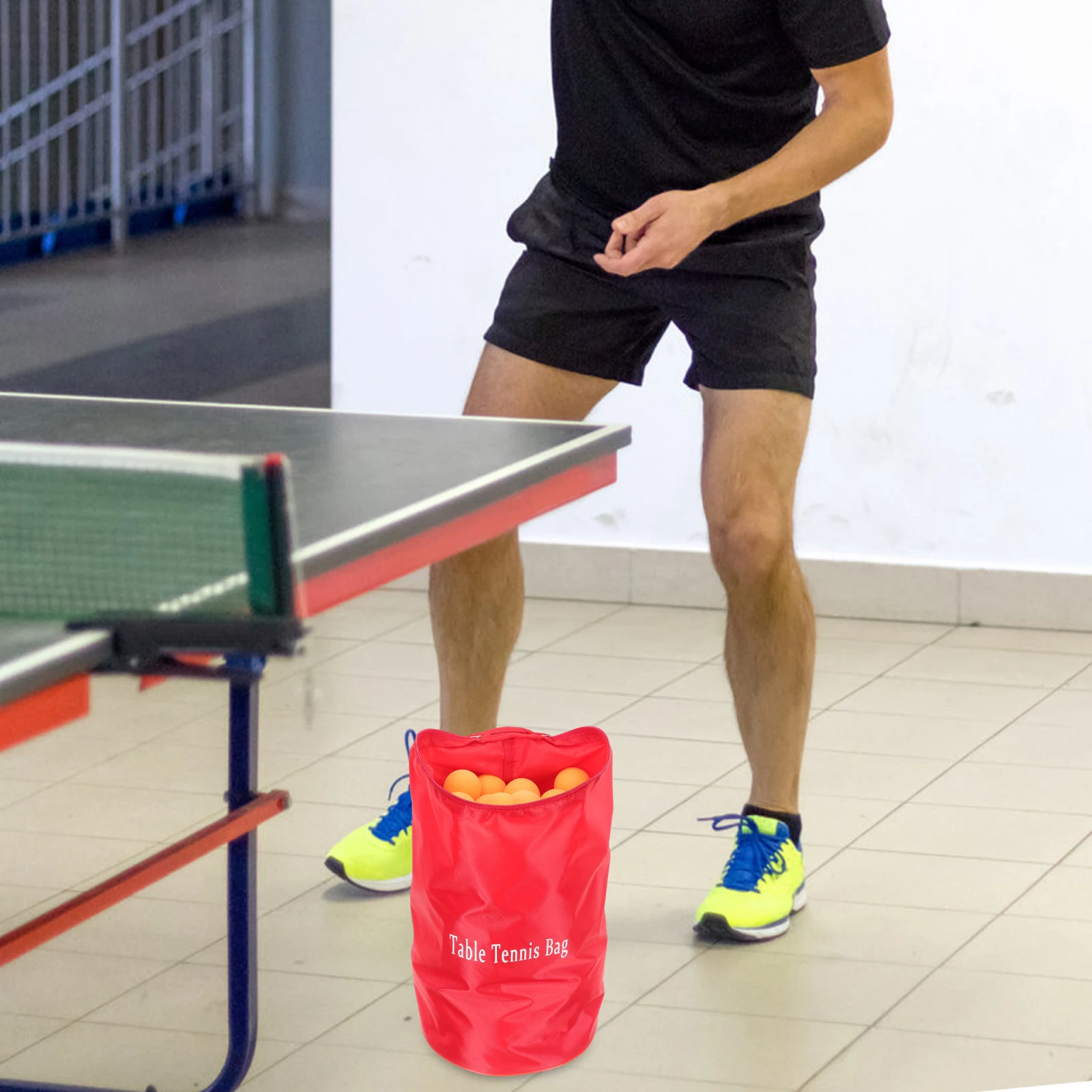

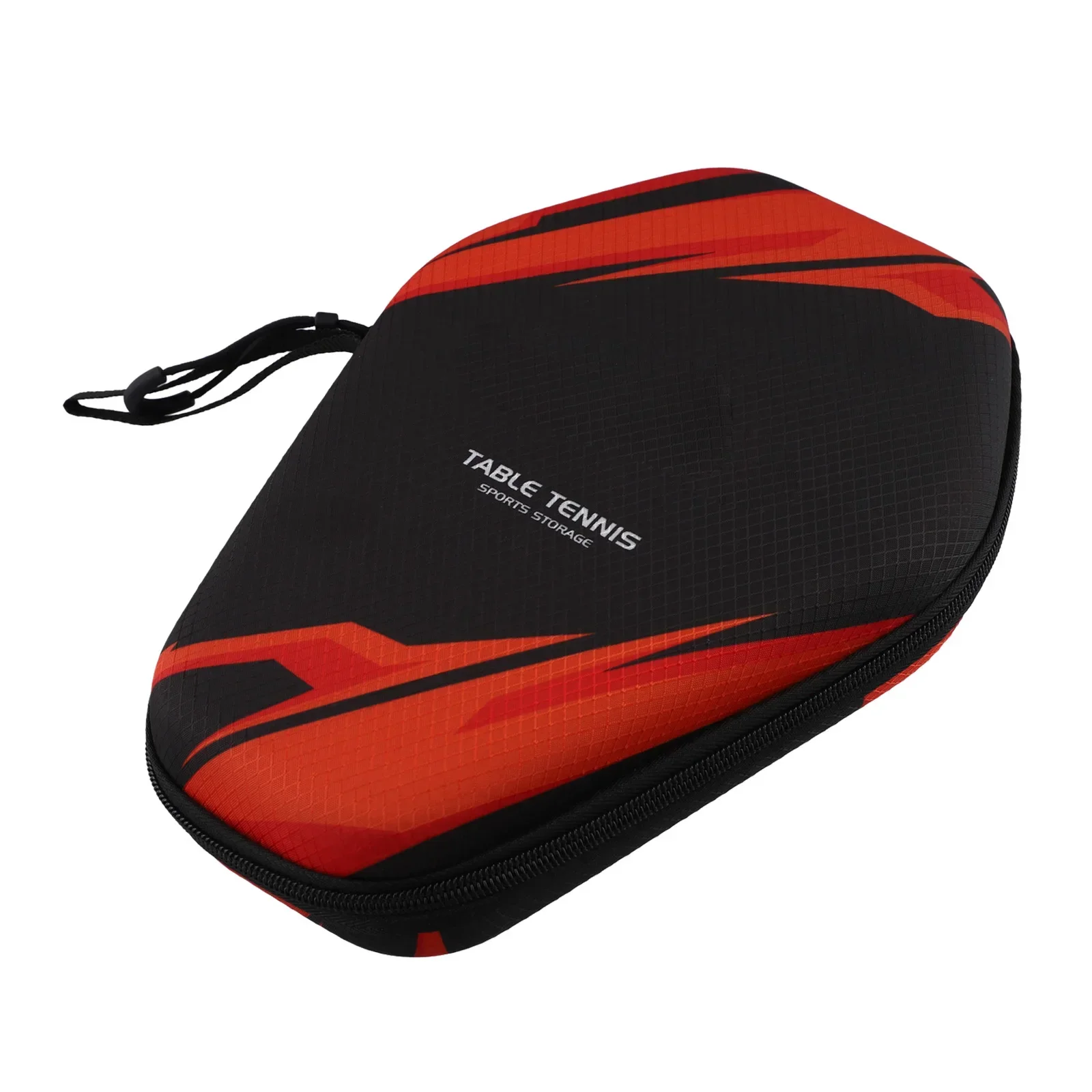

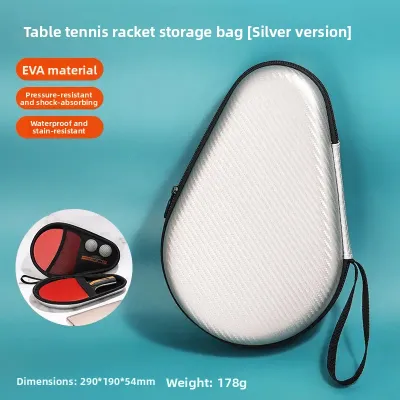
Prices are valid at publication and may change. Please refer to the product page for the latest price.
Next, evaluate the physical layout of your playing or living area. In space-conscious environments, such as typical apartments or shared sports clubs, floor space is often at a premium. Measure the exact dimensions of potential storage zones, including empty wall segments, desktop surfaces, and the interiors of existing sports cabinets. This step helps determine whether a vertical wall-mounted rack, a compact desktop stand, or a larger freestanding unit is the most practical choice.
Environmental factors play a critical role in preserving table tennis equipment. Avoid placing your holder in areas exposed to direct sunlight, which can dry out and discolor rubber sheets. Similarly, steer clear of spots near air conditioning vents or high-humidity zones like balconies, as rapid temperature shifts and moisture can compromise the wood glue in your blades and degrade the sponge backing of your rubbers.
Compare the Main Types of Table Tennis Bat Holders
Wall-mounted racks are an excellent option for players looking to maximize floor and desk space. These holders elevate your rackets, turning your collection into a visual display while keeping them out of reach of pets or accidental spills. Before choosing a wall-mounted model, verify the construction of your walls—whether they are concrete, drywall, or brick—and ensure you have the appropriate anchors and drilling permissions, which is a key consideration for renters.

Desktop and freestanding stands offer a highly flexible, non-invasive alternative. These units sit comfortably on sideboards, desks, or equipment shelves, making them easy to relocate as your room layout changes. When evaluating a desktop stand, pay close attention to the base footprint and overall stability; a top-heavy design can easily tip over if bumped, potentially damaging your rackets. Look for models with weighted bases or non-slip rubber feet to prevent sliding.
For extensive collections or dedicated club environments, multi-bat floor displays or modular storage units are the standard choice. These systems are designed to hold dozens of rackets and often include dedicated compartments for balls, cleaning sprays, and edge tapes. Because these units occupy a larger physical footprint, you must assess your room’s traffic flow to ensure the display does not obstruct movement around the table tennis table or create a tripping hazard.
Match Holder Capacity to Your Current and Future Bat Count
Selecting the right capacity is not just about fitting all your rackets into one place; it is about preventing physical contact between them. For small collections of one to three bats, compact single or dual-slot holders are ideal. These designs focus on simplicity and space efficiency, often utilizing individual slots that cradle the handle while keeping the rubber surfaces completely suspended and free from contact with adjacent objects.
Medium-sized collections of four to eight bats require a holder with a tiered or side-by-side layout. When choosing a multi-slot holder, check the spacing between the slots. There should be sufficient clearance—ideally at least two to three centimeters—between adjacent rackets to prevent the rubber faces from rubbing against each other when inserting or removing a bat, as friction can scuff the delicate top sheets.
For large collections of nine or more bats, modular or high-capacity systems offer the best organization. These setups allow you to categorize your rackets systematically, such as separating offensive setups from defensive ones, or grouping bats by rubber type (like inverted, short pimples, or long pimples). Look for modular designs that let you add extra racks or shelves over time, ensuring your storage system scales seamlessly alongside your passion for the sport.
Evaluate Materials, Protection, and Airflow for Bat Safety
The materials used in a bat holder directly impact the longevity of your equipment. Inspect all contact surfaces where the racket rests against the holder. High-quality holders feature soft padding, felt lining, or protective silicone coatings along the slots or hooks. These soft barriers prevent the holder from scratching the wooden handle, denting the blade’s edge, or scraping the rubber during daily use.
Structural rigidity is another critical factor to verify. The primary frame of the holder—whether constructed from solid wood, powder-coated metal, or thick acrylic—must be robust enough to support the cumulative weight of your rackets without warping or sagging over time. Avoid thin, flimsy plastics that can bend under load, as this can cause the rackets to lean against one another or slip out of their designated slots.
Furthermore, a safe holder design must promote adequate air circulation around the rubber surfaces. Completely sealed compartments can trap ambient moisture, leading to mold growth on the wooden handles and premature degradation of the rubber sponges. Open-frame designs or holders with ventilated slots allow air to flow freely, helping your rackets dry naturally after an intense training session and maintaining the consistent playing characteristics of your equipment.
Plan for Safe Installation and Routine Maintenance
A secure installation is paramount to protecting your valuable racket collection from accidental drops. If you choose a wall-mounted holder, always verify your wall type and use the correct mounting hardware, such as heavy-duty wall anchors for drywall or masonry plugs for brick and concrete. If you are unsure about drilling or structural integrity, consulting a qualified professional or handyman is a sensible step to ensure the rack is safely anchored.
Once installed, establish a simple routine to maintain the stability of your storage setup. Periodically inspect the mounting screws, joints, and brackets of your holder to ensure nothing has loosened over time due to the repeated action of placing and removing rackets. Tighten any loose components immediately and check that freestanding units remain level and wobble-free on their surfaces.
Finally, integrate equipment care into your storage routine. Always clean your racket rubbers with a dedicated cleaner and allow them to dry completely before placing them back into the holder. Storing a damp racket can trap moisture within the holder’s slots, which can damage the wood grain of the handle and create an environment where bacteria or mold can thrive.
Frequently Asked Questions (FAQ)
Can I store table tennis balls and accessories in the same holder?
Many modern table tennis bat holders feature integrated trays, hooks, or side compartments designed specifically to hold balls, edge tapes, and cleaning accessories. While this is highly convenient for keeping your gear organized in one place, you must ensure that loose items cannot shift and make contact with your racket rubbers. Avoid overcrowding these accessory trays, and never store sharp objects, like scissors used for cutting rubber, in the same compartment where they could accidentally scratch your blades.
How do I clean a table tennis bat holder without damaging it?
To clean your bat holder safely, start by removing all rackets and accessories from the unit. Use a slightly damp, soft microfiber cloth to gently wipe away dust and fingerprints from the surfaces. Avoid using harsh chemical solvents, abrasive scrubbing pads, or excessive water, especially on wooden or acrylic holders, as these can strip protective finishes or leave unsightly scratches. Ensure the holder is completely dry before returning your rackets to their slots to prevent any moisture transfer.
Community discussion
Share your experience or ask a question. Comments are reviewed before publication.