
Selecting the right table tennis racket is a pivotal decision that directly influences your control, stroke development, and overall enjoyment of the game. Many players make the mistake of purchasing high-speed, professional-grade equipment too early, only to find that they cannot control the ball. By matching your racket to your current skill level and tactical approach, you ensure that your gear supports your growth rather than hindering your technique.
To make an informed choice, you must evaluate your consistency on the table, identify your preferred style of play, and understand how different blade and rubber components interact. Whether you are a casual player enjoying recreational matches or an aspiring competitor looking to refine your spin, selecting the appropriate setup requires a systematic approach.
Assess Your Current Table Tennis Skill Level
Accurately categorizing your proficiency is the first step in avoiding equipment that is either too advanced or too basic. Beginners typically focus on basic ball contact and keeping the ball on the table. At this stage, strokes are often inconsistent, and footwork is reactive rather than proactive. If you find yourself struggling to return simple serves or frequently misjudging the bounce of the ball, your primary goal should be building muscle memory and establishing a reliable contact point.
Products mentioned in this guide
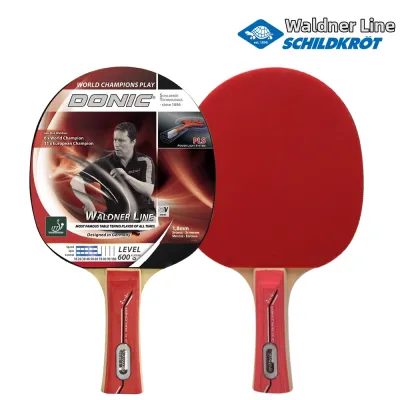
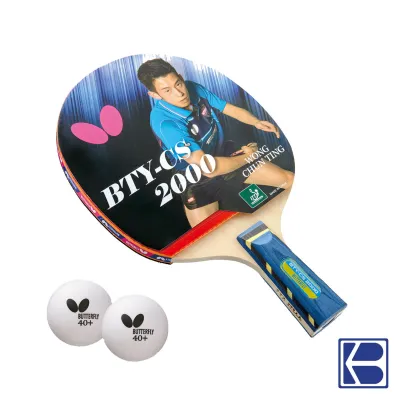
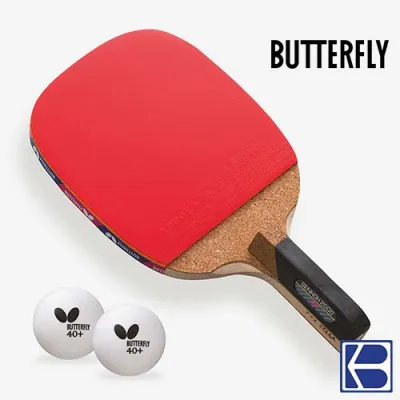
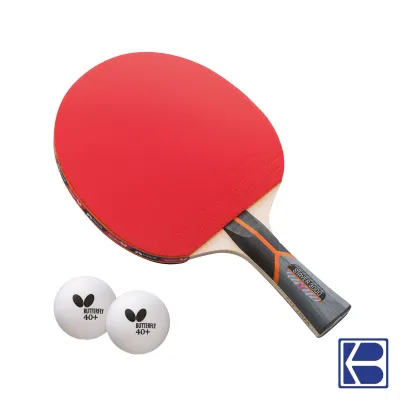
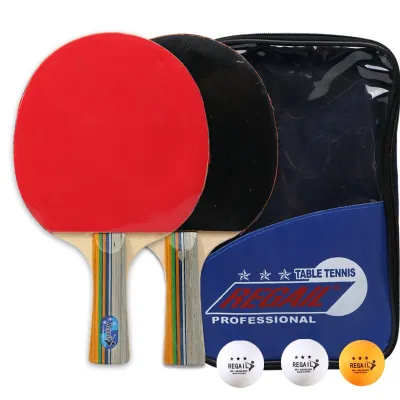
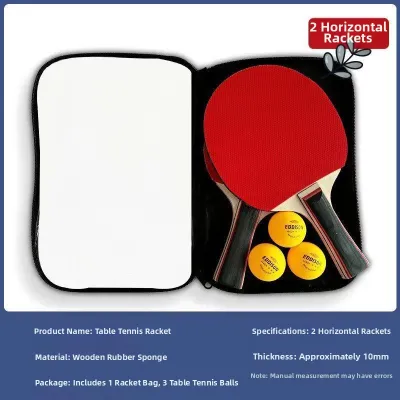
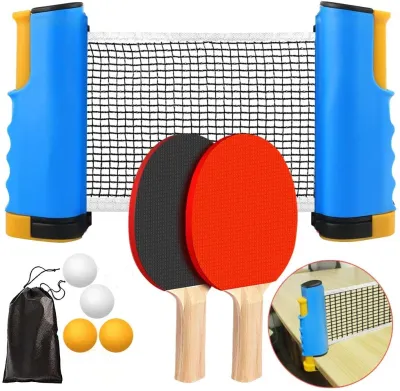
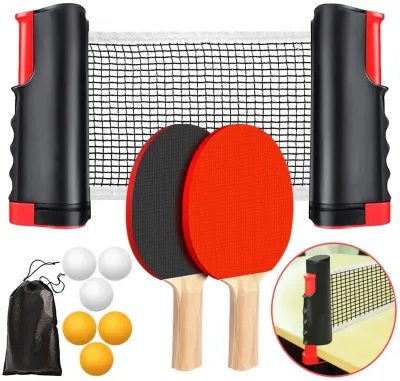
Prices are valid at publication and may change. Please refer to the product page for the latest price.
Intermediate players have mastered basic strokes like the forehand drive, backhand push, and simple block. You can sustain a rally of several shots and are beginning to understand how spin affects the ball’s trajectory. At this level, you start to actively use spin in your serves and returns, and your footwork allows you to move into position before executing a stroke.
Advanced players possess highly consistent strokes, rapid footwork, and a deep tactical understanding of spin and speed variations. If you can transition seamlessly between offensive loops and defensive blocks, read complex opponent spins instantly, and execute precise ball placement under pressure, you belong in the advanced category.
Using professional-grade gear too early is a common mistake that can severely hinder your progress. Advanced rackets are designed with highly reactive materials that amplify speed and spin. If your stroke mechanics are not yet precise, these sensitive materials will magnify your errors, causing the ball to fly off the table. A slower, more forgiving racket forces you to develop proper swing technique and body positioning to generate power.
To help you identify your current tier, use this self-check checklist before looking at equipment:
- Can you consistently return ten consecutive basic drives in a rally? (Yes indicates intermediate potential; No indicates beginner).
- Do you adjust your racket angle automatically based on the incoming spin? (Yes indicates intermediate to advanced; No indicates beginner).
- Is your footwork proactive, allowing you to set up your stance before striking? (Yes indicates intermediate to advanced).
- Do you have a defined strategy for winning points, rather than just reacting to the ball? (Yes indicates advanced).
Identify Your Dominant Playing Style
Your playing style dictates how you win points and determines the type of racket that will complement your game. The three primary styles in table tennis are offensive, defensive, and all-round. Recognizing where you fall on this spectrum allows you to choose equipment that enhances your strengths while covering your weaknesses.

Offensive players rely on speed, heavy topspin, and aggressive attacks to force errors or win points outright. If your instinct is to loop, smash, or drive the ball at every opportunity, you have an offensive style. This approach requires a racket that prioritizes speed and energy transfer, helping you generate powerful shots even from a distance from the table.
Defensive players focus on control, variation, and patience, often using backspin chops or precise blocks to wear down opponents. If you prefer to stay back, absorb your opponent’s attacks, and wait for them to make a mistake, your style is defensive. A defensive setup prioritizes maximum control and spin absorption, allowing you to neutralize high-speed attacks and place the ball accurately.
All-round players strike a balance between attack and defense, adapting their strategy based on the opponent and the match situation. If you enjoy switching between steady blocking and sudden counter-attacks, you fit the all-round profile. This style benefits from a balanced racket that offers a blend of speed and control, giving you the versatility needed for diverse tactical situations.
As you progress, your playing style is likely to evolve. Beginners should almost always start with an all-round setup, as this allows you to learn all types of strokes without being pigeonholed into a specific style too early. As your techniques refine and you discover your natural tendencies, you can gradually transition toward a more specialized offensive or defensive racket.
Decode Racket Components and Manufacturer Specs
A table tennis racket consists of three main components: the wooden blade, the sponge layer, and the top sheet of rubber. Understanding how these parts interact is crucial for making an informed purchase. The blade provides the structural foundation and core feel, while the rubber and sponge layers directly contact the ball to generate spin and speed.
Blades are primarily made of wood, but many modern designs incorporate layers of carbon fiber or other synthetic materials. All-wood blades offer excellent feedback and control, making them ideal for developing players who need to feel the ball impact. Carbon-reinforced blades are stiffer and faster, expanding the sweet spot of the racket but reducing the contact time with the ball, which requires advanced technique to control.
When looking at product packaging, you will find manufacturer ratings for speed, spin, and control. These ratings are relative guidelines within a specific brand’s lineup rather than universal standards. A high speed rating indicates that the ball rebounds quickly off the racket, which is excellent for offensive play but reduces your reaction window. Conversely, a high control rating means the racket absorbs energy, giving you more time to direct the ball.
The sponge layer between the blade and the rubber surface acts as a spring. Thicker sponges absorb the ball deeper and project it with more speed and spin, making them suitable for offensive players. Thinner sponges offer a more direct feel of the blade, providing superior control and precision for defensive or blocking styles.
The top sheet of rubber can be either tacky or grippy, and it can feature pimples pointing inward (inverted) or outward. Inverted rubbers are the most common, offering a smooth surface that maximizes contact area for generating heavy spin. Outward pimples (short or long pips) alter how the ball reacts to spin, with short pips offering flat, fast hits and long pips reversing the opponent’s spin to disrupt their rhythm.
Match Racket Categories to Your Player Profile
Rackets generally fall into two categories: pre-assembled models and custom setups. Pre-assembled rackets come ready to play out of the box, with the rubber permanently glued to the blade by the manufacturer. These are highly convenient and cost-effective, making them the standard choice for recreational players and beginners who are still discovering their playing style.
Custom setups require you to select the blade and rubbers separately, which are then glued together using specialized table tennis adhesive. This route offers unparalleled customization, allowing you to pair a control-oriented blade with high-spin rubbers, or vice versa. Custom rackets are the standard for intermediate and advanced players who need specific performance characteristics to match their refined techniques.
To help you decide which path to take, consider this decision matrix based on your commitment, skill level, and budget:
- Casual/Beginner: If you play occasionally at home or in the office, have a modest budget, and want immediate playability, choose a pre-assembled all-round racket.
- Developing Intermediate: If you practice regularly, are learning advanced spins, and have a moderate budget, choose an entry-level custom blade with control-focused rubbers.
- Competitive/Advanced: If you play in leagues, have highly developed strokes, and are willing to invest in high-performance gear, choose a custom setup tailored precisely to your offensive or defensive style.
Opting for a custom setup also means you can replace individual components as they wear out or as your style changes. This modularity makes custom rackets more cost-effective in the long run for dedicated players, as you do not need to purchase an entirely new racket when only the rubber needs replacement.
Where to Buy and What to Verify Before Checkout
When you are ready to purchase, choosing the right retailer is essential to ensure you receive authentic equipment. Authorized sporting goods stores and official brand websites are the safest options, as they source products directly from manufacturers. Reputable online marketplaces and specialized table tennis distributors also offer a wide selection, but you must verify the seller’s credentials to avoid counterfeit goods.
Before finalizing your purchase, perform several key verification checks. Look for official branding, holographic stickers, or serial numbers on the blade and rubber packaging, which many top manufacturers use to verify authenticity. Inspect the packaging seals to ensure the product has not been tampered with, and carefully review the retailer’s return policy in case the item arrives damaged or does not match the specifications.
If possible, visit a physical sporting goods store to hold different rackets before buying. This allows you to test the grip comfort, handle shape (such as flared, straight, or anatomic), and overall weight distribution of the racket. A handle that feels uncomfortable or a racket that feels too head-heavy can negatively affect your wrist movement and stroke execution.
For those unsure about custom configurations, consulting a certified table tennis coach or an experienced club player can provide invaluable guidance. They can observe your strokes in action and recommend specific blade and rubber combinations that match your current development needs. This personalized advice can save you from costly trial-and-error purchases.
Frequently Asked Questions (FAQ)
How often should I replace my table tennis rubber?
You should replace your table tennis rubber when you notice a significant loss of grip, visible cracking along the edges, or smooth, discolored patches in the center contact zone. For casual players, rubbers can last a year or more, while regular players who train multiple times a week may need to replace them every three to six months. Storage conditions also play a role; keeping your racket in a protective case away from extreme heat and dust preserves the rubber’s elasticity. Always consult the manufacturer’s care instructions for recommended cleaning routines to extend the lifespan of your equipment.
Can I upgrade just the rubber on my pre-assembled racket?
In most cases, upgrading the rubber on a pre-assembled racket is not recommended. Manufacturers of pre-assembled rackets typically use industrial-strength adhesives that make it extremely difficult to peel off the rubber without splintering or damaging the wooden blade underneath. Additionally, the blades used in entry-level pre-assembled rackets are often not designed to support high-performance rubbers. If your skills have outgrown your pre-assembled racket, it is highly recommended to transition to a dedicated custom blade that is designed for easy rubber replacement and long-term upgrades.
Community discussion
Share your experience or ask a question. Comments are reviewed before publication.