
Finding the right tennis ball picker in Singapore depends on your training volume, how you travel to the court, and your storage limits. For casual players using public ActiveSG or condo courts, a lightweight, portable tube grabber is often the most practical choice. Coaches running high-volume clinics require the rapid collection of wire cage rollers or push-sweepers to maximize lesson time. Commercial facilities and clubs benefit most from heavy-duty, wide-path sweepers that clear entire courts in minutes.
The primary trade-offs involve collection speed, physical effort, and storage footprint. While a large mechanical sweeper saves your back and clears hundreds of balls rapidly, it requires significant storage space and is difficult to transport without a dedicated vehicle. Conversely, manual tubes are highly portable but require more physical effort and have limited capacity. Matching the picker’s design to your specific routine ensures you spend more time hitting and less time cleaning up.
Key Selection Criteria for Tennis Ball Pickers
When evaluating tennis ball pickers, the collection mechanism is the first feature to consider. Wire cage rollers utilize flexible, tensioned wires that part when pressed over a ball, pulling it securely into the basket. Suction-based or friction-fit manual tubes rely on a flexible rubber or plastic end-cap that grips the ball as you push down, pushing it up into the column. Push-sweepers use rotating plastic flappers or rollers to flick balls into an attached hopper as you walk. Each mechanism has distinct advantages in terms of speed and physical strain.
Products mentioned in this guide
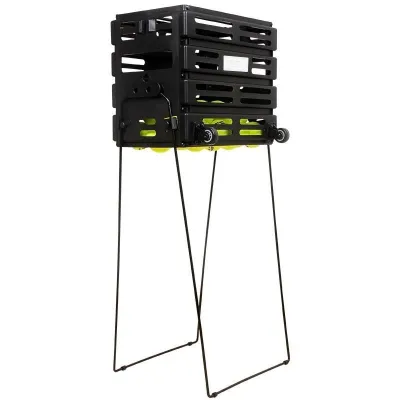
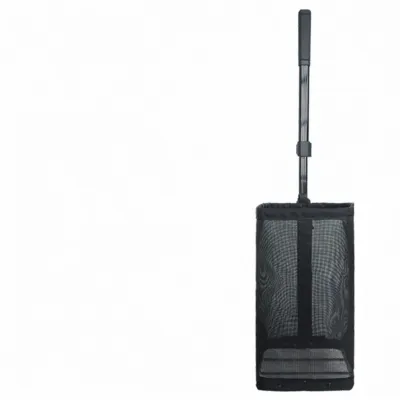
![[Local Stock]Pickleball Ball Picker Tennis Ball Retriever Holder Cricket Ball Collector 14 Ball Storage Tube Lightweight](https://img.lazcdn.com/g/p/dcf46e0ff286206c5cca068d732c27ba.png_400x400q80.png_.webp)
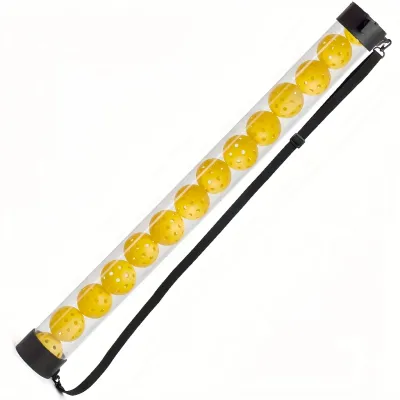
Prices are valid at publication and may change. Please refer to the product page for the latest price.
Court surface compatibility is another critical factor, particularly in Singapore’s tropical climate. Most local courts are hard courts finished with acrylic coatings, which can be sensitive to scraping. Look for pickers with non-marking rubber wheels or smooth plastic edges to prevent scuffing the court surface. If you play on artificial grass or clay, check if the roller’s wires or sweeping flappers can operate without clogging from loose sand, infill, or debris.
Ergonomics and handling directly impact how comfortable the picker is to use over long sessions. Adjustable handle heights are essential for preventing lower back strain, allowing players of different heights to maintain an upright posture. Weight distribution also matters; a front-heavy picker can tire your arms quickly. Additionally, evaluate the dumping mechanism—some models require you to manually part the wires, while others feature quick-release latches or tipping trays that transfer balls into a hopper without bending down.
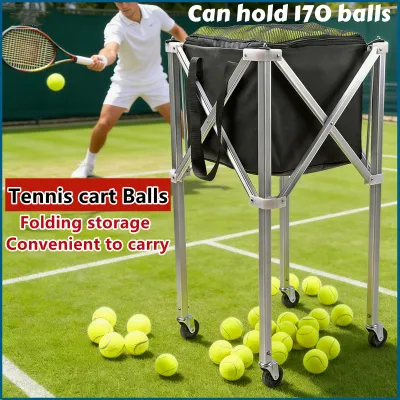
Finally, balance capacity against portability. A picker that holds 100 balls is highly efficient on the court but can be incredibly cumbersome to transport. If you rely on public transport like the MRT or have a compact car boot, a collapsible tube or a folding basket picker is much more practical than a rigid, commercial-grade sweeper. Consider where you will store the unit at home, as high-rise apartment living often limits the space available for bulky sports equipment.
Recommended Picker Profiles by User Type
Selecting the right equipment requires matching the scale of the picker to your actual training workflow. Using a commercial-grade sweeper for a solo practice session is unnecessary and physically awkward, while relying on a single tube for a group clinic will stall your training momentum.

Solo Players and Home Practice
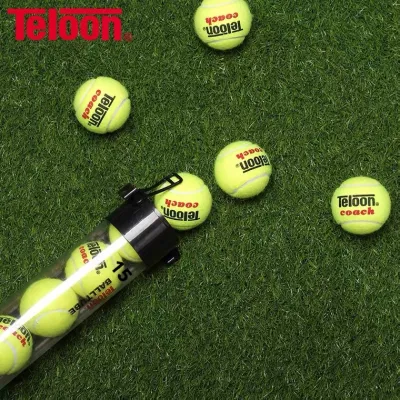
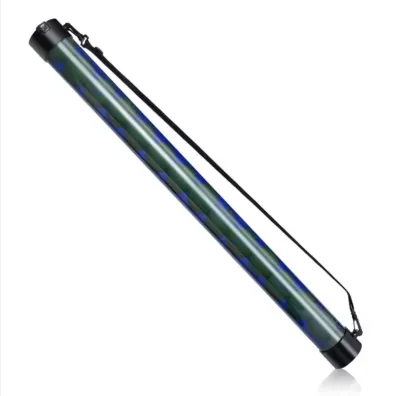
For individual players practicing serves or using a personal ball machine, portability and ease of use are the top priorities. Lightweight, compact designs like tennis ball picker tubes or small hand-held wire baskets are ideal for these scenarios. These tools typically hold between 15 and 30 balls, which aligns well with the volume of a standard personal practice basket.
When choosing a tube picker, check the manufacturer’s specifications for the locking mechanism at the top and bottom. A secure cap or sliding lock prevents balls from spilling out during transport. Look for models made from durable, UV-resistant plastics, as cheap materials can become brittle when exposed to intense tropical sunlight on outdoor courts.
Storage convenience is a major factor for solo players in Singapore. A sleek tube can easily slide into a tennis bag or stand upright in a small utility closet at home. It is also light enough to carry on public transport or sling over your shoulder while cycling to the nearest public court, making it the most versatile option for casual, independent play.
Coaches and Small Group Clinics
Tennis coaches and instructors running small group clinics need to clear the court quickly to keep students engaged and maintain the tempo of the lesson. For this workflow, mid-to-large capacity push-sweepers or wide wire-roller models are highly effective. These pickers generally hold between 50 and 80 balls, allowing you to clear a substantial portion of the court in a single pass.
Efficiency is driven largely by the dumping mechanism. Look for pickers designed for fast, clean transfers into a standard feeding hopper or teaching cart. Models with bottom-release doors or slide-out trays allow you to empty the collected balls directly over your basket without having to lift and shake a heavy, awkward frame.
Durability is paramount for professional use. Coaches should look for reinforced wire cages, heavy-duty steel or aluminum handles, and robust wheel axles. Because these tools are used multiple times a day, cheap plastic connectors are prone to wearing out quickly under constant friction and pressure. Investing in a model with replaceable wear strips or modular parts can extend the lifespan of your equipment significantly.
Club Owners and Facility Managers
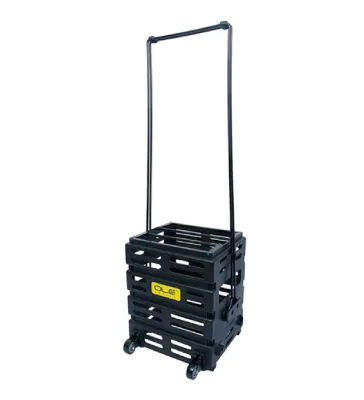
Commercial tennis facilities, school sports departments, and country clubs manage high-volume court usage across multiple courts. To maintain court schedules and keep facilities tidy, managers require heavy-duty, commercial-grade sweepers. These units feature extra-wide collection paths and large hoppers capable of holding 100 to 150 balls at once, minimizing the time spent clearing the playing area.
When selecting commercial sweepers, pay close attention to the wheel construction and tread patterns. Heavy-duty pneumatic or solid rubber wheels must be rated as non-marking to protect expensive acrylic hard court coatings from unsightly black streaks. The axle assembly should be robust enough to handle continuous rolling over slightly uneven outdoor surfaces without bending or losing alignment.
Because these pickers represent a larger capital investment, it is wise to review the manufacturer’s warranty terms and structural guarantees. Check if the brand offers readily available replacement parts, such as replacement wire sets, flappers, or wheels. Having access to spare parts ensures that a single worn component does not force you to decommission an expensive piece of facility equipment.
Maintenance and Storage Best Practices
Proper maintenance is essential to prolong the lifespan of your tennis ball picker, especially in Singapore’s hot and highly humid environment. Routine cleaning should be performed after every few sessions. Use a damp cloth to wipe away court dust, clay residue, or grit from the wire cages, roller axles, and wheels. Avoid using harsh chemical solvents, which can degrade plastic parts and strip away protective coatings on metal frames.
Establish a regular inspection checklist to catch minor wear before it leads to mechanical failure. Check for bent wires on cage rollers, as uneven spacing will allow balls to slip out during collection. Inspect hinges, latches, and handle adjustment pins for signs of rust or looseness. If your picker has wheel bearings, apply a small amount of silicone-based lubricant occasionally to ensure smooth rolling and prevent seizing.
Storage conditions play a massive role in preventing premature degradation. Never leave your picker outdoors or exposed to direct sunlight for extended periods, as UV rays break down plastics and weaken the tension of rubber components. Store the equipment in a dry, well-ventilated indoor area, keeping it elevated off damp concrete floors if possible. If space is tight, look for models that can be hung on wall hooks or disassembled easily to keep them protected and out of the way.
Frequently Asked Questions (FAQ)
Can I use a tennis ball picker on wet grass or artificial turf?
Using a standard tennis ball picker on wet grass or damp artificial turf is generally not recommended unless the manufacturer explicitly states it is safe to do so. Moisture significantly reduces the traction of roller wheels and causes tennis balls to become heavy and waterlogged. This extra weight and slickness make it difficult for wire cages or sweeping flappers to grip and lift the balls effectively. Additionally, wet conditions can introduce mud and organic debris into the picker’s moving parts, leading to clogging and accelerated rust. If you must collect balls on a damp surface, it is best to wait for the court to dry or use a manual tube picker, which relies on direct downward pressure rather than rolling traction.
How do I safely empty a fully loaded wire cage picker?
To empty a fully loaded wire cage picker safely, always utilize the built-in release mechanisms rather than forcing the wires apart manually. Most high-quality rollers feature a dedicated bottom drop door, a side-release latch, or a tipping mechanism designed to open under controlled tension. Manually prying the wire bars apart to shake the balls out will permanently deform the metal, ruining the precise spacing required to grip balls on subsequent passes. For the most efficient transfer, position the picker directly over your ball hopper, basket, or teaching cart before triggering the release mechanism, allowing gravity to do the work without putting unnecessary strain on your back or the equipment.
Community discussion
Share your experience or ask a question. Comments are reviewed before publication.