
Choosing the right tennis overgrip is one of the most immediate, cost-effective ways to improve your comfort, control, and overall confidence on the court. As a beginner, the interface between your hand and the racket handle dictates how relaxed your grip can remain during a stroke. If your racket slips, you will naturally squeeze harder to compensate, a habit known as the “death grip” that quickly leads to forearm fatigue, blisters, and even tennis elbow. To prevent this, you must select an overgrip that matches your unique physiological needs, specifically your hand sweat levels and the typical climate of your playing environment.
An overgrip is a thin, consumable tape wrapped over the racket’s permanent base grip. While a base grip provides the essential cushioning over the hard handle structure, the overgrip is designed to handle moisture, provide a specific tactile feel, and protect the underlying grip from wearing out. Depending on your personal sweat profile and where you play, your ideal starting point will fall into one of three primary categories: tacky, dry, or highly absorbent. Finding the right balance between these options ensures your racket remains secure in your hand without requiring excessive muscular effort.
Quick Guide: Matching Overgrip Types to Your Needs
To help you identify your ideal overgrip type quickly, it is best to look at your hand sweat levels and where you plan to play. Because the “best” overgrip is entirely subjective, what works for a professional player on a dry, windy day may not work for a beginner playing under different conditions. Your physical traits and local court conditions should always guide your decision.
Products mentioned in this guide
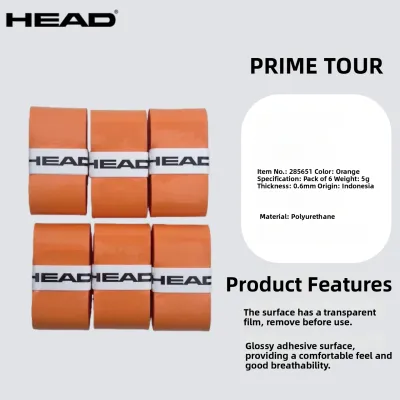
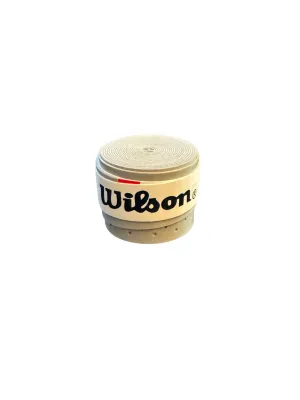
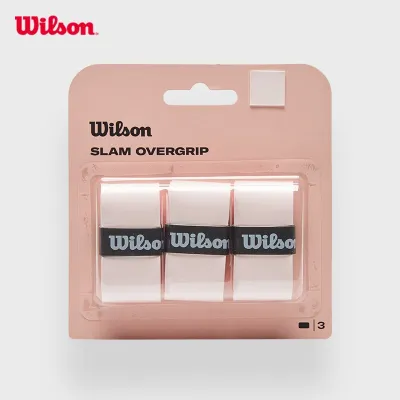
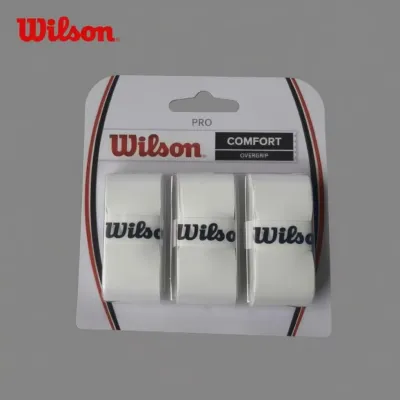
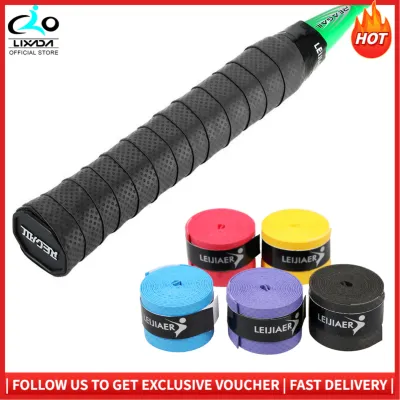
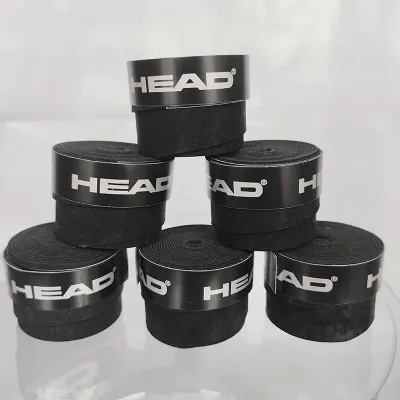
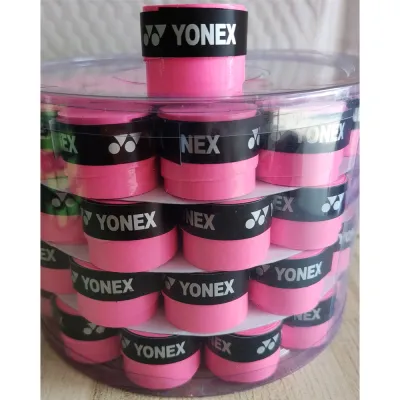
Prices are valid at publication and may change. Please refer to the product page for the latest price.
In high-humidity environments, such as the tropical climate of Singapore, moisture management becomes the single most important factor. High humidity slows down sweat evaporation, meaning your grip will stay wet longer during outdoor sessions. Under these conditions, players who sweat moderately to heavily will find that standard sticky grips lose their traction almost instantly, making dry or absorbent options much more reliable.
Below is a simple decision matrix to help you map the three primary overgrip categories to your specific playing profile:
| Overgrip Type | Primary Material | Tactile Feel | Best For | Climate Suitability |
|---|---|---|---|---|
| Tacky | Polyurethane (PU) | Sticky, smooth, rubbery | Dry hands, cool indoor courts | Best in air-conditioned environments; slips easily under heavy sweat |
| Dry | Non-woven microfiber | Velvet-like, paper-dry, chalky | Moderate to heavy sweat, outdoor play | Excellent for high humidity; wicks moisture continuously |
| Absorbent | Thick, textured cotton-blend | Plush, cushioned, towel-like | Profuse sweating, blister prevention | Outstanding for extreme humidity; adds noticeable handle bulk |
The 3 Main Types of Tennis Overgrips Explained
To make an informed decision, you need to understand how these three categories differ in their material composition, tactile feel, and performance on the court. Each type is engineered using different manufacturing techniques to achieve its specific characteristics.

Tacky Overgrips
Tacky overgrips are designed to feel sticky and adhesive directly out of the package. They are manufactured by applying a smooth, non-porous polyurethane (PU) layer over a flexible elastomeric base. This smooth outer layer creates a high coefficient of friction against dry skin, allowing you to hold the racket securely with minimal hand pressure.
For beginners with naturally dry hands, tacky grips are highly reassuring. They provide an immediate sense of connection to the racket, helping you focus on learning proper stroke mechanics rather than worrying about the racket twisting during off-center hits. They also perform exceptionally well in cooler, air-conditioned indoor tennis centers where sweat production is minimized.
However, tacky overgrips have a significant limitation: they do not manage moisture well. Because the polyurethane surface is smooth and non-porous, any sweat on your palm will sit on top of the grip rather than being absorbed. This can quickly turn the sticky surface into a slippery, plastic-like slide, which is why they are often less practical for outdoor play in hot, humid climates.
Dry Overgrips
Dry overgrips prioritize moisture absorption and quick-drying capabilities over stickiness. Instead of a smooth polyurethane coating, these grips are made from non-woven microfibers or felt-like materials that have a slightly textured, matte, or chalky finish. They feel soft and dry to the touch, similar to a high-quality sheet of paper or soft suede.
These grips work through capillary action, pulling sweat away from your palm and dispersing it throughout the material’s fibers. As your hands sweat, the grip actually becomes more secure, offering a dependable, slip-free surface even during long, intense rallies. This makes dry overgrips the gold standard for players who struggle with sweaty palms or those playing on warm, outdoor courts.
For beginners accustomed to smooth surfaces, a dry overgrip can initially feel slightly abrasive or rough. They also tend to wear out and fray faster than tacky grips, as the soft microfiber surfaces pill and degrade under the friction of constant hand movement. However, the trade-off in security and moisture control is usually well worth it for players in warm climates.
Absorbent Overgrips
Absorbent overgrips are the heavy-duty solution for players who experience extreme sweating or play in exceptionally humid conditions. These grips are typically thicker than standard tacky or dry overgrips and are often made from cotton blends or heavily perforated, textured polyurethane. Some even feature a towel-like texture designed specifically to soak up large volumes of liquid.
Rather than just wicking moisture away from the skin, absorbent grips act like a sponge, storing sweat deep within the material so the surface remains dry enough to hold. They also offer a high level of cushioning, which can help absorb the vibrations of off-center hits—a common occurrence for beginners still developing their timing and sweet-spot contact.
The primary drawback of highly absorbent overgrips is their thickness. While a standard overgrip is around 0.5mm to 0.6mm thick, a heavy absorbent grip can be 0.75mm to 1.0mm or more. This extra thickness adds noticeable bulk to the racket handle, which can alter the feel of the handle’s bevels and make it harder for players with smaller hands to wrap their fingers around securely.
How to Choose Based on Hand Sweat and Court Conditions
Selecting the right overgrip requires a realistic assessment of your personal physical traits and the specific conditions of the courts where you play. By evaluating these factors systematically, you can avoid wasting money on grips that do not match your playing environment.
First, evaluate your baseline hand moisture during a typical playing session. You can do this by paying attention to how often you feel the need to wipe your hands on your towel or clothing during a casual one-hour hit. If your hands remain relatively dry and you rarely need a towel, you are a prime candidate for a tacky overgrip. If your palms feel damp within the first fifteen minutes of warm-ups, you should immediately look at dry or absorbent options.
Second, consider your primary playing venue and the local weather. If you play on outdoor courts in Singapore, the combination of high temperatures and intense humidity means you will sweat more, and that sweat will not evaporate easily. In this scenario, even a player with naturally dry hands might find a tacky grip becoming slick and unusable after thirty minutes. Conversely, if you play exclusively in air-conditioned indoor facilities, the controlled climate will allow a tacky grip to maintain its performance for a much longer period.
Third, understand how grip thickness interacts with your hand size and racket feel. Tennis racket handles are octagonal, featuring eight flat sides called bevels. Feeling these bevels is crucial for beginners because it helps you transition between different grips—such as moving from a Continental grip for serves to an Eastern or Semi-Western grip for forehands—without looking at your hand. A thin overgrip (around 0.4mm to 0.5mm) preserves these sharp edges, while a thick, highly cushioned overgrip (0.7mm or thicker) rounds off the bevels, making the handle feel more like a cylinder and reducing your tactile awareness.
Before committing to a bulk purchase of a specific overgrip, buy a few individual packs of different types to test during your practice sessions. Pay attention to how the grip feels during the first ten minutes versus the end of a one-hour session. If you feel your hand tensing up or sliding as the session progresses, it is a clear sign that you need to shift toward a more absorbent or dry profile.
Recommended Overgrip Profiles for Beginners
When shopping for overgrips at sports retailers or online marketplaces, you will find a dizzying array of brands and marketing terms. Instead of focusing on brand names, look closely at the product specifications, materials, and textures to find a profile that matches your needs.
Thin Perforated Polyurethane (Moderate Sweat / Hybrid Feel)
This profile features a polyurethane construction with tiny ventilation holes (perforations) punched throughout the tape. It typically has a thickness of 0.5mm to 0.6mm, offering a moderate level of cushioning without adding excessive bulk to your racket handle.
- Tactile Feel: Mildly tacky with a slightly textured surface due to the perforations.
- Best For: Beginners who want the secure, sticky feel of a tacky grip but need extra ventilation to handle light to moderate hand sweat.
- What to Look For on Labels: Terms like "perforated," "breathable," "moderate tack," and a thickness specification of 0.5mm.
Non-Woven Microfiber with Matte Finish (Heavy Sweat / Active Outdoor)
This profile is designed specifically for moisture management, using a soft, non-woven microfiber fabric that mimics the feel of fine felt or suede. It has a standard thickness of 0.55mm to 0.6mm and contains no sticky polyurethane coatings.
- Tactile Feel: Soft, dry, velvety, and completely non-sticky.
- Best For: Beginners playing on humid outdoor courts who experience sweaty hands and need consistent, slip-free traction throughout their sessions.
- What to Look For on Labels: Terms like "dry feel," "moisture-wicking," "matte finish," "absorbent microfiber," or "sanded texture."
Textured, Embossed Polyurethane (Dry Hands / Enhanced Grip Security)
This profile uses a high-tack polyurethane material that features raised tread patterns, ridges, or embossed lines running along the center of the tape. It is usually slightly thicker, ranging from 0.6mm to 0.7mm.
- Tactile Feel: Highly sticky with a distinct physical texture that your fingers can lock into.
- Best For: Beginners with dry hands who struggle with the racket twisting on off-center hits and prefer a highly secure, physical guide for their hand placement.
- What to Look For on Labels: Terms like "tacky," "textured," "embossed," "raised ridge," or "max traction."
Below is a comparison of these three recommended profiles to help you weigh their trade-offs:
| Material Profile | Ideal User | Expected Durability | Primary Trade-off |
|---|---|---|---|
| Thin Perforated PU | All-rounders, indoor/outdoor mix | Moderate (approx. 4–6 playing hours) | Perforations can tear under high friction |
| Non-Woven Microfiber | Heavy sweaters, outdoor players | Low to Moderate (approx. 3–5 playing hours) | Shows dirt quickly; zero initial stickiness |
| Textured Embossed PU | Dry hands, indoor court players | High (approx. 6–10 playing hours) | Can feel bulky; ridges can cause blisters if wrapped unevenly |
How to Wrap and Know When to Replace Your Overgrip
Wrapping an overgrip is a simple, reversible skill that every tennis player should master. By learning to wrap your own racket, you can maintain your equipment easily and experiment with different grip tensions and overlap styles to find what feels best for your hand.
Before you begin wrapping, check your racket manufacturer’s instructions for any specific recommendations regarding grip maintenance. Always ensure you are wrapping over a clean, dry base grip, as any moisture trapped underneath can damage the handle pallet over time.
Step-by-Step Wrapping Guide
- Prepare the Racket: Peel off the old overgrip and any leftover adhesive tape. Wipe down the underlying base grip with a dry cloth to remove any dust or sweat residue.
- Anchor the Grip: Most overgrips have a tapered end with a small adhesive tab. Peel the backing off this tab and stick it to the very bottom of the racket's butt cap. If you are right-handed, wrap the grip in a counter-clockwise direction (looking at the butt cap from the bottom). If you are left-handed, wrap in a clockwise direction. This ensures that your fingers naturally pull the seams closed during play rather than peeling them open.
- Maintain Consistent Tension: As you begin wrapping upward, pull the overgrip with moderate, consistent tension. Avoid stretching the material too tightly, as over-stretching thins out the grip, reducing its ability to absorb sweat and damp vibrations.
- Control the Overlap: Overlap each turn by about 1/8 to 1/4 of an inch (roughly 3mm to 6mm). Keep this overlap uniform all the way up the handle. Overlapping too much will make the handle bulky and round off the bevels, while overlapping too little can leave gaps where the underlying base grip is exposed.
- Finish the Wrap: Once you reach the top of the handle (just below the racket throat), mark a straight line across the grip with a pen and cut off the excess material at an angle. This creates a clean, flush edge. Secure this edge tightly using the finishing tape included in the package.
When to Replace Your Overgrip
Because overgrips are consumable items, they must be replaced regularly to maintain their performance and protect the underlying base grip. You should look for several clear, observable signs that your overgrip has reached the end of its lifespan:
- Loss of Traction: The grip feels slick, smooth, or slippery, forcing you to squeeze the handle harder than usual to keep the racket stable.
- Visible Wear: The surface shows signs of tearing, fraying, peeling, or thinning, particularly in the areas where your thumb and palm rest.
- Discoloration and Odor: The grip has dark, permanent sweat stains, or it emits a persistent sour smell even after drying out.
- Reduced Cushioning: The grip feels hard, compressed, and no longer absorbs the shock of ball contact, which can lead to increased joint discomfort.
Frequently Asked Questions (FAQ)
Can I use an overgrip directly on the bare racket handle?
No, you should never wrap an overgrip directly onto the bare wooden or composite handle pallet of a tennis racket. Overgrips are extremely thin (usually 0.5mm to 0.6mm) and do not have the structural cushioning required to absorb the high-impact vibrations of a tennis ball hitting the strings. Attempting to play with an overgrip on a bare handle will likely cause severe hand blisters, joint pain, and potential structural damage to the racket handle itself. Always ensure your overgrip is wrapped over a proper, cushioned replacement base grip.
Does adding an overgrip change my racket's grip size?
Yes, adding a standard overgrip will increase your racket’s handle size by approximately half a grip size, which is roughly 1/16 of an inch (or about 1.5mm). If your current racket handle feels slightly too small, adding a single overgrip is an excellent, low-cost way to customize the fit and make it more comfortable. However, you should avoid layering multiple overgrips on top of one another to build up a small handle, as this will round off the handle’s octagonal bevels, making it very difficult to feel the racket’s orientation and maintain proper control over your shots.
How often should a beginner replace their overgrip?
As a general guideline, a beginner should replace their overgrip every 4 to 8 hours of active play. However, this frequency is highly dependent on your personal sweat levels, the local climate, and how you store your racket. In highly humid tropical climates like Singapore, the materials degrade much faster due to constant exposure to sweat and moisture. Instead of relying on a strict calendar schedule, inspect your grip before every session and replace it immediately if you notice any loss of traction, visible wear, or persistent odor.
Community discussion
Share your experience or ask a question. Comments are reviewed before publication.