
Selecting the right thumb protector depends entirely on the specific mechanical demands and injury risks of your sport. A brace designed to immobilize a joint for heavy lifting will severely restrict the hand mobility required for setting a volleyball or shooting a basketball. Conversely, a lightweight compression sleeve will not offer the structural reinforcement required to protect your joints under a heavy barbell.
To find the right balance between protection and performance, you must evaluate how different designs manage joint movement, impact absorption, and material friction. This guide breaks down the distinct design requirements for basketball, volleyball, and weightlifting, helping you evaluate support structures, materials, and fit to ensure adequate protection without compromising your athletic performance.
Understanding Core Design Features in Sports Thumb Protectors
Before selecting a sport-specific model, it is essential to understand the baseline structural differences in thumb supports. Thumb protectors generally fall into two categories: rigid splints and flexible compression sleeves. Rigid splints utilize metal, plastic, or composite stays to restrict movement, making them ideal for limiting joint deviation. Flexible compression materials, such as neoprene, nylon, or spandex, offer mild support, retain therapeutic warmth, and improve proprioception—your body’s awareness of joint positioning—without locking the joint in place.
Products mentioned in this guide
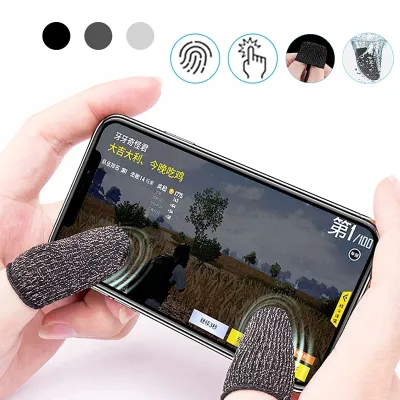
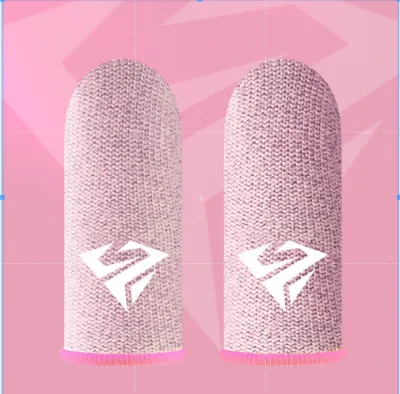
Prices are valid at publication and may change. Please refer to the product page for the latest price.
Strap configurations also play a critical role in how a protector performs. Some designs feature a simple loop around the thumb, while others incorporate complex multi-strap systems that anchor around the wrist. These wrist-anchored straps help maintain proper wrist-thumb alignment, distributing forces away from the delicate thumb joints and across the larger structure of the wrist and forearm.
Additionally, material selection is vital, especially when training in hot and humid climates. High-sweat, high-friction activities require materials with excellent breathability and moisture-wicking properties. Perforated neoprene, mesh panels, and lightweight synthetic blends help prevent sweat accumulation under the brace. This reduces the risk of skin irritation, slippage, and material degradation during intense training sessions.
Basketball: Protecting Against Jams While Maintaining Ball Control
In basketball, your hands are your primary tools for shooting, passing, and dribbling. A thumb injury, such as a jam or sprain from a fast-moving ball or an opponent’s hand, can sideline you for weeks. However, wearing a bulky, rigid brace can ruin your shooting mechanics and ball control. The key is finding a low-profile, flexible design that shields the joint while preserving tactile feedback.

Look for protectors that utilize flexible materials with targeted reinforcement. The brace should allow natural finger flexion, particularly at the distal joint of the thumb, so you can execute a clean shooting follow-through. If the protector is too stiff, it will alter the release of the ball, affecting your accuracy on the court.
Strategic padding is another crucial feature for basketball players. Look for designs with low-profile foam or gel padding placed along the outer edge and base of the thumb. This padding helps absorb the sudden impact of a ball striking the tip of your finger during rebounds or defensive plays, without adding unnecessary bulk to your hand.
Before purchasing, check the manufacturer’s specifications to ensure the brace offers an unrestricted range of motion for the rest of your hand. The protector should fit snugly around the thumb and wrist without restricting your ability to spread your fingers wide or transition your grip quickly while dribbling.
Volleyball: Preventing Hyperextension During Blocks and Digs
Volleyball players frequently subject their hands to high-velocity impacts, particularly when blocking at the net or digging hard spikes. The primary injury risk in volleyball is hyperextension—the backward bending of the thumb joint when resisting a powerful hit. To prevent this, you need a protector specifically designed to limit backward movement while allowing the hand to form proper playing shapes.
When evaluating protectors for volleyball, look for models with built-in stays or splints positioned on the back or side of the thumb. These stays act as physical stoppers that prevent the joint from bending backward past a safe angle. However, they must be designed to allow forward flexion, enabling you to close your hand or position your fingers correctly for digging and setting.
Because volleyball involves repetitive, high-impact contact and frequent floor dives, the construction of the protector is highly important. Prioritize seamless construction or flat-lock stitching. Standard seams can rub against the skin under the pressure of ball contact, leading to painful friction burns, blisters, and skin irritation.
Additionally, assess the overall bulkiness of the protector. A bulky brace can alter your hand shape, making it difficult to execute precise setting techniques. The protector should feel like a second skin, providing structural reinforcement without interfering with the flat-hand surface needed for clean, controlled passes.
Weightlifting: Stabilizing the Base Joint for Heavy Grips
Weightlifting places immense axial loads on the hands, particularly during heavy pulls like deadlifts, cleans, and snatches. When using a standard grip or a hook grip—where the thumb is wrapped around the barbell and locked beneath the fingers—the base of the thumb, specifically the carpometacarpal (CMC) joint, experiences severe pressure. A weightlifting thumb protector must stabilize this base joint to prevent joint laxity and strain under heavy loads.
For weightlifting, focus on rigid or semi-rigid base supports. These designs typically feature a reinforced wrap or a molded thermoplastic insert that stabilizes the CMC joint. Unlike basketball or volleyball protectors, a weightlifting brace does not need to prioritize high-speed joint mobility; instead, it must focus on structural stability under load.
The exterior texture of the protector is another critical factor. The material must be compatible with barbell knurling and lifting chalk. Smooth synthetic fabrics can cause the barbell to slip out of your hands, which is highly dangerous during heavy lifts. Look for textured fabrics, leather panels, or specialized grip materials that lock onto the bar and hold chalk effectively.
Finally, ensure the profile of the brace allows you to wrap your thumb securely around the barbell. If the material is too thick or poorly designed, it can create painful pressure points when squeezed against the steel knurling, or worse, restrict blood flow to your thumb under tension. A proper fit should feel secure and supportive without causing numbness during your sets.
How to Measure, Fit, and Test Your Thumb Protector
To ensure your thumb protector provides adequate support without causing secondary issues, you must measure, fit, and test it carefully before heading into a full-intensity game or workout.
Start by consulting the manufacturer’s sizing chart. Do not guess your size based on glove size, as thumb proportions vary significantly. Use a flexible measuring tape to measure your thumb circumference at the widest point (usually the base joint) and the length from your wrist crease to the tip of your thumb. If your measurements fall between sizes, consider whether you prefer a tighter, more supportive fit or a slightly looser, more comfortable fit, keeping in mind the flexibility requirements of your sport.
Once you have the protector, perform sport-specific movement tests in a controlled environment. For basketball, try dribbling and shooting a ball; for volleyball, mimic blocking and setting motions; for weightlifting, grip an empty barbell. Check for any signs of slipping, pinching, or restricted movement. Pay close attention to your circulation—if your thumb feels cold, turns pale, or begins to tingle, the brace is too tight and must be adjusted.
Always establish clear stop conditions. A thumb protector is a supportive tool, not a cure for structural injuries. If you experience persistent pain, numbness, swelling, or worsening joint instability while wearing the protector, immediately stop the activity, remove the brace, and consult a qualified sports physiotherapist or medical professional.
Frequently Asked Questions (FAQ)
Can I use the same thumb protector for multiple sports?
Using a single thumb protector for multiple sports is generally not recommended due to the vastly different mechanical demands of each activity. A rigid weightlifting brace will severely hinder your ball-handling skills in basketball and could be dangerous to other players on a volleyball court. Conversely, a flexible basketball sleeve will not provide the structural stabilization required for heavy lifting. While a basic, flexible compression sleeve might suffice for light, multi-sport recreational use, dedicated gear is necessary if you participate in these sports at a competitive or high-intensity level.
Should I wear a thumb protector on my non-dominant hand?
Whether you should wear a thumb protector on your non-dominant hand depends on your specific sport, playing style, and injury history. In volleyball, both hands are equally exposed to high-velocity impacts during blocking and digging, making bilateral protection highly beneficial if you are prone to joint hyperextension. In weightlifting, both thumbs endure equal pressure under a barbell, so protecting both sides helps maintain grip symmetry and prevents uneven loading. Assess your personal risk factors and consult a sports professional to decide if bilateral protection is warranted.
Community discussion
Share your experience or ask a question. Comments are reviewed before publication.