
Finding the correct toe splint requires matching the device’s mechanical design to your specific foot condition. Whether you are managing bunion pain, attempting to straighten a hammertoe, or protecting your foot during post-surgery recovery, the wrong splint can cause discomfort or delay healing. This guide breaks down the structural differences between splint types, the materials that ensure all-day comfort, and the critical safety checks you must perform before purchasing orthopedic foot accessories in Singapore. Selecting an appropriate support involves evaluating your daily activity levels, footwear constraints, and the severity of your condition to ensure the device provides therapeutic benefit without causing secondary issues.
Identifying Your Toe Condition and Splint Requirements
Understanding the specific biomechanics of your foot condition is the first step in selecting an effective toe splint. Bunions, hammertoes, and post-surgical recovery states present entirely different structural challenges that require distinct mechanical interventions. A splint designed to realign a joint will not function effectively if applied to a condition that requires joint immobilization or vertical decompression.
Bunions, or hallux valgus, occur when the joint at the base of your big toe becomes misaligned, causing the big toe to point inward toward the second toe. This structural shift creates a bony bump on the outer edge of the foot that is highly susceptible to friction and pressure. To address this, a bunion splint must apply a gentle, continuous lateral force to pull the big toe back into its natural alignment. This mechanical traction helps relieve pressure on the joint capsule and reduces the localized inflammation caused by tight footwear.
Products mentioned in this guide
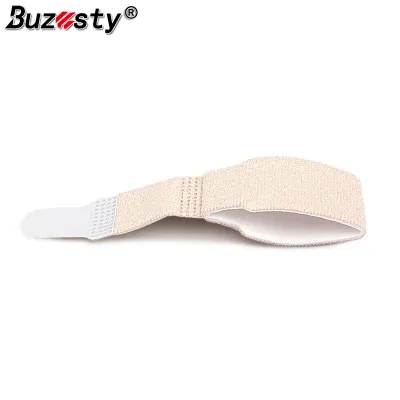
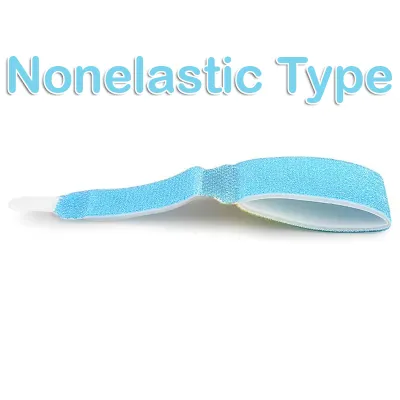
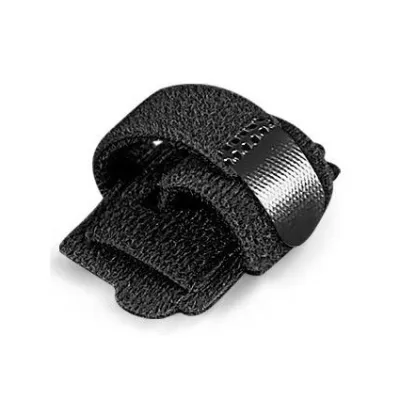
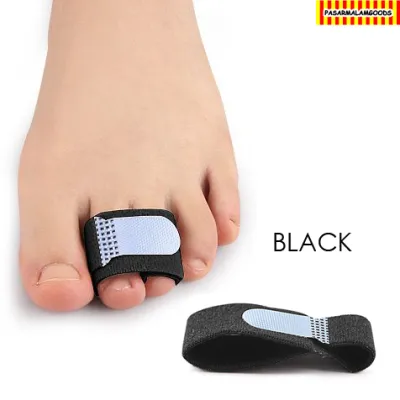
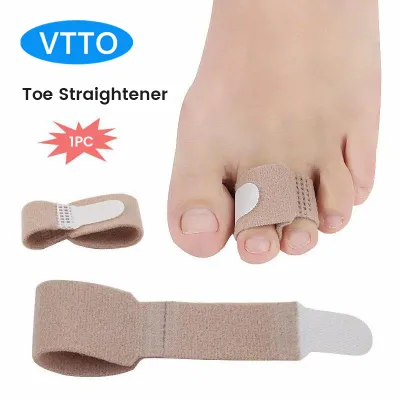
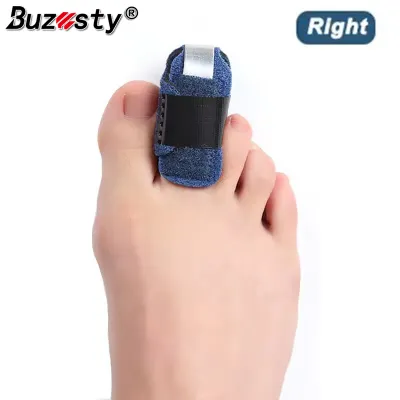
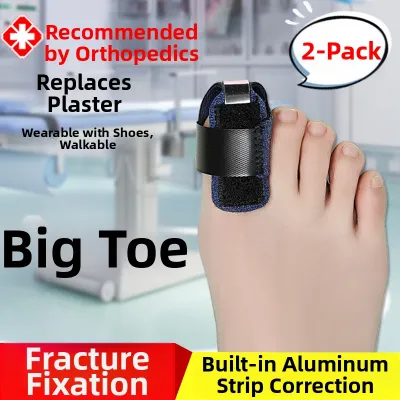
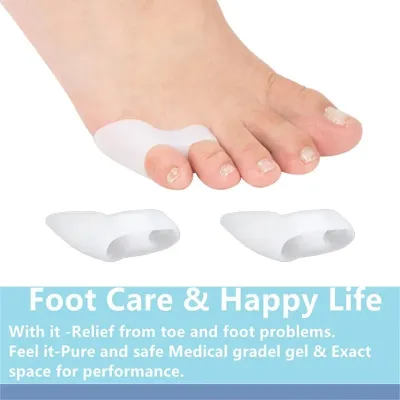
Prices are valid at publication and may change. Please refer to the product page for the latest price.
Hammertoes, claw toes, and mallet toes involve abnormal bends in the middle or end joints of the smaller toes, typically caused by muscle or tendon imbalances. These conditions cause the affected toe joints to protrude upward, making them rub against the top of your shoes, which often leads to painful corns and calluses. A hammertoe splint must focus on straightening the bent joint by applying downward pressure on the knuckle while supporting the toe from underneath. This dual-action mechanical support helps stretch tight tendons and keeps the toe flat.
Post-surgery recovery requires a completely different approach focused on protection, stabilization, and strict immobilization. Following procedures like a bunionectomy or tendon transfer, the surgical site is highly vulnerable to accidental impact, premature weight-bearing, and micro-movements that can disrupt bone healing. Recovery splints and post-operative footwear are engineered to eliminate joint movement entirely, shield the surgical incisions from external pressure, and maintain the precise alignment established by your surgeon.
While over-the-counter toe splints are highly effective for managing mild to moderate symptoms, they have clear limitations. If your toe joint is rigid and cannot be manually straightened, a non-prescription splint will not be able to force the joint into alignment and may cause severe skin irritation or joint pain. Recognizing when to transition from self-management to a professional medical evaluation is crucial for preventing long-term joint damage and ensuring you receive custom-molded orthotics when necessary.
Essential Features to Evaluate in a Toe Splint
Selecting a toe splint requires careful evaluation of its material composition, especially when living in a warm and humid climate like Singapore. High humidity levels accelerate sweat accumulation, which can lead to skin maceration, fungal infections, and severe chafing under tight-fitting straps. To maintain skin integrity during extended wear, prioritize splints made from highly breathable, moisture-wicking fabrics or perforated medical-grade neoprene.

For direct-to-skin contact, medical-grade silicone and hypoallergenic gel materials are excellent choices because they do not absorb moisture and are easy to sanitize. These materials conform smoothly to the contours of your toes, distributing pressure evenly without creating high-friction hot spots. If you have sensitive skin or diabetes, avoid splints with rough seams, exposed stitching, or low-quality synthetic dyes that can trigger allergic reactions or cause micro-abrasions on the skin surface.
Adjustability and fit are critical for accommodating the natural swelling that occurs in your feet throughout the day. Look for splints featuring high-quality hook-and-loop straps, adjustable tension bands, or integrated metal hinges that allow you to customize the level of corrective force. A splint that is too tight can restrict blood circulation and cause nerve compression, while a splint that is too loose will slide out of position and fail to provide any therapeutic alignment.
Footwear compatibility determines when and where you can wear your toe splint. Low-profile designs, such as thin fabric sleeves, gel toe spacers, and minimalist alignment straps, are engineered to fit discreetly inside standard athletic shoes or wide-toe-box casual footwear. Conversely, bulky hinged splints, rigid night braces, and thick foam wraps are strictly designed for resting, sleeping, or walking barefoot around the house, as forcing them into closed-toe shoes will compress your foot and worsen your symptoms.
Matching the Splint Design to Your Specific Condition
To build an effective selection framework, you must match the specific design of the splint to the anatomical requirements of your condition. Bunion management typically utilizes three primary designs: hinged daytime splints, rigid night splints, and simple gel toe spacers. Hinged splints feature a mechanical joint aligned with the big toe knuckle, allowing you to walk naturally while the device maintains lateral alignment. Rigid night splints completely immobilize the big toe in an exaggerated straight position during sleep, stretching tight soft tissues when the foot is non-weight-bearing. Gel toe spacers are small, passive inserts placed between the first and second toes to prevent overlapping and reduce lateral pressure during active daytime use.
Hammertoe correction relies on devices that actively pull or push the bent joints back into a flat position. Toe crest pads are teardrop-shaped cushions that sit underneath the toes, filling the empty space in the sulcus to relieve pressure on the toe tips while walking. Splints with adjustable dorsal straps loop over the top of the bent joint, pulling it downward toward a padded base plate to stretch the contracted tendons. Gel toe caps and sleeves do not provide active alignment but offer excellent protection by cushioning the protruding joint against friction from the shoe’s toe box.
Recovery and post-operative care demand specialized orthopedic devices that prioritize immobilization over flexibility. Post-operative shoes feature a completely rigid, flat sole that prevents the forefoot from flexing during walking, protecting surgical pins and bone grafts. Rigid surgical splints are often custom-molded or highly structured to lock the operated toe in a fixed position, preventing any lateral or vertical movement. Protective walking boots provide a high-level protective shell around the entire foot and lower leg, redistributing weight away from the forefoot to allow safe, early mobilization under medical supervision.
To help you determine the most suitable design for your daily routine, consider the following selection checklist:
- Active Daytime Use: Choose low-profile gel spacers, thin fabric alignment sleeves, or hinged daytime splints that fit inside wide-toe-box shoes.
- Nighttime Rest: Opt for rigid night splints or adjustable tension braces that provide continuous, static alignment while sleeping.
- Severe Deformity or Post-Surgery: Rely strictly on rigid post-operative shoes, surgical splints, or walking boots as prescribed by your surgeon.
- Friction and Blister Prevention: Select hypoallergenic gel caps, silicone sleeves, or soft toe crest pads to shield sensitive skin.
Purchasing Considerations and Safety Checks in Singapore
When purchasing a toe splint in Singapore, accurate sizing is paramount to ensure both safety and effectiveness. Before ordering from online marketplaces or visiting a local pharmacy, use a soft measuring tape to measure your foot circumference, arch length, and the width of your toes. Do not rely on your standard shoe size, as orthopedic supports use highly specific sizing charts that account for joint width and toe length rather than overall foot length.
Because toe splints are classified as personal hygiene and medical accessories, most local retailers and online platforms enforce strict no-return and no-exchange policies once the packaging has been opened. This makes it critical to double-check your measurements and read customer feedback regarding fit accuracy before making a purchase. If you fall between two sizes on a manufacturer’s sizing chart, it is generally safer to select the larger size to avoid excessive compression, provided the straps can be adjusted tightly enough to secure the device.
Safe usage requires constant monitoring of your foot health, especially during the first few days of wearing a new splint. Always perform a circulation check after securing the device: press firmly on your toenail until it turns white, and ensure that the natural pink color returns within two seconds of releasing pressure. Stop using the splint immediately if you experience warning signs such as persistent numbness, tingling, coldness in your toes, skin discoloration, blisters, or sharp, throbbing pain.
Finally, remember that over-the-counter orthopedic devices are supportive tools and cannot replace professional medical care. If you suffer from diabetic neuropathy, peripheral arterial disease, or active skin infections, you must consult a registered podiatrist or orthopedic specialist before using any toe splint. A professional evaluation ensures that your alignment strategy is safe, compatible with your overall health profile, and integrated into a comprehensive treatment plan.
Frequently Asked Questions (FAQ)
Can I wear a toe splint while walking or exercising?
Whether you can wear a toe splint during active movement depends entirely on its structural design and the manufacturer’s guidelines. Low-profile gel spacers, thin fabric alignment sleeves, and hinged daytime splints are specifically engineered to accommodate joint movement and fit inside athletic footwear, making them suitable for walking and light exercise. However, rigid night splints, thick foam wraps, and post-operative immobilization braces are strictly designed for non-weight-bearing rest or sleep. Attempting to walk or exercise in a static night splint can damage the device, alter your natural gait, and cause secondary injuries to your ankle, knee, or hip joints due to improper weight distribution.
How should I clean and maintain my toe splint?
Proper hygiene and regular maintenance are essential for extending the lifespan of your toe splint and preventing skin irritation or fungal infections. Most reusable fabric and neoprene splints should be hand-washed in cold water using a mild, fragrance-free soap to protect the elastic fibers and adhesive hook-and-loop straps. Avoid using harsh detergents, bleach, or fabric softeners, as these chemicals can degrade the materials and leave residues that irritate your skin. After washing, gently squeeze out excess water without wringing the device, and lay it flat to air dry in a well-ventilated indoor area away from direct sunlight and heat sources. For solid silicone or gel spacers, wash them daily with warm water and soap, then dust them lightly with cornstarch or talcum powder once dry to prevent stickiness.
How long does it take to see results from wearing a toe splint?
The timeline for experiencing results from a toe splint varies significantly depending on your primary goals and the severity of your condition. For symptom management, many users experience immediate relief from friction, pressure, and joint aching once the splint redistributes weight and prevents the toes from rubbing together. However, achieving visible structural alignment or slowing the progression of a deformity is a long-term process that requires consistent daily wear over several months, often in conjunction with foot-strengthening exercises and footwear modifications. It is important to note that severe, rigid bone deformities cannot be reversed or permanently corrected by over-the-counter splints alone, as these structural changes require professional orthopedic intervention or surgical correction.
Community discussion
Share your experience or ask a question. Comments are reviewed before publication.