
Finding the right balance between maintaining an active lifestyle and preserving precious floor space is a common challenge when living in a Housing & Development Board (HDB) flat. While having a home cardio setup offers unparalleled convenience, a bulky piece of fitness equipment can quickly overwhelm a living room or bedroom. Choosing the ideal treadmill for your flat requires a careful evaluation of physical dimensions, safety clearances, and storage features to ensure the machine fits your home as well as it fits your fitness goals.
To make a successful addition to your household, you must look beyond the basic running belt and focus on how the machine integrates into your daily living space. A treadmill that is too large can block pathways, create safety hazards, and disrupt the aesthetic of your home. By understanding how to measure your space, evaluate machine footprints, and identify key space-saving features, you can find a setup that supports your workouts without compromising your comfort.
Measure Your Available Space Before Buying
Before browsing online catalogs or visiting showrooms, you must establish the exact physical limits of your intended workout area. Grab a measuring tape and map out the precise length and width of the floor space in your living room, study, or bedroom. Do not rely on visual estimation, as fitness equipment often appears smaller in large retail showrooms than it does within the confines of a standard residential room.
Products mentioned in this guide
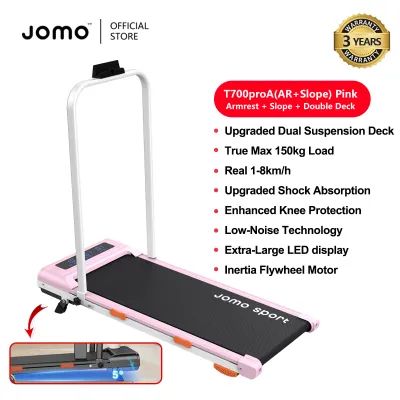
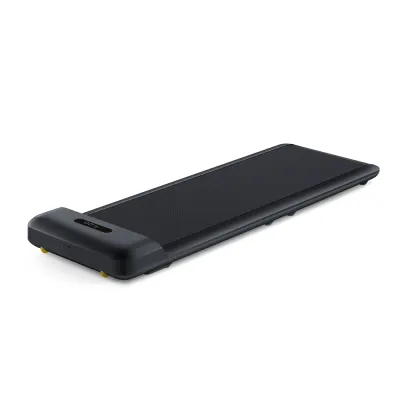
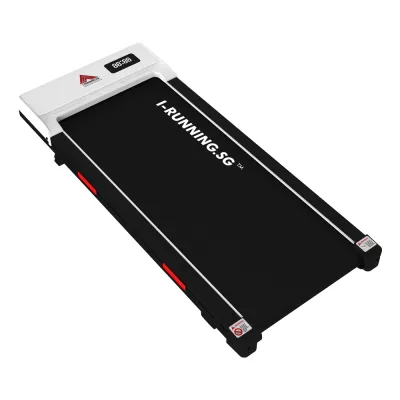
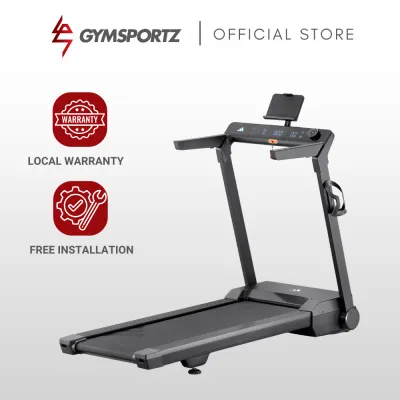
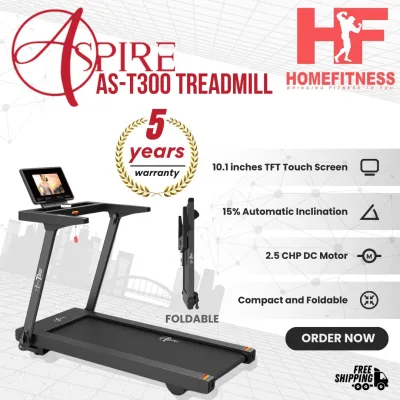
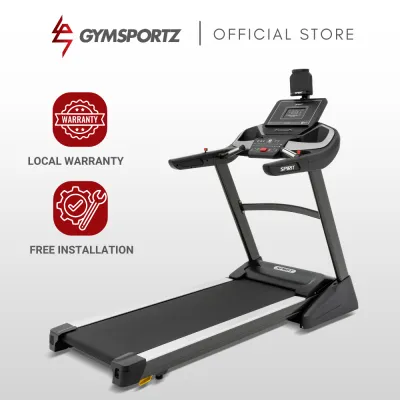
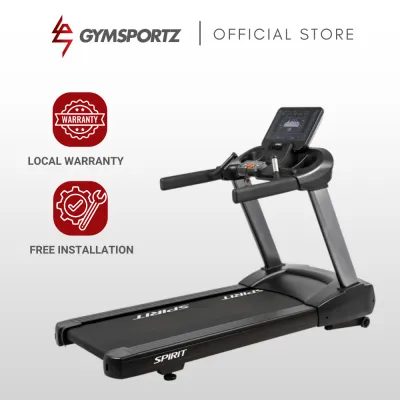
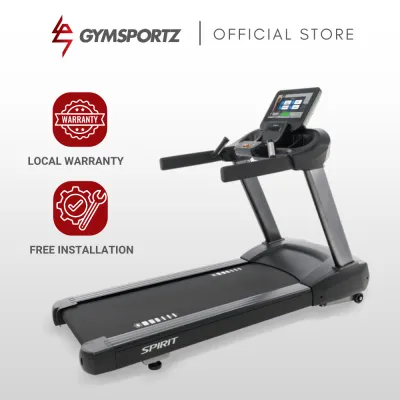
Prices are valid at publication and may change. Please refer to the product page for the latest price.
Safety clearances are the most critical, yet frequently overlooked, aspect of spatial planning. You must leave a generous, unobstructed safety zone directly behind the treadmill to prevent severe friction burns or entrapment injuries if you happen to slip or fall off the moving belt. Additionally, ensure there is sufficient clearance on both sides of the machine so you can safely mount and dismount without bumping into furniture or walls.
Ceiling height is another vital dimension to verify, particularly if you plan to use a machine with an incline feature. When you run at an incline, your body is elevated higher than on a flat surface. To calculate your required headroom, add your height, the treadmill’s deck height, and the maximum incline height, then compare this total to your ceiling height.
Finally, plan the delivery route from your front door to the final installation spot. Measure the width of your main entrance, hallway corridors, and bedroom doors to ensure the delivery team can safely transport the boxed unit into your home. Many heavy-duty models are shipped in large, rigid boxes that cannot navigate tight corners or narrow doorways without disassembly.
Understanding Treadmill Dimensions for HDB Layouts
Treadmills generally fall into three categories: compact, foldable, and standard. Compact models are designed specifically for tight spaces, offering a minimal footprint that fits easily into multi-purpose rooms, though they often feature shorter running decks. Standard residential models provide a robust, gym-like experience but require a permanent, dedicated floor area that can dominate a typical bedroom layout.

When evaluating the running belt, you must balance the machine’s physical footprint against your own stride length and body size. A belt that is too short or narrow can restrict your natural running motion, forcing you to shorten your stride. Taller runners or those planning high-speed workouts generally require a longer deck, whereas walkers can comfortably utilize a shorter, more space-efficient belt.
The physical weight of the machine is another crucial consideration, especially if you reside in an older block. Heavy-duty treadmills can weigh a significant amount, exerting substantial localized force on the floor during use. Check your building’s structural load-bearing guidelines and compare them with the manufacturer’s specified machine weight to ensure a safe installation.
Always review the manufacturer’s specifications for both the active footprint and the stored footprint before making a decision. Brands like Trademil and other specialized home-fitness manufacturers design units with distinct folding configurations that alter the machine’s dimensions when not in use. Ensure you understand how much space the machine occupies when fully extended for a workout versus when it is folded and tucked away.
Essential Space-Saving Features for Compact Homes
For homes where space is at a premium, specific design features can make the difference between a highly functional workout area and a cluttered living space. Folding mechanisms are the primary solution for space constraints, ranging from manual vertical folds to assisted hydraulic drop systems. A hydraulic system is particularly beneficial, as it controls the descent of the heavy deck safely and prevents sudden drops.
Transport wheels are another essential feature for any treadmill destined for a multi-purpose room. High-quality, multi-directional wheels allow you to roll the machine out of the way when guests visit or when you need to clean the floor underneath. Verify that the wheels are suitable for your flooring material, such as vinyl, laminate, or tiles, to prevent scratches or scuff marks during transit.
Look for machines with minimalist consoles or integrated device holders rather than bulky, oversized dashboards. Modern designs often replace massive plastic consoles with streamlined LED displays or tablet mounts, reducing the machine’s vertical profile. This minimalist aesthetic helps the equipment blend more naturally into a modern home interior.
If your primary fitness goal is low-intensity movement, such as hitting a daily step count while working, an under-desk walking pad may be a superior alternative to a traditional running machine. These ultra-slim units lack upright handrails and bulky consoles, allowing them to slide completely under a sofa or bed when not in use. However, keep in mind that these models are built strictly for walking speeds and are not designed to handle the impact of high-speed running.
Common Sizing and Placement Mistakes to Avoid
One of the most common mistakes is placing a treadmill directly against a wall or tucked tightly into a corner to save space. This placement restricts essential airflow around the motor housing, which can lead to overheating. It also makes routine maintenance, such as lubricating the running belt or adjusting tension bolts, incredibly difficult to perform.
Another frequent error is assuming that because a treadmill is advertised as “foldable,” it is automatically lightweight and easy to move. Many high-quality folding models still feature heavy steel frames and robust motors, making them difficult to maneuver even with transport wheels. Always check the actual unit weight in the specifications rather than relying on marketing terms.
Power outlet placement is another critical factor that is often overlooked until the machine is delivered. Treadmills require a stable, direct connection to a grounded wall outlet to operate safely and efficiently. Relying on extension cords or multi-way adapters to bridge a gap across a room poses a significant tripping hazard and can lead to electrical overloads or voltage drops that damage the treadmill’s sensitive electronics.
Lastly, avoid placing your equipment in areas exposed to direct sunlight or high humidity, such as an open balcony or right next to a damp bathroom. The tropical climate can accelerate the wear of rubber belts and cause moisture buildup within the electronic console. Choose a well-ventilated, dry indoor spot where the temperature remains relatively stable to prolong the lifespan of your investment.
Frequently Asked Questions (FAQ)
Will a treadmill cause noise or vibration issues for my downstairs HDB neighbors?
Yes, the impact of your feet striking the running deck can transmit significant vibration and low-frequency noise through the concrete floor structure to the flat below. To minimize this disruption, place a high-density, shock-absorbing rubber mat underneath the entire footprint of the machine. Additionally, position the treadmill away from shared structural walls and schedule your high-intensity running sessions during daytime hours when ambient noise levels are naturally higher.
Can I keep my treadmill permanently folded to save space?
While you can keep a treadmill folded when it is not in use, leaving it folded permanently for months without operation is not recommended. Regular unfolding and usage help keep the internal belt aligned and prevent the hydraulic joints or folding hinges from seizing up over time. Always ensure that the safety locking pin or latch is fully engaged whenever the machine is folded to prevent the heavy deck from accidentally dropping.
Are walking pads a better alternative to traditional treadmills for small HDB rooms?
Walking pads are excellent for light cardio, active recovery, and remote work setups due to their flat, ultra-compact profiles and easy storage. However, they generally lack the motor power, belt length, and shock absorption required for running, and they rarely offer incline options. If your primary goal is dedicated running training or high-intensity cardiovascular workouts, a traditional folding treadmill remains the more suitable choice.
Community discussion
Share your experience or ask a question. Comments are reviewed before publication.