
Selecting the right trigger finger band requires balancing your current symptom severity with the physical demands of your daily routine. Because a support that works perfectly for nighttime immobilization can hinder your ability to type or grip sports equipment during the day, finding the correct balance is essential. By matching the structural rigidity of the band to your specific stage of tendon irritation and selecting materials suited to your lifestyle, you can manage discomfort effectively while maintaining your daily productivity.
Assess Your Trigger Finger Severity and Symptoms
Identifying where your symptoms fall on the severity spectrum is the first step in choosing an appropriate finger support. Trigger finger, or stenosing tenosynovitis, typically progresses through distinct stages. If you only experience mild symptoms, such as slight morning stiffness or an occasional clicking sensation when bending your finger, your primary goal is to prevent the tendon from catching during its most vulnerable periods. For these early signs, a lightweight, flexible band or a simple nighttime splint is often sufficient to keep the joint resting in a neutral position.
As the condition progresses to a moderate stage, you may notice more frequent catching, popping, or locking of the finger joint during daily tasks. At this point, the finger might require manual straightening using your other hand, indicating significant tendon sheath inflammation. Moderate symptoms generally require a more structured approach, combining a rigid nighttime splint to prevent involuntary bending with a low-profile, semi-flexible daytime band that limits extreme flexion while allowing you to perform essential tasks.
Products mentioned in this guide
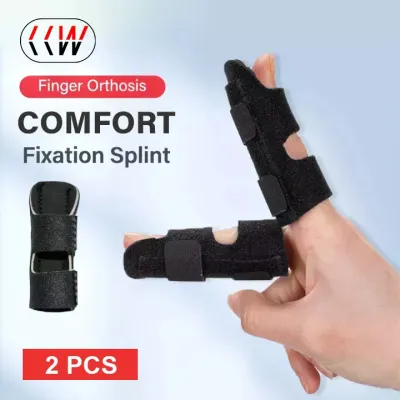
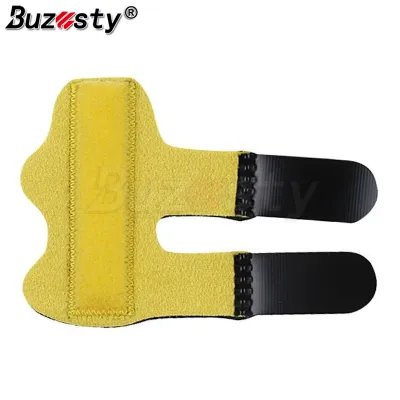
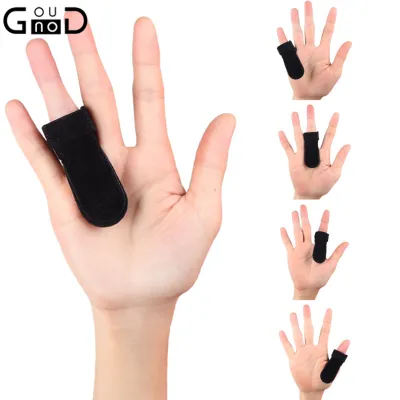
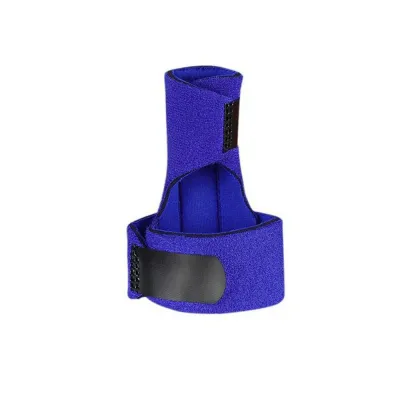
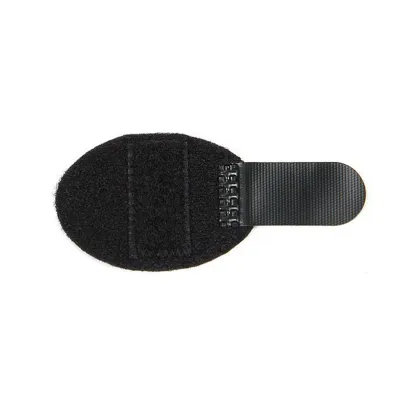
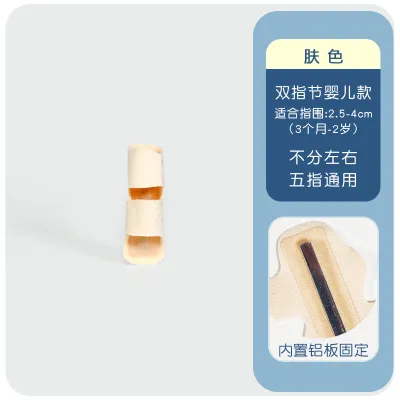
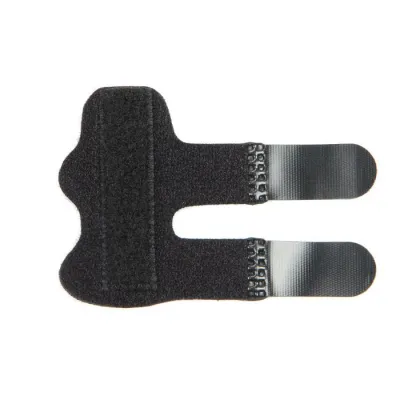
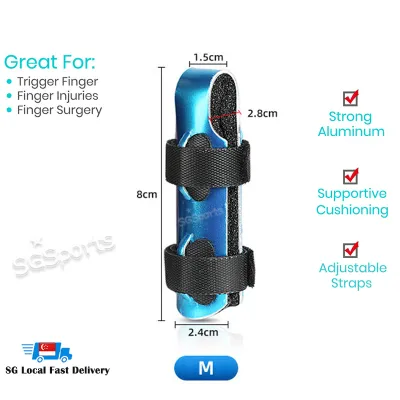
Prices are valid at publication and may change. Please refer to the product page for the latest price.
In severe cases, the affected finger may become locked in a bent position, making it impossible to straighten even with manual assistance. If you reach this stage, self-treatment with over-the-counter bands is no longer appropriate as a primary solution. Attempting to force a locked finger into a rigid splint without medical supervision can exacerbate tendon damage and worsen joint inflammation.
It is crucial to recognize when to stop self-selection and seek immediate professional care. If you experience severe, sharp pain, a complete inability to move the finger, or if the joint exhibits noticeable redness, swelling, and localized heat, consult a doctor, orthopedic specialist, or physical therapist. These symptoms can indicate acute inflammation or an infection that requires clinical intervention rather than simple mechanical support.
By accurately assessing your daily symptoms, you can establish a targeted wearing schedule. Mild cases often benefit most from wearing a band exclusively at night to combat the natural tendency to clench your fists while sleeping. Moderate cases, however, typically require a dual strategy: rigid support during rest periods and flexible, protective wrapping during high-use daytime hours to prevent repetitive strain.
Match the Band Type to Your Daily Activities
Your daily routine dictates the physical demands placed on your hands, making it essential to match your trigger finger band to your specific activities. A splint designed for sleeping will rarely perform well at an office desk, and a flexible sports wrap will not provide the immobilization needed for deep nighttime recovery. Evaluating your primary environments and tasks ensures you select a design that supports healing without causing unnecessary frustration.

For nighttime rest and sleep, the primary objective is to prevent the finger from curling into a tight fist, which naturally occurs during deep sleep cycles and leads to painful morning locking. Look for bands equipped with rigid or semi-rigid metal or plastic splints that run along the palm side of the finger. These inserts keep the affected joint in a straight, extended position, allowing the inflamed tendon to rest and recover without being subjected to constant tension throughout the night.
When transitioning to office work and light daily tasks, your priority shifts to maintaining dexterity and comfort. Typing on a keyboard, writing, and handling small objects require a low-profile, highly flexible design. Look for compact finger sleeves or bands with removable or adjustable splints that restrict excessive bending at the specific joint while leaving your fingertip free to touch screens and keys. Breathable fabrics are particularly important here to prevent moisture buildup during long hours of wear.
For those engaging in sports, gym workouts, or outdoor physical activities, the support must withstand movement, friction, and moisture. Active use demands bands constructed with sweat-wicking materials and integrated anti-slip silicone grips on the interior lining to prevent the support from sliding off during vigorous motion. Adjustable hook-and-loop straps are vital in this setting, allowing you to tighten the support securely before an activity and loosen it afterward to accommodate natural post-exercise swelling.
Before purchasing any support, carefully check the product label and manufacturer specifications for the intended use scenarios. Some bands are explicitly labeled for nighttime immobilization only, while others are marketed as versatile, multi-activity wraps. Ensuring the product’s design aligns with your primary environment prevents premature wear of the band and ensures your finger receives the correct level of stabilization.
Additionally, consider the ease of application and removal if your daily activities require frequent handwashing. If you work in food service, healthcare, or any field requiring constant sanitization, a quick-release hook-and-loop system is far more practical than a complex, multi-strap brace. Choosing a band that fits seamlessly into your daily workflow increases your likelihood of consistent use, which is key to managing tendon irritation.
Measure and Fit for Proper Finger Support
A trigger finger band can only function effectively if it fits your hand anatomy precisely. An improperly sized support can either fail to restrict harmful movement or, worse, restrict blood circulation and compress local nerves. To avoid these issues, begin by taking accurate measurements of your target finger using a soft measuring tape or a piece of string matched against a standard ruler.
Most manufacturers require two primary measurements: the circumference of the finger at the base or the knuckle joint, and the total length of the finger from the palm crease to the tip. Compare these dimensions carefully against the specific sizing chart provided by the brand, as sizing standards can vary significantly between different manufacturers. Do not rely on generic sizes like “medium” or “large” without verifying the actual millimeter or inch measurements.
When trying on the band for the first time, perform a systematic fit check to ensure safety and comfort. The band should feel snug and secure, providing noticeable resistance to bending, but it must never feel tight or constricting. Observe your fingertip closely during the first few minutes of wear; it should maintain its natural color and temperature. If the fingertip turns purple, pale, feels numb, or becomes unusually cold, the band is too tight and must be loosened or resized immediately.
Another critical factor to verify is the adjustment range of the straps. Fingers naturally swell and shrink throughout the day due to changes in temperature, physical activity, and hydration levels. A high-quality band should feature adjustable hook-and-loop fasteners that allow you to fine-tune the tension to accommodate these minor fluctuations without needing to swap to a completely different size.
Pay close attention to how your skin reacts after wearing the support for an hour or two. If you notice deep, painful skin indentations, persistent tingling, or an increase in your original trigger finger symptoms, the fit is incorrect. Adjust the straps to a looser setting or transition to a larger size immediately to prevent secondary nerve irritation or skin breakdown.
Remember that a proper fit should distribute pressure evenly along the finger shaft rather than concentrating force on a single point. If the metal splint inside the band presses directly against a sensitive joint or a bony prominence, look for designs with extra padding or adjustable splint inserts that can be slightly contoured to match the natural shape of your hand.
Evaluate Material, Breathability, and Skin Sensitivity
The materials used in your trigger finger band directly impact how long you can comfortably wear it, especially when managing a humid climate like Singapore’s. High humidity and warm temperatures accelerate perspiration, which can quickly lead to heat buildup, skin irritation, and a breakdown of the skin barrier known as maceration. To prevent these issues, prioritize lightweight, highly breathable fabrics such as open-weave mesh, perforated neoprene, or advanced moisture-wicking synthetic blends.
Perforated neoprene is particularly useful because it provides the structural elasticity and warmth needed to soothe stiff joints while allowing trapped heat and sweat to escape through tiny ventilation holes. If you choose a solid neoprene band without ventilation, you risk trapping moisture against your skin, which can cause itching and fungal infections over extended wear periods. Mesh panels, on the other hand, offer maximum airflow and are ideal for daytime use during outdoor activities or commutes.
For individuals with sensitive skin or pre-existing dermatological conditions, material selection requires extra caution. Look for bands that explicitly state they feature latex-free construction and hypoallergenic inner linings. Rough seams and exposed hook-and-loop edges can easily abrade delicate skin, so seek out designs with flat-lock stitching, soft brushed cotton linings, or seamless edges that minimize friction against the finger.
Hygiene is another critical consideration for any wearable support that comes into daily contact with sweat, skin oils, and environmental dirt. Before purchasing, review the care instructions on the product label to ensure the band fits your maintenance routine. Opt for materials that are hand-washable with mild soap and quick-drying, allowing you to wash the band in the evening and have it completely dry and ready for use by the next morning.
Avoid using harsh detergents, bleach, or fabric softeners when cleaning your band, as these chemicals can degrade elastic fibers, weaken hook-and-loop fasteners, and leave residues that irritate your skin. Regularly washing your support not only extends its lifespan but also prevents the buildup of odor-causing bacteria, ensuring a clean and comfortable recovery environment for your hand.
When to Stop Using the Band and Seek Professional Help
While a trigger finger band is an excellent auxiliary tool for managing mild to moderate discomfort, it is important to remember its limitations. A support band is designed to assist in symptom management and joint stabilization; it cannot cure the underlying structural changes, such as tendon nodule formation or pulley thickening, that cause trigger finger. Relying solely on a band while ignoring worsening symptoms can delay necessary medical treatments, such as targeted physical therapy, localized corticosteroid injections, or surgical release.
To protect your hand health, you must remain vigilant for specific warning signs that indicate it is time to stop using the band. If you experience increased pain after putting on the support, or if you develop new numbness or tingling in any part of your hand, remove the band immediately. These sensations often indicate that the band is compressing a digital nerve or restricting arterial blood flow, which can lead to long-term tissue damage if left unaddressed.
Other clear stop signals include worsening joint swelling, localized redness that spreads, or the development of skin blisters, chafing, and open abrasions under the band. Skin breakdown creates an entry point for bacteria, which can lead to serious infections in the delicate tissues of the hand. If you observe any of these physical changes, discontinue use and allow the skin to heal completely before considering any form of external support.
If you have been using a properly fitted band consistently for several weeks and notice no improvement in your symptoms, or if the frequency of joint locking actually increases, do not continue self-treatment. This lack of progress suggests that the inflammation has progressed beyond what simple mechanical restriction can manage.
In such cases, schedule a consultation with an orthopedic specialist, hand surgeon, or certified hand therapist. These professionals can perform a comprehensive physical examination, conduct imaging if necessary, and design a customized treatment plan. This plan may combine custom-molded orthoses, specific tendon-gliding exercises, and medical interventions tailored to your unique anatomical needs, ensuring a safe and effective path to recovery.
Frequently Asked Questions (FAQ)
Can I wear a trigger finger band while sleeping?
Yes, wearing a trigger finger band while sleeping is highly recommended and is often the primary method used to prevent morning stiffness. During sleep, many people unconsciously clench their fists, which keeps the inflamed tendon under tension and leads to painful locking when waking up. A nighttime splint keeps the finger in a neutral, extended position, allowing the tendon sheath to rest and recover. Ensure the band is snug enough to stay in place but not so tight that it restricts circulation or causes numbness during the night.
How long should I wear the band each day?
The daily wearing duration depends on your symptom severity and should align with your doctor’s or therapist’s recommendations. Generally, nighttime wear is continuous throughout your sleep cycle, while daytime wear is intermittent, focused primarily during activities that trigger your symptoms. Avoid wearing a rigid splint continuously for 24 hours a day without professional guidance, as prolonged, complete immobilization can lead to joint stiffness, muscle weakness, and a reduced range of motion in your hand.
Will a trigger finger band cure my condition?
No, a trigger finger band will not cure the underlying cause of the condition, which typically involves a thickened tendon or a narrowed pulley sheath. The band is an auxiliary tool designed to relieve symptoms, prevent painful locking, and reduce ongoing inflammation by restricting irritating movements. While it provides the rest needed for mild cases to resolve, moderate to severe cases often require medical treatments such as physical therapy, corticosteroid injections, or minor surgical procedures to achieve a full cure.
Community discussion
Share your experience or ask a question. Comments are reviewed before publication.