
Selecting the right trigger finger guard is a balancing act between stabilizing the affected joint and maintaining the mobility needed for your daily routine. Trigger finger, or stenosing tenosynovitis, occurs when the tendon that flexes your finger becomes inflamed and struggles to glide smoothly through its protective sheath. When this happens, the finger can catch, click, or lock in a bent position, causing discomfort and disrupting your day. A well-chosen guard provides the external support necessary to limit aggravating movements, allowing the tendon to rest and recover. Because everyone’s symptoms and daily physical demands differ, finding the correct balance between rigid immobilization and flexible support is essential for effective long-term management.
To make an informed purchase from online marketplaces or medical supply retailers, you must evaluate your specific symptom stage, daily physical tasks, and the structural features of different guards. This guide outlines the essential assessment criteria, design differences, fitting standards, and safety protocols to help you select the most suitable option for your lifestyle.
Assessing Your Trigger Finger Severity and Daily Needs
Determining the appropriate level of support begins with a clear assessment of your observable symptoms. Trigger finger typically progresses through distinct stages, and identifying where your condition falls on this spectrum is crucial for choosing the right guard. In the mildest stage, you may experience morning stiffness, localized tenderness at the base of the finger, or a slight clicking sensation that does not prevent movement. At this point, minimal restriction is often sufficient to prevent the condition from worsening.
Products mentioned in this guide
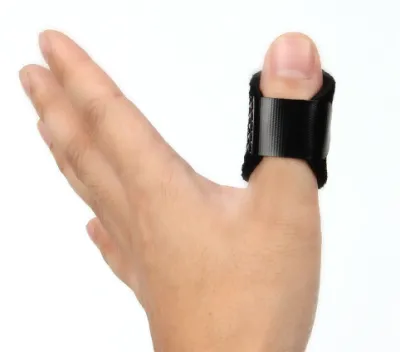
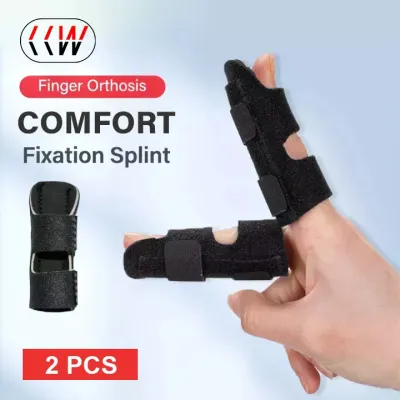
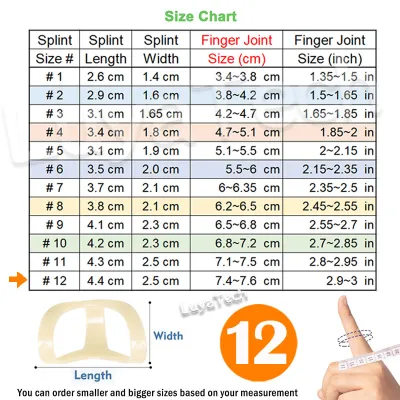
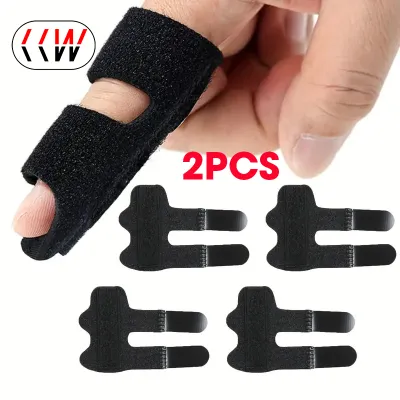
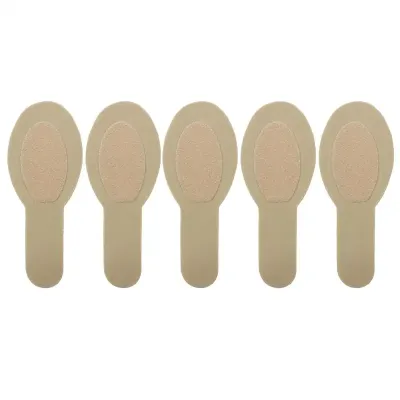
![[SG 🚚] Trigger Thumb Splints Finger Splint For Broken/Straightening/Arthritis Breathable Thumb Brace](https://img.lazcdn.com/g/p/7eddb5578e262cd85391a1a5f72bf6f9.jpg_400x400q80.jpg_.webp)
Prices are valid at publication and may change. Please refer to the product page for the latest price.
As the inflammation increases, the symptoms transition to a moderate stage characterized by noticeable catching or popping. During this phase, the finger may momentarily stick in a bent position before snapping straight, or you may need to actively use your other hand to help extend it. If the condition progresses to the severe stage, the finger becomes locked in a flexed position, making it highly painful or impossible to straighten. Severe locking requires maximum immobilization to prevent further tendon irritation and joint strain.
Alongside symptom severity, your daily routine plays a major role in determining the type of guard you need. Daily activities can be categorized by their physical demands on your hands. High-grip manual work, such as carrying heavy grocery bags, performing home repairs, or engaging in racket sports like badminton, places significant mechanical stress on the flexor tendons. These activities require robust protection to prevent sudden locking under load, though you must balance this with the grip strength required for safety.
Fine motor activities, such as typing on a keyboard, writing, or crafting, present a different set of challenges. These tasks require high repetition but lower force, meaning a highly rigid guard might hinder your productivity and cause compensatory strain in adjacent fingers. For individuals whose routines consist primarily of low-impact, sedentary tasks, the focus shifts toward comfortable, low-profile support that prevents accidental bending without unnecessarily restricting overall hand function.
While over-the-counter guards are highly effective for managing symptoms, it is vital to recognize the boundary between self-care and professional medical evaluation. If you experience persistent numbness, severe swelling, skin discoloration, or if your finger remains locked and cannot be straightened even with gentle assistance, you should consult a healthcare professional immediately. A guard is a supportive tool designed to assist recovery, but it cannot replace a comprehensive medical diagnosis or prescribed clinical treatments.
Rigid vs. Flexible Guards: Matching Support to Your Routine
When browsing online marketplaces, you will generally encounter two primary categories of trigger finger guards: rigid splints and flexible sleeves. Rigid splints utilize built-in stays made of aluminum, hard plastic, or composite materials to completely block joint movement. By keeping the affected joint in an extended position, these splints prevent the tendon from bunching up and catching on the pulley sheath. This strict immobilization is highly beneficial during the night, as it prevents the natural tendency to curl the fingers into a fist while sleeping.

Rigid designs are also highly recommended during acute flare-ups or when dealing with severe locking phases. By preventing any flexion, they give the inflamed tendon a dedicated period of rest, reducing the friction that perpetuates the swelling cycle. However, the primary trade-off of a rigid splint is the complete loss of functional mobility in the splinted finger. This makes them impractical for tasks that require two-handed dexterity or a secure grip, meaning they are best reserved for rest periods or specific high-risk activities.
In contrast, flexible compression sleeves and adjustable strap designs offer a more dynamic approach to symptom management. Typically constructed from elastic fabrics, neoprene, or silicone, these guards do not contain rigid stays. Instead, they provide gentle compression, localized warmth, and a physical boundary that discourages extreme bending. The compression helps manage localized swelling, while the warmth can improve tissue elasticity and reduce the sensation of stiffness during movement.
Flexible guards are ideal for daytime wear, mild stiffness, and tasks that require partial finger articulation. They allow you to continue typing, writing, or handling light objects while still offering a layer of protection against sudden, painful snapping. The trade-off here is that flexible sleeves do not prevent locking if your symptoms are severe. If your finger is prone to hard catching, a flexible sleeve may not offer enough resistance to keep the tendon from trapping, making it less effective during acute phases.
Ultimately, the choice between rigid and flexible designs is dictated by your daily schedule and symptom patterns. Many individuals find that a combination of both styles yields the best results. For example, you might wear a rigid aluminum splint at night to ensure you wake up without morning stiffness, and then switch to a flexible compression sleeve during the day to maintain productivity at work. Understanding these design trade-offs allows you to tailor your support strategy to the changing demands of your day.
Key Features to Check Before Buying
Before purchasing a trigger finger guard, it is important to evaluate several structural and material features to ensure the product is practical for your environment. One of the most critical factors is fabric breathability, especially if you live in a warm, humid climate like Singapore. Wearing a non-breathable guard for extended periods can trap sweat against the skin, leading to skin maceration, irritation, or fungal infections. Look for guards made from perforated neoprene, moisture-wicking nylon blends, or lightweight mesh that allows air to circulate freely.
Another essential feature to verify is the adjustability of the strap mechanisms. Your finger volume naturally fluctuates throughout the day due to temperature changes, physical activity, and fluid retention. A guard with fixed dimensions or non-adjustable bands may become uncomfortably tight or slip off when swelling subsides. High-quality guards feature hook-and-loop fasteners or adjustable straps that allow you to fine-tune the tension as needed, ensuring a secure fit from morning to night.
The placement of the splinting element—whether it is positioned on the palmar side or the dorsal side of the finger—also significantly impacts comfort and utility. Palmar splints place the rigid stay along the inside of the finger, directly over the tender A1 pulley area at the base of the digit. While this provides excellent immobilization, the direct pressure on the sensitive palm can sometimes cause discomfort during gripping tasks. Dorsal splints, which place the stay along the back of the finger, keep the palm free and are often preferred by individuals who need to hold tools or steering wheels.
Finally, always review the product labels and manufacturer specifications carefully rather than relying on generalized marketing claims. Check the exact material composition to ensure you do not have any sensitivities, particularly to latex or specific synthetic rubbers. Verify whether the guard is designed for a specific finger (such as the index, middle, or ring finger) or if it features a universal design that can be worn on any digit. Paying attention to these technical details ensures you select a durable, functional product that aligns with your physical needs.
Sizing, Fit, and Comfort for All-Day Wear
Achieving the correct fit is paramount to ensuring both the effectiveness of the guard and the safety of your hand. Before ordering a guard online, you must measure your finger accurately rather than guessing your size. Use a soft measuring tape or a piece of string to measure the circumference of the affected finger joint, as well as the overall length from the base of the finger to the tip. Compare these measurements directly against the manufacturer’s specific sizing chart, as sizing standards can vary significantly between different brands.
When fitting the guard, you must carefully check for signs of constriction at both the proximal (base) and distal (tip) joints. The guard should sit snugly against the skin to prevent slipping, but it must never impede blood flow to the fingertip or restrict the movement of adjacent, healthy fingers. If the guard is too tight, it can compress the digital nerves and blood vessels running along the sides of the finger, leading to complications that can worsen your overall hand comfort.
There are several clear indicators of an improper fit that require immediate attention. If you experience numbness, tingling, a pins-and-needles sensation, or if your fingertip feels unusually cold or changes color, the guard is too tight. These symptoms indicate compromised circulation or nerve compression. If you observe these signs, loosen the straps immediately or remove the guard entirely to allow normal blood flow to return before attempting to resize or adjust the device.
To prevent localized pressure points, adjust the tension straps so that the pressure is distributed evenly across the length of the guard. Avoid pulling the straps as tight as possible; instead, aim for a level of tension that restricts unwanted movement while remaining comfortable for extended wear. If the guard features a rigid metal stay, ensure that the padding between the metal and your skin is sufficient to prevent chafing or bruising, particularly over bony prominences.
Safe Usage, Maintenance, and When to Stop
Using a trigger finger guard safely requires adhering to a structured wearing schedule. It is generally not recommended to wear a rigid splint continuously throughout the day and night unless specifically instructed by a healthcare professional. Prolonged, uninterrupted immobilization can lead to joint stiffness, muscle weakness, and tendon adhesion, which can ultimately prolong your recovery time. Use the guard strategically during times of high risk, such as during sleep or when performing tasks that consistently trigger your symptoms.
Proper maintenance of your guard is essential for maintaining hygiene and preserving the structural integrity of the materials. Because the guard is worn directly against the skin, it will accumulate sweat, oils, and dead skin cells over time. Refer to the manufacturer’s cleaning instructions, which typically recommend hand washing the fabric components in cold water with a mild, non-biological detergent. If your guard features a removable metal stay, always slide it out before washing to prevent the metal from rusting or degrading the surrounding fabric.
Allow the guard to air dry completely in a well-ventilated area away from direct heat sources before wearing it again. Putting on a damp guard can trap moisture against your skin, increasing the risk of irritation and bacterial growth. Avoid using fabric softeners or bleach, as these chemicals can break down the elastic fibers and hook-and-loop fasteners, reducing the lifespan and effectiveness of the straps.
Finally, you must be aware of the red flags that indicate you should stop using the guard and seek professional medical advice. If you notice increased pain, skin breakdown, blisters, or persistent redness that does not fade within fifteen minutes of removing the guard, discontinue use immediately. Furthermore, if your symptoms continue to worsen or if your finger becomes permanently locked despite consistent use of the guard, consult a qualified healthcare professional to discuss advanced treatment options.
Frequently Asked Questions (FAQ)
Can I wear a trigger finger guard while sleeping?
Yes, wearing a trigger finger guard while sleeping is highly common and often recommended. During sleep, many people unconsciously curl their fingers into a tight fist, which can cause the inflamed tendon to catch and lock in a bent position overnight. This leads to significant pain and stiffness upon waking. A rigid splint designed for nighttime use keeps the finger in a straight, relaxed position, allowing the tendon to rest undisturbed. When choosing a guard for sleep, prioritize models with secure, adjustable fasteners that will not slip off during the night, and ensure the materials are highly breathable to prevent sweat buildup.
How tight should the finger guard be?
A finger guard should be adjusted to a snug, supportive fit that restricts unwanted joint movement without causing discomfort or restricting blood flow. It should feel like a firm, even wrap around the finger. If you experience throbbing, coldness in the fingertip, a pale or bluish skin color, or a pins-and-needles sensation, the guard is too tight and must be loosened immediately. Because finger swelling can change throughout the day due to temperature, humidity, or activity levels, you should check the fit periodically and adjust the tension straps to maintain a safe and comfortable balance.
Will a finger guard cure trigger finger?
No, a finger guard is not a cure for trigger finger, but rather a supportive management tool. It is designed to restrict the specific movements that cause pain and mechanical catching, thereby giving the inflamed tendon and its protective sheath a chance to rest and recover. While this rest can significantly reduce swelling and alleviate symptoms, it does not address the underlying anatomical causes of the condition, such as severe tendon nodule formation or structural changes in the pulley. If your symptoms persist, interfere with your daily life, or do not improve after several weeks of consistent use, you should consult a healthcare professional for a comprehensive treatment plan.
Community discussion
Share your experience or ask a question. Comments are reviewed before publication.