
Choosing the right trigger point ball depends on matching the tool’s firmness, size, and shape to your specific muscle density and pain tolerance. A well-chosen ball allows you to apply targeted pressure to release deep muscle tension, while the wrong choice can lead to bruising or ineffective recovery. By evaluating structural designs and material properties, you can find a tool that safely supports your active lifestyle.
Quick Selection Guide: Which Trigger Point Ball Fits Your Needs?
To find the right tool, start by assessing your primary recovery goals and how much pressure your body can comfortably handle. Different designs serve distinct tissue depths and anatomical structures.
- Solid, firm rubber or silicone balls: Best for deep, localized pressure. If you need to target dense muscle groups like the glutes or hamstrings and plan to use your full body weight for leverage, a solid ball provides the necessary resistance without flattening.
- Softer, hollow-core, or air-filled balls: Ideal for beginners or those with high pain sensitivity. These tools yield slightly under pressure, making them excellent for gentler myofascial release or for packing into lightweight travel gear.
- Peanut-shaped (double) balls: Specifically designed to cradle the spine, neck, or Achilles tendon. The central dip allows you to roll along bilateral muscle groups while safely avoiding direct pressure on sensitive bony protrusions.
- Vibrating balls: Best for combining physical pressure with rapid pulses. This combination helps mask discomfort and stimulates blood flow, though you must verify the battery capacity and motor settings before purchasing.
Comparing Trigger Point Ball Types and Structures
The structural design of a trigger point ball determines how pressure is distributed across your muscle fibers and how the tool interacts with your skin. Understanding these differences helps you select a tool that matches your specific recovery style.
Products mentioned in this guide
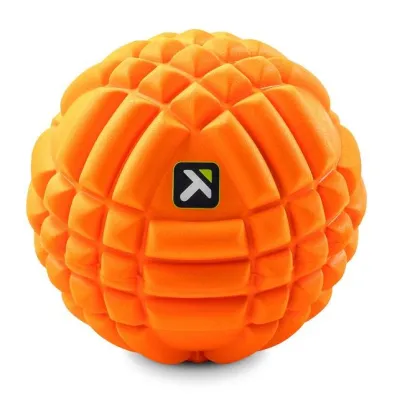
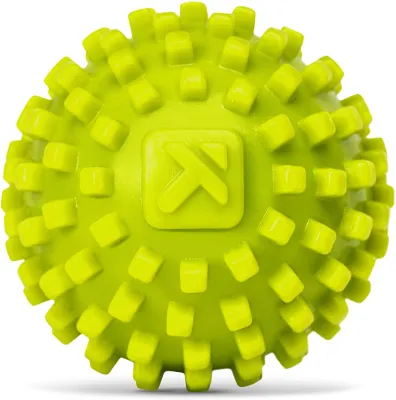
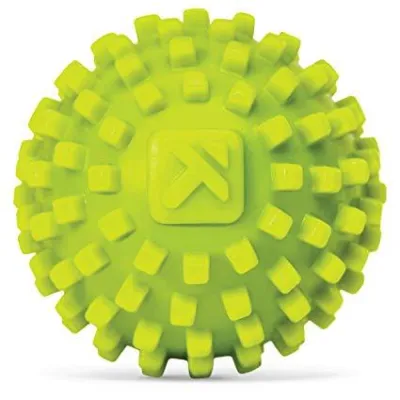
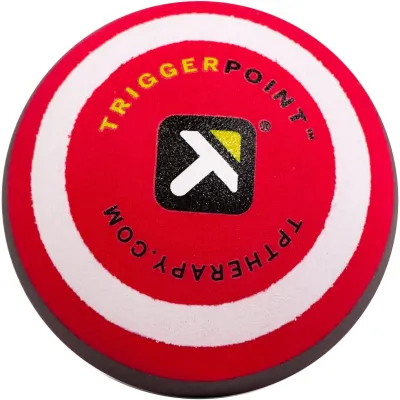
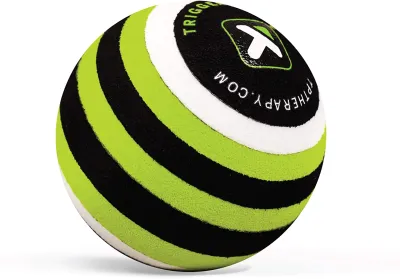
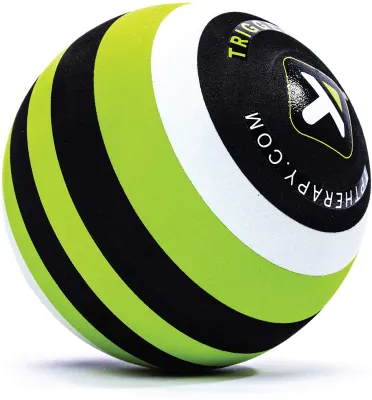
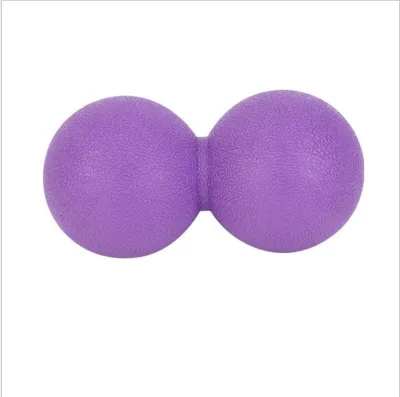
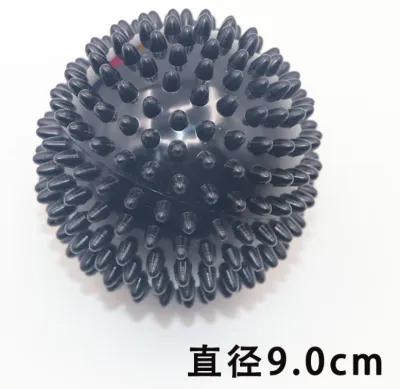
Prices are valid at publication and may change. Please refer to the product page for the latest price.

Solid rubber and silicone models are the gold standard for durability and deep tissue penetration. Because they do not deform under heavy loads, they deliver concentrated, uncompromising pressure to deep-seated knots. This makes them highly effective for athletes who require intense, targeted release after heavy training sessions.
Hollow or air-filled models offer a more forgiving surface. Some air-filled models allow you to adjust the internal pressure with a standard pump, letting you customize the firmness as your muscles adapt over time. These are excellent for daily maintenance and lighter recovery sessions.
Textured versus smooth surfaces alter how the ball interacts with your skin and clothing. Smooth balls glide easily over clothing and provide uniform pressure across the muscle. Textured surfaces, featuring ridges, bumps, or spikes, grip the skin or fabric to stretch the outer fascial layers and isolate specific adhesions.
Vibrating models introduce localized vibration to help relax tight muscles more quickly. When evaluating these, check the manufacturer’s specifications for motor noise, battery runtime, and water-resistance ratings to ensure they fit your post-workout routine.
Key Dimensions to Match Your Recovery Intensity
Selecting a recovery tool requires looking past aesthetic designs to evaluate physical specifications. Matching these dimensions to your body type ensures both comfort and effectiveness.
Firmness and density are critical to your recovery experience. Manufacturers often label products as “medium,” “firm,” or “extra firm,” but these descriptions are highly subjective. If available, check the durometer rating of the material; a higher rating indicates a harder, less yielding surface.
The diameter of the ball dictates the concentration of force. Smaller balls (around 5 to 7 centimeters) focus pressure on deep, narrow trigger points, whereas larger balls (10 centimeters or more) distribute force across broader muscle groups. Choosing the right size prevents unnecessary pain and ensures the tool reaches the target tissue.
Material composition is another vital factor to consider. Look closely at product labels to verify what the ball is made of, especially if you have sensitive skin. Choosing hypoallergenic, latex-free, or non-toxic materials helps prevent skin irritation during direct contact.
Weight and portability affect how often you will actually use the tool. If you frequently commute or head to local running tracks, a heavy solid rubber ball can add unwanted weight to your gear. Lightweight silicone or hollow-core options are much easier to carry in a compact gym bag.
Matching the Right Tool to Specific Muscle Tension Areas
Different parts of the body require distinct approaches to self-myofascial release. Using the wrong size or firmness on delicate areas can lead to nerve irritation or joint strain.
The cervical spine is highly sensitive and surrounded by delicate nerves and blood vessels. A peanut-shaped ball or a smaller, softer silicone ball is ideal here, as it cradles the neck muscles without pressing directly on the vertebrae. Leaning against a wall while using the ball allows you to control the pressure precisely.
The glutes, hips, and IT band consist of thick, dense muscle layers and tough connective tissue. To penetrate these deep layers, you generally need a larger, firmer ball that can withstand heavy bodyweight leverage without slipping. Placing the ball under your hip while seated on the floor is a common way to target these areas.
The soles of the feet respond exceptionally well to sensory stimulation. A small, highly textured ball helps stretch the tight plantar fascia while providing localized pressure to the arch and heel. You can easily use this tool while sitting at a desk or standing up to increase the pressure.
The calves and forearms have less natural tissue padding, making them prone to bruising. A medium-firm, smooth ball allows you to roll out tension along the muscle bellies while minimizing the risk of compressing superficial nerves.
Evaluating Brands and Building Your Shortlist
When comparing different brands on local online marketplaces, look beyond marketing claims to evaluate practical ownership factors. A structured comparison helps you find a reliable tool that fits your budget.
Check the manufacturer’s specifications to ensure the ball is rated for your body weight. High-quality materials should resist permanent deformation even after repeated, heavy use. Look for brands that provide clear details about their manufacturing processes and material safety.
Verify the warranty terms and return policies available for buyers in Singapore. Having access to responsive customer support ensures you can easily resolve issues if a product arrives damaged or fails prematurely. This is especially important for electronic or vibrating models.
Compare what is included in the purchase price, such as carrying pouches, exercise guides, or mobile app access. A higher price tag does not automatically guarantee better muscle release, so focus on material quality and functional design.
Search user reviews for mentions of long-term shape retention, surface degradation, and odor absorption. In Singapore’s humid climate, choosing moisture-resistant materials like closed-cell foam or silicone prevents mold growth and keeps your gear hygienic.
Safe Usage Guidelines and When to Stop
Self-myofascial release is an active recovery technique that must be practiced with care. Proper technique and self-awareness are essential to prevent soft tissue damage or nerve bruising.
Never roll a trigger point ball directly over bones, joints, the lumbar spine, or the front of the neck. Keep the pressure focused strictly on soft muscle tissue to avoid joint strain and structural damage.
Productive release often feels like a dull, satisfying ache. If you experience sharp, shooting, hot, or nerve-related sensations, stop immediately, as these are clear signs of nerve compression or tissue injury.
Limit your rolling sessions to one or two minutes per muscle group. Overworking a single spot can lead to localized bruising, increased inflammation, and heightened nervous system sensitivity.
If you experience persistent numbness, tingling, swelling, or worsening pain after a session, discontinue use. Consult a qualified physiotherapist or medical professional to address the underlying issue safely.
Frequently Asked Questions (FAQ)
How do I clean and maintain my trigger point ball?
To maintain hygiene and extend the lifespan of your recovery tool, wipe down smooth rubber or silicone surfaces with a damp cloth and mild soap after every session. This removes accumulated sweat, body oils, and dirt. Avoid using harsh chemical solvents or abrasive scrubbers, which can degrade the material’s surface. For electronic or vibrating models, never submerge them in water; instead, use a lightly damp disinfectant wipe. Always allow the ball to air dry completely in a cool, shaded area before storing it in a breathable pouch to prevent mold growth in humid environments.
Can I use a regular tennis or lacrosse ball instead of a branded recovery ball?
Yes, though there are distinct structural differences to consider. Tennis balls are highly compressible, making them a gentle option for beginners or sensitive areas, but they lack the firmness needed for deep tissue release. Lacrosse balls offer a dense, solid rubber construction similar to professional recovery tools, making them highly effective for deep pressure. However, lacrosse balls lack ergonomic textures, may slip easily on smooth floors, and are not made from hypoallergenic materials. Before using any sports ball, inspect it for embedded dirt, surface cracks, or structural softening to ensure safe contact with your skin.
Community discussion
Share your experience or ask a question. Comments are reviewed before publication.