
Choosing the right triggerpoint ball depends on matching the ball’s diameter to the size of your target muscle group and its firmness to your personal pain tolerance. A smaller, firmer ball targets deep, localized knots in areas like the arches of your feet, while a larger, softer ball is better suited for broad muscle groups like the upper back or thighs. Selecting the wrong combination can lead to ineffective release or muscle guarding. With quality options in Singapore typically ranging from S$10 to S$35, finding the right tool is an accessible way to support your daily recovery.
Quick Guide to Sizing and Firmness
To find the right starting point, match ball specifications to your physical needs and experience level. As a general rule, the diameter of the ball should correspond to the surface area of the muscle you want to target. Smaller muscles require smaller tools for precise pressure, while larger muscle groups require larger tools to distribute the force safely.
Similarly, material density must match your pain tolerance. Beginners should start with a softer, larger option, such as a low-density foam or flexible rubber ball. This allows your nervous system to adapt to self-myofascial release without triggering a protective tensing reflex.
Products mentioned in this guide
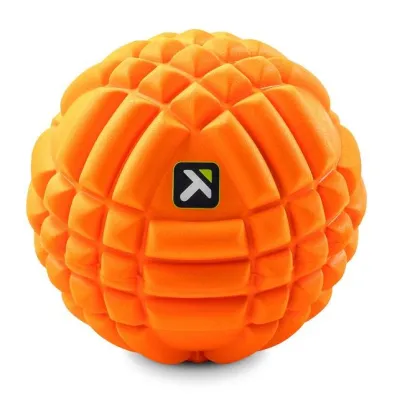
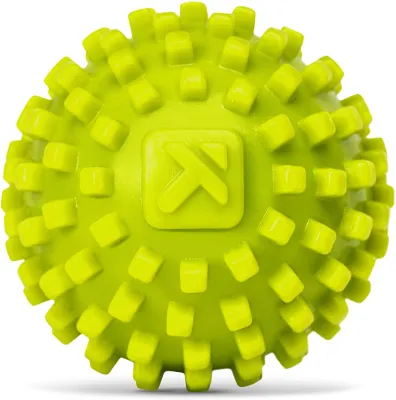
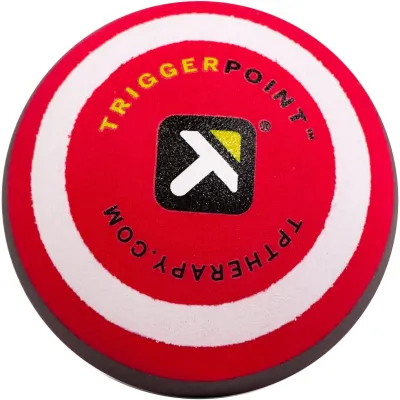
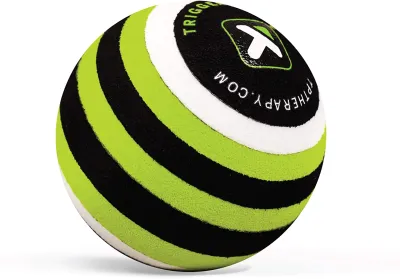
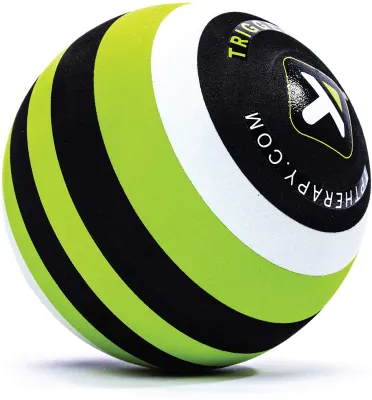
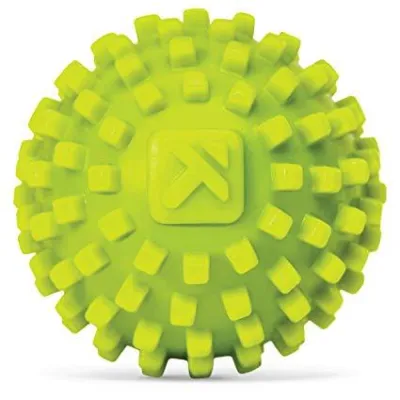
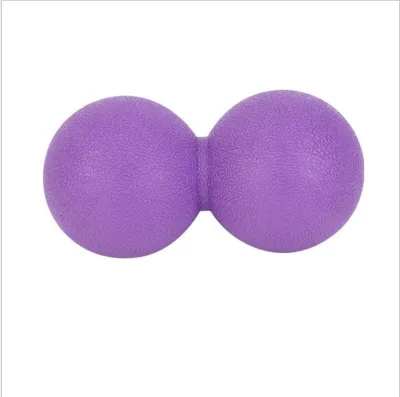
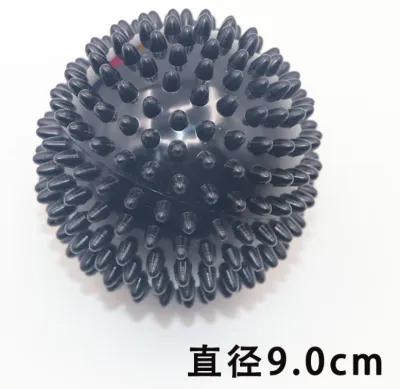
Prices are valid at publication and may change. Please refer to the product page for the latest price.
As your tissues adapt, you can progress to harder, smaller tools. Starting too firm often causes immediate muscle guarding, which prevents the tool from reaching deeper tissue layers.
Matching Ball Size to Your Target Muscle Groups
Selecting the correct ball diameter ensures pressure is distributed anatomically, allowing you to reach specific trigger points without slipping or causing joint discomfort.

- Small diameter balls (typically 4 to 6 cm): Designed for precise, deep tissue work in confined areas. They are highly effective for the arches of the feet, palms, and the suboccipital muscles at the base of the skull. Because of their small surface area, they apply highly concentrated pressure.
- Medium diameter balls (typically 6 to 8 cm): This versatile size, roughly comparable to a tennis ball, is ideal for broader but targeted areas like the calves, hamstrings, glutes, and shoulder blades. It provides a balanced blend of targeted pressure and stability.
- Large diameter balls (9 cm and above) or dual-ball setups: Large single balls are excellent for broad surface areas like the quadriceps or chest, where deep, pinpoint pressure might be too intense. Dual-ball setups, often called "peanut" rollers, are designed to cradle the spine, allowing you to roll the thoracic back muscles without placing direct pressure on the vertebrae.
To verify if the ball size fits your anatomy, place it against the target area while leaning against a wall. If the ball constantly slips out of alignment, the diameter may be too small for that muscle contour, or the surface may lack sufficient grip.
Choosing Firmness and Density Based on Pain Tolerance
The density of your triggerpoint ball determines how deeply it penetrates muscle tissue and how your nervous system responds.
- Soft and low-density options: Typically made of soft foam or hollow rubber, these are ideal for beginners, sensitive areas, or acute recovery phases when muscles are actively sore. They compress slightly under body weight, offering a gentle introduction to myofascial release.
- Medium-density options: Often made of firm foam, dense silicone, or cork, these are suitable for regular maintenance and moderate muscle tension. They offer minimal give, allowing for deeper penetration without feeling excessively rigid.
- Hard and high-density options: Made of solid rubber, hard plastics, or dense wood, these are reserved for advanced users, deep chronic knots, and high pain tolerance. They do not compress under body weight, delivering maximum pressure directly to the tissue.
It is crucial to distinguish between productive release and sharp, radiating pain. Productive release feels like a dull, satisfying ache that gradually diminishes as you breathe deeply. If you experience sharp, stabbing pain, numbness, or find yourself holding your breath, the tool is too firm, and you should immediately downgrade to a softer option.
Evaluating Surface Texture and Material Types
The surface texture and material composition of a triggerpoint ball affect its grip, friction, and how it engages with your skin and clothing.
- Smooth surfaces: Excellent for general gliding movements and highly comfortable against sensitive skin. They allow you to roll smoothly along muscle fibers without pulling on your skin or clothing.
- Textured or spiked surfaces: These feature ridges, knobs, or small spikes designed to provide targeted friction. They help grip the superficial fascia, allowing for cross-friction massage techniques that stretch the tissue in multiple directions.
- Material characteristics: Rubber and silicone offer excellent grip on tiled or wooden floors, preventing the ball from slipping during use. Cork is lightweight and naturally antimicrobial, making it highly portable, though it may slide more easily on smooth surfaces. Foam is lightweight and affordable but can degrade faster under heavy use.
Always check the manufacturer’s label for material specifications to ensure you do not have an allergic reaction, particularly to latex. Additionally, review the cleaning instructions, as some materials can degrade if exposed to certain oils or cleaning agents.
Safe Usage Boundaries and When to Adjust Your Tool
Self-myofascial release is a highly effective recovery method, but it must be practiced within safe anatomical boundaries to prevent injury.
You must strictly avoid placing direct pressure on bones, joints, the spine, and the front or sides of the neck. Pressing hard tools against these structures can cause bone bruising, joint inflammation, or compress major blood vessels and nerves.
Pay close attention to physical warning signs during your session. If you experience bruising, persistent nerve tingling, numbness, or find yourself reflexively tensing your muscles, your current ball size or firmness is incorrect.
Stop using the triggerpoint ball immediately and consult a physiotherapist or qualified medical professional if you experience swelling, sharp joint pain, or if your muscle pain worsens over several days. Equipment is a tool for recovery, but it cannot replace professional medical assessment or structured physical therapy.
Frequently Asked Questions (FAQ)
Can I use a tennis ball or lacrosse ball instead of a dedicated trigger point ball?
Yes, you can use these common sports balls, but they have distinct characteristics and limitations. A tennis ball is relatively soft and compresses easily, making it an excellent, low-cost option for beginners or highly sensitive areas. A lacrosse ball is extremely dense and hard, offering a feel very similar to advanced, high-density trigger point tools. However, repurposed sports balls may lack the specialized surface textures of dedicated recovery tools. They can also present hygiene challenges, as the felt on a tennis ball traps sweat and dirt, and they may degrade more rapidly under repeated body weight pressure.
How do I clean and maintain my trigger point ball?
To keep your recovery tool hygienic, wipe it down regularly with a damp cloth and mild soap. This is especially important in warm, humid climates like Singapore, where sweat and skin oils can quickly accumulate on gym accessories. Avoid using harsh chemical solvents, bleach, or alcohol-based cleaners, as these can dry out and degrade rubber, silicone, or cork surfaces over time. After cleaning, allow the ball to air dry completely in a well-ventilated area away from direct sunlight before storing it in your gym bag or cabinet to prevent moisture buildup.
Community discussion
Share your experience or ask a question. Comments are reviewed before publication.