
Choosing the right TYR swimming cap requires balancing your hair type, training frequency, and personal comfort. While a swim cap is a straightforward piece of gear, selecting the wrong material can lead to snagged hair, excessive head pressure, or a cap that constantly slips off during your laps. By understanding how different materials behave in chlorinated water and under tropical humidity, you can find a cap that fits securely and protects your hair.
To make the best decision, you must evaluate TYR’s three primary material categories: silicone, latex, and Lycra (fabric). Each material serves a distinct purpose, ranging from high-performance racing to casual water aerobics. This guide breaks down these material differences, matches them to specific hair profiles, and outlines the essential checks you should perform before making your purchase.
Understanding TYR's Core Materials: Silicone, Latex, and Lycra
Silicone is the most popular material for modern swim caps due to its exceptional durability and thick, protective barrier. TYR’s silicone caps are highly resistant to the degrading effects of chlorine and pool chemicals, making them a long-lasting investment for regular swimmers. The material is thick enough to provide moderate thermal insulation in cooler waters, yet flexible enough to stretch over various head shapes without tearing easily. Silicone caps also offer a relatively smooth surface that reduces hydrodynamic drag, and they do not pull on hair as aggressively as latex, making them a comfortable choice for daily training.
Products mentioned in this guide
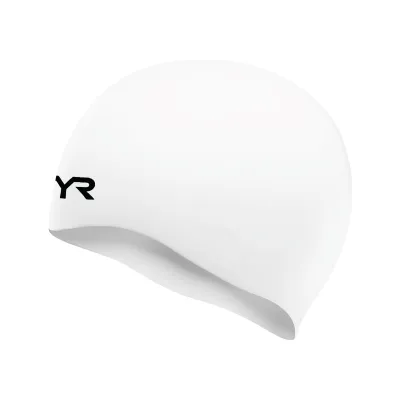
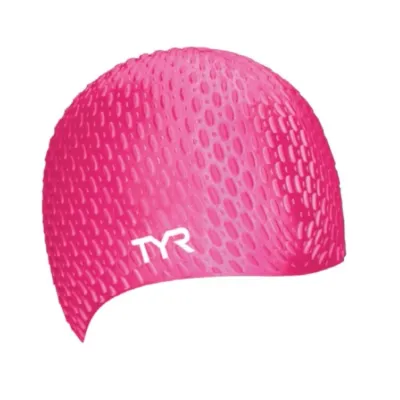
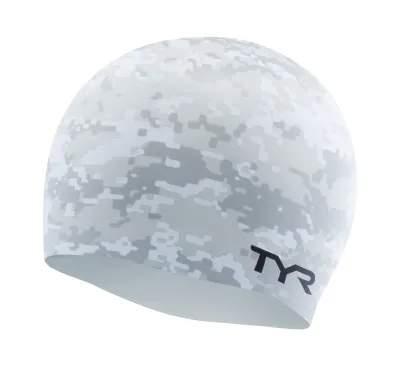
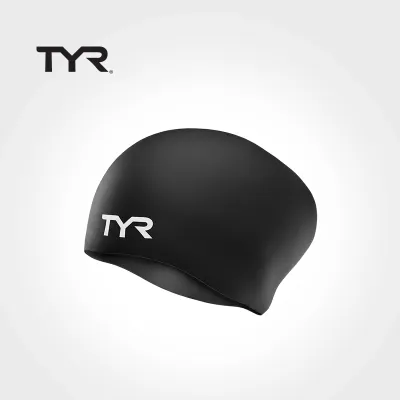
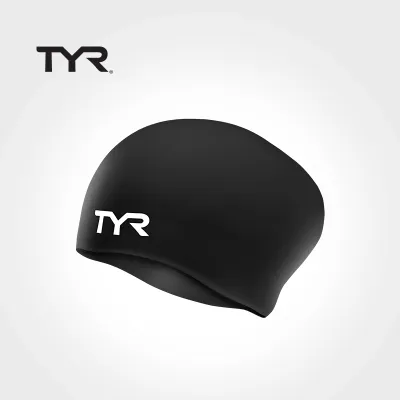
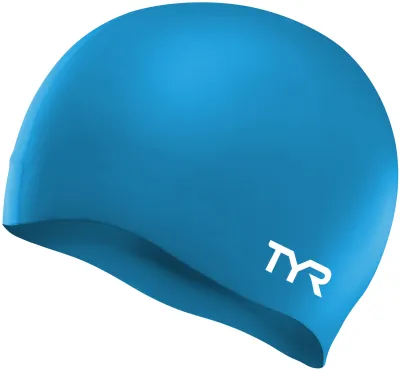
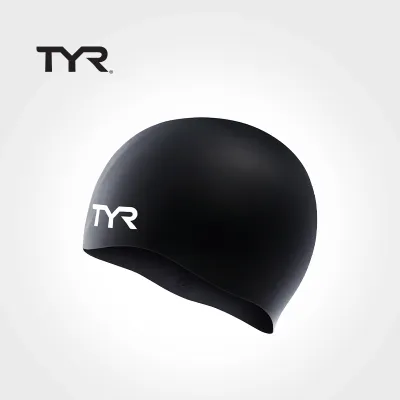
Prices are valid at publication and may change. Please refer to the product page for the latest price.
Latex caps represent the classic choice for competitive swimmers and swim meets. They are significantly thinner and lighter than silicone caps, offering a highly conforming, skin-tight fit that minimizes drag in the water. Because they are thin, latex caps allow heat to escape from the head more easily, which is highly beneficial during intense workouts in warm indoor pools or outdoor tropical environments. However, latex is much more delicate than silicone and is prone to tearing if punctured by fingernails or hairpins. Additionally, users must always verify their sensitivity to natural rubber latex before choosing this option, as contact allergies can cause skin irritation.
Lycra and other fabric-based caps prioritize comfort and ease of use over water resistance. These caps are made from soft, breathable textiles that stretch easily over the head without any pulling or snagging of the hair. Because fabric is porous, water flows freely through a Lycra cap, meaning it will not keep your hair dry or protect it from chlorine. Instead, fabric caps are designed to keep hair neatly out of your face during low-impact water activities, such as water aerobics, leisure wading, or spa sessions. They are also exceptionally easy to put on and take off, making them a preferred option for recreational swimmers who find rubberized caps too restrictive.
Matching the Cap to Your Hair Type and Length
Swimmers with short hair or bald heads have the widest range of options because they do not need to accommodate extra volume. For these individuals, standard latex or standard silicone caps provide a secure, low-profile fit that hugs the scalp closely. A standard cap ensures there is no excess material bunching up at the crown, which helps maintain a streamlined profile in the water. Latex is particularly favored by short-haired competitive swimmers for its ultra-snug fit, while silicone offers a more comfortable, everyday training option that is easy to slip on.

Standard swim caps often squeeze long or high-volume hair too tightly, leading to headaches, or they may slide off entirely during a swim. To address this, TYR offers specialized long-hair silicone variants that feature extra space at the back of the cap. This design allows you to tuck your hair into a bun or ponytail without creating uncomfortable pressure points on your forehead or temples. If you have exceptionally thick braids, dreadlocks, or extensions, larger fabric caps or oversized silicone models are essential to accommodate the sheer volume of your hair without tearing the material or causing physical discomfort.
Curly and textured hair is naturally delicate and highly susceptible to friction damage and breakage. When selecting a cap, swimmers with curly hair should look for high-stretch materials or ergonomic cuts that minimize friction along the hairline. Silicone caps with a soft interior finish or specialized asymmetrical shapes help prevent the rubber from grabbing and pulling on curls. Alternatively, some swimmers choose to wear a soft Lycra cap underneath a silicone cap; this dual-cap method provides a smooth, protective fabric barrier against the hair while still utilizing the water-resistant properties of the outer silicone layer.
Selecting the Right Material for Your Swimming Goals
If your time in the pool is focused on relaxation, water rehabilitation, or casual aqua fitness, comfort should be your primary guide. For these activities, a Lycra or fabric cap is highly recommended. Because these caps do not squeeze the head tightly, you can wear them for extended periods without experiencing pressure headaches. While your hair will get wet, the fabric cap successfully keeps your hair contained and out of your eyes. This is particularly useful in warm hydrotherapy pools where heat retention from a silicone cap might make you feel overheated.
For those who swim laps multiple times a week for fitness, silicone caps offer the best balance of performance, durability, and hair protection. The thick silicone barrier limits the amount of chlorinated water that comes into direct contact with your hair, helping to prevent dryness and chemical damage over time. Silicone’s durability ensures that the cap can withstand frequent stretching and exposure to pool chemicals without losing its shape or elasticity. It provides a moderate level of hydrodynamics suitable for structured workouts while remaining comfortable enough for hour-long sessions.
When every fraction of a second counts, competitive swimmers require a cap that minimizes surface drag and remains perfectly secure during explosive starts and turns. Latex caps are the traditional choice for racing due to their tight, wrinkle-free fit against the scalp. For high-level competition, specialized molded silicone caps—which are pre-shaped to match the curve of the head without wrinkling—are also highly effective. These racing caps are designed to be extremely streamlined, though they are typically tighter and less comfortable for long, casual swim sessions.
Essential Checks Before Purchasing Your TYR Cap
Before purchasing, always check the product label or online specifications to confirm the exact material composition. This is especially critical if you have sensitive skin or a known allergy to natural rubber latex. Even if a cap is labeled as a silicone hybrid, ensure it is 100% silicone if you must avoid latex entirely.
Do not assume that a “one size fits all” label will fit your head comfortably. Head circumferences and hair volumes vary significantly. Review the manufacturer’s specific sizing chart, measuring your head circumference if necessary, to determine whether you need a junior, standard, or long-hair size.
Swim caps are generally constructed as either flat-sheet seamed caps or molded caps. Seamed caps are made by joining two halves together, resulting in a seam down the middle that can sometimes create a pressure point or a potential tear line. Molded caps are cast as a single, seamless piece of silicone, offering a smoother, more hydrodynamic surface and a more comfortable fit, though they often carry a slightly higher price point.
Because swim caps are personal hygiene items, return policies can be strict. Before buying, verify whether the authorized retailer allows returns or exchanges if the cap does not fit or if you discover a manufacturing defect upon opening the packaging. Budgeting around S$10 to S$25 for a quality cap from a reputable local retailer ensures you get a genuine product with a reliable return policy.
Care and Maintenance to Extend Cap Lifespan
Chlorine, salt, and pool chemicals will gradually degrade any swim cap material if left on the surface. After every swim, thoroughly rinse your cap inside and out with clean, fresh tap water. Hang or place the cap to air dry in a shaded, well-ventilated area. Never expose the cap to direct sunlight, hair dryers, or radiators, as intense heat and UV rays will cause silicone to warp and latex to become brittle and crack.
Once the cap is completely dry, store it flat or loosely rolled in a cool, dry gear bag or drawer. Avoid folding it sharply, which can create permanent creases and weak points. Keep the cap away from sharp objects like hairpins, goggles clips, or locker keys that can easily puncture the material. For latex caps, lightly dusting the inside with a small amount of talcum powder or baby powder after drying prevents the sides from sticking together and tearing when peeled apart.
Even with meticulous care, swim caps eventually wear out. Latex caps will begin to feel sticky, gummy, or excessively thin when they are nearing the end of their lifespan. Silicone caps rarely become sticky but will develop tiny micro-tears along the edges or seam lines. If you notice any small tears, replace the cap immediately, as it will likely split completely open the next time you stretch it over your head.
Frequently Asked Questions (FAQ)
Do TYR silicone swim caps keep your hair completely dry?
No swim cap, including TYR’s silicone models, is designed to keep your hair completely dry. Swim caps are primarily designed to reduce drag, keep hair out of your face, and protect the pool’s filtration system from loose strands. While silicone is entirely waterproof and blocks the majority of pool water, water will inevitably seep in around the edges of the cap during active swimming, pushing off the wall, or submerging. To minimize wetness, ensure a snug fit along your hairline, or consider applying a leave-in conditioner before putting on the cap to create an extra barrier against chlorinated water.
How do I know if I am allergic to TYR latex caps?
An allergy to natural rubber latex typically manifests as contact dermatitis when the material touches your skin. If you experience redness, itching, hives, or a burning sensation around your forehead, ears, or neckline after wearing a latex cap, you may have a latex sensitivity. If you have a known history of latex allergies, you should avoid latex caps entirely. Always check the product packaging of alternative caps, such as silicone or Lycra, to ensure they are manufactured in latex-free facilities to prevent any risk of cross-contamination.
Can I wear a TYR fabric cap for competitive swimming?
Wearing a fabric or Lycra cap is not recommended for competitive swimming or official time trials. Fabric caps are highly porous, meaning they absorb water rather than shedding it, which significantly increases hydrodynamic drag and weighs down your head. Additionally, because they stretch so easily, fabric caps are highly likely to slip off your head during a dive start or a powerful flip turn. For competitive environments, you should choose a latex or molded silicone cap, which provides the tight, secure, and streamlined fit required to optimize your performance.
Community discussion
Share your experience or ask a question. Comments are reviewed before publication.