
Choosing the right umbrella hat for fishing requires balancing hands-free sun protection with stability, canopy coverage, and compatibility with your existing gear. While these unique hats offer excellent relief from intense overhead sun and light rain, finding the right model depends on checking specific structural features rather than simply picking the largest canopy available. Beginners should focus on verifying the UPF rating, assessing the headband adjustability, and ensuring the frame can handle localized wind conditions without causing neck strain. By focusing on these core elements, you can enjoy a comfortable, hands-free fishing experience that keeps you protected from the elements all day long.
When an Umbrella Hat Makes Sense for Your Fishing Trips
Anglers face constant exposure to the elements, making reliable sun and rain protection a necessity on open water. Traditional solutions like handheld umbrellas are completely impractical when you need both hands to cast, reel, and handle fish. While wide-brimmed hats offer decent portability, they often trap heat close to your scalp and provide limited coverage for your shoulders and gear. Portable fishing shelters or tents offer maximum protection but confine you to a single spot, making them unsuitable for active angling styles.
An umbrella hat bridges this gap by offering suspended, hands-free coverage that moves with you. This design is highly beneficial for active wading in shallow rivers, bank fishing along brush-heavy shorelines, or traveling light when extra gear is a burden. The elevated canopy allows air to circulate freely over your head, keeping you cooler than a standard fabric hat during hot, humid days.
Products mentioned in this guide

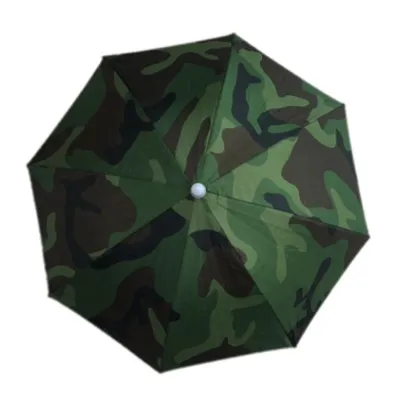
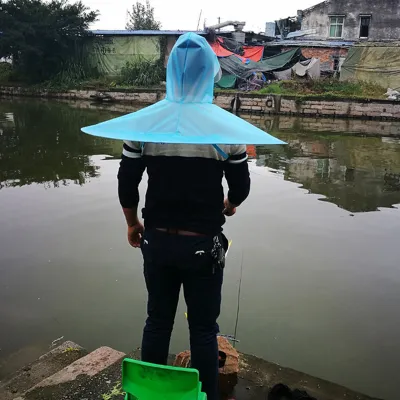
![[SG FREE ] Portable Outdoor Sports Hat Folding Umbrella Headwear Umbrella Hats Cap Hands Free For Fishing Hiking Beach](https://img.lazcdn.com/g/p/da5f2e660c90bd3489dacae41164ca2e.jpg_400x400q80.jpg_.webp)
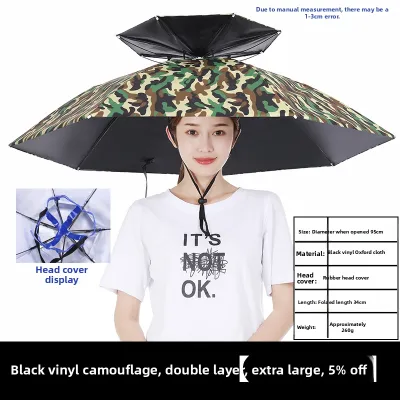
Prices are valid at publication and may change. Please refer to the product page for the latest price.
However, these hats have distinct operational limits that you must respect for your safety. In high-wind conditions or sudden coastal squalls, the wide canopy acts like a sail, catching the wind and exerting significant force on your neck. During heavy downpours or severe weather, an umbrella hat cannot replace a dedicated technical rain jacket or a solid shore shelter, which remain the safest options.
Evaluating Canopy Size and Sun Protection
Selecting the correct canopy diameter is a balance between maximizing shade and maintaining physical comfort. A canopy that is too narrow will fail to protect your shoulders, neck, and chest from angled sunlight, leaving you vulnerable to sunburn. Conversely, an oversized canopy increases the overall weight resting on your neck and creates a larger surface area for the wind to catch, leading to rapid fatigue.

To find your ideal size, measure the canopy diameter against your shoulder width. A suitable umbrella hat should extend at least two to three inches past your shoulders on each side when fully deployed. This extra width ensures that your upper torso and any chest-mounted gear remain shaded as the sun shifts throughout the day.
Do not rely solely on fabric color or thickness to judge sun protection. Instead, look for manufacturer labels that specify a verified Ultraviolet Protection Factor (UPF) rating, with UPF 50+ being the standard for excellent UV block. Many high-quality fishing umbrellas feature a reflective silver undercoating or outer coating, which actively bounces away solar radiation and helps lower the temperature directly beneath the canopy.
Checking Adjustability and Chin Strap Security
An umbrella hat is only useful if it stays securely and comfortably on your head during active movement. Many entry-level models utilize simple elastic headbands, which can pinch the scalp, cause tension headaches, or slip out of place when wet. For long hours on the water, look for an adjustable headband system featuring a mechanical dial-fit mechanism or a soft, moisture-wicking foam lining. These features allow you to customize the tension to your exact head shape while absorbing sweat before it runs into your eyes.
The chin strap serves as your primary defense against losing your hat to a sudden gust of wind or a rapid head movement. Evaluate the strap’s thickness and material; thin nylon cords can cut into your skin under tension, so opt for wider, flat webbing straps instead. A secure, adjustable toggle or a quick-release buckle allows you to make fast adjustments on the fly without fumbling.
Before purchasing, inspect the points where the chin strap connects to the hat’s frame or headband. These connection points experience the most stress during windy conditions and active casting. Look for reinforced stitching, heavy-duty plastic grommets, or double-layered fabric tabs to ensure the strap will not tear away from the hat under sudden pressure.
Assessing Frame Flexibility and Wind Stability
The internal rib structure of an umbrella hat determines how well it maintains its shape when exposed to coastal breezes or sudden gusts. Traditional metal ribs are highly susceptible to bending permanently out of shape and can rust rapidly when exposed to moisture or saltwater environments. For outdoor durability, prioritize frames constructed from flexible fiberglass or high-density reinforced plastic ribs. These materials are designed to bend under pressure and snap back into their original shape without breaking.
Wind resistance is also heavily influenced by the canopy’s aerodynamic design. Look for models that incorporate wind vents or a double-canopy construction, which allows air currents to flow through the top of the hat rather than trapping them underneath. This venting action significantly reduces the upward lift exerted on your head, keeping the hat stable and reducing neck strain.
Even the most durable frame has its limits, and you must monitor changing weather conditions closely. If wind speeds increase to the point where the hat constantly pulls back or twists on your head, collapse the canopy immediately. Continuing to wear an open umbrella hat in high winds can cause neck strain or cause you to lose your balance on slippery rocks.
Ensuring Compatibility with Your Existing Fishing Gear
An umbrella hat must work in harmony with the rest of your apparel and gear to be a practical addition to your fishing trips. Before heading out, test the hat’s clearance while wearing your preferred polarized sunglasses. The front edge of the canopy should sit high enough that it does not press down on your sunglass frames or block your peripheral vision, which is essential for spotting fish and watching your footing.
Next, check how the hat interacts with your carrying gear, such as fishing vests, chest packs, or backpacks. A wide rear canopy can bump against high-riding backpack straps or the collar of a bulky life jacket when you tilt your head back to cast. Ensure that you have a full range of motion without the hat making contact with your gear.
Many experienced anglers prefer wearing a standard baseball cap underneath their umbrella hat. This setup provides several practical benefits: the cap’s stiff brim shields your eyes from direct glare, the cap’s crown provides extra padding against the umbrella’s headband, and it helps keep the umbrella frame securely positioned on your head.
Step-by-Step Guide to Fitting and Adjusting on the Water
Properly adjusting your umbrella hat before you begin fishing ensures maximum comfort, stability, and protection. Follow these steps to set up your gear correctly once you arrive at your fishing spot.
First, loosen the inner headband adjustment mechanism completely before placing the hat on your head. Position the headband so it sits level, roughly one inch above your ears, ensuring it does not pinch your temples. Gradually tighten the adjustment dial or strap until the headband feels snug and secure, but not so tight that it causes discomfort.
Second, pull the chin strap down and slide the tension adjuster up until the strap rests flat against your jawline. The strap should be tight enough to prevent the hat from lifting in a light breeze, but loose enough to allow you to speak, swallow, and turn your head comfortably without restriction.
Third, adjust the tilt of the canopy relative to the sun’s position. If you are fishing during the early morning or late afternoon when the sun is low, tilt the front of the canopy slightly forward to block the direct glare, ensuring you maintain a clear line of sight to your rod tip and the water.
Fourth, continuously monitor the wind conditions and your physical comfort as you fish. If you feel sudden gusts pulling at your neck or if the frame begins to twist, immediately collapse the canopy and secure it to prevent muscle strain or damage to the hat.
Frequently Asked Questions (FAQ)
How do I clean and store an umbrella hat after a fishing trip?
To maintain the integrity of your umbrella hat, rinse it thoroughly with fresh water after every trip to remove salt, sand, mud, or organic debris. Avoid using harsh chemical detergents or abrasive brushes, as these can strip away the specialized UV-resistant coatings and waterproof treatments on the fabric. Once rinsed, open the canopy fully and allow it to air dry completely in a shaded, well-ventilated area before collapsing it. Storing a damp umbrella hat can lead to mold and mildew growth, which degrades the fabric over time. Store the collapsed hat in a cool, dry place away from direct sunlight, and avoid placing heavy gear on top of it to prevent the internal ribs from bending or warping.
Can I wear an umbrella hat in the rain?
Yes, you can wear an umbrella hat in the rain, but you must verify the manufacturer’s specifications to understand its water-resistance limits. Many models are designed primarily for sun protection and may only feature light water-resistant coatings that can saturate during prolonged exposure. For reliable wet-weather performance, look for hats with waterproof fabrics and taped seams that prevent water from seeping through the stitching. Keep in mind that while these hats are excellent for managing light drizzles or steady showers, heavy downpours can make the fabric heavy and cause water to run directly onto your shoulders. Regularly inspect the canopy for wear and apply a fabric-safe waterproofing spray if you notice water failing to bead on the surface.
Community discussion
Share your experience or ask a question. Comments are reviewed before publication.