
Selecting the correct boxing glove weight is one of the most critical decisions you will make for your hand health, training performance, and the safety of your training partners. For those choosing from the Venum lineup, the ideal glove weight is determined by a combination of your body weight, your current experience level, and the specific training activities you perform. Generally, adult boxers use weights ranging from 10oz to 16oz. Lighter gloves (10oz to 12oz) are optimized for speed and hitting pads or heavy bags, while heavier gloves (14oz to 16oz) are necessary for sparring to provide maximum impact absorption.
However, before stepping into the gym, remember that protective gear is only one part of the safety equation. Boxing gloves cannot replace proper punching technique, structured training, or defensive judgment. Always ensure your hands are wrapped correctly to support your wrists, and stop training immediately if you experience sharp hand or wrist pain.
What Boxing Glove Weights Actually Mean for Your Training
The abbreviation “oz” stands for ounces, which is the standard unit of measurement for boxing gloves. Crucially, this weight refers to the amount of padding contained within the glove, rather than the physical size of the hand compartment itself. A heavier glove contains more layers of protective foam, which increases the physical size and bulk of the glove’s exterior while offering greater shock absorption.
Products mentioned in this guide
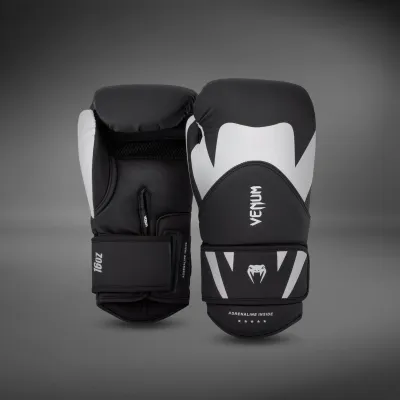
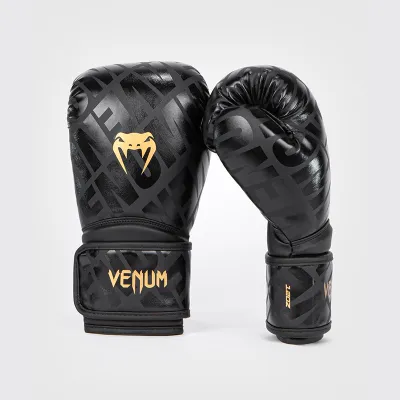
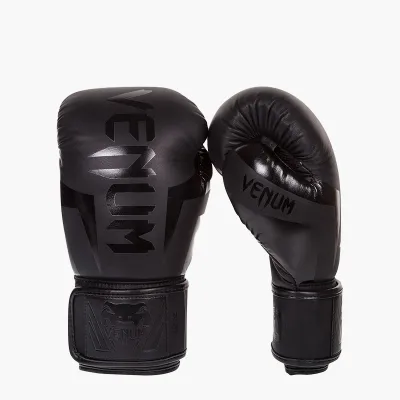
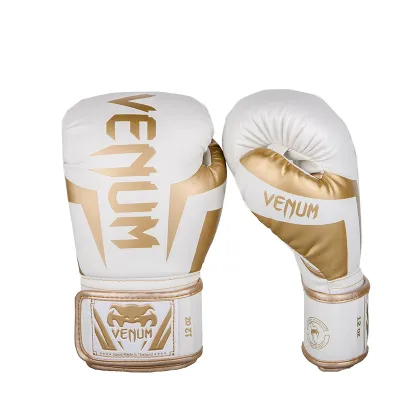
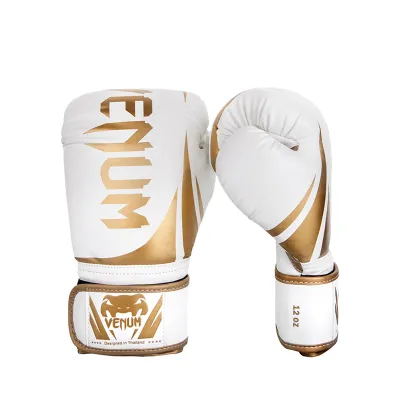
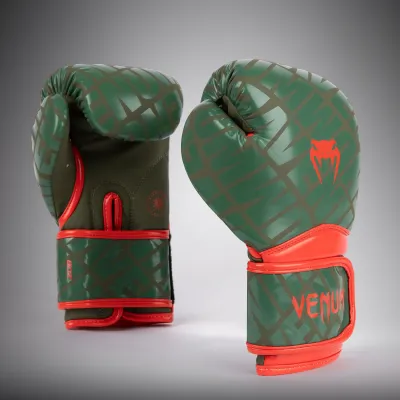
Prices are valid at publication and may change. Please refer to the product page for the latest price.
Each weight category serves a distinct purpose in a boxer’s training regimen:
- 8oz to 10oz: These are lightweight gloves designed primarily for professional and amateur competitions, as well as high-speed pad work. They offer minimal padding, allowing punches to land with maximum velocity and force transfer.
- 12oz to 14oz: These are highly versatile weights. They function as excellent all-rounders for technical drills, light bag work, and physical conditioning. They offer a balanced compromise between protection and speed.
- 16oz: This is the standard weight for heavy sparring and maximum protection. The thick padding decelerates the force of the punch, protecting both your knuckles and your sparring partner's face and head.
The density of the padding plays a vital role in how the glove performs. Dense, multi-layered foam helps distribute the force of an impact across a wider surface area, reducing the risk of acute knuckle injuries. However, throwing punches with heavier gloves requires more muscular effort from your shoulders and arms. While this serves as an excellent conditioning tool to build endurance, beginners must be cautious of hand fatigue, which can lead to a breakdown in punching form and wrist alignment.
How to Match Glove Weight to Your Body Weight
Your body weight is the foundational metric used to determine your baseline glove weight. This is rooted in basic physics: a heavier individual naturally generates more kinetic energy and momentum behind every punch. To safely absorb this increased force, a corresponding increase in padding is required to protect the delicate bones of the hand, the wrist joint, and the training partner.

To establish your baseline, consider the following general body weight classifications:
- Under 54 kg (under 120 lbs): A baseline of 10oz to 12oz is typically recommended for standard training.
- 54 kg to 68 kg (120 to 150 lbs): A baseline of 12oz to 14oz provides the appropriate balance of protection and speed.
- 68 kg to 82 kg (150 to 180 lbs): A baseline of 14oz is highly recommended to handle the increased impact force.
- Over 82 kg (over 180 lbs): A baseline of 16oz is the minimum standard to ensure adequate knuckle and wrist protection.
While these weight brackets provide a reliable starting point, they are not absolute rules. Biomechanical differences, hand size, and previous injuries can all influence your ideal size. For instance, a boxer recovering from a wrist injury may choose to size up to a heavier glove to benefit from the added wrist support and padding, even if their body weight suggests a lighter option. Most importantly, this baseline must be adjusted depending on whether you are hitting a heavy bag, working with focus mitts, or engaging in live sparring.
Adjusting Your Choice Based on Training Style and Experience
As your skills progress, your training will diversify into distinct modalities, each requiring different physical demands from your gear. Beginners are generally advised to start with a single, versatile mid-weight glove (such as 12oz or 14oz) to learn the fundamentals. However, as you commit to more specialized sessions, matching your glove weight to the specific activity becomes essential for safety and performance.
Bag Work and Pad Work
Training on heavy bags and focus mitts is highly repetitive and puts continuous stress on your knuckles and wrists. Heavy bags are dense and offer very little give, meaning your gloves must absorb a high volume of direct impact.
For most adults, 10oz to 12oz gloves are ideal for bag and pad work. This weight range allows you to maintain high hand speed and develop proper punching mechanics without premature shoulder fatigue. The lighter weight also provides immediate tactile feedback; you can feel exactly how your knuckles align upon impact, helping you correct your form. However, because these gloves have thinner padding, you must verify that your hand wraps are applied tightly and securely to protect your wrists from bending under pressure.
Sparring
Sparring is a high-risk activity where partner safety must always be the absolute priority. The goal of sparring is to practice timing, distance, and strategy, not to inflict damage.
For this reason, 14oz (for lightweight boxers) or 16oz (for most adults) gloves are non-negotiable. The extra padding in a 16oz glove significantly dampens the shock of a punch, reducing the risk of cuts, bruises, and concussions for your partner. Almost all reputable boxing gyms strictly mandate 16oz gloves for any form of live sparring. Before purchasing sparring gloves, check your gym’s specific safety rules. Additionally, keep a dedicated pair of gloves exclusively for sparring; using your sparring gloves on heavy bags will compress the foam over time, rendering them unsafe for partner training.
Competition and Amateur Fights
In official amateur or professional bouts, glove weights are strictly regulated by sanctioning bodies to ensure a fair and standardized playing field.
Competitions typically require 8oz or 10oz gloves, depending on the weight class of the fighters. These gloves are designed to maximize punching speed and power transfer, featuring highly compressed padding that offers minimal protection compared to training gloves. If you are preparing for an amateur bout, consult your coach and check the specific guidelines of the local sanctioning body. Do not use competition-weight gloves for daily training, as the reduced padding will quickly lead to hand fatigue and increased injury risk during high-volume sessions.
Factoring in Hand Size and Venum's Specific Fit
A common misconception is that a heavier glove automatically features a larger internal hand compartment. In reality, glove weight and hand compartment size are two distinct measurements. While a 16oz glove is physically bulkier on the outside, the internal pocket may still feel tight if the glove is designed with a snug, contoured profile.
To ensure a proper fit, you must measure your hand circumference. Wrap a soft fabric measuring tape around your dominant hand, just below the knuckles, excluding the thumb. Match this measurement to Venum’s official size charts to find your corresponding size (typically ranging from Small to Extra Large).
Venum gloves are widely recognized for their distinct ergonomic and contoured fit. Models like the Venum Challenger and Venum Elite series are designed with a relatively snug hand pocket and a highly supportive wrist cuff. This secure fit is excellent for preventing the hand from sliding inside the glove, but it can feel restrictive if you have wide hands or thick fingers.
When trying on your Venum gloves for the first time, always wear your standard hand wraps. Hand wraps are essential for wrist stability and knuckle protection, and they add significant volume to your hand. If the gloves feel painfully tight, restrict blood flow, or prevent you from making a natural fist while wrapped, you should exchange them for a larger size or a model with a roomier hand pocket.
Quick Diagnostic Matrix: Find Your Ideal Venum Glove Weight
To simplify your decision-making process, use the following matrix to match your physical profile and training goals to the correct Venum glove weight.
| Body Weight (kg / lbs) | Primary Training Focus | Recommended Venum Weight | Sizing Adjustment Rule |
|---|---|---|---|
| Under 54 kg (<120 lbs) | Bag Work & Pads | 10oz – 12oz | Baseline size; prioritizes speed and technique. |
| Under 54 kg (<120 lbs) | Partner Sparring | 14oz | Size up by 2oz to ensure partner safety. |
| 54 kg to 68 kg (120-150 lbs) | All-Round Training | 12oz – 14oz | Versatile range for technical drill work. |
| 54 kg to 68 kg (120-150 lbs) | Partner Sparring | 16oz | Standard gym requirement for sparring safety. |
| 68 kg to 82 kg (150-180 lbs) | Bag Work & Pads | 14oz | Provides adequate protection for heavier impacts. |
| 68 kg to 82 kg (150-180 lbs) | Partner Sparring | 16oz | Mandatory weight for heavy sparring sessions. |
| Over 82 kg (>180 lbs) | All Training Types | 16oz | Minimum weight required to protect heavy hands. |
When deciding whether to adjust your glove weight, follow these practical rules of thumb:
- Size up (add 2oz) if you are transitioning to live sparring, recovering from a hand or wrist injury, or if you consistently experience knuckle soreness after bag workouts.
- Size down (subtract 2oz) if you are focusing exclusively on light speed-bag drills, high-velocity focus mitt training, or preparing for a competitive bout that mandates lighter gloves.
Before finalizing your purchase, complete this quick verification checklist:
- Check the Return Policy: Ensure the online retailer or local shop allows returns or exchanges if the gloves do not fit comfortably with your hand wraps on.
- Verify Wrap Compatibility: Put on your standard 4.5-meter hand wraps before testing the internal compartment of the new gloves.
- Consult Your Coach: Confirm if your gym has specific color or weight mandates, especially for sparring sessions.
Frequently Asked Questions (FAQ)
Can I use 12oz gloves for sparring if I am lightweight?
No. Even if your body weight is under 54 kg, you should not use 12oz gloves for sparring. Most reputable boxing gyms enforce a strict 14oz or 16oz minimum for any partner sparring. The thinner padding of a 12oz glove does not offer enough shock absorption to protect your sparring partner from facial bruising, cuts, or head trauma. Always prioritize your partner’s safety and adhere to your gym’s specific gear requirements.
Do Venum gloves run small or large compared to other brands?
Venum boxing gloves are generally known for a snug, contoured, and ergonomic fit. Compared to traditional, wider Western brands, Venum models (especially the Elite and Challenger series) have a narrower hand compartment and a very secure wrist closure. If you have wide hands, long fingers, or prefer thick gel-style hand wraps, you may find them exceptionally tight. In such cases, it is highly recommended to consult Venum’s specific model size chart or size up to ensure adequate hand circulation.
Should I buy one pair of gloves for all training types?
If you are a complete beginner, a single pair of 12oz or 14oz gloves can serve as a temporary all-rounder for basic bag work and technical drills. However, as you progress, relying on one pair is highly discouraged. Hitting a heavy bag repeatedly compresses the glove’s internal foam padding over time, reducing its protective capacity. If you use those same compressed gloves for sparring, you risk injuring your partner. For long-term safety and performance, invest in a lighter pair (10oz-12oz) for bag and pad work, and keep a dedicated heavier pair (16oz) strictly for sparring.
Community discussion
Share your experience or ask a question. Comments are reviewed before publication.