
Finding the right waterproof bag for swimming depends on your environment, the volume of gear you carry, and how active you will be. A bag that works well for a casual day at a water park might be completely impractical for lap swimming at a local pool or navigating open water. Matching the bag’s closure mechanism and carrying style to your activity ensures your valuables stay dry without getting in the way of your swim.
Choosing an unsuitable style can lead to soggy gear or uncomfortable swimming. For instance, a bulky bag can drag in the water during active swimming, while an insecure pouch might easily get lost on a high-speed water slide. Evaluating your environment first allows you to select a bag with the appropriate seal, material thickness, and carrying method for your needs.
Understanding the Main Types of Swimming Waterproof Bags
Waterproof bags come in several distinct designs, each engineered to handle different levels of water exposure and carrying requirements.
Products mentioned in this guide
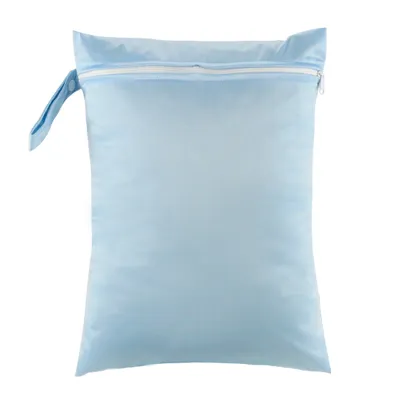

![[OKLIFE. SG]Waterproof bag PVC waterproof bag Swimming beach rafting bag Camouflage Waterproof bucket bag Backpack](https://img.lazcdn.com/g/p/86b89c373d16730a1a42ace7aac4861c.jpg_400x400q80.jpg_.webp)
![[Matador] IPX7 Waterproof Flatpak Dry Bag – Ultralight 2L & 8L Sizes for Travel Beach Kayaking Camping](https://img.lazcdn.com/g/p/96f61d5b49ea51b13bb5a92de87d0095.jpg_400x400q80.jpg_.webp)
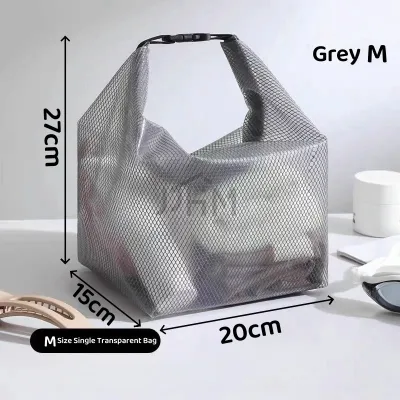
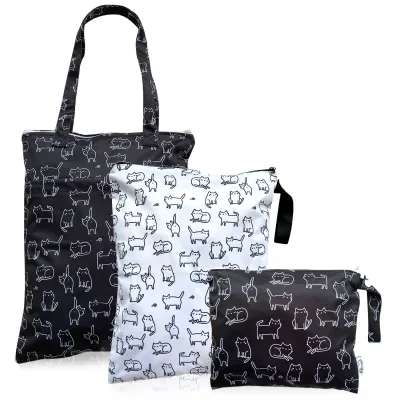
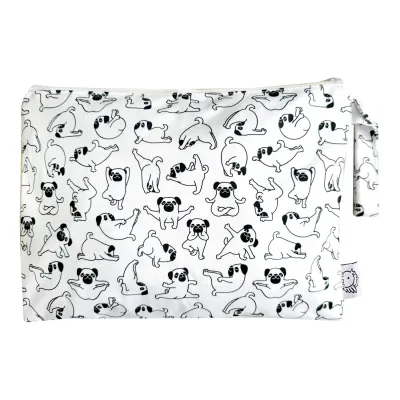
Prices are valid at publication and may change. Please refer to the product page for the latest price.
Roll-top dry bags are a common choice for outdoor water sports and beach trips. These bags feature a wide opening at the top that you roll down tightly at least three to four times before clipping the buckles together. This rolling action creates a reliable seal that keeps out splashes, heavy rain, and brief submersions. They typically range in capacity from small 5-litre options for personal items to large 30-litre versions that can hold towels, dry clothes, and footwear.
Floating pouches are designed specifically for small, high-value essentials like smartphones, keys, and cash. These pouches often feature a hard plastic clamp or a series of zip-seals at the top to lock out water. Many models include built-in air pockets or buoyant materials along the edges, allowing the pouch to float on the surface if dropped. They usually come with an adjustable lanyard or arm strap, making them easy to wear while wading.
Zip-lock or slider-seal bags offer a simpler, highly visual closure mechanism. Similar to heavy-duty food storage bags but made from much tougher, marine-grade plastics, these bags use interlocking plastic tracks or sliding zippers to seal out moisture. Because they are often completely transparent, they allow you to easily identify contents or operate touchscreen devices through the plastic. They are excellent for organizing smaller items inside a larger, non-waterproof backpack.
Standard dry bags with integrated valves are specialized versions of the roll-top bag. These bags feature a one-way air valve near the base or side. When you roll the top down, you can open the valve to squeeze out trapped air, compressing the bag to its smallest possible size. This feature is incredibly useful for packing bulky items like towels into tight spaces, such as kayak hatches or travel backpacks, without losing waterproof protection.
Matching Waterproof Bags to Specific Swimming Scenarios
The environment where you swim dictates the level of water exposure, potential physical impacts, and the carrying method your bag must support. A calm indoor pool requires a completely different approach than an open-ocean swim or a high-energy water park.

Lap Swimming and Pool Sessions
When you head to a public or private pool for structured lap swimming, your primary goal is usually to secure small personal items like locker keys, membership cards, and your phone. Because you will likely leave your main gear bag in a locker or on a bench, you only need a compact waterproof solution.
A small floating pouch or a compact zip-lock bag is highly suitable for these sessions. You can easily slide your phone and keys inside and keep them poolside. If you plan to keep the bag close to you while swimming, check the comfort of the strap or lanyard. A soft, adjustable neoprene strap is less likely to chafe against your skin during continuous swimming strokes than a basic nylon cord.
Before bringing any bag into the water, always check the specific pool rules. Some public pools prohibit loose items, bags, or lanyards in the swimming lanes for safety and hygiene reasons. If loose items are not allowed in the water, a small waterproof pouch is still highly useful for keeping your phone dry on the wet tiled benches or hook hangers near the shower area.
Beach Outings and Open Water
Beach trips and open-water swimming expose your gear to much harsher elements, including fine sand, corrosive saltwater, and unpredictable waves. For these environments, you need a robust bag that can protect a full change of clothes, towels, sunscreen, and electronics from both water and grit.
A medium to large roll-top dry bag, ranging from 10 to 20 litres, is a practical choice for beach outings. The roll-top design is highly effective at keeping out fine sand particles, which can easily ruin standard zippers or clog simple slider seals. Look for bags made from heavy-duty materials like tarpaulin or thick polyurethane to withstand being dragged across rough sand or resting on damp ground.
Carrying comfort is crucial when walking from the transport drop-off point to your spot on the sand. Evaluate bags that feature padded shoulder straps or backpack-style dual straps. If you plan to swim in open water and need to tow your gear behind you for safety and visibility, ensure the bag is specifically rated as a swim buoy dry bag, which includes specialized waist belts and leash attachments designed not to interfere with your kick.
Water Park Visits and Active Play
Water parks involve high-speed slides, wave pools, and constant splashing, creating a high-impact environment for any waterproof gear. The main risk here is losing your items during sudden movements or having a bag tear open under the force of rushing water.
For active play, hands-free security is your top priority. Loose bags or dangling lanyards are often prohibited on water slides because they can catch on the structure or pose a choking hazard. A small, low-profile floating pouch with a secure, adjustable waist belt or a tight arm strap is a practical option for keeping your essentials close without creating a safety hazard.
Before heading to the slides, check the durability of the closure mechanism. The sudden water pressure changes experienced at the bottom of a slide can force open weak seals. Look for pouches with heavy-duty, mechanical locking clips rather than simple press-to-close plastic tracks. Always ensure the pouch is worn flat against your body, under your rash guard if possible, to minimize drag and impact.
Key Features to Check Before You Buy
To ensure your waterproof bag performs reliably when it matters most, you should inspect several physical features before making a purchase. Relying solely on a “waterproof” label is not enough, as construction quality varies widely.
First, inspect the seam construction of the bag. High-quality waterproof bags use welded seams, where the fabric panels are joined using high-frequency radio waves or heat to melt the materials together into a single, seamless bond. Avoid bags with stitched seams that are merely covered with thin waterproof tape on the inside, as this tape can degrade, peel, and leak over time under the influence of heat and moisture.
Next, test the closure mechanism yourself. For roll-top bags, the stiffening strips at the opening should be flexible yet firm enough to create a tight seal when rolled. For zip-lock or clamp-style pouches, open and close the mechanism multiple times to ensure it operates smoothly without catching. A closure that is difficult to align or seal properly in a dry store will be even harder to use with wet, cold hands at the pool or beach.
Evaluate the material thickness and flexibility. While extremely thick materials offer excellent puncture resistance against sharp rocks or shells, they can become stiff and difficult to roll tightly in cooler weather. Conversely, ultra-lightweight fabrics are easy to pack but may puncture easily if scraped against concrete pool edges or rough sand. Choose a mid-weight material that balances flexibility with noticeable durability.
Finally, verify the strength of the strap attachment points. The D-rings and buckles should be securely welded or stitched with heavy-duty reinforcement patches to the body of the bag. If you plan to carry heavy items like water bottles or wet towels, weak attachment points can easily tear away from the bag, compromising its waterproof integrity and leaving you without a reliable way to carry your gear.
Care and Maintenance for Long-Lasting Waterproofing
Even the most durable waterproof bag will degrade quickly without proper care. Chlorine from swimming pools, salt from the ocean, and fine sand can all wear down materials and ruin seals over time.
Always rinse your waterproof bag with clean, fresh water inside and out after every single use. This simple step removes chlorine, salt crystals, and sand particles that can scratch the fabric or get trapped in the sealing mechanisms. Pay close attention to the tracks of zip-locks and the folds of roll-top closures, as dried salt and sand in these areas can prevent a tight seal during your next swim.
Allow the bag to air-dry completely before storing it away. Hang the bag upside down with the opening propped wide open so that moisture does not pool at the bottom. Storing a damp waterproof bag, even for a few days, can lead to mold and mildew growth, which not only smells bad but can also break down the waterproof coatings and seam adhesives.
Store your dry bag in a cool, dry place away from direct sunlight. Prolonged exposure to ultraviolet rays and high heat, such as leaving the bag in the trunk of a car, can dry out plastic clamps, crack vinyl materials, and melt seam tapes. Periodically inspect the seals, valves, and buckles for any signs of stiffness, cracking, or wear, and replace the bag if the sealing surfaces show visible damage.
Frequently Asked Questions (FAQ)
Can I use one waterproof bag for all swimming activities?
While you can use a medium-sized roll-top dry bag as a general-purpose option for most casual swimming trips, it may not be ideal for every scenario. A 10-litre roll-top bag is highly versatile for the beach, pool deck, or water park walkways, but it is too bulky to wear while actively swimming laps or riding fast water slides. For specialized activities, having a dedicated small phone pouch alongside a larger gear bag provides a practical balance of convenience and protection.
Are waterproof bags completely submersible?
Most standard swimming dry bags and pouches are designed to handle splashes, heavy rain, and brief, accidental submersions, but they are not rated for prolonged underwater use or deep diving. Roll-top seals rely on trapped air and tight folds, which can fail under the continuous pressure of deep water. Always check the manufacturer’s specific rating on the packaging; unless a bag is explicitly certified for continuous submersion at depth, you should avoid holding it underwater for extended periods.

Community discussion
Share your experience or ask a question. Comments are reviewed before publication.