
Selecting the right weight for your weighted wristbands is a balancing act between maximizing workout intensity and protecting your joints from strain. Whether adding resistance to home workouts or daily walks, choosing the wrong load can lead to injury. The ideal weight depends on your current fitness level, the specific exercises you perform, and the speed of your movements.
For most beginners, starting with a light weight—such as 0.5 kg per band—is highly recommended. This conservative approach allows your muscles, tendons, and joints to adapt to the new mechanical stress without compromising your form. In compact living environments, such as HDB apartments in Singapore, these compact fitness accessories offer an excellent, space-saving alternative to traditional weights, provided you use a safe progression strategy.
Assessing Your Baseline Fitness and Joint Health
Before strapping on any external resistance, conduct an honest self-assessment of your physical readiness. Your wrists, elbows, and shoulders bear the brunt of the added load. If you have a history of joint pain, carpal tunnel syndrome, or rotator cuff issues, adding weight to your extremities can exacerbate these conditions. Always consult a qualified healthcare professional if you have pre-existing joint concerns.
Products mentioned in this guide
![🇸🇬 [In Stock]Ankle Wrist Weights[1Pair/2LB]Silicone Adjustable Weight Sports Wristbands Exercise Gravity Belt Wrist Band](https://img.lazcdn.com/g/p/3e2fdd93670e08f6e0db68b84995b622.jpg_400x400q80.jpg_.webp)
![[SG Local Stock]Silicone Ankle Wrist Weights Adjustable Weighted Wristband Fitness Gym Exercise Arm Gravity Belt](https://img.lazcdn.com/g/p/b123a9f946dcf8d6f156f5fe3d1d370c.png_400x400q80.png_.webp)
![[SG Ready Stock]Silicone Ankle Wrist Weights Adjustable Weighted Wristband Fitness Gym Exercise Arm Gravity Belt](https://img.lazcdn.com/g/p/87162b574ad74eb240f6aa9395e519d1.png_400x400q80.png_.webp)
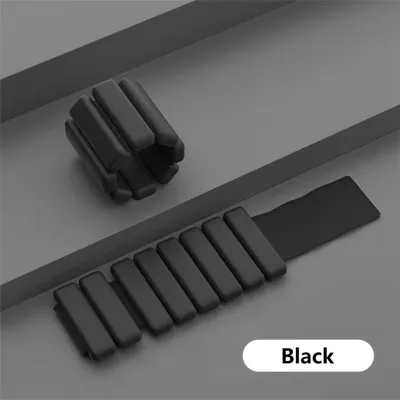
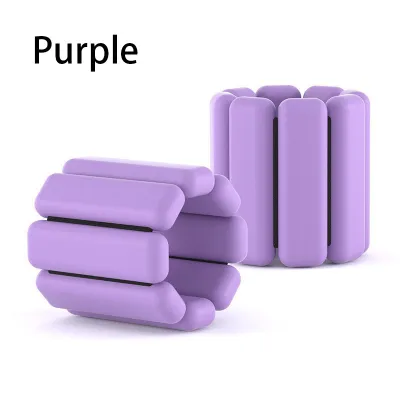
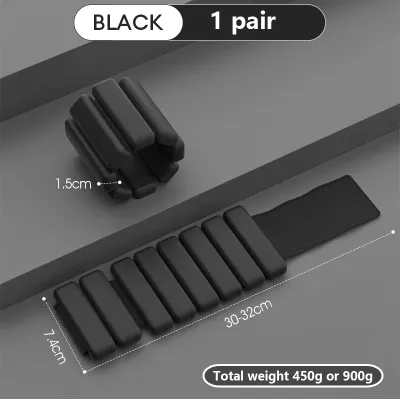
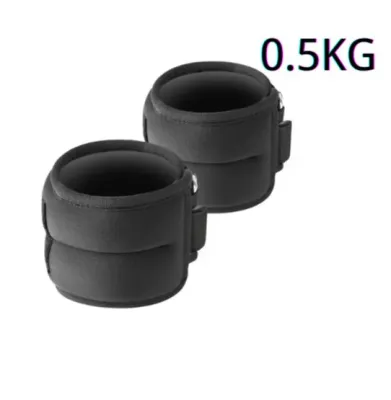
Prices are valid at publication and may change. Please refer to the product page for the latest price.
Next, evaluate your baseline proficiency with bodyweight movements. If you cannot perform standard upper-body exercises—such as arm circles, shadowboxing, or dynamic reaching—with perfect control and a full range of motion, your body is not yet ready for added resistance. Adding even a small amount of weight to an unstable joint or a weak muscle group can lead to compensatory movements that invite injury.
Lastly, learn to recognize the early warning signs of joint fatigue. During your initial sessions, pay close attention to how your joints feel. A healthy muscle burn is normal, but clicking, popping, or a dull ache in the wrist or elbow joints indicates that the load is too heavy or your form is slipping. Pausing your workout to assess these sensations is a vital habit for long-term joint preservation.
Matching Weight to Exercise Type and Movement Speed
The type of exercise you perform dictates the maximum safe weight for your wristbands. Slow, controlled movements, such as Pilates, barre, or targeted strength training, allow you to use slightly heavier wristbands. Because these exercises focus on deliberate muscle contraction, your joints are not subjected to sudden forces, making it easier to maintain control.

Conversely, high-speed, dynamic cardio routines require a much lighter approach. When you engage in activities like running, aerobics, or shadowboxing, the rapid acceleration and deceleration of your arms generate significant momentum. This momentum acts as a lever, multiplying the force exerted on your joints at the end of each movement. To protect your elbows and shoulders from hyperextension, opt for minimal weight during high-velocity workouts.
It is also important to distinguish between upper-body isolation exercises and full-body functional movements. Isolation movements, such as lateral arm raises, place a high demand on smaller shoulder muscles like the deltoids. Because these muscles are relatively small, they fatigue quickly under load. Full-body movements, such as walking or stepping, distribute the effort across larger muscle groups, but the terminal joints of your wrists still experience localized stress that must be carefully managed.
Decoding Wristband Specifications and Adjustability
When shopping for weighted wristbands, understanding product specifications is key to making a smart purchase. The market generally offers two main designs: fixed-weight and adjustable. Fixed-weight wristbands are typically made of solid silicone or neoprene with embedded weights. They are highly durable, easy to clean after a sweaty workout in Singapore’s humid climate, and ideal for straightforward cardio routines.
Adjustable wristbands, on the other hand, feature removable weight inserts—often small steel blocks wrapped in a soft sleeve. These are highly versatile because they allow you to customize the resistance for different exercises and gradually increase the load as your strength improves. Despite being slightly bulkier, their long-term value for progressive training makes them a popular choice.
Beyond the weight itself, pay close attention to the physical construction of the bands. Look for wide straps that distribute weight evenly across your forearm and wrist, preventing localized pressure points. The closure mechanism, usually a high-quality hook-and-loop strap, must be secure enough to prevent shifting during movement without being fastened so tightly that it restricts your blood circulation. Always verify whether the manufacturer’s listed weight is per individual band or for the entire pair to avoid unexpected surprises when your package arrives.
Progression Strategy and Safety Checkpoints
A safe progression strategy is built on patience and consistency. The golden rule of adding resistance is to prioritize form over weight. You should only consider moving to a heavier wristband when you can complete your entire workout routine with perfect technique, full range of motion, and absolutely no joint discomfort for several consecutive weeks.
During your workouts, actively monitor your body for compensatory movements. When a weight is too heavy, your nervous system automatically recruits other muscles to help complete the movement. For example, you might find yourself shrugging your shoulders toward your ears during arm raises, or arching your lower back to swing your arms forward. These subtle shifts in biomechanics are clear indicators that your target muscles are overloaded, and continuing at this weight increases your risk of strain.
Finally, establish non-negotiable stop conditions for your training. If you experience sharp, sudden pain, numbness or tingling in your hands, or a persistent joint ache that lingers long after your workout is over, remove the wristbands immediately. Equipment cannot replace your physical awareness and judgment. If discomfort persists, step back to bodyweight exercises or seek professional guidance to ensure your movement patterns are safe.
Frequently Asked Questions (FAQ)
Can I wear weighted wristbands all day to burn more calories?
While wearing weighted wristbands during your daily chores might seem like an effortless way to burn extra calories, it is generally not recommended. Continuous, unstructured wear forces your muscles and joints to support an unnatural load for hours at a time, which can lead to repetitive strain injuries, muscle imbalances, and postural issues. Your body needs periods of rest to recover; keeping your joints under constant tension throughout the day can cause chronic fatigue in your forearms and shoulders. For the best and safest results, restrict wristband use to structured, intentional workout sessions.
Are weighted wristbands practical for compact apartment home gyms?
Weighted wristbands are exceptionally practical for compact living spaces, such as HDB flats in Singapore. Unlike traditional dumbbells or kettlebells, which require dedicated storage racks and can easily clutter a small room, wristbands can be neatly stored in a small drawer or cabinet. Additionally, because they are securely strapped to your wrists, there is virtually no risk of dropping them and damaging delicate tiled or vinyl flooring. They also operate completely silently, allowing you to enjoy an effective strength or cardio workout early in the morning or late at night without disturbing your family or neighbors.
Community discussion
Share your experience or ask a question. Comments are reviewed before publication.