
Selecting the right weightlifting gloves is not a one-size-fits-all decision; the ideal pair depends entirely on how you train. Whether you are performing heavy barbell lifts, navigating high-intensity functional fitness circuits, or focusing on isolated machine exercises, your hands require different levels of protection, grip support, and flexibility. Matching the glove design to your specific training style ensures you protect your skin from painful friction while maintaining the necessary tactile connection to the bar.
In Singapore’s warm and humid climate, managing sweat is just as important as cushioning your palms. A glove that works perfectly for a slow, heavy powerlifting session might feel suffocating and slippery during a fast-paced functional fitness workout. By understanding how different materials, padding levels, and wrist supports interact with various types of gym equipment, you can make an informed choice that enhances your performance and keeps your hands comfortable throughout every set.
How to Match Weightlifting Gloves to Your Training Goals
To find the right weightlifting gloves, you must first define your primary training style. Strength training generally falls into three main categories: heavy compound lifting, functional fitness, and machine-based bodybuilding. Each of these modalities places unique demands on your hands. For instance, heavy compound movements like squats and presses require wrist stability and minimal palm interference, while high-rep machine workouts benefit from thick cushioning to prevent localized friction and calluses.
Products mentioned in this guide
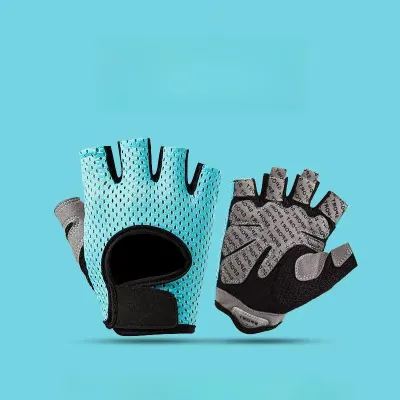

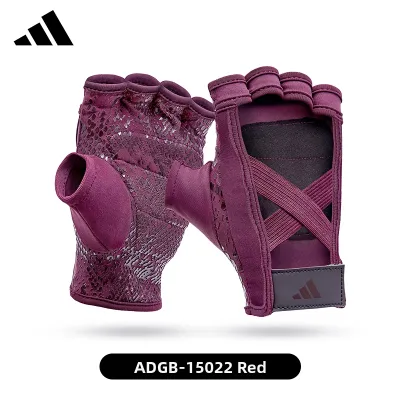
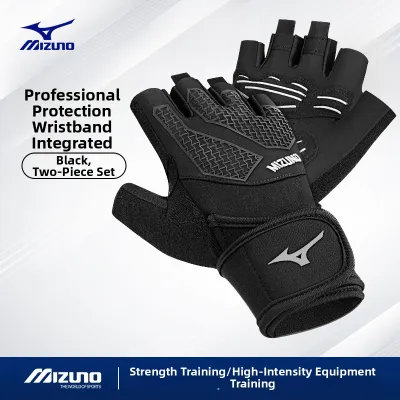
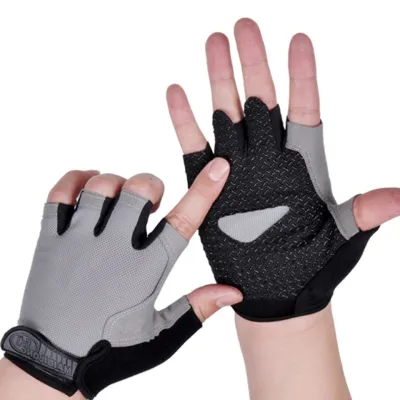
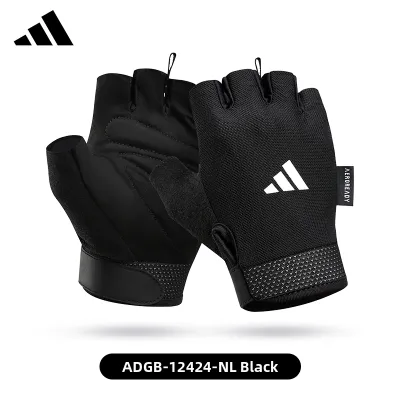
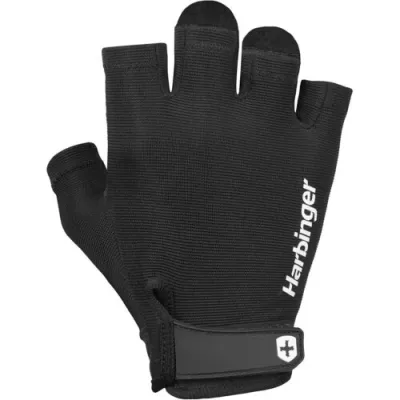
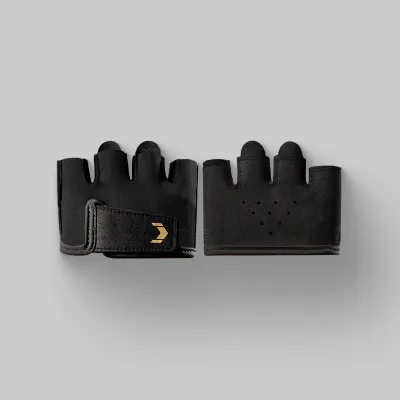
Prices are valid at publication and may change. Please refer to the product page for the latest price.
The fundamental trade-off in glove design lies between palm protection and bar feel. Thicker padding, often made of gel or dense foam, absorbs pressure and reduces discomfort when pressing heavy weights. However, this extra layer increases the effective diameter of the bar, which can make it harder to wrap your fingers securely around a barbell or dumbbell. Conversely, a thin, unpadded leather or synthetic glove preserves your natural grip mechanics and allows you to feel the knurling of the bar, but it offers less cushioning against direct pressure.
Deciding when to wear gloves versus when to train with bare hands or chalk is a personal choice that depends on your goals and training environment. Bare hands paired with liquid or powder chalk offer the most secure, slip-free connection to a barbell, which is why competitive powerlifters and weightlifters rarely wear gloves. However, chalk can be messy, and many commercial fitness centers in Singapore restrict its use to maintain cleanliness. Gloves provide a clean, self-contained alternative that manages sweat, prevents painful tears, and keeps your hands smooth.
For recreational lifters, fitness enthusiasts, and those recovering from hand injuries, gloves offer a practical solution to common gym discomforts. They act as a protective barrier against rough knurling, reducing the formation of thick calluses and preventing painful blisters that can interrupt your training consistency. If your routine involves a mix of free weights, cable machines, and bodyweight exercises, a versatile pair of gloves can help you transition smoothly between movements without constantly reapplying grip aids.
Essential Features to Evaluate Before Buying
When evaluating weightlifting gloves, the palm material is the most critical factor determining durability and grip performance. Genuine leather palms are highly durable, offer excellent natural grip, and gradually mold to the unique shape of your hands over time. However, leather requires more care, can stiffen after absorbing sweat, and is rarely machine-washable. Synthetic materials, such as microfiber or polyurethane blends, are generally more breathable, dry faster in humid conditions, and can be tossed into the washing machine to prevent odor buildup.

The thickness and placement of palm padding should align with your exercise selection. Minimalist gloves feature thin synthetic suede or textured silicone overlays that provide grip without adding bulk, making them ideal for pulling movements where bar feel is paramount. Padded gloves utilize gel or foam inserts strategically placed over the metacarpal heads and the base of the thumb. This cushioning is highly beneficial for heavy pushing exercises, such as the bench press or overhead press, where the weight rests directly on the palms.
Wrist support is another key design element that varies widely across glove models. Integrated wrist wraps feature long, adjustable elastic bands that wrap tightly around the wrist joint, providing external stability during heavy pressing movements. These are excellent for lifters who experience wrist discomfort or want extra support under maximal loads. Standard cuffs, on the other hand, end just below the wrist joint and offer no structural support, allowing for maximum joint mobility during dynamic movements like clean-and-jerks or kettlebell swings.
Breathability and moisture management are essential considerations, especially in tropical climates where sweaty hands can cause internal slipping and chafing. Look for gloves that incorporate open-mesh backing, perforated palms, or moisture-wicking fabrics to facilitate airflow. Finger length also plays a role in temperature regulation and protection; half-finger gloves are the most popular choice as they keep your fingertips free for tactile tasks, while full-finger gloves offer complete hand protection but can run much warmer.
Finally, examine the closure mechanisms and ease of removal. Most weightlifting gloves utilize a hook-and-loop strap at the wrist to secure the fit, which should be wide enough to stay fastened under tension. Because sweaty gloves can be incredibly difficult to pull off after an intense workout, look for practical design details like integrated pull tabs on the fingers or small loops between the knuckles. These small features make removing the gloves quick and hassle-free, preventing you from stretching or tearing the seams over time.
Choosing the Right Glove Profile for Specific Workouts
To optimize your performance and comfort, it is helpful to match specific glove profiles to the movement patterns and load types of your preferred workout style. Different exercises place distinct forces on your hands, meaning a glove designed for high-rep bodyweight pull-ups will perform very differently than one built for heavy bench pressing. By selecting a profile tailored to your routine, you can ensure your gear supports your movements rather than hindering them.
Heavy Barbell and Powerlifting
For heavy barbell training and powerlifting movements, the primary goal of a glove is to provide a secure grip without compromising your connection to the bar. In these scenarios, you should prioritize thin, highly durable palm materials like unpadded genuine leather or high-grip synthetic suede. These materials protect your skin from aggressive barbell knurling while keeping your hand as close to the steel as possible, ensuring your grip mechanics remain natural and stable during heavy lifts.
Wrist support becomes highly valuable when performing heavy pressing movements like the bench press or overhead press, as well as during heavy back squats where the wrists can experience extension stress. Gloves with integrated, heavy-duty wrist wraps allow you to cast the wrist joint in a neutral position, reducing fatigue and preventing hyperextension under load. However, for pulling movements like deadlifts, these wraps are less critical, and some lifters find that any glove material can slightly reduce their maximum pulling capacity compared to bare hands and chalk.
CrossFit and Functional Fitness
CrossFit and functional fitness workouts demand a highly versatile glove profile that can handle rapid transitions between gymnastics, weightlifting, and cardiovascular exercises. For these dynamic sessions, look for lightweight, highly flexible gloves with full palm coverage but minimal padding. The grip material must perform exceptionally well on smooth steel pull-up bars, textured barbells, and painted kettlebell handles, preventing friction burns during high-rep movements like toes-to-bar or chest-to-bar pull-ups.
Because these workouts generate significant sweat, secure closures and breathable backings are non-negotiable. A loose glove can slide around your hand, causing the material to bunch up and actually increase the risk of blisters or tears. Additionally, consider the trade-off between hand protection and transition speed; bulky gloves can slow you down when moving from the barbell to a rowing machine or jump rope. Many functional fitness athletes prefer minimalist hand grips or fingerless wraps that protect the primary friction zones of the palm while leaving the rest of the hand completely free.
Machine Work and High-Rep Bodybuilding
High-rep bodybuilding and machine-based training are focused on isolating specific muscle groups, which often leads to prolonged grip fatigue and localized hand pressure. For this style of training, gloves with moderate to thick gel padding are highly beneficial. The cushioning helps distribute the pressure of heavy dumbbell handles and machine grips across a larger surface area of your hand, reducing localized pain and allowing you to focus entirely on targeting the working muscle.
Since bodybuilding workouts often involve high volume and minimal rest, breathability and moisture-wicking fabrics are essential to keep your hands dry and comfortable throughout a long session. Thicker padding also helps manage the interaction with worn or overly aggressive knurling on older gym equipment, protecting your hands from constant abrasion. By reducing hand discomfort and managing grip fatigue, padded gloves can help you squeeze out those final, growth-stimulating repetitions at the end of a challenging set.
Sizing, Fit, and Pre-Purchase Checks
To ensure your weightlifting gloves perform as intended, achieving the correct fit is paramount. A glove that is too tight can restrict blood flow, limit finger mobility, and cause premature wear along the seams. Conversely, a glove that is too loose will slide around, bunch up in your palm, and actually increase the likelihood of developing blisters. To find your size, use a flexible measuring tape to measure the circumference of your dominant hand just below the knuckles, excluding the thumb, and compare this measurement to the manufacturer’s specific sizing chart.
When trying on a new pair of gloves, perform a few simple physical checks to verify the fit before heading to the gym. First, make a tight fist and check for any excessive tightness across the back of your hand or pinching around the finger openings. Next, mimic a gripping motion on a barbell or a cylindrical object to ensure the palm material lies flat against your skin without bunching up into thick ridges. Finally, adjust the wrist closure to confirm it sits securely without digging into your skin or restricting your wrist’s natural range of motion.
Before making your final purchase, especially when shopping on online marketplaces, take a moment to review the return policies and warranty conditions. Weightlifting gear is subjected to intense friction, sweat, and tension, meaning even high-quality gloves will eventually show signs of wear and tear. Checking if the retailer offers a hassle-free exchange policy for sizing issues ensures you do not get stuck with an ill-fitting pair. Additionally, look for brands that offer clear care instructions, as proper maintenance—such as air-drying your gloves after every session—will significantly extend their lifespan, especially when budgeting around S$20 to S$50 for a quality pair.
Frequently Asked Questions (FAQ)
Do weightlifting gloves weaken grip strength?
Weightlifting gloves do not directly weaken your forearm muscles, but thick padding can alter your grip mechanics by increasing the effective diameter of the bar. A thicker bar requires more hand strength to hold securely, which can cause your grip to fatigue faster during heavy pulling exercises. To prevent your grip strength from lagging behind your major muscle groups, consider balancing your glove use by performing warm-up sets or dedicated grip training exercises with bare hands.
Should I use gloves or lifting straps for deadlifts?
Gloves and lifting straps serve entirely different purposes during heavy pulling movements like deadlifts. Gloves are designed to protect the skin of your palms from friction and improve traction against sweat, but they do not assist your muscles in holding onto the weight. Lifting straps, however, physically bind your wrists to the barbell, taking the load off your grip entirely so you can lift heavier weights without your hands failing. For maximal deadlifts where grip is the limiting factor, lifting straps are the appropriate tool, whereas gloves are better suited for general hand protection during moderate-weight training.
Community discussion
Share your experience or ask a question. Comments are reviewed before publication.