
Choosing the right tennis grip is one of the most immediate ways a beginner can improve comfort, control, and overall enjoyment on the court. For those starting out with a Wilson racket, or looking to upgrade their current setup, navigating the variety of grip options can feel overwhelming. The ideal choice depends on whether you need to replace a worn-out base layer or simply want to add a fresh, sweat-absorbing surface. For the vast majority of beginners, applying a high-quality overgrip over the factory-installed base grip is the most practical, comfortable, and cost-effective solution.
A proper grip does more than just prevent the racket from slipping out of your hand. It acts as the primary interface between your body and the racket, dampening harsh vibrations from off-center hits and allowing you to maintain a relaxed hand position. By understanding the differences between grip types, evaluating key material factors, and matching them to your playing environment, you can set yourself up for a much smoother learning curve.
Understanding Wilson Grip Types for Beginners
To make an informed purchase, you must first understand that tennis grips are divided into two distinct categories: replacement grips and overgrips. These two products serve entirely different structural purposes on your racket handle.
Products mentioned in this guide
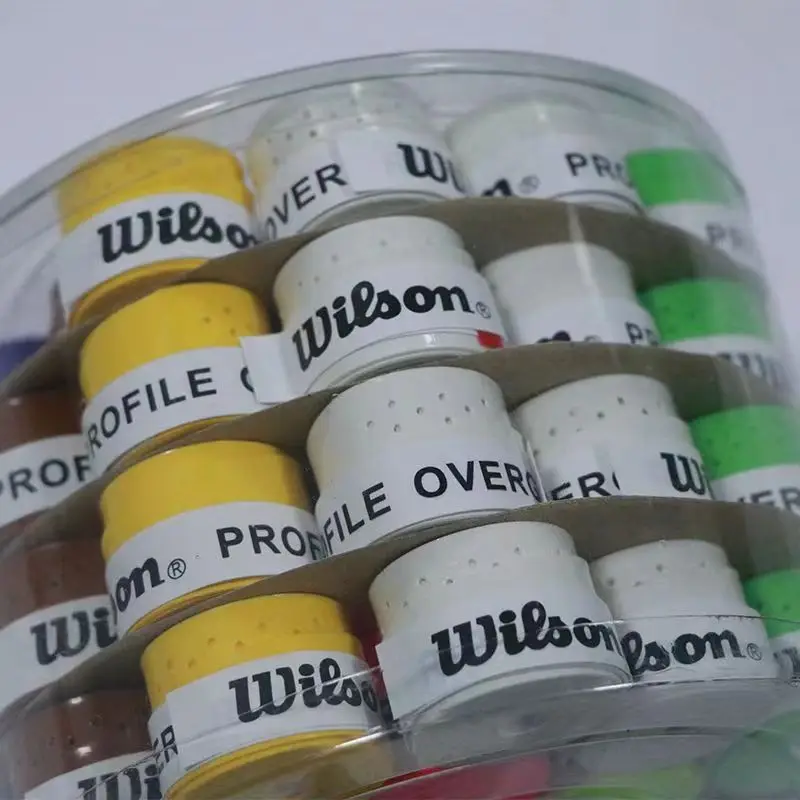
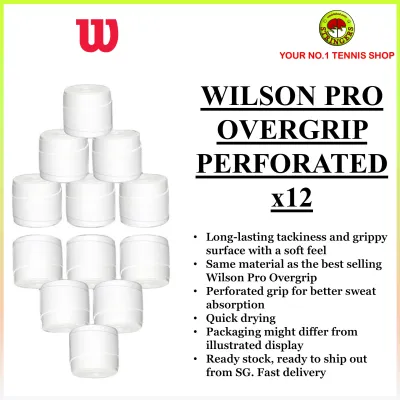
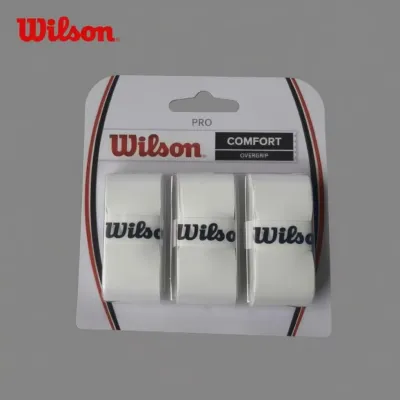
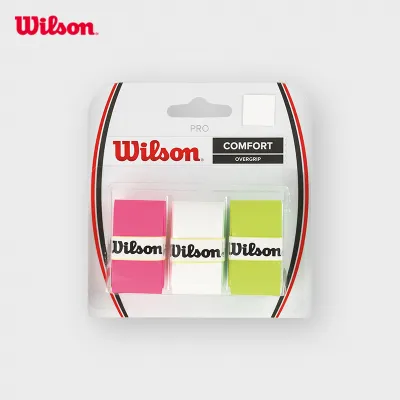
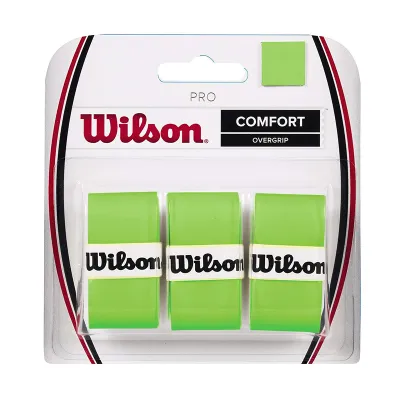
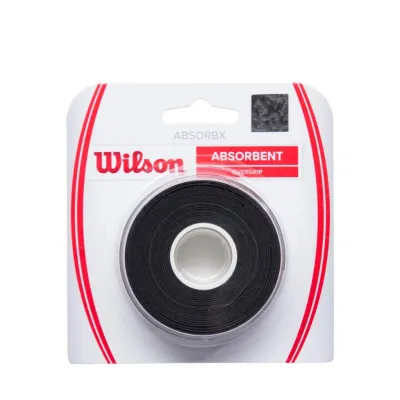
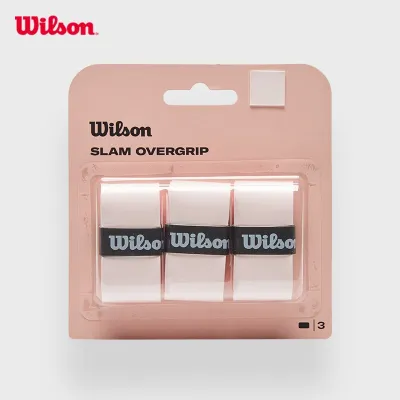
Prices are valid at publication and may change. Please refer to the product page for the latest price.
A replacement grip is the thick, cushioned foundational layer that wraps directly around the bare handle pallet of the racket. It is designed to provide the primary shock absorption and to define the bevels—the flat, angled edges of the handle that help you feel and adjust your grip alignment without looking. Because they are thick and durable, replacement grips are meant to stay on the racket for a long time, often lasting for many months of casual play.
An overgrip, on the other hand, is a much thinner, highly stretchable band of material designed to be wrapped directly on top of an existing replacement grip. Overgrips are temporary, consumable items meant to be replaced frequently. They provide the immediate surface texture, whether that is a sticky tackiness or a dry, cloth-like feel, and they bear the brunt of your hand sweat and friction.
For beginners, starting with an overgrip is highly recommended. New rackets almost always come with a high-quality factory-installed replacement grip. Instead of removing this base layer, wrapping an inexpensive overgrip over it protects the original material from wearing down. This approach also allows you to easily experiment with different textures and thicknesses to find what feels best for your hands without committing to a complex installation process.
Key Selection Factors for Beginner Tennis Players
When evaluating different Wilson grips, you should focus on practical physical feedback rather than advanced performance marketing. The right grip should make the racket feel like an extension of your arm, reducing the need to squeeze the handle excessively.

Thickness and Cushioning
The thickness of a grip directly influences how much shock is transmitted to your hand and how large the handle feels in your palm. Standard overgrips typically range from 0.4mm to 0.6mm in thickness. A thicker grip provides more cushioning, which is highly beneficial for beginners whose hands and forearms are not yet conditioned to the repetitive impact of hitting a tennis ball. However, adding a thick grip increases the overall handle size. If the handle becomes too large, it can round out the bevels, making it difficult to locate the correct grip positions for different strokes.
Tackiness Versus Dry Feel
Grip surfaces generally fall into two categories: tacky and dry. Tacky grips have a sticky, adhesive-like surface that offers high friction, allowing you to maintain a secure hold with minimal hand pressure. This is excellent for players who want to prevent the racket from twisting during off-center hits. A dry feel, often resembling a soft suede or microfiber cloth, focuses on moisture absorption. In hot, humid climates like Singapore, players who sweat heavily often find that tacky grips become slick and slippery when wet. For these conditions, a dry-feel grip that actively wicks moisture away is often the more secure option.
Durability and Material Wear
Beginners tend to hold the racket with a very tight grip, often referred to as a tight squeeze. This excessive tension, combined with slightly off-center hits, causes rapid wear in specific areas of the grip, such as under the heel of the palm and around the thumb. Polyurethane is the standard material used in high-quality grips, offering a balance of stretch, comfort, and durability. While overgrips are designed to be replaced regularly, choosing a material with a slightly denser composition can extend the time between wraps, especially during long practice sessions.
Which Wilson Grip Category Fits Your Beginner Needs?
To simplify your decision, you can categorize your needs based on your physical traits, playing style, and local environmental conditions. Matching your specific situation to the right grip category will ensure a much more comfortable experience on the court.
For Players in Humid Conditions or with Heavy Sweat
If you play on outdoor courts in tropical climates or find that your hands sweat quickly during warm-up, your primary challenge is maintaining a secure hold on the racket. You should look for Wilson overgrips specifically labeled as absorbent or dry feel. These grips utilize porous polyurethane blends that draw moisture away from the surface, preserving friction even when saturated. Using a tacky grip in these conditions can lead to the racket twisting in your hand, which often causes mishits and wrist strain.
For Players Seeking Extra Comfort and Vibration Dampening
If you experience hand fatigue, blisters, or mild soreness in your forearm after playing, you likely need more cushioning. Beginners often benefit from thicker, padded replacement grips or cushioned overgrips. The extra material depth helps absorb the harsh vibrations of off-center hits, which are common when learning to find the sweet spot of the racket. This added padding also allows you to loosen your grip pressure, promoting a more relaxed and fluid swing technique.
For Players Wanting Maximum Racket Feedback
If you want to focus on learning correct grip transitions—such as switching from a forehand grip to a backhand grip—you need to feel the handle’s bevels clearly. In this case, look for ultra-thin overgrips. These thin layers protect the underlying base grip without altering the handle’s original dimensions or rounding out the sharp edges of the pallet. This tactile feedback is crucial for developing muscle memory and ensuring your hand is aligned correctly for every shot.
What to Verify Before Buying and Installing
Before purchasing a grip, taking a few moments to verify product details and your racket’s current condition will save you time and prevent installation issues.
Check the Packaging Labels
Always read the packaging carefully to confirm whether you are buying a replacement grip or an overgrip. Replacement grips are typically sold individually and feature an adhesive backing along the entire length of the strip. Overgrips are usually sold in multi-packs and only have a small piece of adhesive tape at one end to secure the finish. Additionally, check the thickness specifications printed on the packaging to ensure it aligns with your comfort preferences.
Verify Handle Size and Base Grip Condition
Adding an overgrip will slightly increase the size of your racket handle. Before wrapping, ensure that your racket’s current handle size is comfortable. If the handle already feels too large, adding a thick overgrip may make it uncomfortable to hold. Furthermore, inspect the factory-installed base grip. If the base grip is crumbling, peeling, or leaving sticky black residue on your hands, wrapping an overgrip over it will not solve the underlying issue. In this scenario, you must replace the base grip entirely before applying any top layers.
Understand Installation Boundaries
Wrapping a grip requires a steady hand and even tension. When installing an overgrip, start at the butt cap of the racket, wrapping tightly and overlapping the material by about one-eighth of an inch as you work your way up to the top of the handle. If you notice that the underlying base grip is severely damaged, uneven, or sliding off the handle pallet, stop the process. Applying an overgrip over a compromised base will result in an uneven surface and poor playability. If you are uncomfortable replacing a base grip yourself, visit a local tennis pro shop where a professional can install it correctly.
Frequently Asked Questions (FAQ)
How often should a beginner change their tennis overgrip?
A beginner should change their overgrip based on visible and tactile wear rather than a strict calendar schedule. Look for clear signs of degradation, such as a loss of surface tackiness, a slippery feel when dry, visible tearing, thinning of the material, or significant dirt buildup and discoloration. If you play once or twice a week, you may find that an overgrip lasts anywhere from three to six weeks. However, if you play in high humidity or sweat heavily, you may need to replace the overgrip much more frequently to maintain a safe and secure hold.
Can I put an overgrip directly on the bare racket handle?
No, you should never apply an overgrip directly to the bare wooden or composite handle pallet of a tennis racket. Overgrips are too thin to provide the necessary shock absorption, which can quickly lead to hand pain, blisters, and increased vibration traveling up your arm. Furthermore, the hard edges of the bare handle pallet can easily cut through the thin overgrip material, damaging both the grip and potentially the racket handle itself. A structurally sound replacement grip or factory base grip must always be installed first to provide the essential foundation.
Does the color of a Wilson grip affect its performance?
Yes, the color of a grip can subtly influence its tactile feel due to the chemical dyes used during manufacturing. Many players and stringers observe that white overgrips often feel slightly more tacky and soft compared to colored or black variants. This is because white polyurethane does not require the heavy color pigments that can sometimes alter the material’s natural texture and absorption properties. While the difference is subtle, beginners who are highly sensitive to grip feel should prioritize white or neutral options, focusing primarily on thickness and absorption specifications rather than matching the grip color to their racket cosmetics.
Community discussion
Share your experience or ask a question. Comments are reviewed before publication.