
Selecting the right Wilson racket bag size depends on balancing your current gear inventory, your future commitment to the sport, and how you travel to the court. While a beginner might assume any bag that fits a racket will suffice, choosing a size that matches your playing frequency and accessory needs prevents premature wear on your equipment and makes your commute significantly easier. By evaluating your gear loadout and understanding standard capacity tiers, you can find a bag that keeps your rackets secure without carrying unnecessary bulk.
Assess Your Current Gear and Playing Routine
Beginners usually start with one or two rackets. If you play casually once a week, a single racket is often enough to get started. However, as you progress or begin playing in local recreational leagues, carrying a second identical racket becomes practical in case of string breakage. If you plan to scale up your skills quickly, your bag needs to accommodate these extra frames without forcing them against each other.
Tennis also requires more than just rackets. You must account for court shoes, cans of tennis balls, replacement overgrips, wristbands, a towel, and a water bottle. If you prefer to change out of your clay- or hard-court shoes immediately after a session, your bag must have enough volume to house bulky footwear alongside your other gear without crushing your rackets.
Products mentioned in this guide
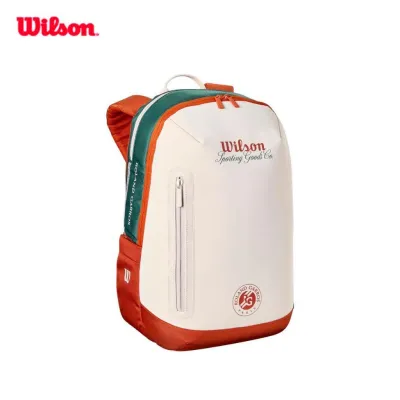
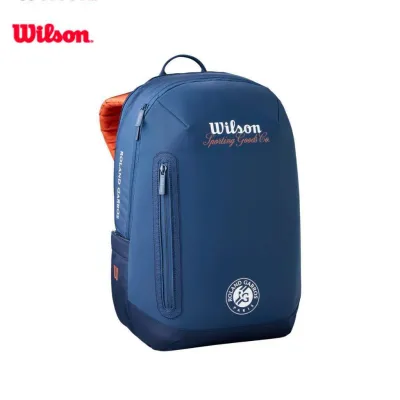
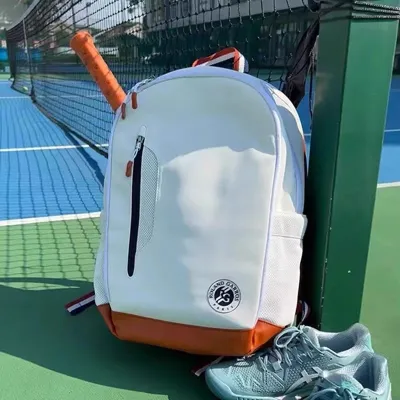
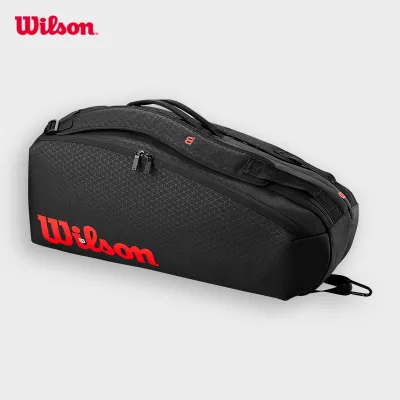
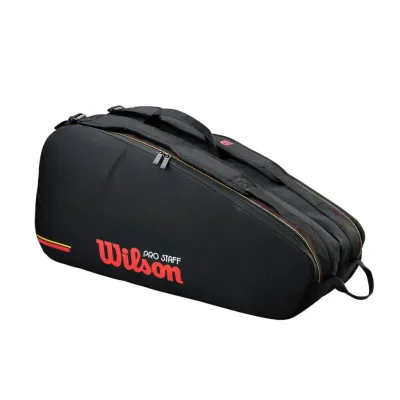
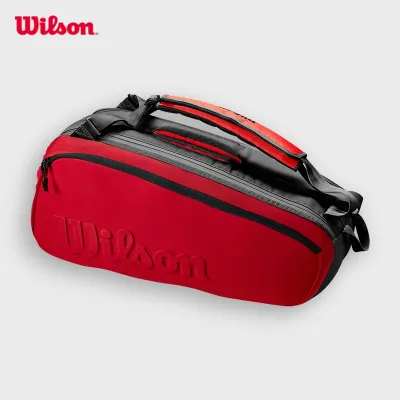
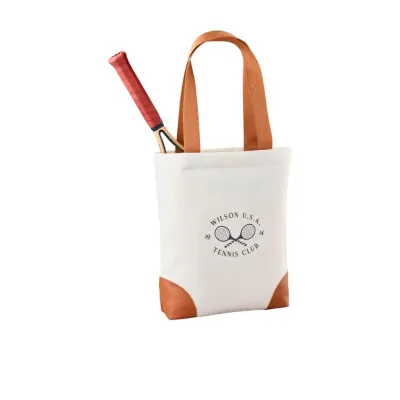
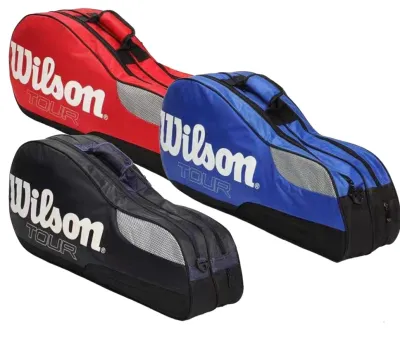
Prices are valid at publication and may change. Please refer to the product page for the latest price.
Your transportation method directly influences the ideal bag shape and size. Commuting via public transport like the MRT or buses in Singapore, or cycling to the courts, requires a streamlined, hands-free option like a tennis backpack or a compact 3-pack bag with comfortable straps. Furthermore, Singapore’s high humidity and tropical heat mean you will likely end a session with sweat-soaked apparel and towels. Having a dedicated, isolated space for wet gear is essential to prevent moisture and odor from transferring to your clean equipment and racket grips.
Understand Wilson Racket Bag Capacity Options
This category includes specialized tennis backpacks, totes, and slim, single-compartment covers. These designs are optimized for players who travel light, typically holding one or two rackets in a dedicated rear compartment while leaving the main section free for a change of clothes, a water bottle, and minor accessories. They are highly portable and fit easily into lockers or public transport spaces.

Mid-sized bags, often referred to as 6-packs, feature two main compartments. While they can technically hold six bare rackets, their practical layout for most players involves using one compartment for two or three rackets and the second compartment for shoes, balls, and apparel. This size offers an excellent middle ground, providing structured organization without the massive footprint of professional tour bags.
These large, multi-compartment tour bags are designed for competitive players who carry multiple backup rackets, training aids, and extensive gear. They often feature three main compartments, advanced carrying systems, and specialized accessory pockets. For beginners, these bags are generally oversized, heavy, and unnecessary unless you regularly travel for multi-day tournaments or need to carry equipment for multiple family members.
When browsing different models, always verify the manufacturer’s product descriptions and labels for exact dimensions and liter capacity. Racket compartment lengths can vary, and checking these specifications ensures your specific racket head size and length will fit comfortably without stretching the zippers or bending the frame.
Match Your Beginner Needs to the Right Size
If you are stepping onto the court once or twice a month for friendly rallies, a tennis-specific backpack or a 3-pack bag is highly recommended. These options provide a lightweight, cost-effective solution that easily holds your primary racket, a tube of balls, and your keys or phone. They keep your gear organized without requiring a significant financial investment or taking up excessive storage space at home.
For those taking regular weekly lessons or joining social match-play groups, upgrading to a 6-pack bag is a smart long-term decision. This size allows you to carry a backup racket, store your dedicated court shoes separately, and keep a fresh change of clothes dry. It accommodates your growing gear collection as you experiment with different strings, dampeners, and training accessories.
It is important to monitor how your gear fits into your current bag to determine if you need to adjust your setup. If you find yourself struggling to pull zippers shut, forcing racket handles to stick out at awkward angles, or noticing that your grips are getting scuffed by other items, your bag is too small. Conversely, if you are carrying a massive 12-pack bag that remains mostly empty, the lack of structure can cause your rackets to slide around inside, potentially leading to cosmetic damage or frame warping during transit.
Essential Features to Verify Before Buying
High temperatures can quickly degrade tennis string tension and damage racket frames. Look for bags equipped with specialized thermal linings in the racket compartments. These insulated sections help regulate the internal temperature, protecting your equipment from the intense heat of outdoor courts or the trunk of a car parked in the sun.
Evaluate the strap system based on how far you have to carry your gear. If you walk or commute long distances, dual padded backpack straps with adjustable chest clips are vital for distributing weight evenly across your shoulders and back. For short walks from a car park directly to the court, a single shoulder strap or simple grab handles may be perfectly adequate.
Keeping dirty, dusty court shoes away from your clean rackets and apparel is crucial for maintaining your gear. Verify if the bag features a dedicated shoe compartment, preferably one with ventilation mesh to allow moisture to escape. Similarly, separate zippered pockets for damp towels or sweaty wristbands help maintain hygiene and prevent mold growth inside the main storage areas.
Frequently Asked Questions (FAQ)
Can I use a standard sports backpack instead of a dedicated Wilson racket bag?
While a standard backpack can physically hold a racket, it lacks the specialized design elements needed to protect your gear. Standard backpacks usually leave the racket handle completely exposed and unsupported, which can cause the racket to wobble, scratch, or fall out during transit. Dedicated tennis bags feature angled zippers, secure straps, and shaped compartments that hold the frame snugly, preventing unnecessary movement and protecting the delicate grommets and strings from friction damage.
How do I clean and maintain my Wilson tennis bag?
To keep your bag in top condition, regularly empty all compartments and shake out any loose court debris, sand, or dirt. Wipe down the interior and exterior surfaces with a damp cloth and mild soap, avoiding harsh chemical cleaners that could damage water-resistant coatings. Always allow the bag to air dry completely in a shaded, well-ventilated area before zipping it back up, and check the manufacturer’s care label for any specific washing restrictions or material guidelines.
Community discussion
Share your experience or ask a question. Comments are reviewed before publication.