
Starting tennis in Singapore is an exciting venture, but many beginners overlook the most critical point of contact: the racket grip. A secure hold on your racket determines your control, comfort, and confidence on the court. For those choosing a Wilson tennis grip, the options can seem overwhelming. The right choice is not about finding a single universally perfect product, but rather understanding how your hands interact with the racket in Singapore’s unique tropical climate. Whether you are playing on a humid outdoor court or in a sheltered indoor facility, selecting the correct grip type will directly impact your learning curve and prevent unnecessary frustration.
Understanding the Difference: Replacement Grips vs. Overgrips
To make an informed purchase, you must first distinguish between the two primary categories of tennis grips: replacement grips and overgrips. A replacement grip, often referred to as a base grip, is the thick, cushioned layer that is wrapped directly onto the bare wooden or composite handle of the racket. This grip is designed to provide the foundational structure of the handle, defining the eight distinct bevels that players use to align their hands for different strokes. It offers substantial shock absorption and cushioning to protect your hand from the vibrations of ball impact. Because of their thickness and structural role, replacement grips are relatively durable and do not need to be changed frequently unless they become severely worn, compressed, or damaged.
In contrast, an overgrip is a much thinner, highly flexible strip of material designed to be wrapped on top of an existing replacement grip. Overgrips are significantly less expensive and are meant to be replaced regularly. Their primary purpose is to manage moisture, provide a specific surface texture (either tacky or dry), and protect the underlying base grip from sweat, dirt, and friction. For most beginners in Singapore who have recently purchased a new racket, the factory-installed base grip is already in excellent condition. Therefore, your immediate purchase should focus on overgrips. Adding an overgrip is the most practical and cost-effective way to customize the feel of your racket, manage sweat, and maintain a hygienic playing surface without altering the fundamental size of your racket handle.
Products mentioned in this guide
![Wilson Pro Overgrip Perforated [Suitable for tennis badminton pickleball padel]](https://img.lazcdn.com/g/p/948efaeebcfcd9666ff027b8536e59b9.jpg_400x400q80.jpg_.webp)
![Wilson Absorbx Overgrip [Suitable for tennis badminton pickbleball padel]](https://img.lazcdn.com/g/p/7d816277b650e23cd1af0f397baf46dd.jpg_400x400q80.jpg_.webp)

Prices are valid at publication and may change. Please refer to the product page for the latest price.
Key Factors to Consider Before Buying a Wilson Grip
Before browsing the shelves or online listings, you need to evaluate several personal and environmental factors that will dictate which grip characteristics will serve you best.

The first and most critical factor is sweat management in relation to Singapore’s climate. The local tropical weather features consistently high humidity and warm temperatures, which inevitably lead to sweaty hands during play. If you tend to sweat heavily, a grip that prioritizes moisture absorption is essential to prevent the racket from twisting in your hand during a swing. Conversely, if you play primarily in air-conditioned indoor courts or do not sweat excessively, a grip that offers a sticky, tacky surface will provide a more secure, locked-in feel.
The second factor is grip thickness and its effect on racket control. A standard overgrip adds a small amount of thickness to the handle, typically ranging from 0.4mm to 0.6mm. While this may seem negligible, it can subtly alter how you feel the bevels of the handle. For beginners, feeling these bevels is crucial for learning correct grip positions, such as the Continental grip for serves or the Eastern grip for forehands. A grip that is too thick can round out these edges, making it difficult to index your hand correctly. If your racket handle already feels slightly too large, look for ultra-thin overgrip options that provide sweat absorption without adding bulk.
Finally, you must balance durability against immediate comfort. Softer, highly cushioned grips offer excellent shock absorption, which can be highly beneficial for beginners whose hand muscles are still adapting to the physical demands of tennis. However, these cushioned materials tend to wear out and lose their structural integrity faster than denser, thinner grips. Tacky grips also tend to collect dust and lint more quickly, which rapidly reduces their adhesive feel. You should consider how often you are willing to re-wrap your racket and choose a grip style that matches your maintenance preferences.
Matching Wilson Grip Types to Your Playing Conditions
Wilson categorizes its grips into distinct types based on their material properties and intended performance benefits. Understanding these categories allows you to match the grip to your specific playing environment.
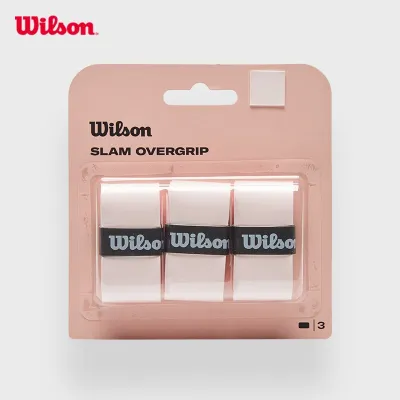
Tacky overgrips are designed for players who want a high-friction, sticky surface. These grips utilize a smooth polyurethane coating that creates a strong bond with your skin, allowing you to maintain a relaxed grip pressure while still keeping complete control of the racket. This is highly beneficial for beginners, as a relaxed hand prevents forearm fatigue and tension. These grips perform exceptionally well in moderate temperatures or indoor settings where sweat accumulation is minimal.
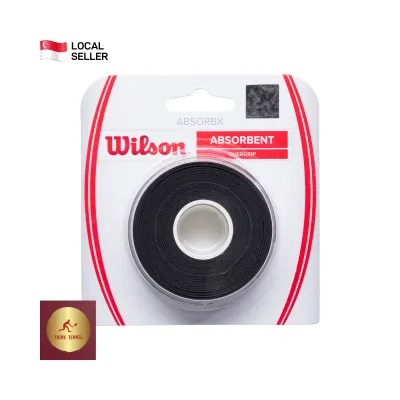
Absorbent or dry overgrips are engineered specifically for high-moisture conditions. They feature a more porous, felt-like texture that actively draws sweat away from the surface, much like a high-performance towel. If you are playing on outdoor public courts under the midday sun, an absorbent grip is often the only way to keep the racket from slipping out of your hand. While they do not feel sticky to the touch, they provide a secure, dry texture that remains reliable even when completely saturated.
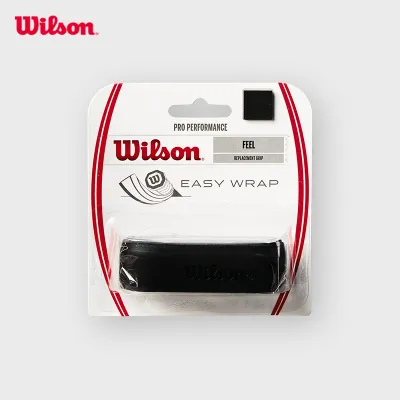
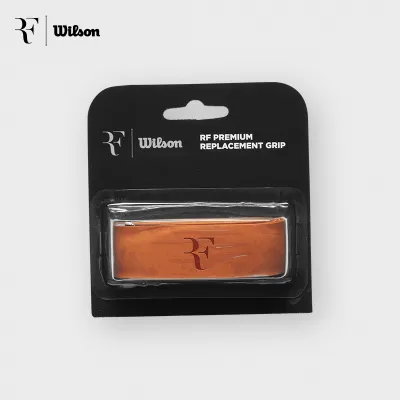
Replacement grips should be considered if you are restoring an older racket, if the factory grip has begun to crumble, or if you require significant extra cushioning. These grips are much thicker and often feature internal foam ribs or gel inserts to maximize shock absorption. For beginners, a standard synthetic replacement grip is usually sufficient, as it provides a balanced blend of comfort and bevel feel.
To help you visualize these options, the table below outlines the general characteristics of each grip type:
| Grip Type | Primary Benefits | Ideal Court Conditions | Packaging Details to Check |
|---|---|---|---|
| Tacky Overgrip | High surface friction, secure feel with light grip pressure | Indoor courts, evening play, low-to-moderate sweat | Look for "Tack", "Feel", or "Smooth" labels |
| Dry/Absorbent Overgrip | Excellent moisture management, slip prevention | Outdoor courts, high humidity, heavy sweat | Look for "Dry", "Absorbent", or "Moisture" labels |
| Replacement Grip | Core cushioning, shock absorption, handle restoration | Any condition (as a base layer under an overgrip) | Look for "Replacement", "Cushion", or "Base" labels |
Where to Buy Authentic Wilson Grips in Singapore
Finding genuine Wilson tennis grips in Singapore is straightforward if you know where to look, but it is important to avoid counterfeit products that lack the durability and performance of authentic materials.
For a reliable hands-on shopping experience, visit specialized tennis pro shops or established multi-brand sporting goods retailers. Specialized pro shops, often located near major tennis centers or within commercial hubs, are excellent resources because the staff can offer personalized advice and even help you wrap your racket for the first time. These physical stores source their inventory directly from authorized distributors, ensuring authenticity.
If you prefer shopping online, utilize reputable e-commerce platforms but exercise caution. Always look for official brand stores or sellers with high ratings and verified customer reviews. Avoid unverified third-party listings that offer prices that seem too good to be true, as counterfeit grips are common on online marketplaces. These fake grips often look identical to genuine ones but use cheap materials that offer no sweat absorption and wear out after a single session.
When your grips arrive, verify their authenticity by inspecting the packaging. Genuine Wilson packaging features clean, high-quality printing, clear product specifications, and often a holographic security sticker. The material itself should feel consistent, without any chemical odors or uneven thickness.
To get the best value, consider your playing frequency. If you play once a week, a standard 3-pack of overgrips (typically priced between S$10 and S$15) is a practical starting point. However, if you play multiple times a week in Singapore’s humid climate, purchasing a 12-pack or a larger reel (ranging from S$30 to S$45) offers a much lower cost per unit and ensures you always have a fresh grip ready when your current one loses its effectiveness.
How to Apply and Know When to Replace Your Grip
Applying an overgrip correctly is a fundamental skill that every beginner should learn. Start by removing the adhesive backing from the tapered end of the overgrip and securing it to the bottom of the racket’s butt cap. Hold the racket firmly and begin wrapping the grip upward, rotating the racket handle as you go. Maintain a consistent, moderate tension on the grip strip; stretching it too tightly will make it too thin and reduce its cushioning, while wrapping it too loosely will cause it to bunch up and slip during play. Overlap each turn by approximately 2 to 3 millimeters to ensure complete coverage without creating bulky ridges. Once you reach the top of the handle, cut any excess material at an angle and secure it tightly with the included finishing tape.
Knowing when to replace your grip is essential for maintaining control and preventing injury. You should inspect your grip before every session. Visual signs of wear include noticeable discoloration, dark patches from sweat and dirt, fraying edges, or physical tears in the material. Tactile signs are even more critical: if the grip feels slick, slippery, or has lost its cushioned bounce, it is time for a change. Playing with a worn-out grip forces you to squeeze the handle harder, which can lead to wrist strain and tennis elbow.
To prolong the lifespan of your unused grips, store them properly. Singapore’s high humidity can degrade the adhesive backing and the polyurethane coating over time, even if the grips are unused. Keep your spare grips in a sealed, airtight plastic bag and store them in a cool, dry place inside your tennis bag, away from direct sunlight and extreme heat, such as the trunk of a car.
Frequently Asked Questions (FAQ)
Do I need to remove the original plastic wrap on a new racket handle?
Yes, you must completely remove the clear factory plastic wrap before applying any overgrip or replacement grip. The plastic wrap is only intended to protect the handle during shipping and retail display. Leaving it on prevents the overgrip from adhering properly to the base grip, causing it to slide and twist during play. Furthermore, the plastic acts as a barrier that traps sweat and moisture against the handle, which can damage the underlying wood or synthetic material over time and create a breeding ground for bacteria.
How often should a beginner change their overgrip?
There is no fixed calendar schedule for changing an overgrip, as it depends entirely on your playing frequency, sweat levels, and the court environment. As a general guideline, a beginner playing once or twice a week in Singapore’s humid conditions should expect to change their overgrip every 4 to 6 sessions, or roughly once a month. However, if you notice that the grip has lost its tackiness, feels slippery, or shows visible dirt and wear, you should replace it immediately to ensure optimal control and safety on the court.

Community discussion
Share your experience or ask a question. Comments are reviewed before publication.