
Selecting the right tennis grip is one of the most immediate ways a beginner can improve comfort, control, and confidence on the court. When starting out, many players overlook the grip, yet it is the only point of contact between your hand and the racket. For beginners using Wilson equipment, the ideal starting setup is typically a fresh overgrip wrapped over the factory-installed replacement grip. This combination provides a balance of cushioning to absorb shock and surface texture to prevent the racket from twisting during off-center hits.
In tropical, high-humidity environments like Singapore, choosing the correct grip surface is not just about comfort—it is a safety and performance necessity. A grip that becomes slick from sweat can slip mid-swing, leading to poor shots or minor wrist strain as you instinctively squeeze the handle too tightly. By understanding how different Wilson grip options perform under various conditions, you can make an informed decision that supports your learning curve and keeps your focus entirely on developing proper stroke mechanics.
Understanding Tennis Grips: Overgrips vs. Replacement Grips
To make an informed purchase, beginners must first understand the structural difference between the two types of grips available: replacement grips (often called base grips) and overgrips. A replacement grip is a thick, cushioned band applied directly to the bare wooden or composite handle of the racket. It is designed to provide the primary layer of shock absorption, protecting your hand and arm from the harsh vibrations of ball impact. Replacement grips also define the base handle size of your racket. Because they are thick and durable, they are designed to last for months of regular play before needing a complete swap.
Products mentioned in this guide
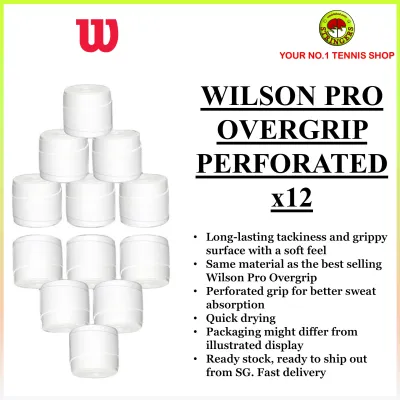
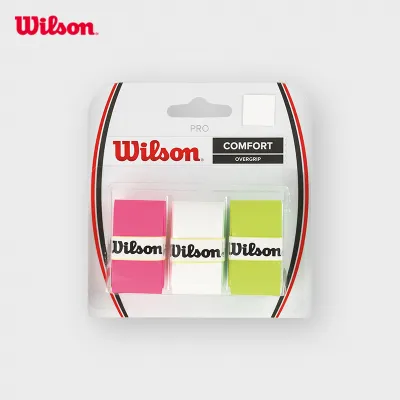
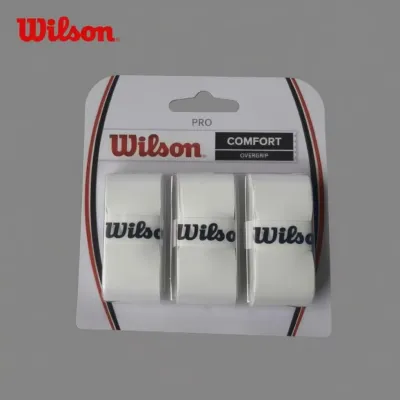
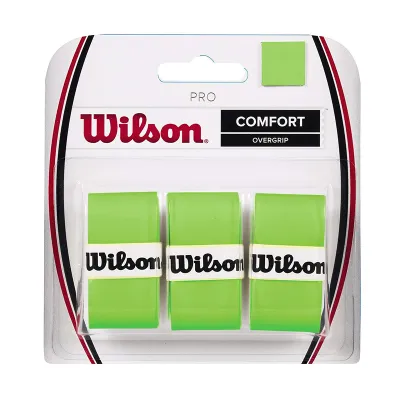
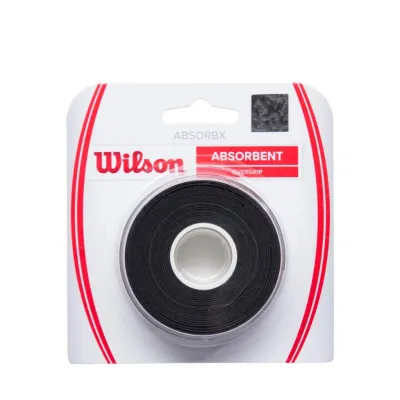
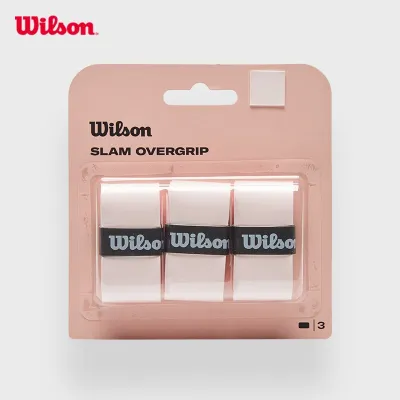
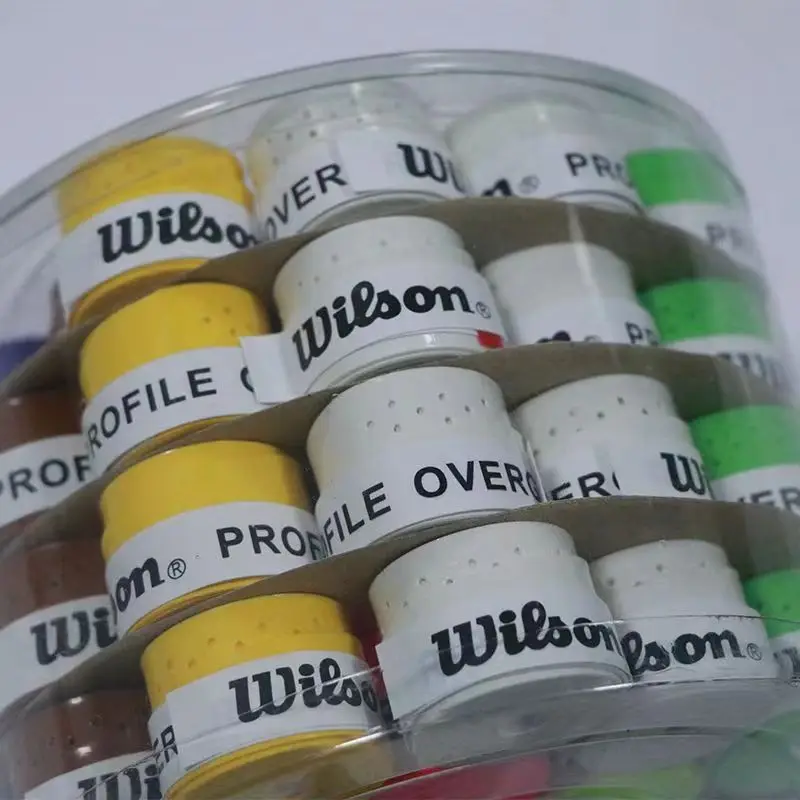
Prices are valid at publication and may change. Please refer to the product page for the latest price.
An overgrip, on the other hand, is a much thinner, highly flexible strip of polyurethane wrapped directly on top of the replacement grip. Overgrips are designed to be temporary, sacrificial layers. Their primary roles are to provide immediate surface feel—whether that is a sticky, tacky sensation or a dry, velvety texture—and to absorb sweat before it can saturate the underlying base grip. Overgrips are significantly less expensive than replacement grips, making them easy to swap out whenever they lose their performance properties.
For most beginners, the most practical approach is to leave the factory-installed replacement grip on the racket and immediately apply a fresh overgrip over it. This setup preserves the pristine condition of the original base grip underneath while allowing you to customize the outer texture to match your hand size and sweat levels. Wrapping an overgrip also slightly increases the handle size (by about half a grip size, or roughly 1.5 millimeters), which can help players who find their current racket handle just a fraction too small.
Key Factors for Beginners When Selecting a Wilson Grip
When evaluating different Wilson grip options, beginners should focus on three primary performance characteristics: surface texture (tackiness versus dryness), thickness, and overall durability. Balancing these factors ensures that your racket feels secure in your hand without requiring excessive muscular effort to hold it.

The choice between tackiness and dryness is highly personal and depends largely on how much your hands sweat during play. Tacky grips feature a smooth, slightly sticky polyurethane coating that adheres naturally to dry skin. This stickiness allows you to maintain a relaxed, loose grip on the handle, which is essential for generating racket head speed and executing fluid strokes. Conversely, dry-feel grips have a soft, suede-like texture designed to wick moisture away from the skin. If your hands sweat heavily, a tacky grip can quickly turn into a slippery slide, whereas a dry grip will absorb the moisture and maintain a reliable, non-slip surface.
Thickness is another critical variable that directly affects both comfort and control. Thicker overgrips (typically around 0.6mm or thicker) offer enhanced cushioning and vibration dampening. This is highly beneficial for beginners who are still developing clean contact, as it softens the feel of off-center hits. However, thicker grips also round out the bevels (the flat edges) of the racket handle, making it harder to feel the orientation of the racket face without looking at it. Thinner overgrips (around 0.4mm to 0.5mm) preserve the sharp definition of the handle bevels, which helps beginners learn to transition quickly between different grip styles, such as moving from a forehand grip to a continental volley grip.
Finally, durability and texture play a significant role in how often you will need to maintain your equipment. Beginners often hold the racket with a “death grip”—squeezing far harder than necessary due to tension or lack of confidence. This intense friction can cause smooth, soft overgrips to wear down, tear, or peel prematurely. Opting for a grip with a slightly textured or treaded surface can provide mechanical traction, helping you keep a secure hold with less physical squeezing, which in turn extends the lifespan of the grip material.
Matching Grip Profiles to Your Playing Conditions
Your physical tendencies and the local climate should dictate your final grip selection. In Singapore, where outdoor tennis courts are exposed to intense tropical heat and high humidity, managing sweat is a constant challenge. Under these conditions, a beginner playing on an outdoor court will almost always benefit from prioritizing an absorbent, dry-feel overgrip. These grips act like a towel, pulling moisture away from your palm to ensure the racket does not twist or slip during a fast swing. If you choose a highly tacky grip in a humid environment without using wristbands, the sweat can pool on the surface, creating a highly unstable connection.
Conversely, if you primarily play in air-conditioned indoor facilities or during cooler, dry evening hours, your hands may remain relatively dry. In these scenarios, a tacky overgrip is highly effective. The sticky surface provides an immediate sense of security, allowing you to keep your hand relaxed. A relaxed hand leads to a flexible wrist, which is crucial for learning how to generate spin and power on your shots.
For beginners who experience early signs of hand fatigue, finger blisters, or mild wrist discomfort, the focus should shift toward maximizing shock absorption. You can achieve this by selecting a slightly thicker, cushioned replacement grip as your base, or by wrapping a thicker overgrip with minimal overlap to avoid making the handle too bulky. While a cushioned grip can help mitigate the harsh vibrations of ball impact, it is important to remember that equipment adjustments are secondary to proper technique. If you experience persistent pain, you should stop playing, consult a certified tennis coach to evaluate your stroke mechanics, and seek advice from a medical professional.
Step-by-Step Guide to Applying and Maintaining Your Grip
Applying a new overgrip is a fundamental skill that every tennis player should master. A poorly wrapped grip can bunch up, slip, or create uncomfortable ridges that interfere with your play. Follow these steps to ensure a clean, professional installation:
First, prepare the racket handle. Peel off the old overgrip and discard it along with the old finishing tape. Inspect the underlying replacement grip; if it is dirty, crumbling, or showing deep indentations, wipe it down with a dry cloth or replace it entirely. Ensure the surface is completely dry and free of adhesive residue before proceeding.
Next, begin the wrapping process. Unroll your new Wilson overgrip and locate the tapered end, which usually features a small adhesive tab. Remove the plastic backing from the entire grip. Place the adhesive tab flat against the very bottom edge of the racket’s butt cap. Hold it firmly with your thumb and wrap the grip around the base for one full turn to anchor it securely.
Once anchored, begin wrapping upward toward the racket throat at a slight diagonal angle. It is crucial to maintain consistent, firm tension throughout the process. Pulling the grip too tightly will stretch the polyurethane, thinning it out and reducing its cushioning properties. Wrapping too loosely will cause the grip to bunch up or slide down the handle during play. As you wrap upward, overlap each layer by approximately 2 to 3 millimeters. Keep the overlap consistent to ensure a smooth, uniform surface along the entire length of the handle.
When you reach the top of the handle, just below the plastic collar or the racket throat, hold the grip tight and use scissors to cut the excess material at a diagonal angle. This diagonal cut allows the end of the grip to wrap flat and straight around the handle. Secure the end tightly using the included finishing tape, wrapping it around the handle twice to ensure it does not peel back during play.
To maintain your grip between sessions, always wipe it down with a clean towel after playing to remove sweat and skin oils. Store your racket inside a dedicated tennis bag and keep it away from extreme heat, such as inside a parked car or in direct sunlight on a balcony. High temperatures degrade the polyurethane binders in the grip, causing them to become prematurely sticky, brittle, or lose their adhesive backing.
Recognizing When to Replace Your Tennis Grip
Many beginners make the mistake of playing with the same overgrip for months, unaware that a degraded grip is actively hindering their progress. Recognizing the visual and tactile signs of wear will help you maintain optimal control and prevent bad habits from forming.
The most obvious visual cues include noticeable discoloration, especially on white or brightly colored grips which quickly absorb dirt and sweat. You may also see the outer polyurethane layer starting to peel, flake, or tear, exposing the fibrous backing material underneath. If you can see patches of the dark replacement grip showing through your overgrip, it has worn far past its useful life.
Tactile cues are even more critical for performance. If a tacky grip feels completely smooth and dry, or if a dry grip feels slick and greasy, it is time for a replacement. You might also notice that the grip feels incredibly hard and compressed, offering zero shock absorption. When a grip loses its physical properties, you will instinctively squeeze the handle much harder to keep the racket from twisting. This excess tension travels up your forearm, restricting your natural swing path, reducing power, and significantly increasing the risk of developing blisters or muscle strain.
Frequently Asked Questions (FAQ)
Can I use an overgrip directly on the bare racket handle?
No, you should never apply an overgrip directly to the bare wooden or composite handle of a tennis racket. Overgrips are extremely thin (typically between 0.4mm and 0.6mm) and do not possess the structural thickness or density required to absorb the heavy vibrations of ball impact. Playing on a bare handle with only an overgrip will result in a harsh, painful feel on every shot and can quickly lead to hand blisters. Additionally, the sharp edges of the handle bevels can easily cut through the thin overgrip material, damaging both the grip and potentially the underlying handle structure. Always ensure a proper replacement grip is installed first.
How often should a beginner change their Wilson overgrip?
There is no single time-based rule, as grip wear depends on how often you play, how much your hands sweat, and the local climate. For a beginner playing once or twice a week in a humid environment like Singapore, a practical guideline is to replace your overgrip every 4 to 6 hours of court time. However, you should change it immediately if you notice visual wear, such as peeling or heavy discoloration, or if the surface begins to feel slippery. Keeping a fresh overgrip on your racket is a low-cost way to ensure consistent performance and prevent hand fatigue.
Does a thicker grip help prevent tennis elbow for beginners?
A thicker grip or an extra layer of cushioning can help absorb some of the shock and vibration from ball impact, which may offer temporary comfort. However, grip thickness alone cannot prevent or cure tennis elbow. For beginners, arm discomfort is most commonly caused by improper stroke mechanics, hitting the ball off-center, or using a racket with an incorrect overall grip size. If your grip is too small or too large, your forearm muscles must work significantly harder to stabilize the racket, leading to strain. Beginners experiencing persistent arm pain should consult a certified tennis coach to evaluate their technique and seek advice from a medical professional.
Community discussion
Share your experience or ask a question. Comments are reviewed before publication.