
Selecting the right wrist guard (known locally in many sports circles as a sports 护腕) depends entirely on balancing your activity’s impact risk against its demands for joint flexibility. To protect your wrists from acute injuries or chronic strain, you must match the physical mechanics of your sport—whether it involves high-velocity falls, heavy weight-bearing loads, or repetitive, low-impact movements—with the specific structural design of the support. Choosing correctly prevents debilitating injuries like scaphoid fractures or tendonitis, while maintaining the precise level of mobility your sport requires.
Quick Guide: Which Wrist Guard Fits Your Sport?
When selecting a wrist guard, your primary decision metric is the nature of the physical threat to your joint. If your sport carries a high risk of falling onto an outstretched hand, your main objective is impact distribution, which requires a rigid structure to prevent hyperextension. Conversely, if your activity involves lifting heavy weights or repetitive swinging, your goal is joint stabilization under load, which calls for adjustable compression that preserves your grip and minor flexibility. For endurance or recovery, light compression and thermal regulation are your main priorities, making a simple sleeve the optimal choice.
| Wrist Guard Type | Primary Support Mechanism | Ideal Sports & Activities | Core Decision Metric |
|---|---|---|---|
| Compression Sleeve | Elastic compression, heat retention, mild joint awareness (proprioception). | Running, cycling, yoga, light gym workouts, daily wear. | Low impact risk; focus on managing mild fatigue, sweat, and swelling. |
| Wrap-Around Support | Adjustable tension straps, customizable compression, moderate stabilization. | Weightlifting, powerlifting, tennis, badminton, golf. | High joint strain and repetitive loads; requires adjustable tension without locking the joint. |
| Rigid Brace | Hard plastic or metal splints (stays), complete wrist immobilization. | Skateboarding, inline skating, snowboarding, mountain biking. | High fall and impact risk; prioritizes preventing hyperextension over wrist mobility. |
Understanding the 3 Main Types of Wrist Supports
To make an informed purchase, you must first understand the structural differences, mechanical benefits, and inherent limitations of the three primary categories of wrist supports available on the market. Each design serves a distinct anatomical purpose, ranging from simple sensory feedback to complete joint immobilization.
Products mentioned in this guide
![[LOCAL SELLER] Wrist Wrap Universal / Wrist Guard / Wrist Support / Wrist Strap / Sports Wrist Band Polyester Adjustable Washable Universal Thumb Loop Universal - 1 piece only](https://img.lazcdn.com/g/p/955fdf866e4fddeb01949b5e61afcfde.jpg_400x400q80.jpg_.webp)
Prices are valid at publication and may change. Please refer to the product page for the latest price.

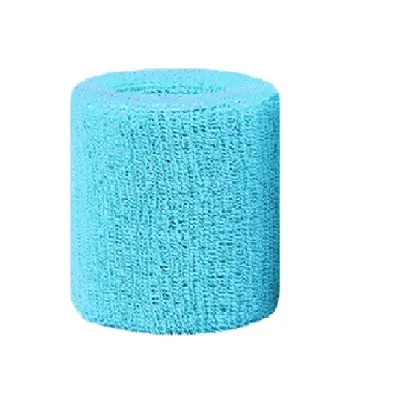
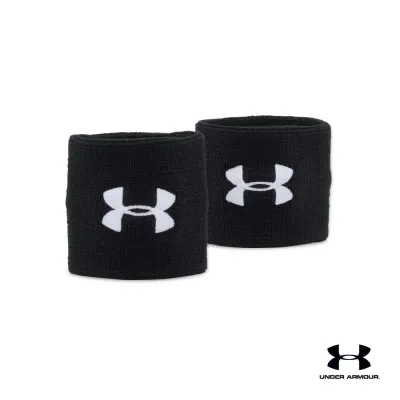
Compression Sleeves Compression sleeves are lightweight, slip-on garments typically made from elasticated fabrics, nylon-spandex blends, or circular-knit materials. Their primary function is to apply gentle, uniform pressure across the entire wrist joint, which helps stimulate blood circulation and enhances proprioception—your body’s subconscious awareness of joint positioning. This increased blood flow helps manage minor swelling, keeps the surrounding tendons warm, and aids in sweat management during intense workouts. However, because they lack physical structural reinforcements, compression sleeves offer minimal resistance against sudden, forceful joint bending. They are entirely unsuitable for preventing acute sprains, ligament tears, or fractures caused by high-impact collisions or falls.
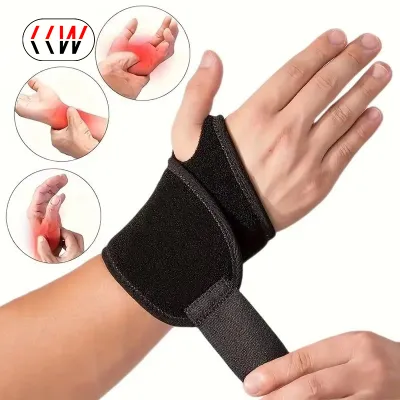
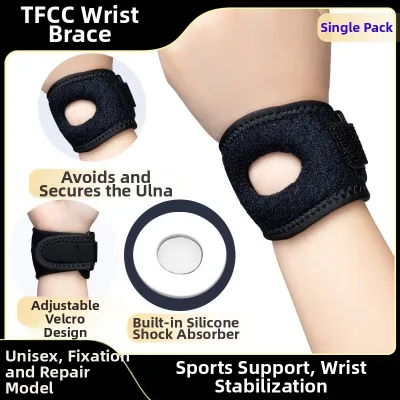
Wrap-Around Supports Wrap-Around supports utilize adjustable strap mechanisms, often featuring a thumb loop for easy self-application and a secure anchor point. These supports typically employ single, dual, or figure-eight strap designs made from durable materials like neoprene or heavy-duty elastic. By wrapping the straps tightly around the wrist, you can customize the level of compression and structural tension to match the immediate demands of your activity. This design excels at stabilizing the complex carpal bones and distal radioulnar joint under heavy, repetitive loads while still allowing your fingers and thumb to move freely. It provides an exceptional balance of joint stabilization and functional mobility, making it the go-to choice for dynamic sports that require a strong grip alongside wrist reinforcement.
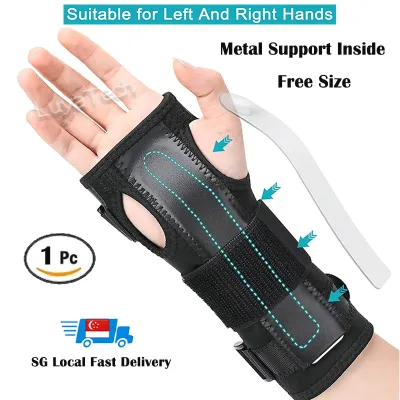
Rigid Braces (Splinted Guards) Rigid braces, often referred to as splinted guards, are heavy-duty protective devices engineered with built-in rigid stays made of hard molded plastic or lightweight metals like aluminum. These splints are strategically positioned along the palm (palmar side) and sometimes the back of the hand (dorsal side) to physically block the wrist from bending beyond safe physiological limits. During a high-impact fall, a rigid brace acts as a shield, absorbing the initial force of the ground and distributing it upward along the forearm, thereby preventing severe hyperextension and scaphoid bone fractures. The trade-off for this maximum level of protection is a significant restriction of wrist flexion and extension. Because they lock the wrist into a neutral position, rigid braces are unsuitable for sports that require fine wrist articulation or manual dexterity.
Matching Wrist Guards to Specific Sports and Activities
Selecting the right wrist guard is not about finding the “best” overall product, but rather about matching the specific biomechanical demands of your sport to the correct support category. Different athletic movements subject the wrist to vastly different forces, requiring tailored protective strategies to prevent injury while optimizing performance.
High-Impact and Fall-Risk Sports
Activities that involve high speeds, wheels, or slippery surfaces carry an inherent risk of sudden falls, where the natural human instinct is to break the fall using an outstretched hand. In sports like skateboarding, inline skating, snowboarding, and mountain biking, this action subjects the delicate bones of the wrist—particularly the scaphoid—to immense, localized impact forces. To mitigate this risk, you should utilize a rigid brace equipped with both palmar and dorsal splints.
The hard plastic or metal stays within these braces are engineered to slide slightly upon contact with asphalt or hard pack, redirecting the horizontal momentum rather than letting the wrist absorb the full vertical impact. By maintaining the joint in a neutral, slightly extended position, the splints prevent the extreme hyperextension that typically causes severe ligament tears and fractures. While these guards are highly effective at preventing traumatic injuries, their bulky profile completely restricts wrist flexion, making them impractical for sports that require delicate hand-eye coordination or a continuous, flexible grip on sporting equipment.
Weight-Bearing and Repetitive Strain Sports
In contrast to high-impact sports, activities like weightlifting, powerlifting, tennis, golf, and badminton subject the wrist to chronic, repetitive loads and high-velocity rotational forces. In weightlifting, executing movements like the bench press, overhead press, or clean and jerk places the wrist under extreme extension under heavy loads, which can strain the surrounding tendons and ligaments. For these activities, wrap-around supports with adjustable tension straps are highly recommended.
These supports allow you to dial in the exact level of tightness needed to stabilize the carpal bones during a heavy lift, and then quickly loosen them between sets to restore normal circulation. In racket sports like tennis and badminton, the rapid, repetitive snapping of the wrist during serves and smashes can lead to repetitive strain injuries such as tendonitis. A low-profile wrap-around support provides the necessary lateral stability to prevent micro-trauma without locking the joint or interfering with your grip on the racket handle. When shopping for these sports, prioritize designs with thin, high-density materials that do not bunch up in your palm, ensuring your tactile connection with the barbell or racket remains uncompromised.
Endurance and Low-Impact Activities
For endurance and low-impact activities like running, long-distance cycling, yoga, or light gym circuits, your primary concern is rarely acute trauma or extreme joint loading. Instead, the focus shifts toward managing mild joint fatigue, maintaining thermal warmth, and controlling sweat. For these scenarios, a high-quality compression sleeve crafted from breathable, moisture-wicking fabrics is the ideal choice.
In running and cycling, repetitive micro-vibrations traveling up the arm can lead to dull aches and fluid accumulation in the joint over long distances. A compression sleeve helps suppress these vibrations, promotes efficient lymphatic drainage to prevent minor swelling, and keeps the joint warm and lubricated. In hot and humid climates like Singapore, these sleeves also serve a vital secondary purpose as sweatbands, preventing perspiration from running down your arms and making your hands slippery. Because they are completely flexible and low-profile, they seamlessly integrate into your movements without altering your natural biomechanics or adding unnecessary bulk.
Key Features to Evaluate Before Buying
Choosing the correct category of wrist guard is only the first step; you must also evaluate several key physical features to ensure the product performs reliably under real-world conditions.
Sizing and Fit To find a wrist guard that offers genuine protection, you must measure your wrist circumference accurately using a flexible measuring tape wrapped around the narrowest part of your wrist, just behind the prominent wrist bone. Manufacturers typically provide specific sizing charts, and you should avoid guessing your size based on general clothing dimensions. A guard that is too tight can compress the ulnar or median nerves, leading to numbness, tingling, and restricted blood circulation in your fingers. Conversely, a guard that is too loose will slide out of position during movement, failing to provide any meaningful structural support when an impact or heavy load occurs.
Material and Climate Suitability In Singapore’s year-round hot and humid climate, material selection is critical to preventing skin maceration, chafing, and unpleasant odors. Look for wrist guards constructed from advanced nylon-spandex blends, moisture-wicking synthetic knits, or perforated neoprene. Perforated neoprene is particularly valuable because it retains the structural durability and shock-absorption properties of standard neoprene while allowing heat and sweat to escape through tiny ventilation channels. Avoid cheap, non-breathable plastics or thick, solid synthetic sheets that trap sweat against your skin, as prolonged moisture buildup can quickly lead to painful friction rashes and bacterial growth.
Closure Mechanisms The closure system directly affects how easy the guard is to adjust and how long it will remain functional. Hook-and-loop (Velcro) straps offer the highest degree of adjustability, allowing you to tighten or loosen the support on the fly to accommodate minor swelling or different phases of your workout. However, high-quality hook-and-loop closures are essential, as cheaper variants can lose their grip, fray, or snag on your athletic clothing during dynamic movements. Slip-on designs, on the other hand, offer a smooth, low-profile fit with zero straps to adjust, but they rely entirely on the elastic memory of the fabric, which will gradually degrade and loosen after repeated washes and stretches.
Safety Boundary It is vital to remember that sports wrist guards and supports are designed solely as preventative tools to assist healthy joints or manage minor, temporary fatigue. They are not medical treatments or substitutes for proper rehabilitation. If you are experiencing persistent, sharp pain, localized swelling that does not subside, acute joint instability, or suspect you have sustained a fracture or ligament tear, do not attempt to self-treat by wrapping the wrist tighter. Always consult a qualified physician or physiotherapist for a comprehensive diagnosis and a structured treatment plan before returning to any high-intensity physical activity.
Frequently Asked Questions (FAQ)
How tight should a wrist guard be?
Your wrist guard should feel snug and secure, but never painfully tight or restrictive to your circulation. A reliable rule of thumb is that you should be able to slide one finger comfortably underneath the strap or fabric of the guard without forcing it. The support should firmly limit extreme, unsafe ranges of motion—such as excessive hyperextension or hyperflexion—while allowing your fingers to move freely and maintain a natural grip. If you experience cold fingertips, a tingling sensation, numbness, or notice your skin changing color, the guard is too tight and must be loosened immediately to prevent nerve compression or vascular restriction.
Can I wear a wrist guard all day?
You should avoid wearing rigid braces or highly restrictive wrist supports all day unless specifically instructed to do so by a medical professional. Relying on a rigid brace for extended periods during normal daily activities can cause the muscles and tendons surrounding the wrist to become lazy, eventually leading to muscle atrophy, joint stiffness, and a long-term reduction in natural joint stability. Compression sleeves are generally much safer for extended wear because they do not mechanically restrict movement; however, they should still be removed during sleep to allow your skin to breathe and prevent any potential circulatory issues while you are inactive.
How do I wash and maintain my wrist support?
Always check the manufacturer’s care label on your specific wrist guard before washing, as care instructions can vary by brand and material. Generally, you should hand-wash the guard in cool or lukewarm water using a mild, pH-neutral soap or detergent. If your guard has removable metal or plastic splints, be sure to slide them out before washing to prevent damage to the fabric channels. Gently squeeze out excess water without wringing or twisting the material, and lay it flat to air-dry in a shaded, well-ventilated area. Avoid machine washing, tumble drying, or exposing the guard to direct sunlight or high heat, as extreme temperatures will rapidly degrade elastic fibers, warp plastic stays, and destroy the adhesive properties of hook-and-loop closures.
Community discussion
Share your experience or ask a question. Comments are reviewed before publication.