
Using a yoga wheel can be a highly effective way to improve spinal mobility, open up tight shoulders, and support challenging backbends. However, for those new to the prop, rolling your spine over a rigid cylinder requires a high degree of trust, physical control, and structural stability. Selecting an inappropriate wheel can lead to muscle guarding, where your body tenses up to protect itself, ultimately defeating the purpose of the stretch and increasing the risk of strain. For beginners, finding a yoga wheel with the right dimensions, structural integrity, and grip is essential for building confidence and ensuring a safe, progressive practice.
Unlike traditional yoga blocks or straps, a yoga wheel is a dynamic prop that introduces movement and balance challenges. When you lay your back over the wheel, your spine is forced to conform to its circular curvature. If the wheel is too large, too narrow, or lacks sufficient cushioning, it can place excessive stress on your joints and vertebrae. By focusing on specific physical specifications rather than aesthetic designs, you can select a wheel that acts as a supportive scaffold, allowing your muscles to relax and your thoracic spine to open up safely.
Why the Right Yoga Wheel Matters for Beginners
For beginners, spinal flexibility and core stability are often still developing. When you attempt backbends or deep chest openers without adequate support, the lower back (lumbar spine) tends to overcompensate for stiffness in the upper back (thoracic spine). A properly selected yoga wheel helps distribute this extension evenly across the entire back, preventing localized pinching or compression in the lower spine. If the wheel does not match your current mobility level, you may struggle to maintain balance, leading to sudden slips or awkward falls that can strain the neck and shoulders.
Products mentioned in this guide
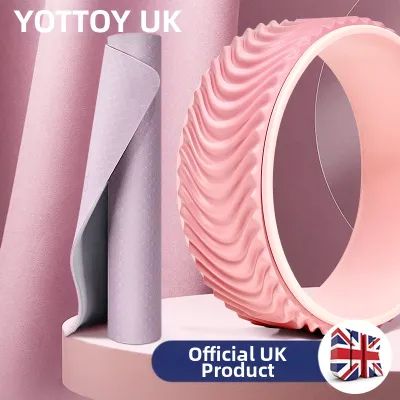
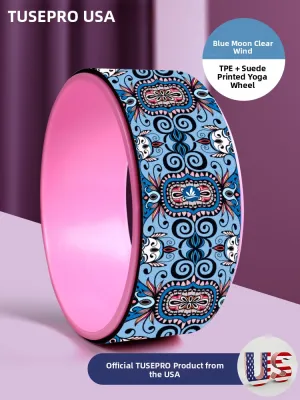
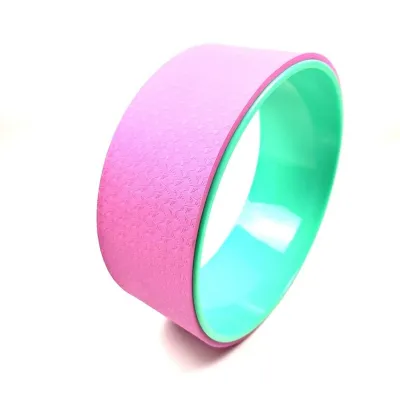
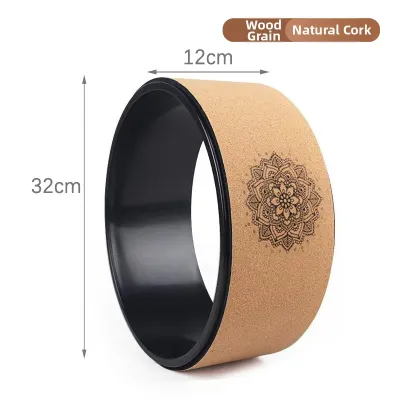
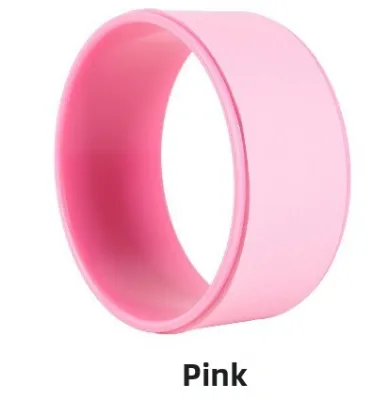
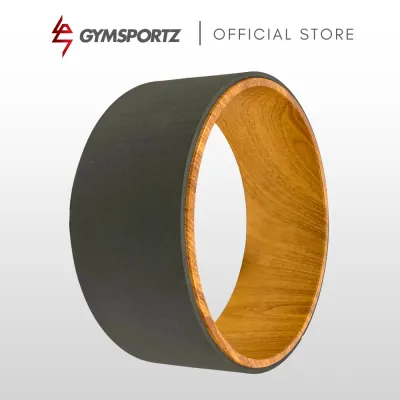
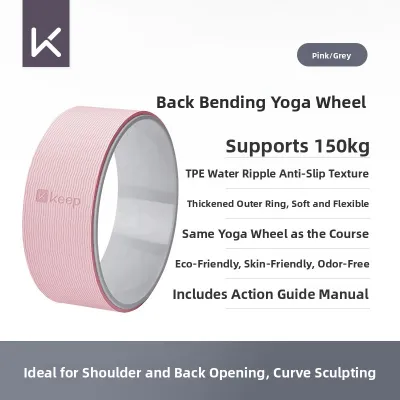
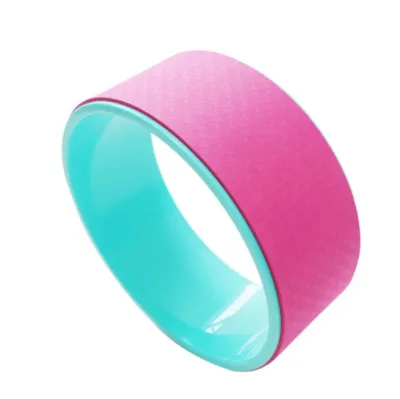
Prices are valid at publication and may change. Please refer to the product page for the latest price.
Safety during home practice is highly dependent on the predictability of your equipment. A wheel that flexes under pressure or slides on your mat creates an unstable foundation, forcing your core muscles to work in overdrive just to keep the prop centered. This extra tension prevents you from achieving the deep, relaxed breathing necessary for myofascial release. To ensure your yoga wheel serves as an aid rather than a hazard, it must be selected based on your unique body measurements and physical limits.
Furthermore, the physical environment of your practice space plays a role in how a wheel performs. In warm, humid climates like Singapore, sweat can quickly turn a smooth plastic or foam surface into a slipping hazard. A beginner needs a wheel that offers reliable traction against both the body and the yoga mat, ensuring that the prop stays exactly where it is placed during slow, controlled movements. Investing in the correct specifications from the start protects your joints and ensures your practice remains a therapeutic, stress-relieving experience.
Key Dimensions: Finding the Right Diameter and Width
The physical size of a yoga wheel directly dictates the intensity of the stretch and how easy it is to balance. Manufacturers produce wheels in several sizes, and selecting the right combination of diameter and width is the first step in customizing the prop to your anatomy.

Diameter: Matching Your Spine and Height
Yoga wheels generally come in three primary diameters: large (approx. 32 to 33 cm), medium (approx. 25 cm), and small (approx. 15 to 18 cm). Many beginners mistakenly assume that a smaller wheel is safer or gentler, but the opposite is often true. A smaller wheel has a tighter, more aggressive curve, which creates a highly localized stretch that can feel intense or painful on a stiff back. Conversely, a larger wheel features a gentler, more gradual curve that distributes your weight over a broader surface area, making it the standard recommendation for general backbending and chest opening.
To find the ideal diameter, you must consider your height and spinal length. If you are under 150 cm tall, a standard 32 cm wheel may feel too tall, making it difficult for your head or feet to find supportive contact with the floor when draped over the wheel. In this scenario, a medium 25 cm wheel offers a more manageable height while still providing a relatively supportive curve. For individuals over 150 cm, the standard 32 cm diameter is typically the most comfortable and versatile option for beginning a back-opening routine.
- Large Wheels (32-33 cm): Best for general backbends, chest opening, and spinal decompression for users over 150 cm tall.
- Medium Wheels (25 cm): Ideal for shorter users, or for targeting specific areas like the hips and shoulders with a slightly deeper curve.
- Small Wheels (15-18 cm): Best reserved for targeted deep-tissue massage, neck support, or rolling out tight calves and hamstrings rather than full backbends.
Width: Stability vs. Portability
The standard width for a quality yoga wheel is approximately 13 cm (5 inches). This width is specifically designed to fit comfortably between the human shoulder blades, allowing the spine to roll smoothly along the center of the wheel without the hard edges pressing into bone. For beginners, maintaining lateral balance on a 13 cm surface can be challenging, but it is highly effective for encouraging minor stabilizing muscles in the core and hips to engage.
Some specialty wheels are designed with a wider profile, up to 15 cm, which significantly increases lateral stability. These wider profiles are excellent for beginners who feel highly anxious about tipping sideways or those with larger body frames who require a broader base of support. On the other hand, narrow travel wheels (under 10 cm wide) should generally be avoided by beginners. While they are lighter and easier to pack into a gym bag, they require an advanced level of core control to keep from tipping over during use.
Core and Outer Materials: Balancing Durability and Comfort
A yoga wheel consists of two main components: a rigid inner core that maintains the wheel’s shape under pressure, and an outer padding layer that cushions your bones against the hard plastic. Understanding these materials helps you read product labels accurately and avoid low-quality construction.
Inner Core Materials: ABS vs. Polycarbonate
The inner core must be completely rigid to prevent the wheel from flattening or bowing when you lay your full body weight on it. The most common material used for high-quality cores is Acrylonitrile Butadiene Styrene (ABS) plastic. ABS is a tough, impact-resistant thermoplastic that provides excellent structural integrity while keeping the wheel lightweight. When shopping, look for wheels that specify a reinforced ABS core, which often features internal structural ribs or extra-thick walls to prevent warping over time.
An even stronger alternative is polycarbonate. Polycarbonate cores are virtually indestructible and offer the highest level of weight capacity, though they tend to carry a higher price tag. Beginners should be cautious of cheap, unbranded wheels made from low-grade Polyvinyl Chloride (PVC). PVC is much more flexible than ABS or polycarbonate; under heavy loads, a PVC core can flex or bow, which destabilizes your balance and can lead to sudden structural failure. Always verify that the product specifications explicitly state the use of heavy-duty ABS or polycarbonate.
Outer Padding: TPE, EVA, and Cork
The outer padding layer is what directly contacts your spine, shoulder blades, and joints. It needs to be thick enough to prevent bruising but firm enough that it does not bottom out under your weight. The three most common padding materials each offer distinct performance characteristics:
- Thermoplastic Elastomer (TPE): This is a highly popular, eco-friendly synthetic rubber. TPE padding typically offers excellent dry grip, moderate cushioning, and a textured surface that prevents slipping. Because TPE is closed-cell, it does not absorb sweat, making it highly hygienic and easy to wipe clean after a sweaty session in Singapore's humid climate.
- Ethylene-Vinyl Acetate (EVA): EVA foam is softer and more pillowy than TPE, providing a highly comfortable feel for sensitive spines. However, low-density EVA foam can compress permanently over time, leaving flat spots where your back frequently rests. If choosing EVA, look for high-density specifications to ensure long-term resilience.
- Cork: Natural cork is a premium option that offers a firm, highly supportive cushion. Cork contains a natural waxy substance called suberin, which actually becomes grippier when exposed to moisture. This makes cork wheels exceptionally slip-resistant for practitioners who sweat heavily. Cork is also naturally antimicrobial, though it requires slightly more care to keep clean than synthetic TPE.
For beginners, a padding thickness of at least 6 mm to 8 mm is recommended. Anything thinner than 5 mm may feel uncomfortably hard against the spinous processes of your vertebrae, especially if you have a sensitive back or a leaner build.
Weight Capacity and Structural Safety Checks
Before purchasing any yoga wheel, verifying its weight capacity is a critical safety step. Because you will be placing your full body weight—and occasionally performing dynamic movements that shift your center of gravity—on the wheel, the prop must be rated to handle forces well beyond your static weight. A high weight capacity is a direct indicator of robust wall thickness and quality material bonding.
When reviewing product specifications, look for an explicit weight limit stated by the manufacturer. High-quality ABS or polycarbonate wheels typically feature a weight capacity rating of 150 kg (approx. 330 lbs) to 250 kg (approx. 550 lbs) or more. This high limit provides a substantial safety margin for dynamic loading, such as when you transition your weight from your feet to the wheel during a deep stretch. Avoid any product that does not clearly state its weight capacity on the packaging or product description.
To ensure ongoing safety, perform a quick visual and physical inspection of your wheel before every practice session. Place the wheel on a flat surface and apply firm downward pressure with both hands to check for any flexing, creaking, or bowing. Inspect the seam where the outer padding meets the inner rigid core; there should be no lifting, peeling, or visible glue gaps. If you ever notice micro-cracks in the plastic core, deep indentations in the foam, or if the wheel makes a cracking sound during use, stop using it immediately to prevent a sudden collapse.
Surface Texture and Edge Design for Safe Practice
The finer details of a yoga wheel’s design can make a significant difference in how comfortable and secure it feels during use. Two areas that deserve close attention are the texture of the outer padding and the shaping of the wheel’s edges.
Surface texture is vital for keeping the wheel stable on your yoga mat and preventing your clothing from sliding across the wheel as you roll. Look for padding that features molded patterns, such as leaf textures, ridges, or a textured matte finish. In humid environments, a completely smooth foam surface can easily become slick with sweat, causing your back to slide unexpectedly. A textured surface provides the friction necessary to keep your spine aligned over the center of the wheel throughout your movements.
Edge design is equally important for comfort. As you roll your back over the wheel, your shoulder blades and neck will inevitably press against the outer edges of the cylinder. If the rigid plastic core has sharp, 90-degree edges, it can pinch your skin or press painfully into your muscles. High-quality yoga wheels feature beveled or rounded edges, where the outer padding wraps slightly over the sides of the inner core. This seamless wrap ensures that only soft, cushioned material makes contact with your body, even when you lean slightly off-center.
Recommended Yoga Wheel Profiles for Beginners
To help you navigate your purchase, the table below outlines the ideal specifications for a beginner’s first yoga wheel. Use these parameters as a checklist when browsing local sports retailers in Singapore or filtering options on online marketplaces.
| Specification | Recommended Range for Beginners | Why It Matters |
|---|---|---|
| Diameter | 32 cm to 33 cm (Standard) | Provides a gentle, gradual curve that is easier on stiff backs; fits most heights over 150 cm. |
| Width | 13 cm to 15 cm | Offers stable lateral support; fits comfortably between the shoulder blades without tipping. |
| Core Material | Heavy-duty ABS or Polycarbonate | Ensures the wheel remains completely rigid under load; prevents dangerous flexing or collapse. |
| Padding Material | TPE or Natural Cork (6 mm to 8 mm thickness) | Delivers optimal spinal cushioning; offers reliable grip and moisture resistance in humid conditions. |
| Weight Capacity | Minimum 150 kg (approx. 330 lbs) | Provides a safe structural buffer for dynamic body weight shifts and rolling movements. |
| Edge Style | Beveled or fully wrapped edges | Prevents the hard inner plastic core from digging into the spine, shoulders, or neck. |
When buying a yoga wheel, it is highly recommended to purchase from retailers that offer clear return policies. Because spinal anatomy and personal pain thresholds vary greatly, you may find that a specific padding firmness or wheel diameter does not suit your back. Testing the wheel gently at home on a clean, carpeted floor or yoga mat will allow you to assess if the sizing and cushioning feel supportive before committing to long-term use. If a wheel feels excessively hard or causes you to hold your breath from discomfort, consider exchanging it for a model with thicker EVA padding or a slightly wider profile.
Frequently Asked Questions (FAQ)
Can I use a yoga wheel if I have lower back pain?
If you are experiencing acute or chronic lower back pain, you should consult a healthcare professional, physical therapist, or certified sports medicine specialist before using a yoga wheel. While a yoga wheel can be highly effective for expanding thoracic (upper back) mobility and opening the chest, improper use on an inflamed or unstable lumbar spine can worsen your condition. Beginners with mild stiffness should start by placing the wheel under the mid-to-upper back, keeping the hips supported on the floor, rather than rolling directly onto the lower back. Never force your body into a deep backbend if you feel sharp, shooting, or localized pain.
How do I clean and maintain my yoga wheel?
To prolong the life of your yoga wheel and maintain its grip, wipe the outer padding down after every session using a soft cloth dampened with warm water and a drop of mild, non-abrasive dish soap. This is particularly important for removing accumulated sweat, body oils, and dust. Avoid submerging the entire wheel in water, as moisture can seep between the padding and the inner core, weakening the adhesive bond. Never use harsh chemical solvents, bleach, or alcohol-based sprays, which can cause TPE and EVA foams to dry out, crack, or lose their slip-resistant texture. Allow the wheel to air dry completely in a shaded, well-ventilated indoor space away from direct sunlight.
Is a yoga wheel better than a foam roller for back stretching?
A yoga wheel and a foam roller serve distinct recovery and stretching purposes. Foam rollers are designed primarily for myofascial release, muscle massage, and breaking up tight tissue across broad muscle groups like the outer thighs, upper back, and calves. Because foam rollers have a wider, flat surface, they do not contour to the natural curve of the spine. A yoga wheel is specifically designed to support and deepen spinal extension, opening up the chest and shoulders in a way that a foam roller cannot. For a comprehensive routine, you can use a foam roller first to massage tight muscles, followed by a yoga wheel to gently open and decompress the spine.
Community discussion
Share your experience or ask a question. Comments are reviewed before publication.