
Selecting the right thigh compression sleeve is essential for supporting your muscles during intense training or accelerating your recovery afterward. The ideal sleeve should provide a snug, supportive fit without slipping down or restricting your blood circulation. To find the right match, you must evaluate three core factors: the compression level (measured in mmHg), the fabric blend, and your precise thigh measurements.
Understanding Compression Levels for Thigh Sleeves
Compression garments use millimeters of mercury (mmHg) as the standard unit of measurement to indicate the amount of pressure applied to your limbs. This is the same metric used in medical settings to measure blood pressure, representing how firmly the fabric squeezes your muscles. Manufacturers typically categorize these pressure levels into distinct ranges, allowing you to match the intensity to your specific physical activities.
Light compression, usually ranging from 15 to 20 mmHg, is ideal for everyday wear, mild support during long periods of standing, or light recovery sessions. This level provides a gentle squeeze that helps promote circulation without feeling overly restrictive during low-impact movements. Many athletes choose light compression for travel or extended recovery periods at home.
Products mentioned in this guide
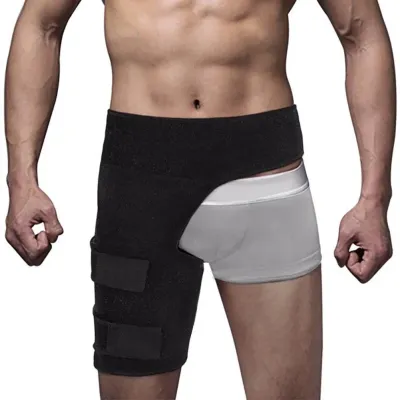
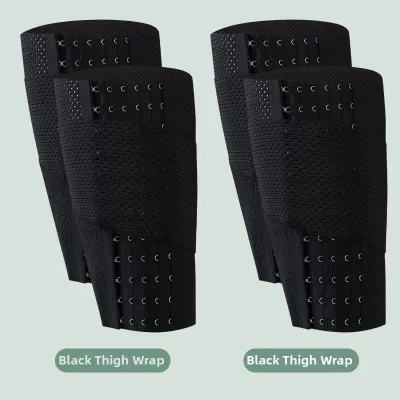
Prices are valid at publication and may change. Please refer to the product page for the latest price.
Moderate compression, typically falling between 20 and 30 mmHg, is the standard choice for active workouts, running, and high-intensity training. This level offers firm support to help reduce muscle oscillation, which is the lateral movement of muscle fibers during high-impact activities. By stabilizing the quadriceps and hamstrings, moderate compression helps you maintain focus and comfort during demanding physical efforts.
Firm compression levels exceeding 30 mmHg are generally classified as medical-grade. These high-pressure sleeves are designed to address specific vascular conditions, severe swelling, or post-surgical recovery. Because improper use of high-pressure garments can restrict blood flow, you should always consult a healthcare professional before using any sleeve rated above 30 mmHg.
Evaluating Fabric Types and Material Blends
The performance and comfort of a thigh sleeve depend heavily on its material composition. Most high-quality athletic sleeves are constructed from synthetic blends that combine durable base fibers with highly elastic materials. Nylon and polyester are the most common base fabrics, valued for their durability, lightweight feel, and excellent moisture-wicking properties.

To provide the necessary squeeze, these base fibers are woven with elastane or spandex. A higher percentage of elastane generally translates to a more supportive, resilient stretch that retains its shape over time. These synthetic blends pull sweat away from your skin, which is particularly beneficial in warm, humid climates where moisture buildup can lead to discomfort and skin irritation.
Beyond the raw materials, structural design features play a critical role in how the sleeve performs during movement. Look for sleeves equipped with hypoallergenic silicone grip strips along the top inner hem to prevent the garment from sliding down your thigh during dynamic movements. Seamless knitting and flatlock seams are also essential features, as they minimize friction against your skin and reduce the risk of painful chafing.
Material thickness should also align with your training environment and workout intensity. Thicker, densely knit sleeves offer robust structural support and heat retention, which can be useful for heavy lifting or cooler outdoor sessions. Conversely, lightweight, highly breathable knits are better suited for high-cardio workouts and warm indoor training environments.
Getting the Right Fit: Measuring and Sizing
An accurate fit is the most critical factor in ensuring your compression sleeve works safely and effectively. Because sizing standards vary significantly between brands, you should never rely on your standard clothing size. Instead, always refer to the manufacturer’s specific sizing chart and take fresh measurements of your leg.
To measure your thigh accurately, stand in a relaxed, upright posture with your weight distributed evenly on both feet. Use a flexible fabric measuring tape, keeping it parallel to the floor. Most manufacturers require two primary measurements: one around the widest part of your upper thigh, typically just below the groin, and another around the mid-thigh or just above the kneecap.
Avoid pulling the measuring tape too tight; it should rest flat against your skin without indenting the tissue. If your measurements fall between two sizes on a manufacturer’s chart, it is generally safer to choose the larger size. A slightly larger sleeve still provides beneficial compression, whereas a sleeve that is too small can cause severe discomfort and restrict your natural range of motion.
Never intentionally buy a smaller size to force a tighter fit. An overly tight sleeve can act as a tourniquet, restricting arterial blood flow and venous return, which defeats the purpose of compression. Additionally, overstretching the fabric beyond its designed limits will rapidly degrade the elastic fibers, leading to premature wear and tear.
Frequently Asked Questions (FAQ)
Can I wear thigh compression sleeves all day?
No, high-compression athletic sleeves are not designed for continuous, all-day wear. While light compression sleeves can be worn for several hours during travel or recovery, you should remove them periodically to allow your skin and muscles to rest. It is especially important to avoid sleeping in athletic compression sleeves unless they are specifically designed and medically approved for overnight use.
Always pay close attention to physical warning signs while wearing compression gear. If you experience tingling, numbness, a cold sensation in your lower leg or toes, or deep, painful skin indentations, remove the sleeve immediately. These symptoms indicate that the sleeve is restricting your circulation or pinching a nerve, and you should re-evaluate the sizing before wearing it again.
Will thigh sleeves stop my muscles from getting sore?
Thigh compression sleeves do not entirely prevent delayed onset muscle soreness (DOMS), but they can be a valuable tool in managing it. The gentle pressure helps stabilize muscle fibers during exercise, which can reduce micro-tears caused by repetitive impact. This stabilization, combined with improved localized circulation, can help ease the sensation of heaviness and fatigue in your legs after a hard workout.
For the best results, view compression sleeves as one component of a comprehensive recovery strategy. They work most effectively when combined with active recovery techniques, such as light stretching, proper hydration, balanced nutrition, and adequate sleep. Relying solely on compression gear will not replace the fundamental recovery processes your body needs to rebuild muscle tissue.
Community discussion
Share your experience or ask a question. Comments are reviewed before publication.