
Selecting the right snorkeling gear as a beginner in Singapore involves prioritizing safety, fit, and material integrity over marketing claims. With the island’s proximity to diverse tropical marine environments, taking up snorkeling offers an exciting gateway to exploring local reefs and regional waters. However, navigating the vast array of equipment options can be overwhelming for those new to the sport. Rather than searching for a single universal brand, beginners should focus on identifying manufacturers that adhere to strict safety standards, use high-grade materials, and provide clear sizing and support resources.
Equipment is an aid to exploration, but it can never replace water competency, proper training, and sound judgment. Before purchasing any gear, beginners must assess their swimming comfort and understand that water safety is paramount. By learning how to evaluate product specifications, verify brand authenticity, and perform essential fit tests, you can confidently select gear that ensures a comfortable and safe introduction to the underwater world.
Core Criteria for Evaluating Beginner Snorkel Brands
When evaluating brands specializing in snorkeling equipment, the primary focus should be on user-friendly designs that accommodate the learning curve of a novice. Trustworthy manufacturers design their entry-level gear with features that minimize common beginner anxieties, such as water entering the snorkel or a leaking mask. Look for brands that utilize high-quality, hypoallergenic liquid silicone for mask skirts rather than stiff plastic or PVC. Liquid silicone conforms more readily to various face shapes, creating a reliable seal without requiring the strap to be overtightened, which can cause discomfort and headaches.
Products mentioned in this guide
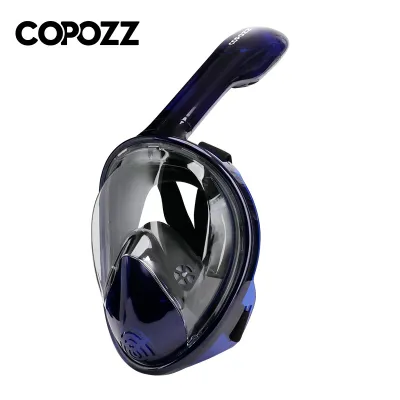
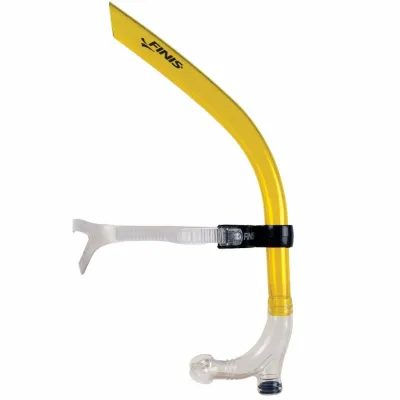
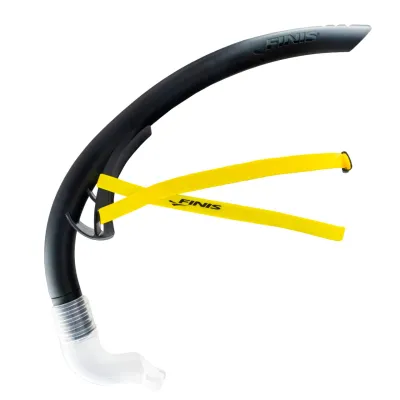
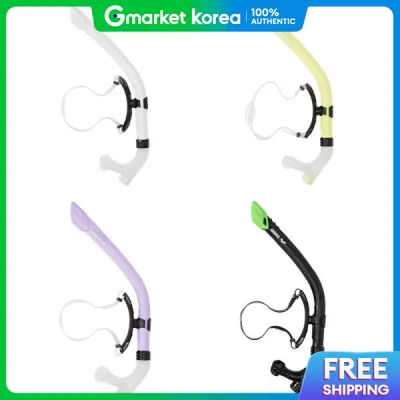
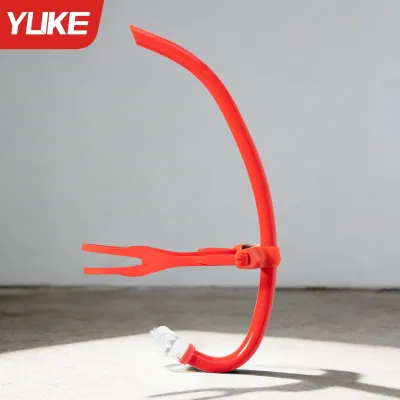
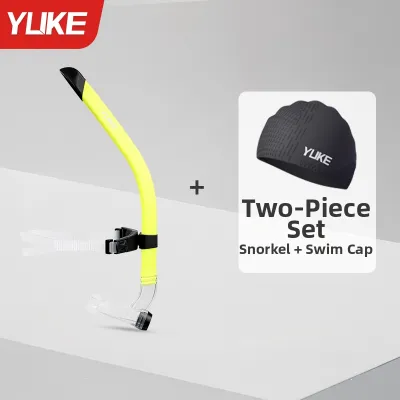
Prices are valid at publication and may change. Please refer to the product page for the latest price.
Clear and comprehensive sizing guides are another hallmark of a reputable brand. Because a proper fit is the single most critical factor in preventing leaks, a manufacturer should provide detailed measurements for face widths, nose bridge heights, and foot sizes. Brands that offer distinct product lines for different age groups and face shapes—such as narrow-fit masks or adjustable fins—demonstrate a commitment to user comfort. Additionally, look for brands that provide accessible instructional materials, such as online video tutorials demonstrating how to adjust straps, clear a flooded mask, or properly position a snorkel.
Finally, evaluate the brand’s transparency regarding customer support and product warranties. A reliable manufacturer stands behind its products with straightforward warranty terms, typically covering manufacturing defects for at least one to two years. Accessible customer service channels, clear return policies, and the availability of replacement parts—such as replacement mask straps, snorkel keepers, or fin buckles—are strong indicators of a brand’s long-term commitment to its customers. Avoid brands that offer no clear way to contact their support team or lack transparent product documentation.
Essential Gear Components and Specifications to Prioritize
To make an informed comparison between different brands, beginners must understand the key technical specifications of essential snorkeling components. The mask is your window to the underwater world, and its safety features should never be compromised. Always verify that the mask lens is made of tempered glass, which is highly resistant to scratching and impact. In the rare event of breakage, tempered glass shatters into small, blunt granular pieces rather than sharp shards, significantly reducing the risk of eye injury. Additionally, a low-volume mask design is highly recommended for beginners; because there is less air space inside the mask, it is much easier to clear if water does manage to seep in.

Snorkels generally fall into three categories: classic (open top), semi-dry, and dry-top. For beginners, a dry-top snorkel is highly advantageous. These models feature a specialized float valve at the top of the tube that automatically slides shut when submerged, preventing water from entering the tube even if a wave washes over you. A semi-dry snorkel utilizes a splash guard to deflect surface spray but will not seal when fully submerged. Regardless of the style, ensure the snorkel features a comfortable, food-grade silicone mouthpiece and a one-way purge valve at the bottom, which allows you to easily blow out any water that enters the tube with a simple exhalation.
Fins are essential for propulsion and conserving energy in the water. For beginners, the choice typically lies between full-foot fins and open-heel adjustable fins. Full-foot fins are lightweight, slip on like a shoe, and are excellent for warm-water snorkeling from sandy beaches. However, they require a precise fit to prevent chafing. Open-heel fins feature an adjustable strap and are designed to be worn with neoprene booties. This setup is highly beneficial if you need to walk over hot sand, rocky shores, or sharp coral fragments before entering the water. When comparing fins, prioritize flexible, medium-length blades, as overly stiff or long fins can quickly fatigue untrained leg muscles and lead to cramping.
Rather than relying on vague marketing terms like “professional grade” or “leak-proof,” look for specific material listings in the product descriptions. High-quality gear will explicitly state the use of tempered glass, liquid silicone, and durable plastics like polyurethane or polycarbonate. If a product listing fails to specify the lens material or refers to the skirt material simply as “plastic” or “rubber” without further detail, it is best to look elsewhere.
How to Verify Brand Reliability and Product Authenticity
In the global marketplace, counterfeit and substandard snorkeling gear is common, often sold at enticingly low prices. Using poorly constructed gear can lead to sudden equipment failure, such as a cracked lens or a jammed snorkel valve, which can cause panic in the water. To protect yourself, always look for recognized safety and material certifications. For example, masks sold in or imported from reputable regions often carry standard markings (such as CE certification marks) indicating they meet specific safety requirements. Look for the words “Tempered Glass” or the letter “T” permanently etched into the corner of the mask lens.
Cross-referencing user feedback across multiple independent platforms is an effective way to gauge real-world performance. Do not rely solely on the reviews hosted on a brand’s official website or a single online marketplace. Instead, search specialized diving forums, outdoor gear discussion groups, and independent review sites. Look for patterns in the feedback: if multiple users report that a specific mask model has a fragile strap buckle or that a snorkel valve consistently sticks open, these are clear indicators of design or quality control issues.
Be vigilant against common red flags when shopping online. Unusually low prices for a complete set—such as a mask, snorkel, and fins sold together for a fraction of the price of established entry-level brands—often indicate substandard materials like cheap PVC skirts and plastic lenses. Other warning signs include generic, unbranded packaging, a complete lack of official branding on the physical product, and listings on online marketplaces that feature poorly translated product descriptions or lack a verifiable manufacturer address. Purchasing from authorized retailers or directly from the brand’s official store is the most reliable way to ensure product authenticity.
Navigating Purchase Channels and Comparing Options in Singapore
Singapore offers several retail avenues for purchasing snorkeling gear, each with its own set of advantages and trade-offs. Specialized dive shops are highly recommended for beginners. These shops carry curated selections of reliable brands and are staffed by experienced divers who can provide personalized advice based on your skill level and planned activities. While prices at specialized shops may be slightly higher than online alternatives, the opportunity to receive expert guidance and try on gear before buying is invaluable.
Large sporting goods retailers are another popular option in Singapore. These stores typically offer a wide range of budget-friendly, entry-level snorkeling gear under their in-house brands or established partner brands. This is an excellent route for beginners who want decent quality without a significant financial commitment. However, the sales staff in large multi-sport stores may not possess specialized diving or snorkeling expertise, meaning you will need to rely more heavily on your own research regarding fit and specifications.
Official online brand stores and reputable ecommerce platforms offer convenience and often a wider selection of colors and models. However, buying online makes it impossible to perform a physical fit test before purchase. If you choose to buy online, ensure the retailer has a physical presence or a highly flexible return and exchange policy in Singapore. Check the terms for warranty registration; some brands require you to register your purchase online within a specific timeframe to activate the warranty. Additionally, confirm whether local service centers or retail partners can handle warranty claims or if you would be required to ship the item overseas for repairs.
Regardless of where you purchase, trying on a mask physically is the only way to guarantee a proper seal. To test a mask’s fit in-store, look upward, place the mask gently on your face without using the strap, and inhale slightly through your nose. If the mask stays in place without slipping and no air leaks in, it is a good match for your facial structure. For fins, try them on with the socks or booties you plan to wear, and ensure there are no tight pressure points around your toes or heels that could cause blisters during extended use.
Initial Setup, Fit Testing, and Safety Checks
Once you have purchased your snorkeling gear, it is essential to perform a series of dry-land tests and safety checks before heading to the water. Start by conducting a thorough dry-land mask seal test. Put the mask on, position the strap comfortably around the crown of your head (ensuring it is not too tight), and breathe in through your nose. The mask should pull slightly toward your face and create a secure seal. Next, attach the snorkel to the mask strap using the keeper clip. Position the snorkel so that the mouthpiece sits naturally in your mouth without pulling on your jaw. Practice breathing slowly and deeply through the snorkel while keeping your lips sealed tightly around the mouthpiece.
To test the functionality of a dry-top snorkel valve, submerge just the top of the dry valve in a container of water (or manually depress the float mechanism) while attempting to gently inhale through the mouthpiece. The valve should seal completely, preventing any air or water from passing through. Release the valve and exhale to ensure the bottom purge valve opens smoothly to release air. For fins, adjust the straps so they hold your feet securely without compressing your toes. Inspect all plastic buckles, strap adjustment teeth, and connection points for any signs of hairline cracks or manufacturing defects.
Before packing your gear, inspect all silicone components—especially the mask skirt and snorkel mouthpiece—for thin spots, tears, or warping. New masks often have a thin layer of silicone residue left over from the manufacturing process on the inside of the glass lens, which causes rapid fogging. To remedy this, gently scrub the inside of the dry lens with a non-abrasive toothpaste using your finger, then rinse it thoroughly with fresh water. Repeat this process two to three times to remove the residue.
Always remember that high-quality equipment is a tool to enhance your experience, but it cannot replace fundamental water safety skills. Never snorkel alone; always use the buddy system and stay close to your partner. Before entering the water, assess the local weather conditions, tidal movements, and currents. If you feel tired, cold, or uncomfortable at any point, return to safety immediately. Equipment can assist your swim, but your personal judgment and respect for the ocean are your most important safety assets.
Frequently Asked Questions (FAQ)
Do beginners need to buy a full snorkel set or separate pieces?
For most beginners, purchasing a pre-packaged snorkel set (which typically includes a mask, snorkel, and sometimes fins) is a highly convenient and cost-effective option. These sets are designed to ensure compatibility between components, and they generally offer better value than buying each item individually. However, the primary drawback of a bundled set is that it assumes a standard fit across all components. If you have a unique face shape that requires a specific mask, or if your foot size does not align with the fin size included in the set, you may end up with gear that leaks or causes discomfort.
If budget permits, or if you find that standard sets do not fit comfortably, investing in separate pieces is highly recommended. Prioritize spending a larger portion of your budget on a high-quality, well-fitting mask, as a leaking mask is the most common cause of a poor snorkeling experience. You can then pair it with a basic dry-top snorkel and a pair of fins that match your specific foot dimensions and swimming style. This customized approach ensures maximum comfort and safety in the water.
How often should beginner snorkel gear be replaced?
The lifespan of snorkeling gear depends heavily on the materials used, how frequently it is used, and how well it is maintained. High-quality silicone components can last for several years if cared for properly, whereas cheaper PVC or rubber components tend to degrade much faster. Regularly inspect your gear for observable signs of wear, such as the silicone skirt turning yellow, hardening, or developing micro-cracks. Loss of elasticity in the mask or fin straps, stiffening of the snorkel’s purge valve, or a sticky float valve are clear indicators that the equipment needs replacement.
To maximize the lifespan of your gear, always rinse it thoroughly with clean, fresh water after every use to remove salt, sand, and chlorine. Allow the gear to dry completely in a shaded, well-ventilated area; never leave it in direct sunlight, as ultraviolet rays rapidly degrade silicone and plastics. Store your gear in a cool, dry place away from direct heat sources. In Singapore’s humid climate, ensuring the gear is completely dry before storage is crucial to prevent the growth of mold and mildew on the silicone parts.

Community discussion
Share your experience or ask a question. Comments are reviewed before publication.