
To choose the right weight training gloves, you must balance four core dimensions: padding thickness, grip material, wrist support, and overall fit. The ideal pair depends entirely on your specific workout routine, whether you focus on heavy barbell lifts, high-intensity functional fitness, or general machine-based training. By matching these features to your training style, you can manage friction, support your wrists, and maintain a secure hold on the bar without compromising your natural grip mechanics.
Understanding Padding Thickness and Protection
Padding thickness is a direct trade-off between hand comfort and tactile feedback. Thick padding, often made of gel or high-density foam, cushions the palm against heavy pressure and reduces the immediate discomfort of holding heavy loads. However, thick padding increases the effective diameter of the bar, which can strain your forearm muscles and reduce your overall grip strength during heavy pulling movements.
Thin padding offers minimal cushioning but preserves tactile feedback. This is ideal for maintaining a close connection to the barbell, allowing you to feel the knurling—the crosshatch pattern etched into the metal—while still providing a barrier against friction and calluses. Choosing the right thickness depends largely on the equipment you use most frequently.
Products mentioned in this guide
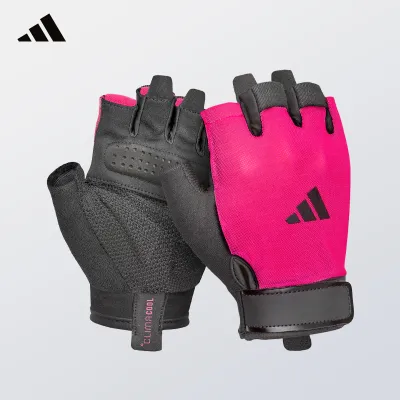
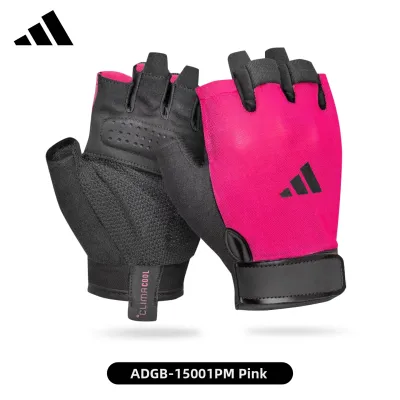
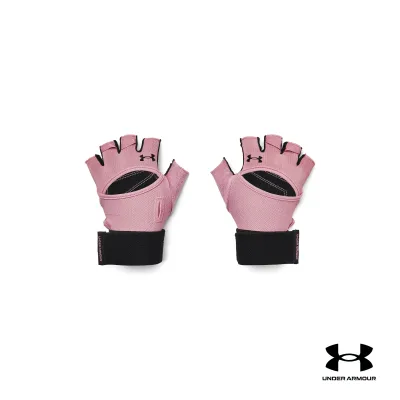
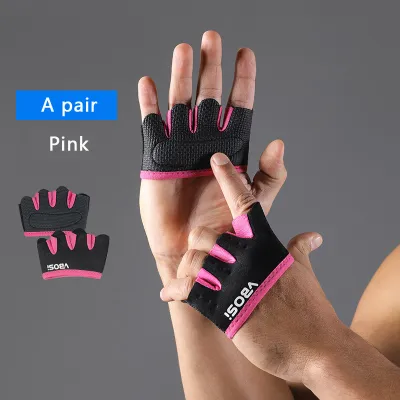
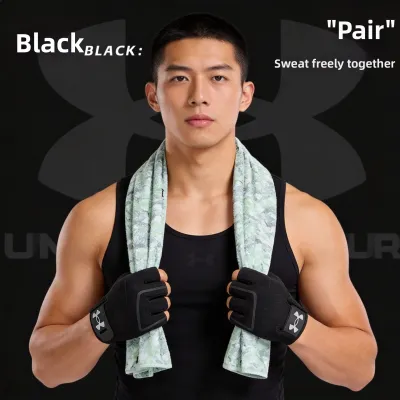
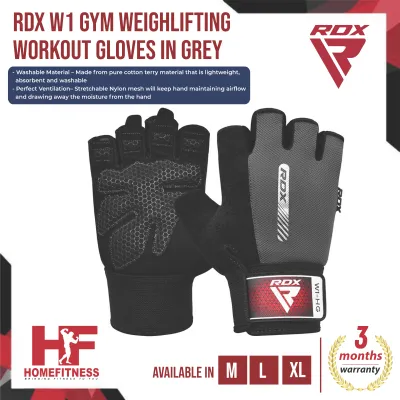
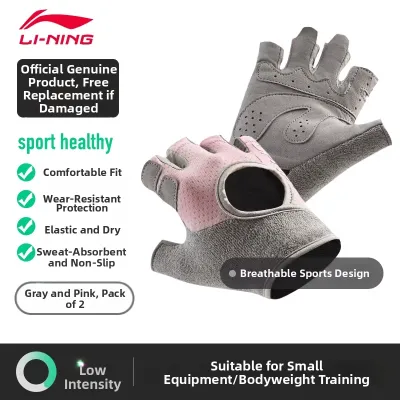
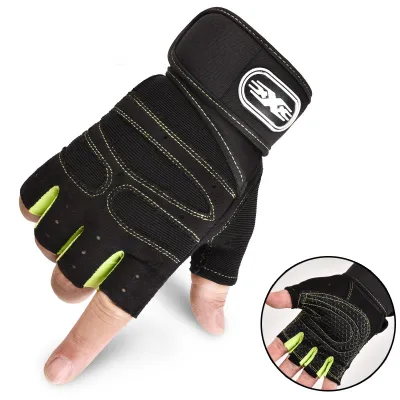
Prices are valid at publication and may change. Please refer to the product page for the latest price.
When to choose minimal padding:
- Heavily knurled barbells: Thin, durable padding or reinforced leather palms are highly suitable. The knurling provides natural grip traction, so you only need protection from abrasion rather than extra cushioning.
- Dynamic lifting: Exercises like cleans, snatches, or kettlebell swings require your hands to rotate around the handle, where excess padding can bunch up and cause friction blisters.
When to choose maximum padding:
- Smooth machine handles: Gym machines and cable attachments often have smooth metal or plastic handles that press uncomfortably into the hands during heavy pulling or pushing movements.
- Dumbbell training: Heavy dumbbell handles can press directly into the palm creases, making thicker gel inserts beneficial for distributing pressure evenly.
To verify the quality of the padding, check the manufacturer specifications for material density and placement. Look for anatomical padding designs, where the cushioning is segmented to align with the natural creases of your hand, allowing your fingers to flex naturally without the material bunching up.
Evaluating Grip Materials and Surface Textures
The material on the palm of the glove determines how securely you can hold weights and how long the gloves will last under heavy use. Genuine leather, synthetic leather, and silicone are the most common materials, each offering distinct performance traits.

Genuine leather is highly durable, molds to the shape of your hand over time, and offers excellent abrasion resistance. However, it requires more care and can become stiff if exposed to moisture without proper drying. Synthetic leather is often more flexible out of the box, easier to wash, and dries faster than genuine leather, though it may wear down sooner under heavy daily use. Silicone prints or overlays are frequently applied to synthetic backings to provide high-traction grip on smooth surfaces, though they can peel over time if subjected to intense friction.
In humid environments like Singapore, sweat accumulation is a major factor to consider. High humidity prevents sweat from evaporating quickly, which can cause the inside of the glove to slip against your skin. To maintain a secure hold, look for gloves with textured palms, such as cross-hatched patterns or rubberized zones, to channel moisture away from the contact points.
Additionally, check product labels for moisture-wicking or ventilated backhand materials. Gloves featuring mesh, Lycra, or perforated panels on the back of the hand encourage airflow and accelerate drying during and after your workout, helping to prevent slippage and odor buildup.
Assessing Wrist Support and Closure Systems
Wrist support in weight training gloves ranges from simple elastic cuffs to heavy-duty integrated wraps. Determining how much stabilization you need depends on the types of lifts you perform and your individual joint mobility.
Standard slip-on gloves feature elastic cuffs with no straps, offering maximum wrist mobility and quick transitions, but they provide zero wrist stabilization. Velcro tab closures are standard short straps that secure around the wrist bone, keeping the glove snug on the hand without offering structural support for the wrist joint itself. Wrap-around wrist wraps feature an extended strap that wraps tightly around the wrist joint, acting like integrated wrist wraps to stabilize the joint during heavy loads.
When to consider extended wrist wraps:
- Heavy pressing movements: Exercises like the bench press, overhead press, or shoulder press place significant extension stress on the wrists. Extended wraps help keep the wrist in a neutral, upright position under heavy loads.
- Joint discomfort: If you experience mild wrist fatigue during training, the added compression can help manage joint stability.
When to choose standard closures:
- Pulling movements: Exercises like deadlifts, pull-ups, and rows do not place extension stress on the wrist, making standard closures or slip-on styles preferable for unrestricted movement.
- General fitness: If your routine involves a mix of cardio, bodyweight exercises, and light weights, standard closures offer the flexibility needed for quick transitions.
Always verify strap adjustability before purchasing. A high-quality strap should allow you to tighten it securely during a heavy set and loosen it easily immediately afterward to maintain healthy blood circulation and nerve sensation.
How to Measure and Ensure the Proper Fit
An improperly fitting glove can cause blisters, restrict blood flow, or slip during a lift, making accurate measurement essential before purchasing.
To find your size, use a flexible tape measure to take two key measurements:
- Hand Circumference: Wrap the tape measure around your dominant hand at the widest part of your palm, just below the knuckles, excluding the thumb. Keep your hand flat and your fingers relaxed.
- Hand Length: Measure from the base of your palm, right at the wrist crease, to the tip of your middle finger.
Compare both measurements to the manufacturer’s specific sizing chart. Sizing standards vary significantly between brands; a “Medium” in one brand may be a “Small” or “Large” in another. If your measurements fall between two sizes, consider your training style: choose the smaller size for a snug, high-tactility fit, as materials often stretch slightly with use, or the larger size if you prefer a looser feel or have wider fingers.
When trying on the gloves, perform a few quick checks to verify the fit. Make a tight fist; the material should not pinch your skin or pull painfully across the back of your hand. Open your hand fully; there should be no excess material bunching up in the palm, which can cause severe friction blisters during a workout. For half-finger gloves, ensure the finger sleeves end comfortably between your first and second knuckles without cutting off circulation.
Matching Gloves to Your Specific Training Goals
To finalize your choice, align the glove’s features with your primary workout routines to ensure you get the right balance of protection and flexibility.
For heavy strength training and powerlifting, prioritize minimal padding, maximum grip traction, and optional heavy wrist support. This combination maintains a direct, secure connection to the barbell knurling while protecting the skin from tearing during heavy deadlifts or presses.
For high-rep conditioning and functional fitness, prioritize high breathability, lightweight materials, and flexible construction. These features help prevent hand tearing during rapid transitions between barbells, pull-up bars, and kettlebells, while allowing sweat to evaporate quickly in warm gym environments.
For general machine and cable training, moderate padding and standard Velcro closures are highly suitable. They provide comfortable cushioning against smooth, hard handles and prevent calluses during routine fitness workouts.
Before making a purchase, use this final checklist to verify that the selected glove meets your specific workout demands:
- Does the padding thickness match my primary equipment (knurled vs. smooth)?
- Is the grip material suitable for my gym's humidity levels?
- Do I need integrated wrist wraps for heavy pressing, or a flexible cuff for pulling?
- Have I measured my hand circumference and checked the brand-specific size chart?
Maintaining Your Gloves and Knowing When to Replace Them
Proper maintenance extends the lifespan of your gloves, prevents unpleasant odors, and ensures the materials continue to provide a secure grip.
Always check the manufacturer’s care label for specific cleaning instructions. Most synthetic gloves can be hand-washed in cool water with a mild detergent, while genuine leather gloves require specialized leather cleaners or simple damp-wipe care. Never tumble dry weight training gloves, as high heat can shrink leather, melt synthetic fibers, and degrade Velcro closures; instead, air-dry them flat in a well-ventilated area away from direct sunlight.
Perform regular visual checks to monitor the condition of your gloves. Inspect the palms for thinning material, holes, or peeling silicone grip patterns. Check the stitching along the seams and finger loops for fraying or separation, and examine the Velcro closure to ensure it still holds securely under tension.
Replace your gloves immediately if the padding has compressed completely and no longer cushions your hands, if the seams have split open, or if the material has stretched so much that the glove slips during exercises. Continuing to use compromised gloves can lead to sudden grip slips or skin abrasions, undermining your safety during heavy lifts.
Frequently Asked Questions (FAQ)
Do I really need weight training gloves, or should I use chalk?
The choice between gloves and chalk depends on your gym’s rules and your personal training goals. Many commercial gyms restrict the use of loose chalk to maintain equipment cleanliness, though some allow liquid chalk as a cleaner alternative. Gloves protect the skin from calluses and tears while providing consistent grip regardless of sweat, making them ideal for general fitness. Chalk absorbs moisture to maximize raw skin-to-metal friction, which is preferred by competitive lifters but offers no protection against calluses or blisters.
Can I use standard weightlifting gloves for pull-ups and barbell cycling?
Standard weightlifting gloves with thick padding are generally not recommended for high-rep pull-ups or barbell cycling. The thick material can bunch up in the palm crease during dynamic movements, increasing friction and leading to severe blisters. If your workouts involve a mix of gymnastics and barbell work, look for specialized functional fitness gloves or gymnastics grips, which feature minimal palm padding, highly flexible materials, and reinforced wear zones to handle sliding friction.
Community discussion
Share your experience or ask a question. Comments are reviewed before publication.