
Choosing the right wrist weights requires balancing your current physical strength with the specific demands of your workout. To find the ideal pair, you must evaluate three core specifications: the weight increment, the security of the strap closure, and the durability of the filling and outer fabric. Selecting an unsuitable combination can lead to joint strain, skin chafing, or slipping during high-intensity movements. By matching these specifications to your fitness level and exercise environment, you can safely enhance your resistance training, walking, or cardiovascular routines.
Decoding Weight Increments for Your Fitness Level
Before adding any external load to your wrists, it is essential to assess your baseline strength and joint mobility. The wrist joint is relatively delicate and lacks the large muscle cushioning found around the ankles or hips. If you experience any existing joint discomfort or stiffness, starting with a very light load is a cautious and practical approach.
Weight ranges significantly influence how your body responds to movement. Light increments, typically ranging from 0.5 kg to 1 kg, are highly suited for cardiovascular activities, walking, or high-repetition aerobic workouts. These lower weights increase heart rate and endurance without placing excessive torque on the elbow and shoulder joints.
Products mentioned in this guide
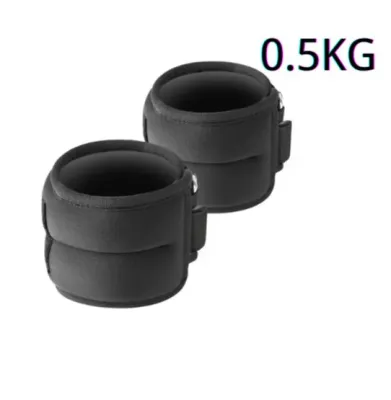
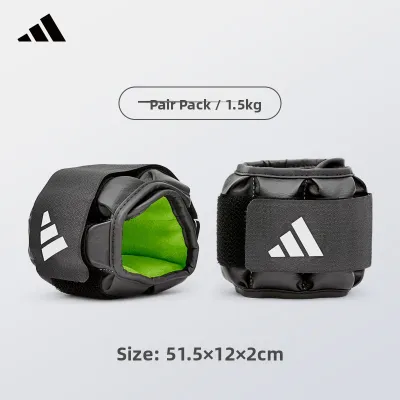
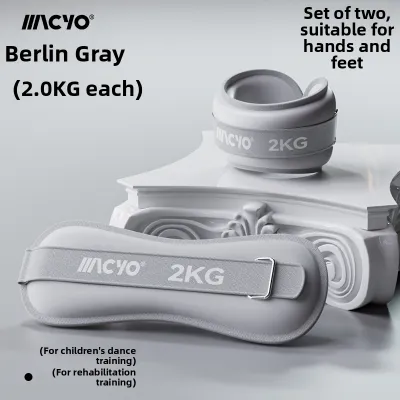
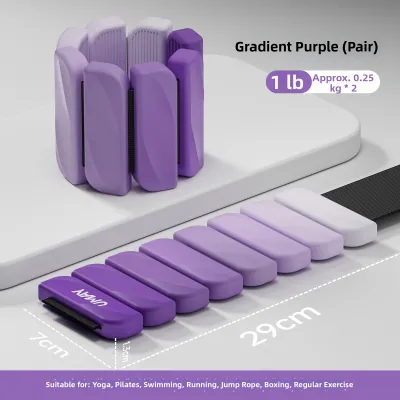
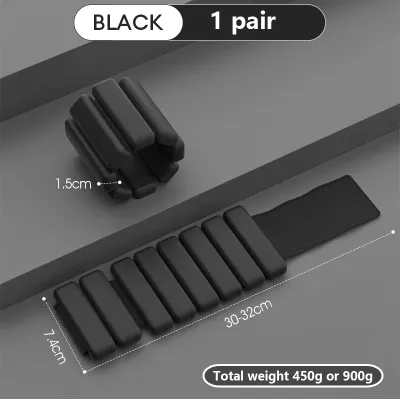
![🇸🇬 [In Stock]NEW Weights Bracelet Silicone Ankle Wrist Exercise Adjustable Weight Wrist Band Gravity Belt Yoga Running](https://img.lazcdn.com/g/p/254907748d7487e447cdefa180cdeee4.jpg_400x400q80.jpg_.webp)
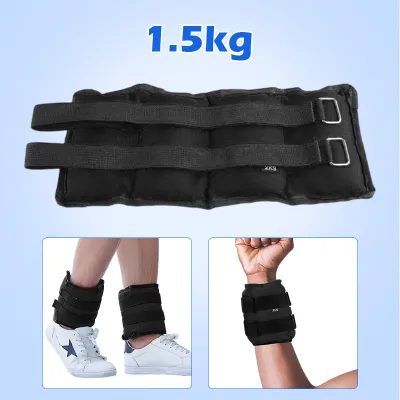
![[SG InStock]Ankle Wrist Weight Sand Bag Training Wrist Guard Adjustable Weight-Beare Steel Sandbag Yoga Dance Practice](https://img.lazcdn.com/g/p/86bb4f0a442b4d96ed8618bd602605fb.jpg_400x400q80.jpg_.webp)
Prices are valid at publication and may change. Please refer to the product page for the latest price.
Heavier increments, such as 1.5 kg to 3 kg or more, are better reserved for slow, controlled strength-focused movements. Using heavy wrist weights during rapid, ballistic movements can lead to hyperextension or muscle strain. If you plan to progress over time, look for adjustable models that allow you to add or remove weight inserts as your strength improves.
Always check the manufacturer’s specifications for the maximum safe load limits of the product. Some adjustable models have specific pockets that can only hold a set number of weight bars securely. Ensuring the weight is evenly distributed around the cuff prevents uneven pressure points on your wrist bones during exercise.
Evaluating Strap Types and Closure Mechanisms
A secure closure system is vital to prevent the weights from sliding up and down your arm, which can disrupt your rhythm and cause skin irritation. The most common closure mechanism is the hook-and-loop strap, which offers high adjustability for various wrist sizes. Quality hook-and-loop systems allow you to tighten the cuff precisely to your comfort level.

Elastic slip-on designs provide a sleek, low-profile fit but offer limited adjustability. These are often made of silicone or neoprene and rely on the material’s natural elasticity to stay in place. While convenient for light jogging, they may not fit snugly on very thin or very thick wrists, potentially sliding during vigorous arm swings.
Buckle closures offer a secure mechanical lock, making them suitable for intense workouts where slipping is a major concern. However, buckles can sometimes feel bulky or press uncomfortably against the skin if the strap lacks sufficient padding. When evaluating these options, prioritize straps with wide bands to distribute pressure evenly across the wrist joint.
Internal padding is another critical factor in preventing blood flow restriction. A thin, unpadded strap tightened excessively to prevent slipping can compress nerves and blood vessels. Look for designs featuring neoprene or foam lining that cushions the wrist while maintaining a firm grip, especially when exposed to heavy sweat during outdoor workouts in humid climates.
Understanding Filling Materials and Outer Fabrics
The internal filling of a wrist weight determines its bulkiness, flexibility, and how comfortably it wraps around your arm. Iron sand and steel shot are common fillings that conform well to the shape of the wrist, providing a snug and flexible fit. Steel shot tends to be denser than sand, allowing the weight to remain relatively compact and less bulky.
Some modern wrist weights utilize solid silicone-coated steel parts or water-filled chambers. Solid steel segments threaded onto an elastic band offer a modern, streamlined look and are easy to clean, though they lack the soft cushioning of fabric-wrapped weights. Water-filled options are adjustable but can feel unstable as the liquid shifts during rapid movements.
The outer fabric plays a major role in comfort, particularly regarding breathability and skin sensitivity. Neoprene is a popular choice because it is soft, stretchable, and resistant to moisture. However, in hot and humid environments, non-breathable materials can trap sweat against your skin, leading to heat rashes or slipping.
For intense workouts, look for moisture-wicking fabrics or mesh panels that promote airflow. Always review the manufacturer’s care labels and washing instructions before purchasing. Some fabric-covered weights cannot be submerged in water because the internal metal filling may rust, while others feature removable weight packets, allowing you to wash the outer sleeve easily.
Safety Checks and Usage Boundaries
Using wrist weights safely requires constant attention to how your body feels during exercise. A key physical sign of an improper fit is any sensation of numbness, tingling, or coldness in your fingers or hands. These symptoms indicate that the strap is too tight and is restricting circulation or compressing the nerves traveling down your arm.
You must also remain vigilant for signs of joint strain in your elbows and shoulders. Because wrist weights sit at the end of your limbs, they create a long lever arm that amplifies the force exerted on your upper body joints. If you feel sharp pain, clicking, or unusual fatigue in these joints, reduce the weight immediately or discontinue use.
If you are recovering from an injury or managing a chronic joint condition, do not rely solely on product descriptions to guide your purchase. Consult a qualified fitness professional or a physical therapist. They can provide personalized recommendations on weight limits and specific exercises tailored to your rehabilitation goals.
Frequently Asked Questions (FAQ)
Can I wear wrist weights all day for extra calorie burn?
Wearing wrist weights continuously throughout the day is generally not recommended by fitness professionals. Prolonged wear forces your muscles and joints to support an unnatural load during everyday tasks, which can alter your natural biomechanics and lead to repetitive strain injuries. It is a safer and more structured approach to use wrist weights during specific, time-bound exercise sessions where you can maintain proper form and focus on controlled movements.
How do I clean sweat-soaked wrist weights without damaging them?
To clean your wrist weights safely, always start by checking the manufacturer’s care label, as cleaning methods vary by material. For solid silicone or water-resistant models, a simple wipe down with a damp cloth and mild soap is usually sufficient. For fabric-covered weights with non-removable iron sand or steel fillings, avoid submerging them in water to prevent internal rusting; instead, spot-clean the fabric and allow them to air dry completely in a well-ventilated area away from direct sunlight to prevent odor buildup.
Community discussion
Share your experience or ask a question. Comments are reviewed before publication.