
Exercising at home has become a staple of modern fitness routines, but finding space for bulky equipment can be a significant challenge in compact housing like Singapore’s HDB flats. Traditional strength-training gear, such as dumbbells, barbells, and kettlebells, not only occupies valuable floor space but also carries the risk of damaging vinyl or parquet flooring if dropped. For those living in cozy three-room or four-room flats, maximizing every square meter is essential for maintaining an organized, clutter-free home.
Wrist weights (手腕负重) offer an elegant, hands-free solution to this spatial dilemma. By securing directly to your arms, these compact accessories add resistance to your workouts without requiring dedicated storage racks or large floor areas. They allow you to perform a wide variety of exercises—from yoga and pilates to high-intensity interval training (HIIT) and shadow boxing—while keeping your hands free and your living space open. However, selecting the right pair requires a careful balance of physical size, material durability under humid tropical conditions, and safety during dynamic movements in tight spaces.
To make an informed decision, you must evaluate how different designs, materials, and weight ranges align with your specific home environment. By focusing on low-profile construction and smart storage integration, you can elevate your fitness routine without compromising the comfort and aesthetics of your living area.
Products mentioned in this guide
![[SG InStock]Ankle Wrist Weight Sand Bag Training Wrist Guard Adjustable Weight-Beare Steel Sandbag Yoga Dance Practice](https://img.lazcdn.com/g/p/86bb4f0a442b4d96ed8618bd602605fb.jpg_400x400q80.jpg_.webp)
Prices are valid at publication and may change. Please refer to the product page for the latest price.
What to Look for in Small-Space Wrist Weights
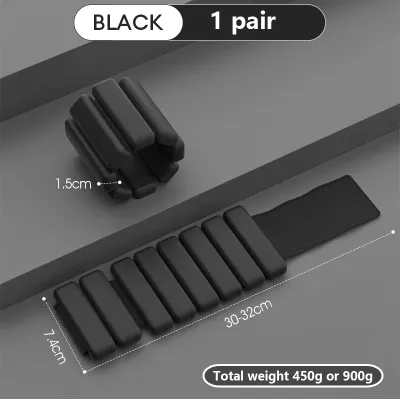
When selecting wrist weights for a compact apartment, the physical profile of the equipment is your primary consideration. In a narrow living room or bedroom, wide or bulky weights can easily catch on your clothing, collide with your hips during running-in-place exercises, or bump into nearby furniture. A low-profile, streamlined design ensures that your arms can move naturally through their full range of motion without artificial widening. Look for weights that maintain a slim thickness—ideally under two centimeters—so they feel like an extension of your body rather than an awkward obstacle.
Adjustability is another crucial factor that directly impacts both your fitness progress and your home’s clutter levels. Instead of purchasing multiple pairs of fixed-weight bands that will inevitably pile up on your shelves, look for modular options. Some modern designs feature removable weight segments or slots, allowing you to scale your resistance from 0.5 kg to 1.5 kg or more using a single pair. This progressive overload capability is essential for long-term strength gains, and choosing a single adjustable set saves both money and physical storage space.
The tropical climate of Singapore introduces unique challenges regarding material selection and hygiene. High humidity levels mean that workout gear can quickly trap sweat, leading to unpleasant odors and mold growth if not properly managed. Neoprene and traditional fabric weights tend to absorb moisture rapidly, requiring frequent, thorough washing and long drying times. On the other hand, silicone-coated or water-resistant materials can be wiped clean and dried instantly with a towel. Additionally, look for non-slip interior textures or secure fastening systems to prevent the weights from sliding down your forearms as you sweat.
Comparing Wrist Weight Designs for Compact Flats
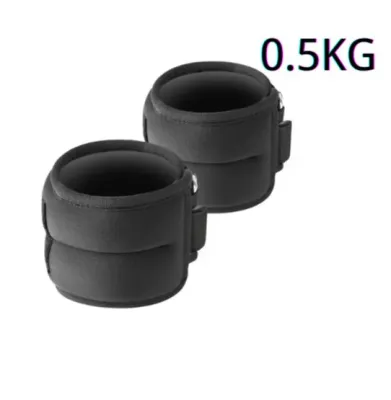
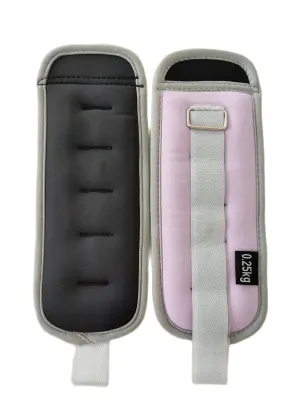
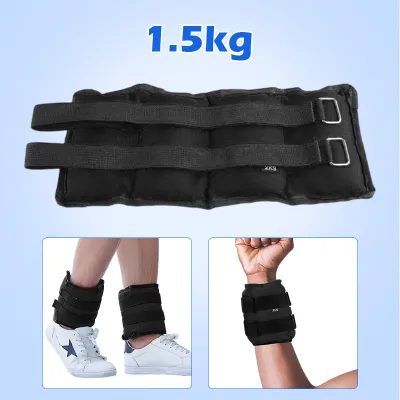
Adjustable sand- or shot-filled straps are among the most common and traditional options available on the market. These weights consist of soft fabric pockets filled with iron sand or small metal shot, secured around the wrist with a hook-and-loop strap. The primary advantage of this design is its flexibility; the soft filling conforms comfortably to the unique shape of your wrist, distributing the weight evenly. When empty or laid flat, they take up virtually no vertical space, making them incredibly easy to slide into a shallow drawer. However, they tend to be bulkier than solid metal alternatives, and the fabric exterior can retain sweat and take a long time to dry in humid weather.

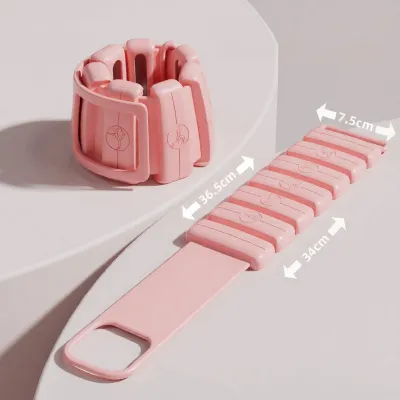
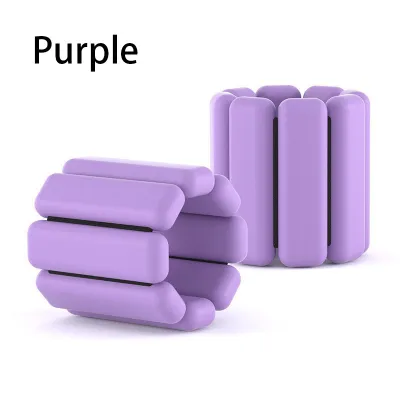
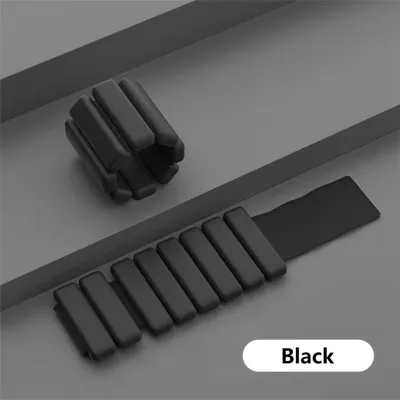
Silicone-coated steel bands represent a modern, sleek alternative that has gained immense popularity for home workouts. These weights feature solid steel rectangular segments encased in a smooth, medical-grade silicone sleeve. Because the exterior is completely non-porous, they do not absorb sweat, making them exceptionally hygienic and easy to sanitize with a quick wipe after a high-intensity session. Their minimalist aesthetic blends seamlessly into a modern home environment, often resembling stylish bracelets rather than gym gear. The main trade-off is their limited weight capacity; because steel is dense but fixed in volume, these bands rarely exceed 1 kg per wrist, which may not provide enough resistance for advanced strength training.
Weighted compression sleeves offer a unique approach by distributing the added mass along the entire length of your forearm rather than concentrating it solely at the wrist joint. This design minimizes the rotational torque on your joints, making them highly suitable for fast, dynamic movements like cardio dance, kickboxing, or shadow boxing. Because they slide onto your arm like a sleeve, there are no straps or buckles to catch on your clothing. However, finding the exact fit is critical; if the sleeve is too loose, it will slide down during movement, and if it is too tight, it can restrict blood circulation. They also cover a larger surface area of skin, which can feel warm during intense workouts and requires regular machine washing.
Adapting Your Workout for Tight Spaces
Before beginning any weighted workout in a compact HDB flat, performing a thorough clearance check is essential for your safety and the preservation of your home. Stand in the center of your designated exercise area, extend your arms fully to the sides, and perform a slow 360-degree rotation. Ensure that your hands do not come close to walls, television screens, glass doors, or fragile decor. Do not forget to check your vertical clearance as well; many Singaporean homes feature ceiling fans or low-hanging pendant lights that can pose a severe hazard during overhead presses or jumping jacks.
Adding weight to the extremities of your limbs significantly increases the leverage and force exerted on your joints, particularly the elbows and shoulders. Because wrist weights do not require a grip, it is easy to forget they are there, which can lead to uncontrolled swinging movements. To manage joint stress, focus on maintaining a “soft” elbow—a very slight bend—rather than locking your joints at the end of extensions. If you experience any sharp pain, tingling, or persistent joint discomfort, immediately reduce the weight or transition back to bodyweight movements to prevent tendon strain.
Modifying your exercise form is a highly effective way to stay safe and effective within a restricted footprint. For example, if a standard lateral raise feels too risky near a living room cabinet, modify the movement into a bent-arm lateral raise. This shortens the lever arm, reducing both the physical space required for the movement and the rotational stress on your shoulder joint. When performing punching movements, focus on slow, deliberate, and controlled extensions rather than rapid, snapping punches, ensuring your muscles are doing the work of stopping the momentum rather than your joint capsules.
Pre-Purchase Checks and Smart Storage
Before finalizing your purchase, take the time to perform a few essential checks to ensure the weights will be safe and durable. Measure your wrist circumference with a soft tape measure and compare it directly against the manufacturer’s sizing specifications. Pay close attention to the quality of the fastening system; look for wide, heavy-duty hook-and-loop straps and sturdy metal D-rings. A secure fastener is critical to prevent the weight from shifting, sliding, or flying off your arm mid-workout, which could result in injury or property damage.
Proper care and maintenance are vital to preserving the lifespan of your equipment and keeping your home smelling fresh. Always check the manufacturer’s care label for specific washing instructions. Fabric-based weights typically require hand washing in cold water with a mild detergent, followed by thorough air drying in a well-ventilated area away from direct sunlight. Never store fabric weights while they are still damp, as this creates an ideal breeding ground for mold and bacteria. For silicone-coated weights, a simple wipe down with a damp cloth and mild soap after each use is usually sufficient to keep them pristine.
Integrating your fitness gear into your home’s storage layout helps maintain a clean, organized living environment. Because wrist weights are inherently compact, they do not require large storage bins. Consider utilizing adhesive utility hooks on the inside of a closet door or the back of your household shelter door to hang your weights neatly out of sight. Alternatively, you can use shallow drawer dividers in your wardrobe or entryway console to keep them organized and easily accessible. By establishing a dedicated, out-of-the-way spot for your gear, you ensure that your home remains a relaxing sanctuary when you are not exercising.
Frequently Asked Questions (FAQ)
Can I wear wrist weights all day while doing household chores?
While wearing wrist weights during daily activities like cleaning or cooking might seem like an easy way to burn extra calories, it is generally not recommended by fitness professionals. Continuous, low-level loading over several hours can alter your natural movement mechanics and place repetitive, unnatural strain on your wrist, elbow, and shoulder joints. This can lead to muscle imbalances, joint fatigue, or tendonitis over time. To protect your joints, it is best to limit the use of wrist weights to structured, intentional workout sessions where you can actively focus on maintaining proper form and alignment.
How do I clean sweat out of fabric wrist weights without damaging them?
To clean fabric wrist weights safely, first check if the internal weight packets are removable. If they are, slide them out and wash only the fabric sleeve according to the care instructions. For non-removable, sand-filled fabric weights, avoid submerging them completely in water, as this can cause the internal metal shot or sand to rust, clump, or degrade the stitching. Instead, gently spot-clean the exterior fabric using a damp cloth, a soft-bristled brush, and a mild detergent. Always allow them to air-dry completely in a well-ventilated space before using or storing them, and avoid using a tumble dryer, as the high heat can warp synthetic materials and weaken adhesive closures.
Community discussion
Share your experience or ask a question. Comments are reviewed before publication.