
Choosing the right wrist weights depends entirely on your specific fitness activities, as the ideal weight, material, and closure system must match the velocity and duration of your movements. For low-impact activities like walking, lightweight, breathable wraps enhance cardiovascular endurance without straining your shoulders. For high-velocity movements like shadowboxing, highly secure, non-slip silicone bands are necessary to prevent dangerous shifting and joint hyperextension. For rehabilitation, highly adjustable, micro-increment weights are crucial to support safe, progressive recovery under professional guidance. By aligning these design features with your workout type, you can safely add targeted resistance to your upper body, elevate your heart rate, and protect your joints from unnecessary stress.
Define Your Workout Goals and Safety Boundaries
Integrating wrist weights into your fitness routine is an effective way to introduce progressive overload to your upper body without requiring your hands to grip external weights. When you wear weights around your wrists, you place the resistance at the end of your arm’s lever. This positioning increases the torque around your shoulder and elbow joints, forcing your stabilizing muscles to work harder to maintain control. Consequently, even a small amount of added weight can significantly increase your oxygen consumption and elevate your heart rate during simple movements.
However, it is vital to understand that wrist weights are designed as a supplementary tool for cardiovascular conditioning, muscular endurance, and movement form. They are not a viable replacement for traditional dumbbells, barbells, or resistance bands when your goal is to build raw muscle mass or heavy strength. Because the weight capacity of wearable bands is physically limited to protect your joints, attempting to use them for heavy strength training is inefficient and potentially unsafe.
Products mentioned in this guide
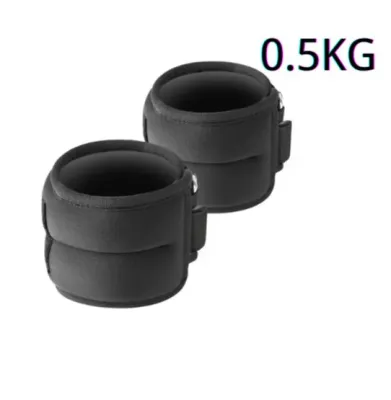
![[SG In Stock] Silicone Adjustable Wrist Ankle Weight Bands | Leg Arm Weights Straps for Yoga Running Fitness Exercise](https://img.lazcdn.com/g/p/f1f8d2519c85b58cd0c8b058f7f47a2b.jpg_400x400q80.jpg_.webp)
![🇸🇬 [In Stock]Ankle Wrist Weights[1Pair/2LB]Silicone Adjustable Weight Sports Wristbands Exercise Gravity Belt Wrist Band](https://img.lazcdn.com/g/p/3e2fdd93670e08f6e0db68b84995b622.jpg_400x400q80.jpg_.webp)
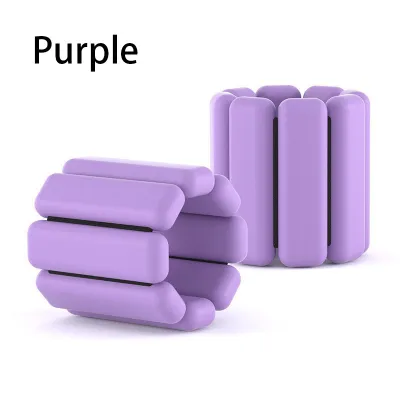
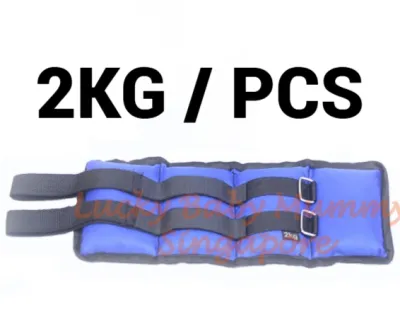
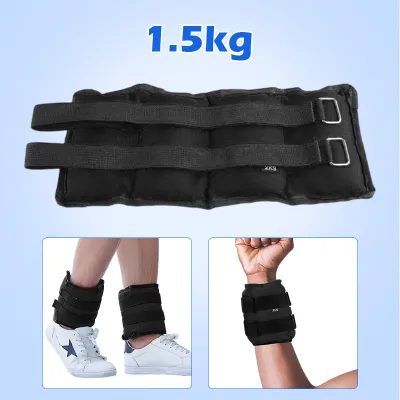
Prices are valid at publication and may change. Please refer to the product page for the latest price.
Before purchasing, you must evaluate your baseline physical strength and joint health to establish clear safety boundaries. If you lack sufficient shoulder stability, rotator cuff strength, or proper movement mechanics, adding resistance to your limbs can lead to joint shear or micro-tears. Avoid wearing wrist weights during high-impact, high-velocity activities if you are a beginner, as the sudden, uncontrolled forces can easily overwhelm your joints. Always prioritize mastering your bodyweight form before introducing any external resistance.
Match Weight Capacity to Your Specific Exercise Type
Selecting the correct weight capacity is not a matter of choosing the heaviest option available; it requires a careful analysis of the biomechanics and velocity of your chosen exercise. A weight that feels light during a static bicep curl can become incredibly taxing and structurally dangerous when swung repeatedly during a long walk or punched rapidly during a shadowboxing session. Matching the resistance to your specific workout type ensures you gain the metabolic benefits of the exercise without compromising your safety.

Walking, Jogging, and Cardio
For steady-state aerobic exercises, such as walking along the Southern Ridges or jogging on outdoor paths, your movements are highly repetitive and sustained over long periods. For these high-repetition activities, lighter weight ranges—typically between 0.5 kg and 1 kg per wrist—are highly recommended. Using heavier loads during repetitive arm swings can cause shoulder impingement, strain the neck muscles, or lead to lower back discomfort as your body compensates for the unbalanced weight. Always check product labels for specific weight increments, and start at the lowest available option to allow your tendons and ligaments to adapt to the new load.
Boxing, Martial Arts, and Shadowboxing
Shadowboxing and martial arts training involve explosive, rapid, and high-velocity striking movements. The momentum generated at the end of a punch increases exponentially with even minor additions of weight, which significantly raises the risk of elbow hyperextension or shoulder strain when you decelerate the strike. To maintain proper punching mechanics and protect your joints, choose secure, moderate weights, typically capped at 0.5 kg to 1 kg. The primary goal of adding resistance here is to build speed, shoulder endurance, and core stability, not to mimic heavy lifting. If the weight causes your punches to sag or forces you to alter your form, reduce the weight immediately to preserve your joint health.
Rehabilitation and Physical Therapy
If you are recovering from an upper-limb injury, such as a rotator cuff tear, tennis elbow, or wrist sprain, or if you are building baseline strength after a prolonged period of inactivity, precision is critical. Look for highly adjustable wrist weights that feature removable weight inserts—such as small steel bars or sandbags—or very light, fixed options starting as low as 0.25 kg. These specialized options allow for micro-progressions, enabling you to increase the resistance in tiny, manageable increments without overloading healing tissues. You must follow a physiotherapist’s prescribed weight limits exactly and stop the exercise immediately if you experience any sharp pain, clicking, or sudden weakness.
Choose Sweat-Resistant Materials for Humid Climates
In a warm and humid climate like Singapore, heavy perspiration is inevitable during any moderate-to-intense workout. Choosing the right material for your wrist weights is essential to ensure comfort, prevent skin irritation, and guarantee long-term durability. The outer material and the internal filling both play critical roles in how the weight feels against your skin and how it performs over time.
When evaluating outer materials, consider these common options:
- Medical-Grade Silicone: This is the premier choice for humid environments. It is completely waterproof, non-porous, and sweat-resistant, meaning it will not absorb moisture or body oils. It is incredibly easy to wipe clean after a workout, is gentle on sensitive skin, and does not harbor bacteria or odors.
- Neoprene: Soft, cushioned, and highly comfortable against the skin, neoprene is a popular budget-friendly option. However, it is highly absorbent and acts like a sponge for sweat. If not dried thoroughly in a well-ventilated area, it can quickly develop bacterial growth, mold, and persistent sour odors.
- Breathable Mesh: Excellent for promoting airflow and keeping the skin cool during outdoor workouts. While it offers superior ventilation, it can still absorb some sweat and requires regular, thorough washing to maintain hygiene.
The internal filling of the wrist weights dictates their flexibility, physical profile, and weight distribution:
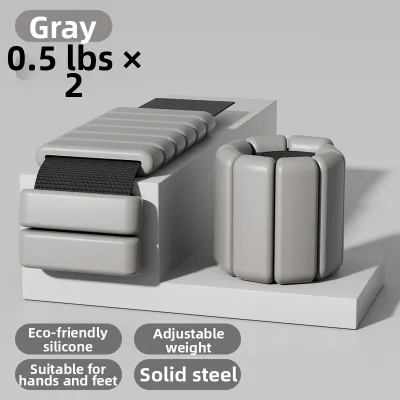
- Solid Silicone-Coated Steel Blocks: Often found in modern, minimalist bands, these weights consist of solid steel segments encased in silicone. They provide even weight distribution, maintain a sleek physical profile, and do not shift or bunch up during rapid movements.
- Iron Sand or Steel Shot: Commonly used to fill soft neoprene pouches. While they conform comfortably to the shape of your wrist, the sand or shot can shift during movement, causing uneven weight distribution. There is also a risk of the outer fabric puncturing over time, leading to leaks.
To maintain hygiene and prevent the buildup of unpleasant odors, always check the manufacturer’s care labels for washability. Waterproof silicone models can simply be washed with mild soap and water, then towel-dried immediately. Neoprene and mesh models generally require hand washing and air drying in a well-ventilated indoor space away from direct sunlight to prevent the material from degrading or warping.
Select a Secure Closure to Prevent Slipping
A secure closure system is paramount to ensure your wrist weights stay firmly in place throughout your entire workout. If the weights slip, slide, or bounce against your forearm, they will disrupt your exercise rhythm, cause skin chafing, and alter your body’s natural biomechanics. A high-quality closure should provide a locked-in fit without restricting your blood circulation or causing localized pressure points.
Compare the primary closure mechanisms available on the market:
- Adjustable Velcro Straps: These offer a highly customizable fit, allowing you to tighten or loosen the band to match your exact wrist circumference. Look for wide, heavy-duty hook-and-loop fasteners that provide a strong grip and will not lose their stickiness after repeated exposure to sweat and lint.
- Contoured Silicone Grips: Often utilizing a watch-band style buckle or peg closure, these bands provide a very secure, mechanical lock. When paired with a textured inner surface, they grip the skin effectively, preventing any sliding even during high-velocity movements.
- Elastic Slip-On Bands: While convenient and easy to put on, they lack adjustability. Over time, the elastic fibers will inevitably stretch out, leading to slipping during dynamic exercises. They are best reserved for low-impact, steady-state activities.
To evaluate the comfort and security of a closure, look closely at the strap width and padding. A wider strap distributes the weight over a larger surface area, which reduces localized pressure on your wrist bones, tendons, and blood vessels. Generous padding underneath the closure mechanism prevents the strap from digging into your skin during repetitive arm swings.
Furthermore, inspect the edges of the wrist weights before purchasing. Ensure they feature smooth, padded interiors, seamless edges, or bound seams. Rough stitching, exposed plastic edges, or hard Velcro corners can cause friction burns, blisters, and severe skin irritation when rubbed repeatedly against sweaty skin during dynamic movements.
Test the Fit and Establish Safe Usage Rules
Once you have selected your wrist weights, testing the fit and establishing clear safety protocols is essential to prevent injury and maximize the effectiveness of your workouts. Properly fitting the weights ensures they function as intended without putting undue stress on your peripheral nerves or blood vessels.
Use this step-by-step fitting process before every workout:
- Positioning: Place the weight just above your wrist bone (closer to your forearm) rather than directly on the joint space. This positioning preserves your full range of motion at the wrist joint.
- Securing: Tighten the closure so that the band is secure and does not slide when you gently shake your hand. However, ensure it is loose enough that you can comfortably slip a finger underneath the band.
- Testing: Perform a few practice movements matching your planned workout, such as slow arm circles, gentle bicep curls, or light shadowboxing punches.
- Verification: Check for any pinching, slipping, friction, or signs of restricted circulation, such as cold fingers, pale skin, or a tingling sensation.
You must establish clear “stop conditions” that require you to remove the weights immediately to protect your musculoskeletal health:
- Sharp Joint Pain: Any sudden or sharp pain in your wrists, elbows, or shoulders is a clear signal to stop.
- Numbness or Tingling: A "pins and needles" sensation in your hands or fingers indicates nerve compression or restricted blood flow.
- Form Deterioration: If you find yourself arching your back, hunching your shoulders, or swinging your body to complete a movement, your muscles are fatigued, and the weights should be removed.
Always follow a path of gradual progression. Master your exercise movements completely unweighted before adding wrist weights. Begin by wearing the weights for only 10 to 15 minutes per session, and slowly increase the wear time and frequency over several weeks as your stabilizing muscles, tendons, and ligaments adapt to the added resistance.
Frequently Asked Questions (FAQ)
Can I wear wrist weights all day to burn more calories?
Wearing wrist weights all day is not recommended due to the significant biomechanical risks involved. Continuous, passive wear forces your muscles and joints to support unnatural loads during everyday activities, leading to muscle imbalances, chronic joint strain in the shoulders and neck, and poor posture. Additionally, the constant pressure can compress nerves in the wrist, potentially contributing to conditions like carpal tunnel syndrome. To burn calories safely, limit the use of wrist weights to structured, active workout sessions lasting no more than 45 to 60 minutes, allowing your body to rest and recover during normal daily movements.
Are wrist weights safe for people with joint issues or arthritis?
If you have pre-existing joint issues, osteoarthritis, rheumatoid arthritis, or past wrist injuries, you must exercise extreme caution. Adding weight to the end of your limbs increases the leverage and rotational force acting on your wrist, elbow, and shoulder joints, which can aggravate inflammation, increase pain, and accelerate joint wear. Before starting any routine with wrist weights, consult a physician or physical therapist to evaluate your joint stability. If cleared, start with ultra-light, adjustable weights, focus on slow, controlled movements, and immediately stop if you feel any joint discomfort or swelling.
Community discussion
Share your experience or ask a question. Comments are reviewed before publication.