
Selecting your first pair of fishing pliers is one of the most practical decisions you will make when assembling your angling gear. While it is tempting to grab a standard pair of hardware pliers from a home toolbox, a dedicated pair of fishing pliers is an essential safety and utility tool. It protects your hands from sharp teeth and hooks, ensures clean line cuts, and assists in rigging lures. The right pair will depend heavily on where you fish, what species you target, and the types of line you use. By understanding the core features of this tool, you can make an informed purchase that lasts for seasons to come.
Identifying Your Primary Fishing Tasks
Before browsing online marketplaces or visiting a local tackle shop, you must define how and where you plan to fish. Your target environment is the single most important factor in determining the durability requirements of your pliers. For instance, if you plan to fish along coastal jetties, southern islands, or saltwater offshore charters in Singapore, your gear will face highly corrosive marine environments. Saltwater demands premium corrosion-resistant materials, whereas freshwater reservoir fishing at MacRitchie or Bedok Reservoir is far more forgiving on metal tools.
Next, consider your target species and the size of the hooks you will be handling. If you are targeting smaller freshwater species like peacock bass, you will generally use smaller lures and lighter wire hooks. These require pliers with a finer, more precise nose for delicate hook removal. Conversely, if you are heading offshore to target heavy-hitting saltwater species like groupers or snappers, you will need robust pliers with high grip strength and longer jaws to safely reach deep-set, thick-gauge hooks without putting your fingers at risk.
Products mentioned in this guide
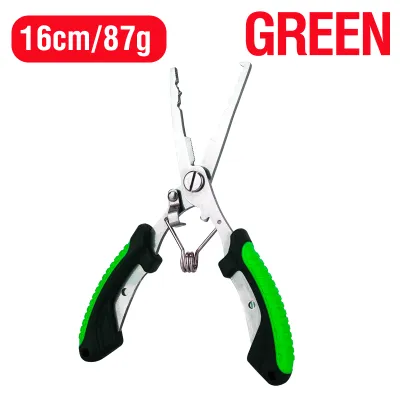
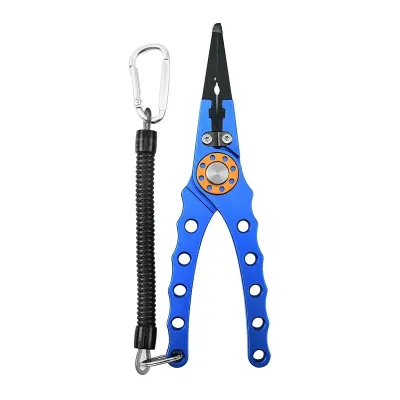
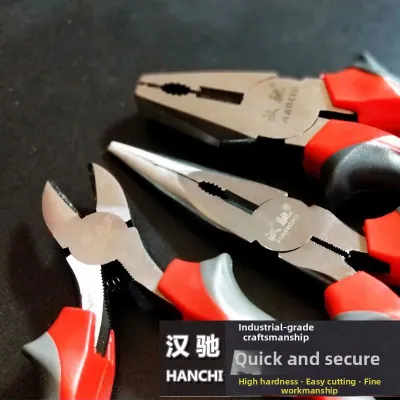
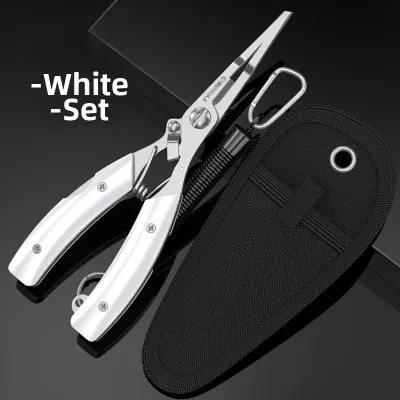
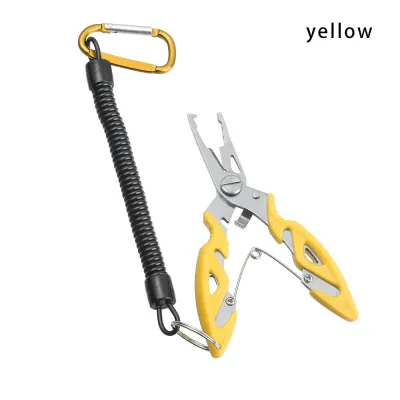
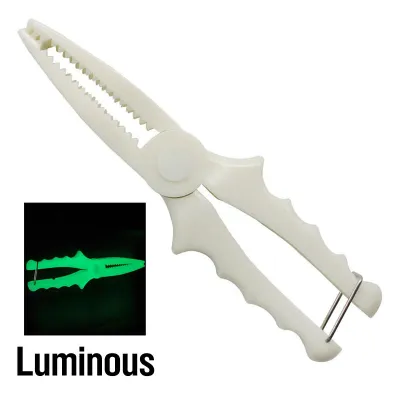
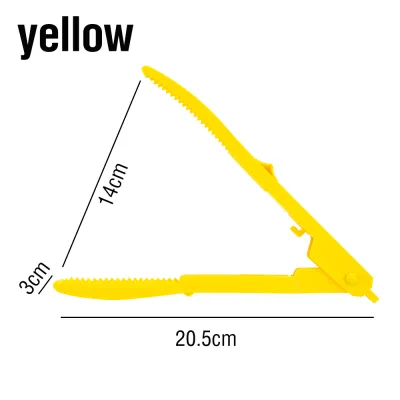
Prices are valid at publication and may change. Please refer to the product page for the latest price.
Finally, identify the primary line types you intend to spool onto your reel. Monofilament and fluorocarbon lines are relatively soft and easy to cut with basic blades. However, if you use modern braided lines, which are incredibly strong and supple, you will need specialized, ultra-sharp cutters. Standard blades will often bend or fray braided line rather than cutting it cleanly, leading to frustrating rigging experiences on the water.
Essential Features Every Beginner Should Look For
When evaluating different fishing pliers, three primary functional components deserve your closest attention: the split ring hook, the line cutters, and the jaw design.

The split ring hook is a small, distinct tooth located at the very tip of the pliers’ nose. This feature is designed specifically to wedge open the tightly coiled wire rings used to connect hooks to lures. If you plan to swap out rusted hooks, upgrade to stronger trebles, or customize your lures, a split ring tool is indispensable. When inspecting pliers, verify that the size of the split ring tip matches your lures. A tip that is too large will permanently deform small split rings, while a tip that is too small will struggle to open heavy-duty saltwater rings.
Line cutters are another critical feature to examine. Most modern fishing pliers feature integrated cutters, often located on the outer side of the jaws or nested near the pivot joint. For beginners, replaceable tungsten carbide cutters are highly recommended. These blades are exceptionally hard and retain their sharpness far longer than standard steel. When shopping, check the manufacturer’s specifications to ensure the cutters are rated for braided line. It is also wise to look for cutters that are mounted on the outside of the pliers, as this allows you to trim tag ends close to your knots without opening the jaws fully.
The jaw and nose design must align with your safety needs and target fish. Long needle-nose pliers are the gold standard for general hook removal, providing the necessary reach to extract hooks safely from a fish’s mouth while keeping your hands clear of sharp teeth, spines, and thrashing treble hooks. Look for jaws with cross-hatched serrations, which provide a non-slip grip on slick metal hooks. Some pliers also feature built-in crimping slots in the jaws, which are incredibly useful if you plan to make your own wire leaders or crimp heavy monofilament sleeves for saltwater rigging.
Evaluating Materials and Build Quality
The materials used to construct your pliers directly impact their weight, structural strength, and lifespan. The three most common body materials you will encounter are aluminum, stainless steel, and carbon steel.
Aluminum pliers are highly popular among modern anglers due to their lightweight nature and natural resistance to rust. High-grade aluminum, such as aircraft-grade anodized aluminum, offers excellent corrosion resistance in both fresh and saltwater. However, aluminum is a softer metal than steel. Under extreme pressure—such as trying to twist a heavy, deeply embedded hook out of a large fish—aluminum jaws can flex or misalign.
Stainless steel pliers offer superior strength and rigidity, making them the preferred choice for heavy-duty saltwater applications where maximum leverage is required. While stainless steel is highly durable, it is heavier than aluminum and is not entirely immune to rust. To combat this, look for stainless steel pliers that feature protective coatings, such as titanium deposition or specialized non-stick finishes, which add a crucial barrier against saltwater exposure.
Carbon steel pliers are often the most budget-friendly option and offer exceptional strength. However, they are highly susceptible to rust and corrosion. Even with protective coatings, carbon steel pliers will quickly degrade if exposed to saltwater or high tropical humidity. They are best reserved strictly for freshwater environments and require diligent maintenance.
Beyond the body material, inspect the pivot joint and spring mechanism. A high-quality pivot joint should feel smooth with zero lateral play or wobble. Many beginner-friendly pliers feature a spring-loaded design that automatically forces the jaws open. This is an incredibly helpful feature, allowing you to operate the pliers easily with one hand while using your other hand to secure and support the fish.
Ergonomics and Handling in Wet Conditions
Fishing is a wet, slippery activity, and your tools must be easy to handle under less-than-ideal conditions. The grip material on your pliers plays a massive role in both safety and comfort.
Avoid pliers with bare metal handles, as they become incredibly slick when wet or covered in fish slime. Instead, look for ergonomic handles wrapped in non-slip materials such as molded rubber, textured plastic, or high-density EVA foam. These materials provide a secure, comfortable grip, reducing the risk of the pliers slipping from your hand while you are applying pressure to remove a hook.
Weight and balance are also important, particularly if you plan to carry the pliers on your body throughout a long day of casting. Lightweight aluminum pliers are easy to wear on a belt sheath without feeling bulky. Ensure the tool feels balanced in your hand; it should not feel top-heavy or awkward to maneuver.
Finally, never underestimate the importance of a lanyard attachment point. It only takes one sudden movement from a thrashing fish to knock your pliers out of your hand and into the water. A dedicated lanyard hole allows you to attach a coiled safety tether and a carabiner. By securing the tether to your belt loop, kayak, or tackle bag, you ensure that an accidental drop does not result in your tool sinking to the bottom of the water.
Basic Maintenance and Storage Practices
No matter how advanced or expensive your fishing pliers are, their longevity depends entirely on how well you care for them. Developing a simple post-trip maintenance routine will prevent rust, keep the joints moving smoothly, and preserve the sharpness of the cutters.
The most critical step is rinsing your pliers with clean, running fresh water after every single outing. This is especially vital after saltwater trips, as dried salt crystals will quickly bind the pivot joint and accelerate corrosion on any exposed steel components. After rinsing, dry the pliers thoroughly with a clean towel; never store them while they are still wet.
Regular lubrication is also essential. Check the manufacturer’s care instructions for recommended schedules, and periodically apply a drop of marine-grade lubricant, light machine oil, or multi-purpose penetrating oil to the pivot joint and the cutter blades. Open and close the jaws several times to work the oil into the mechanism, then wipe away any excess.
When it comes to storage, keep your pliers in a dry, shaded, and well-ventilated environment. Avoid leaving them inside a damp, sealed tackle box or a plastic bag, as trapped moisture and high tropical humidity will create a greenhouse effect that promotes rapid rusting. Additionally, prolonged exposure to direct sunlight can degrade rubber or foam grips over time, so store them away from UV rays when not in use.
Frequently Asked Questions (FAQ)
Can I use regular household pliers for fishing?
While household pliers can technically grasp a hook, they are poorly suited for the demands of fishing. Standard hardware pliers lack specialized features like a split ring tip or dedicated line cutters, making rigging tasks much more difficult. Furthermore, household tools are typically made of chrome-plated carbon steel, which lacks marine-grade corrosion resistance. When exposed to moisture, humidity, or saltwater, they will rust and seize up rapidly, rendering them useless. Investing in a dedicated pair of fishing pliers ensures safety, efficiency, and durability on the water.
Do I need a separate line cutter if my pliers have one built-in?
For most beginners, a high-quality built-in cutter on your fishing pliers is perfectly sufficient for daily rigging tasks. However, having a separate, dedicated line cutter or nipper can offer significant convenience. Dedicated cutters are often smaller, lighter, and can be worn on a lanyard around your neck for instant access, saving you from constantly reaching for your belt sheath. Additionally, using a separate tool for routine line trimming reduces the wear and tear on your pliers’ blades, preserving their sharpness for when you need to cut heavy leader materials or stubborn braided lines.
Community discussion
Share your experience or ask a question. Comments are reviewed before publication.