
Choosing your first fishing reel can feel like navigating an overwhelming sea of technical jargon, gear ratios, and specialized designs. The key to making the right choice lies in matching the reel’s mechanism to your current skill level, your intended fishing environment, and the specific species you hope to target. By focusing on user-friendly designs that minimize casting errors, you can spend more time enjoying the water and less time untangling line knots.
A successful setup does not require the most expensive professional-grade equipment on the market. Instead, a beginner should prioritize reliability, ease of operation, and physical balance with the fishing rod. Starting with a versatile, forgiving reel allows you to master the fundamentals of casting, retrieving, and managing fish before you decide to invest in highly specialized gear.
Compare the Main Types of Fishing Reels for Beginners
To make an informed decision, you must first understand the three primary categories of fishing reels: spinning, baitcasting, and spincast. Each type features a distinct line-release mechanism, spool orientation, and control system that directly affects how easy it is to cast and retrieve.
Products mentioned in this guide
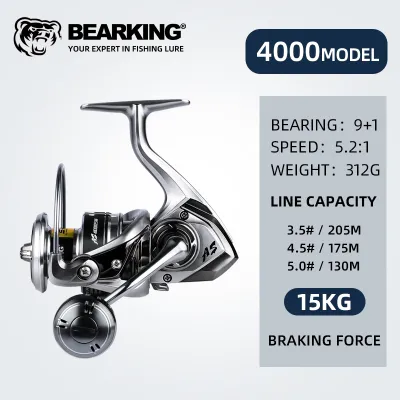
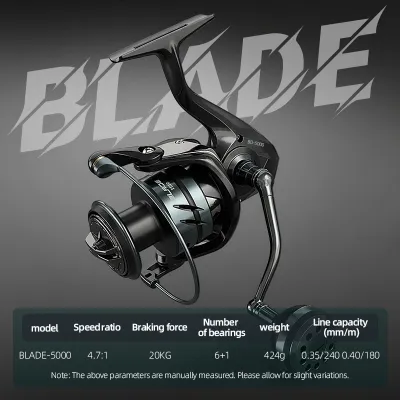
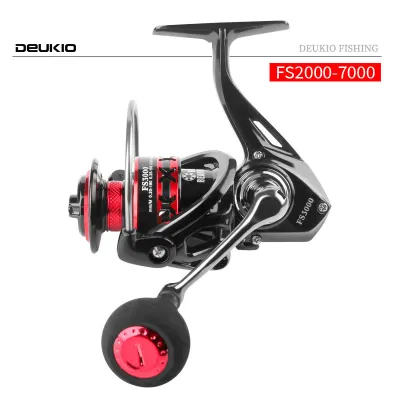
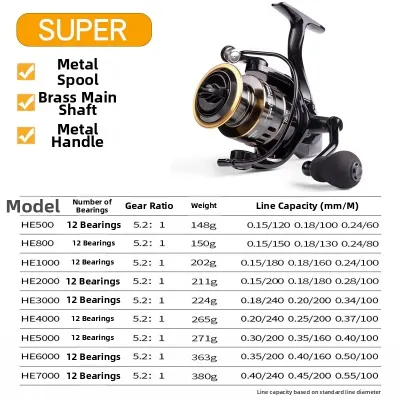
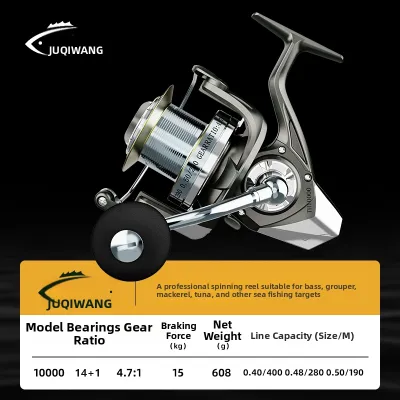
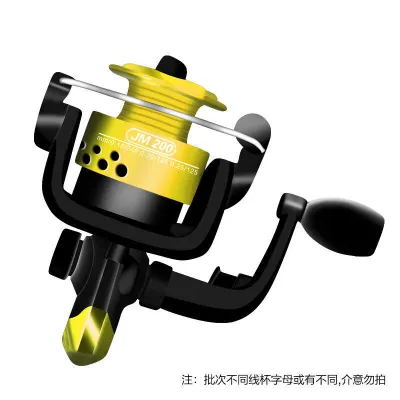
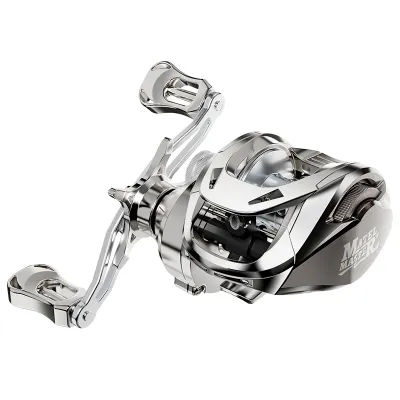
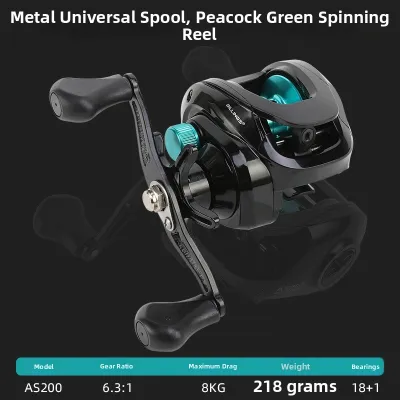
Prices are valid at publication and may change. Please refer to the product page for the latest price.
Spinning reels, often referred to as open-face reels, are widely considered the most versatile and beginner-friendly option available. On a spinning reel, the spool remains stationary underneath the rod, and a metal wire called a bail wraps the line around it during retrieval. This open-face design allows the line to flow freely off the spool during a cast, which significantly reduces the risk of line twists and casting errors. Because they handle lightweight lures and baits exceptionally well, spinning reels are highly forgiving for those still developing their casting rhythm.
Baitcasting reels position the spool on top of the rod, and the spool itself rotates during the cast to release the line. This design offers experienced anglers unmatched precision, casting distance, and pulling power, making it ideal for heavy lures and dense cover. However, baitcasting reels come with a steep learning curve because the rotating spool can easily spin faster than the line exits, resulting in a tangled mess known as backlash or a “bird’s nest.” Managing this requires precise thumb control and constant adjustment of the tension and braking systems, which can frustrate absolute beginners.
Spincast reels feature a closed-face design where the spool and internal components are completely enclosed under a plastic or metal cone. To cast, you simply press and release a push-button on the back of the reel, making it the simplest mechanism to operate. While spincast reels are highly accessible for young children or casual anglers, they have notable limitations in casting distance, line capacity, and overall durability. As you progress in your angling journey, you may quickly outgrow a spincast reel’s restricted capabilities.
Match Your Reel to Your Target Fish and Environment
Your choice of fishing reel must align with where you plan to fish and the physical characteristics of the species you intend to catch. Different environments place unique physical demands on your gear, and using a reel in the wrong setting can lead to rapid wear or mechanical failure.

When fishing in Singapore, you must carefully distinguish between freshwater and saltwater environments. Coastal areas, concrete piers, and estuarine boardwalks expose your gear to highly corrosive saltwater and fine sand. If you plan to fish in these marine environments, always check the manufacturer’s specifications to verify that the reel features corrosion-resistant materials, such as anodized aluminum or stainless steel, and sealed internal components. Freshwater reels lack these protective barriers and can quickly seize up if exposed to salt spray.
The size and physical strength of your target species dictate the necessary reel size and line capacity. Reel sizes are typically categorized by numbers like 1000, 2500, 4000, or equivalent ratings, which indicate how much line of a specific thickness the spool can hold. If you are targeting small pond fish or light estuary species, a smaller reel in the 1000 to 2500 range is highly appropriate. For larger coastal species or pier fishing where fish might run long distances, a larger reel in the 3000 to 4000 range provides the extra line capacity and structural strength needed to handle the fight.
Your physical fishing venue also influences the ideal reel configuration. Shore casting along sandy beaches requires a setup optimized for long-distance casting to reach deeper water beyond the surf. Pier fishing, on the other hand, often requires vertical jigging or dropping baits directly alongside concrete pilings, where retrieval power and structural durability are more critical than casting distance. If you are fishing from a boat or kayak, space is limited, and a compact reel that allows for quick, short-distance casts is generally more practical. Always prioritize personal safety by checking local weather forecasts and tide tables before heading out to any coastal venue.
Evaluate Key Specifications Without Getting Overwhelmed
Product labels and specification sheets are filled with technical terms that can easily confuse a first-time buyer. By focusing on a few critical specifications—gear ratio, drag system, and bearing quality—you can easily evaluate a reel’s performance without getting bogged down in marketing hype.
The gear ratio indicates how many times the spool or rotor spins for every single turn of the handle. For example, a gear ratio of 5.2:1 means the rotor rotates 5.2 times per handle turn. A lower ratio provides more torque and pulling power, which is useful for retrieving heavy, deep-diving lures. A higher ratio, such as 6.2:1, retrieves line much faster, which is beneficial when you need to quickly collect slack line or pull a fish away from underwater obstacles. For beginners, a moderate gear ratio between 5.0:1 and 6.0:1 offers a balanced middle ground suitable for a wide variety of techniques.
The drag system is a collection of friction plates inside the reel that controls how easily line can be pulled off the spool by a fighting fish. A high-quality drag system must engage smoothly without jerking, as sudden resistance can snap your fishing line. When reviewing specifications, verify the maximum drag rating to ensure it matches your target species, but remember that a smooth drag is far more important than an excessively high maximum rating. For most beginner applications, a smooth drag system rated between 4 kg and 7 kg is more than sufficient.
Ball bearings are small metal spheres placed inside the reel’s moving parts to reduce friction and ensure smooth operation. While manufacturers often highlight high bearing counts as a sign of quality, a high number of cheap, unshielded bearings will quickly rust and fail. It is far better to prioritize a reel with fewer, high-quality sealed or shielded stainless steel bearings. These protected bearings prevent water, salt, and dirt from entering the delicate internal mechanisms, ensuring long-term durability and lower maintenance requirements.
Follow a Step-by-Step Selection Process for Your First Setup
To avoid impulse purchases and ensure you end up with a balanced, functional setup, follow a structured selection process before spending any money. This systematic approach helps you identify the exact gear that matches your needs and budget.
First, clearly define your primary fishing scenario and target species. Decide whether you will spend most of your time casting light lures in freshwater reservoirs, bait fishing from coastal piers, or exploring local estuaries. Having a clear target prevents you from buying specialized gear that does not fit your actual fishing habits.
Next, establish a realistic budget that covers the entire setup. A complete fishing kit requires not just the reel, but also a compatible rod, appropriate fishing line (such as monofilament or braided line), and basic terminal tackle like hooks, weights, and swivels. Allocating a modest budget of S$50 to S$150 for the reel itself allows you to secure a reliable, durable entry-level model from a reputable brand without overspending on professional-grade features.
Once you have selected a reel, verify its compatibility with your chosen fishing rod. Look at the printed specifications on the rod blank, which list the recommended line weight and lure weight. Ensure these recommendations align with the line capacity and physical weight of your reel. A mismatched setup—such as a heavy reel on an ultra-light rod—will feel awkward, hinder your casting accuracy, and cause rapid physical fatigue.
Finally, verify local availability, warranty terms, and after-sales support before finalizing your purchase. Buying from authorized local retailers or official brand stores ensures that you receive genuine products and access to replacement parts if a component breaks. Having a reliable local warranty provides peace of mind and ensures you can get assistance if you encounter any manufacturing defects.
Avoid Common Beginner Mistakes When Buying Gear
Many new anglers fall into common purchasing traps that lead to frustration, wasted money, or a poor experience on the water. Recognizing these pitfalls beforehand will help you make a much smarter investment.
One of the most common mistakes is purchasing overly complex or highly specialized gear too early. High-end baitcasting reels with intricate magnetic braking systems or ultra-lightweight magnesium bodies offer marginal benefits to a beginner and can be incredibly frustrating to tune correctly. Focus instead on simple, robust designs that allow you to master basic casting mechanics without constant adjustment.
Another frequent error is ignoring the physical balance and weight of the combined rod and reel. A setup that feels light and comfortable in a retail store can feel incredibly heavy after two hours of continuous casting under the sun. Always hold the rod and reel together to check how the weight is distributed; the balance point should ideally sit near the top of the handle where you grip the rod.
Lastly, do not overlook the basic maintenance requirements of your new gear. Even the most durable saltwater reels require regular care to function properly over time. Failing to rinse your reel with fresh water after a saltwater session will lead to salt crystallization, corrosion, and eventual mechanical failure. Ensure you are willing to commit to basic post-trip cleaning and periodic lubrication as outlined in the manufacturer’s care instructions.
Frequently Asked Questions (FAQ)
Do I need a left-handed or right-handed reel?
Most fishing reels are designated as either left-handed or right-handed based on which hand you use to turn the handle. Traditional setups often have right-handed anglers casting with their dominant right hand, switching the rod to their left hand, and reeling with their right. However, many modern anglers prefer to cast with their dominant right hand and reel with their left hand to avoid switching hands after every cast. It is best to visit a local shop and test both cranking motions to see which configuration feels most natural and comfortable for you.
How much should I spend on my first fishing reel?
For your first fishing reel, aim for a reliable entry-level model from an established brand, typically ranging from S$50 to S$120. Avoid the cheapest unbranded options, as they often feature poor drag systems and plastic internal gears that break easily under tension. At the same time, there is no need to invest in premium professional models costing hundreds of dollars. A mid-range entry-level reel offers the perfect balance of durability, smooth performance, and affordability, leaving you with enough budget to purchase a quality rod, line, and essential tackle.
Community discussion
Share your experience or ask a question. Comments are reviewed before publication.