
Quick Answer: What Specs Matter Most for Beginners?
For a beginner, the most versatile and forgiving starting setup is a medium-power, fast-action spinning rod measuring between 6 feet 6 inches and 7 feet (approximately 1.98 to 2.13 metres), constructed from a durable graphite-fiberglass composite. This specific combination balances casting distance, accuracy, and structural strength. It allows you to practice various basic techniques—such as bait fishing from a jetty or casting light lures along a shoreline—without the high risk of accidental breakage associated with specialized, high-modulus graphite rods. Pairing this rod with a matching spinning reel provides an easy-to-learn system that minimizes line tangles and helps you build confidence quickly.
Understanding Rod Length and How It Affects Casting
Rod length is measured from the tip of the rod to the end of the butt. It dictates how far you can cast and how much control you have over a hooked fish.

Short rods (under 6 feet) are excellent for close-quarters accuracy. If you are fishing in tight spots, such as under overhanging mangrove branches or from a small kayak, a shorter rod is easier to handle. They offer greater leverage when pulling fish out of heavy cover but lack casting distance.
Products mentioned in this guide
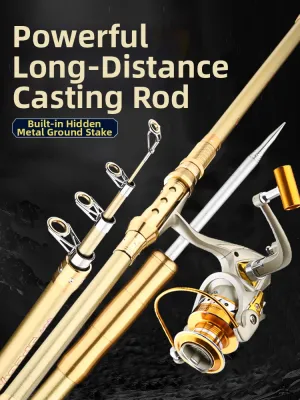
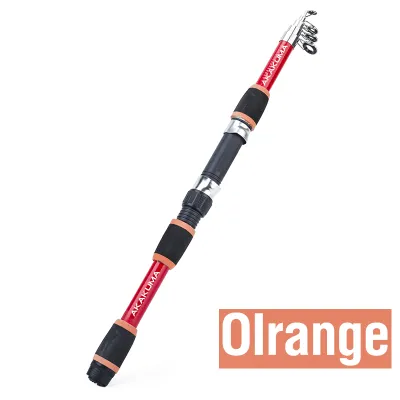
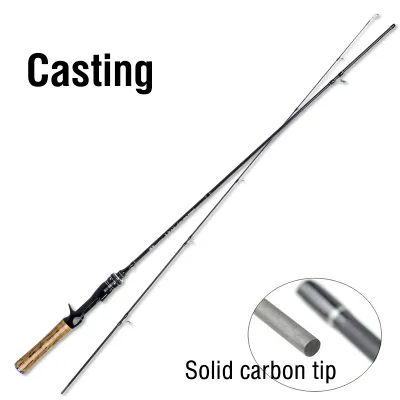
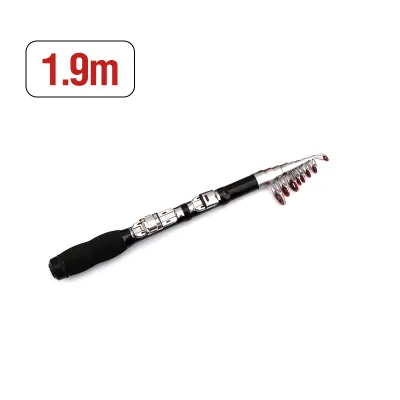
Prices are valid at publication and may change. Please refer to the product page for the latest price.
Long rods (over 7 feet 6 inches) are designed for maximum casting distance. These are highly beneficial when fishing from open shorelines, sandy beaches, or high concrete structures like jetties where you need to clear coastal rocks or shallow breakers.
A longer rod acts as a longer lever, accelerating the tip faster during a cast. However, it requires more physical effort and coordination to control. For beginners, a moderate length of 6.5 to 7 feet provides the perfect middle ground, offering sufficient distance for open-water casting while remaining manageable on crowded public jetties or narrow canal banks.
Before purchasing, check the rules of your intended fishing locations. Some managed reservoirs, payponds, or specific recreational zones have strict limits on gear dimensions, including maximum rod lengths or specific rigging requirements. Ensuring your rod falls within standard recreational limits prevents compliance issues on your first outing.
Decoding Rod Power and Action for Your Target Fish
Power refers to the rod’s resistance to bending, or its overall lifting strength. Ratings range from ultra-light to extra-heavy.
An ultra-light rod is highly sensitive and bends easily, making it perfect for small species in reservoirs or small glass fish along the coast. A heavy rod is stiff and built for pulling large, powerful species like groupers or barramundi out of deep structures. For a beginner, a medium or medium-light power rating is highly recommended. It is strong enough to handle unexpected larger catches while remaining sensitive enough to detect subtle bites from smaller fish.
Action describes where the rod blank actually bends when pressure is applied to the tip. Fast action bends primarily in the top third of the rod. It recovers quickly, providing excellent sensitivity and fast hook sets, which is highly forgiving for beginners learning to feel bites. Moderate action bends down into the middle half of the rod, offering a cushioned feel that is excellent for keeping fish hooked when using treble hooks, though it sacrifices some sensitivity. Slow action bends almost all the way to the handle and is rarely recommended for beginners as it requires precise timing for casting and hook setting.
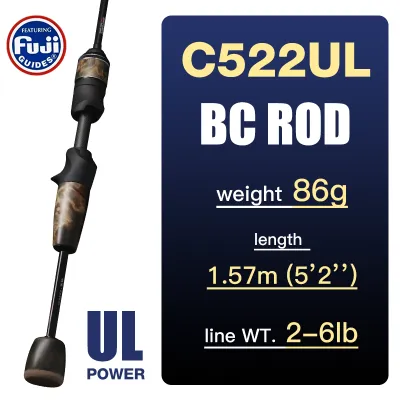
Manufacturers print these specifications directly on the rod blank, usually just above the handle. Look for a code like “SP 70M-2” or “6’6″ Medium Line: 6-12lb Lure: 1/4-3/4oz”. This label tells you the rod type (spinning), length, power (medium), recommended line strength, and optimal lure weight range. Always verify these markings before buying to ensure the rod matches your intended fishing style.
Choosing the Right Rod Material and Construction
The rod “blank” is the core shaft. The three primary materials are fiberglass, graphite (carbon fiber), and composites.
Fiberglass is extremely tough, flexible, and virtually indestructible under normal fishing conditions. However, it is heavy and lacks sensitivity, making it harder to feel delicate nibbles. Graphite is highly sensitive and lightweight, allowing you to feel the slightest vibrations. The trade-off is brittleness; graphite rods can crack or shatter if banged against jetty railings, dropped on concrete, or bent at an extreme angle during a catch. Composite is a blend of both graphite and fiberglass. This material offers the best of both worlds for beginners—retaining much of the lightweight sensitivity of graphite while benefiting from the impact resistance and durability of fiberglass.
The handle is your direct connection to the rod. Cork offers a classic look, is lightweight, and transmits vibrations exceptionally well. However, it can degrade, stain, or dry out over time in hot, humid tropical climates. EVA foam is highly durable, easy to clean, and provides excellent slip resistance even when your hands are wet or covered in fish slime. For beginners, EVA foam is often the more practical, low-maintenance choice.
Inspect the guides (the loops that hold the line). Look for ceramic inserts housed in sturdy metal frames. Ensure there are no cracks, chips, or rough edges inside the rings, as even a tiny nick can quickly fray and snap your fishing line under tension.
Matching Your Rod to the Reel and Fishing Line
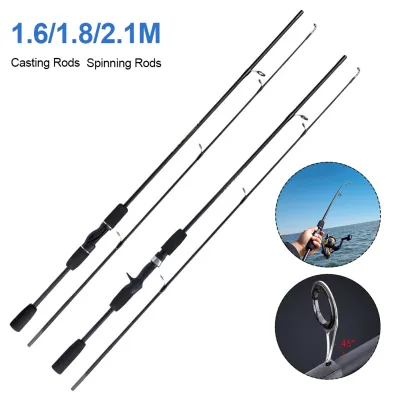
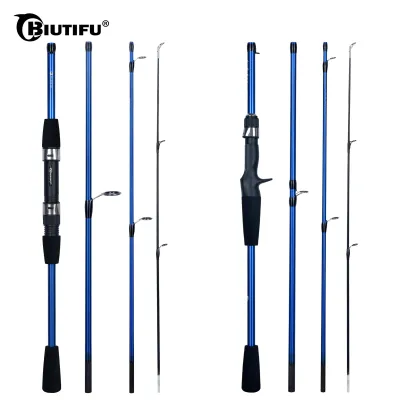
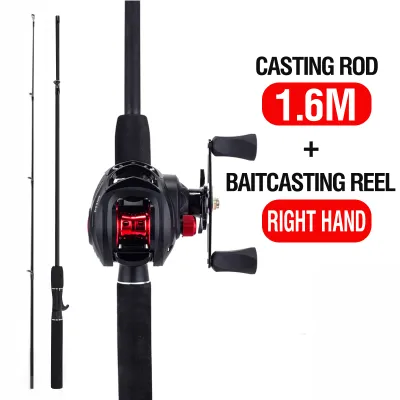
Rods are designed specifically for either spinning reels or baitcasting reels. Spinning rods feature larger guide rings, with the largest guide positioned closest to the reel seat. The reel hangs underneath the rod. This is the most beginner-friendly configuration, as spinning reels are easy to cast and rarely suffer from line tangles. Baitcasting rods feature smaller guides aligned along the top of the rod, with a trigger grip on the reel seat. The reel sits on top. Baitcasting setups require significant practice to master and are not recommended for absolute beginners.
Every rod is rated for a specific range of line test (e.g., 8 to 15 pounds) and lure weight (e.g., 1/8 to 1/2 ounce). Using a line that is too heavy can snap the rod blank under extreme load, while using a line that is too light can result in frequent line breaks. Similarly, casting a lure heavier than the recommended limit overstresses the rod tip, while a lure too light will not load the rod properly, resulting in poor casting distance.
When shopping, ask to mount a compatible reel onto the rod. Hold the fully assembled setup at the top of the handle grip. The rod should feel balanced in your hand, neither tipping forward heavily nor sinking backward. A well-balanced combo reduces wrist fatigue during long casting sessions.
Frequently Asked Questions (FAQ)
Is a One-Piece or Two-Piece Rod Better for Beginners?
One-piece rods offer slightly better sensitivity and a seamless bend curve because there are no joints to interrupt the blank. However, they are highly inconvenient to transport, especially if you rely on public transport like buses or the MRT, where long items may face strict size restrictions, or if you drive a compact car. Two-piece rods split in the middle, making them incredibly easy to transport and store. Modern manufacturing has improved two-piece joints (ferrules) so much that the difference in sensitivity is negligible for beginners. When assembling a two-piece rod, ensure the male and female ends of the ferrule joint are clean, push them together firmly with a slight twist, and verify that the guides are perfectly aligned.
How Much Should I Spend on My First Fishing Rod?
For a beginner, spending between S$40 and S$100 on your first fishing rod is a sensible starting point. This budget allows you to purchase a durable, high-quality composite rod from a reputable manufacturer without overinvesting in specialized gear before you fully understand your preferences. It is highly recommended to balance your overall budget. Instead of spending your entire budget on an expensive rod, allocate funds evenly across the rod, a reliable spinning reel, high-quality monofilament or braided line, and essential terminal tackle like hooks, sinkers, and swivels. A balanced, mid-range setup will perform far better than an expensive rod paired with a cheap, poorly functioning reel.
How Do I Maintain and Store My Rod After Fishing?
Tropical coastal environments and brackish waters are highly corrosive. After every fishing trip, rinse your rod thoroughly with fresh, lukewarm water to remove salt deposits, sand, and organic debris. Pay close attention to the metal guide frames and the reel seat where salt tends to accumulate. Wipe the rod down with a soft, dry cloth and let it air dry completely in a shaded, well-ventilated area before storing. Store your rod vertically in a rod rack or lay it flat in a cool, dry place away from direct sunlight. Avoid leaning your rod against a wall at an angle for long periods, as the constant lateral pressure can cause the blank to develop a permanent bend or warp. Never leave your rod locked inside a hot car trunk, as extreme heat can degrade the adhesives holding the guides and handle grips in place.
Community discussion
Share your experience or ask a question. Comments are reviewed before publication.