
Selecting your first fishing box is just as important as choosing your rod and reel. A well-organized tackle box protects your gear from the elements, keeps sharp hooks safely contained, and ensures you can find the exact lure or swivel you need when the fish are biting. For a beginner, the sheer variety of options can be overwhelming, but focusing on a few core features will help you make a smart, cost-effective choice.
To choose the right fishing box, you must balance storage capacity with physical mobility, select adjustable compartments that can adapt to changing gear, and prioritize durable, rust-resistant materials. In tropical, high-humidity environments where sudden downpours and saltwater exposure are common, your choice of box directly impacts how long your expensive lures and terminal tackle will last.
What to Look for in Your First Fishing Box
Size and Capacity
Finding the right size is a balancing act between your current gear collection and your future needs. As a beginner, it is tempting to buy a massive tackle chest to ensure you never run out of space, but an oversized box quickly becomes a heavy, clunky burden to carry. Conversely, a box that is too small forces you to cram lures together, leading to tangled treble hooks, bent plastic tails, and immense frustration on the water.
Products mentioned in this guide
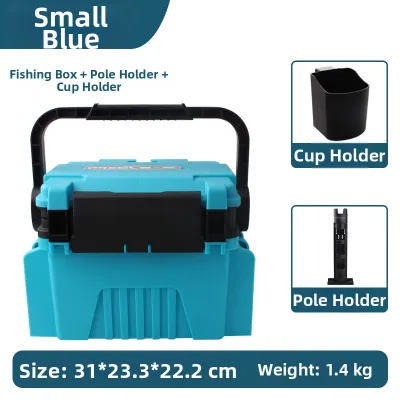
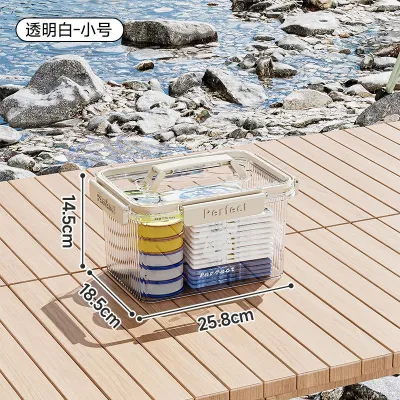
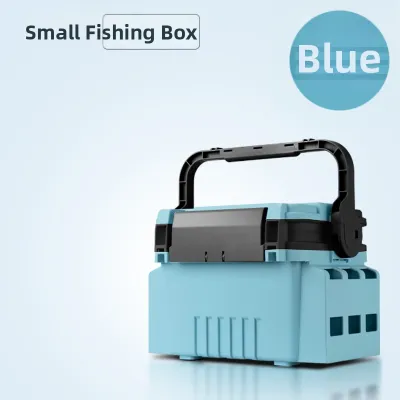
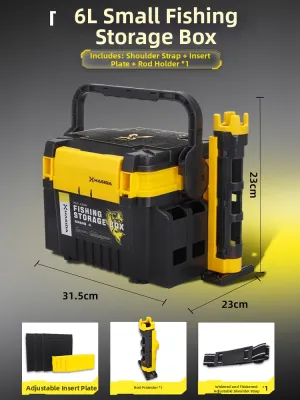
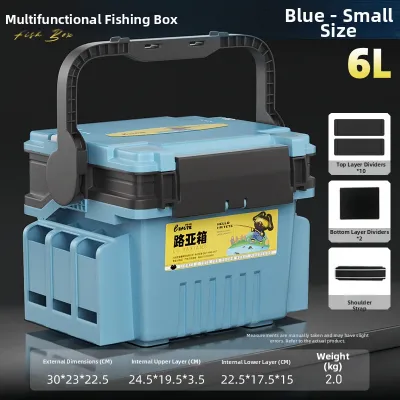
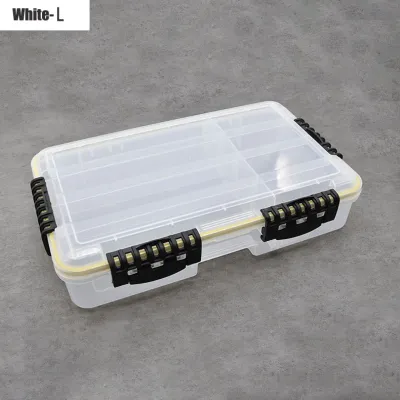
Prices are valid at publication and may change. Please refer to the product page for the latest price.
Start with a medium-sized box that comfortably holds your essential starter gear with about thirty percent of empty space left over for future additions. A typical beginner setup includes a few packets of soft plastics, a selection of sinkers, hooks, swivels, and a handful of hard lures. A medium-sized box provides enough room to keep these items separated without requiring you to carry unnecessary bulk.
Compartment Layout and Adjustability
Fixed compartments molded directly into the plastic are common in budget boxes, but they severely limit your organization. A fixed compartment might be too short for a long minnow lure or unnecessarily large for tiny snap swivels, resulting in wasted space.
Look for a fishing box that features removable, adjustable dividers. These thin plastic slides allow you to customize the length of each individual slot to match your specific gear. When evaluating a box, ensure the dividers slide tightly into their grooves; loose dividers allow small items like split shots and brass swivels to slip underneath, creating a disorganized mess at the bottom of your tray.
Material and Durability
Fishing gear is subjected to harsh outdoor conditions, including intense sunlight, rough concrete jetties, and accidental drops. Hard tackle boxes should be constructed from thick, impact-resistant plastics like heavy-duty polypropylene. This material resists cracking when dropped and will not warp under the hot sun.
If you prefer soft-sided bags, check the fabric thickness, which is measured in denier (D). Look for high-density polyester or nylon, such as 600D or 1000D, which resists tearing on sharp rocks or tree branches. Pay close attention to the structural points: physically test the latches to ensure they snap shut with firm tension, examine the hinges for steel pin reinforcements, and pull the zippers to verify they run smoothly without catching the fabric.
Weather and Water Resistance
In humid, coastal, or marine environments, moisture is the ultimate enemy of your fishing gear. Saltwater spray and high humidity can cause brand-new hooks and split rings to rust within days if they are trapped in a damp environment.
To protect your investment, look for a fishing box that incorporates water-resistant features. Premium utility boxes often feature a continuous rubber O-ring gasket around the lid combined with heavy-duty locking latches to create a watertight seal. If you choose a non-waterproof box, ensure it has adequate ventilation or plan to dry your gear thoroughly after every outing to prevent condensation from building up inside the compartments.
Hard Boxes vs. Soft Bags: Which Type Suits Your Fishing Style?
Hard Utility and Tray Boxes
Traditional hard tackle boxes are the classic choice for anglers worldwide. They generally fall into two categories: classic cantilever tray boxes, which unfold to reveal multiple stepped tiers of small compartments, and flat utility boxes, which are simple, single-level plastic cases designed to be stacked.

- The Pros: Hard boxes offer unmatched crush protection for delicate, expensive hard baits and fragile float rigs. They are highly stackable, easy to wipe clean after a day of bait fishing, and their rigid shells shed rainwater effortlessly.
- The Cons: These boxes are inherently rigid and bulky. They can be awkward to carry over long distances, especially if you are navigating narrow trails, and they lack the flexible external pockets found on fabric bags.
- Target User: Ideal for stationary anglers who fish from a fixed spot, such as a concrete pier, a wooden jetty, or a boat, where the box can sit securely on a flat surface nearby.
Soft Tackle Bags and Backpacks
Soft-sided tackle bags are constructed from durable fabrics and typically contain several individual, slide-out plastic utility trays inside. This hybrid design combines the protective organization of hard plastic with the comfort of a soft exterior.
- The Pros: Soft bags are incredibly comfortable to transport, featuring padded shoulder straps, ergonomic sling designs, or backpack configurations. They also offer excellent external storage, including mesh pockets, tool holsters for pliers, and zippered pouches for license documents or leader spools.
- The Cons: Fabric bags offer minimal crush protection if stepped on, and they can absorb water, mud, and fish slime if placed on wet ground. They require more effort to clean and dry compared to a solid plastic box.
- Target User: Perfect for mobile bank anglers, surf fishermen, and those who hike through coastal vegetation or along rocky shorelines to reach their fishing spots.
Compact Waist and Pocket Boxes
For those who prefer a minimalist approach, compact waist packs, chest packs, and pocket-sized utility boxes offer a highly streamlined alternative to full-sized tackle storage.
- The Pros: These ultra-portable options keep your hands completely free for casting, climbing, or holding a landing net. They force you to streamline your gear, carrying only the exact lures and terminal tackle needed for your immediate session.
- The Cons: Storage capacity is extremely limited. You cannot carry spare reels, large spools of leader line, or a wide variety of lure sizes and weights.
- Target User: Wading anglers, fly fishermen, and light-lure casters who prefer to travel light and target specific species during short, focused fishing sessions.
Recommended Tackle Box Setups for Common Beginner Scenarios
The Shore and Jetty Angler (Bank Fishing)
Fishing from a concrete jetty, breakwater, or sandy beach requires a setup that is easy to carry but stable enough to sit on uneven, hard surfaces. For this scenario, a medium-sized cantilever hard box or a durable soft shoulder bag containing two medium utility trays is highly recommended.
- Organizational Strategy: Dedicate the top, easily accessible trays or compartments to your frequently used terminal tackle, such as pre-tied sabiki rigs, snap swivels, sinkers, and bait holder hooks. Use the larger bottom compartment to store bulkier items like a hook remover, a spool of fluorocarbon leader line, a small rag to wipe your hands, and your fishing pliers.
- Key Feature to Prioritize: Look for a box with a highly slip-resistant rubberized bottom or wide, stable plastic feet. This prevents the box from sliding off wet, sloping concrete surfaces or tipping over when wind gusts sweep across the jetty.
The Mobile Lure Fisher (Spinning and Baitcasting)
If you plan to walk long stretches of shoreline, casting lures for predatory fish like peacock bass or snakeheads, you need a highly mobile setup that moves with you. A soft-sided sling bag or backpack paired with standardized, modular utility trays is the ideal configuration.
- Organizational Strategy: Use one dedicated utility tray for your hard baits, such as minnows, topwater poppers, and metal jigs. Use a second tray or a heavy-duty binder bag for your soft plastic lures and weighted jig heads. This separation prevents the chemical reactions that can occur when certain soft plastics touch hard plastic lures.
- Key Feature to Prioritize: Opt for a modular system where you can easily swap out individual utility trays at home. This allows you to quickly prepare your bag for freshwater or saltwater sessions without carrying your entire lure collection every time.
The Kayak or Boat Angler
Space is at a premium on a kayak or small boat, and the risk of gear getting wet or falling overboard is significantly higher. For this environment, low-profile, stackable hard utility boxes with secure, multi-latch locking mechanisms are the best choice.
- Organizational Strategy: Keep your tackle flat and organized in shallow, watertight utility boxes that can slide easily under your seat, into molded kayak tank wells, or inside secure console hatches. Group your gear by depth or lure type, labeling the outside of each clear box so you can identify the contents at a glance without opening them.
- Key Feature to Prioritize: Heavy-duty, multi-latch sealing systems are critical. If your kayak tips or a wave hits the boat, a secure, waterproof gasket seal ensures your expensive lures stay dry and the boxes remain buoyant instead of sinking to the bottom.
Common Beginner Mistakes to Avoid When Buying a Fishing Box
Buying Too Big Too Soon
Purchasing a massive, professional-grade tackle trunk before you understand your local waters is a common and expensive mistake. An oversized box is heavy to transport, and the excess empty space causes your gear to slide around, tangle, and chip paint during transit. Start small, learn what tackle you actually use, and upgrade your box size only when your growing collection genuinely demands it.
Ignoring Latch and Hinge Quality
A fishing box is only as reliable as its weakest latch or hinge. Cheap boxes often use thin, single-mold plastic creases for hinges, which quickly fatigue, crack, and break under regular use. A broken latch on the water can cause your box to burst open, spilling sharp hooks and expensive lures into the dirt or deep water. Always inspect these moving parts, looking for robust, thick plastic latches and hinges reinforced with metal pins.
Overlooking Rust Prevention
Many beginners assume that keeping a box closed is enough to protect their gear from rust, but trapped humidity can be just as damaging as direct rain. Standard steel screws, springs, and metal latch components on cheap boxes will corrode rapidly in humid or coastal environments. Prioritize boxes with rust-resistant stainless steel pins, or plan to place vapor-corrosion inhibitor (VCI) strips or silica gel packets inside your compartments to absorb moisture.
Choosing Fixed Compartments
While a box with fixed, molded compartments might seem cheaper initially, it quickly becomes a source of frustration. As you progress in your fishing journey, you will purchase lures of varying lengths, bulky sinkers, and specialized tools that simply will not fit into rigid, pre-sized slots. Investing a few extra dollars in a box with fully adjustable, removable dividers ensures your storage can evolve alongside your skills.
Frequently Asked Questions (FAQ)
Do I need a waterproof fishing tackle box?
For most general bank, jetty, or pier fishing, a standard water-resistant box that sheds rain and splashes is perfectly adequate. You only need to invest in a fully waterproof box with a rubber O-ring gasket if you plan to fish from a kayak, wade deep into surf zones, or fish in heavy tropical downpours where the box is highly likely to be submerged or constantly sprayed with water.
How do I keep my fishing hooks from rusting in the tackle box?
To prevent rust, never put wet hooks, lures, or rigs directly back into your main tackle box after use; set them aside in a temporary drying container instead. Additionally, place silica gel packets or specialized rust-inhibiting strips inside your tackle compartments to absorb ambient moisture, and leave your tackle box open in a dry, well-ventilated, shaded indoor area after every fishing trip to allow any trapped humidity to evaporate completely.
Can I use a regular plastic storage box for fishing tackle?
While a generic plastic craft or hardware storage box can work temporarily for holding large items like line spools, bobbers, or spare tools, they generally fail as long-term tackle boxes. Generic storage boxes are often made of brittle plastics that crack easily under outdoor impacts, their latches are not designed to secure heavy metal weights, and they lack the specialized, tight-fitting dividers required to keep tiny hooks and swivels from mixing together.
Community discussion
Share your experience or ask a question. Comments are reviewed before publication.