
A beginner’s first golf ball marker should prioritize high visual contrast, a secure magnetic attachment mechanism, a flat profile of approximately 25 millimeters in diameter, and a textured edge for easy retrieval. While it may seem like a minor accessory, selecting the right marker streamlined to your playing style prevents green damage, avoids rules infractions, and establishes a smooth putting routine. Choosing a marker that integrates seamlessly with your existing apparel and gear ensures you can focus entirely on your stroke rather than fumbling for accessories.
Investing in a dedicated marker rather than relying on loose pocket change or improvised items is one of the simplest ways to build confidence on the green. By understanding the key considerations of size, material, and attachment styles, you can assemble a practical golf kit that respects the traditions of the game while optimizing your personal workflow.
Why a Dedicated Ball Marker Matters for Beginners
Under the official Rules of Golf governed by the R&A and USGA, specifically Rule 14.1, a player must mark the spot of their ball before lifting it on the putting green. Failing to mark the ball properly, or moving it without a marker in place, can result in a costly one-stroke penalty. For beginners, understanding this rule is fundamental to playing fair and avoiding unnecessary strokes that inflate your scorecard.
Products mentioned in this guide

![[SG 🚚] 50 PCS Golf Ball Marker 18mm Random Color](https://img.lazcdn.com/g/p/48dd6b50fff238d4ed926b7fb6c3b13d.jpg_400x400q80.jpg_.webp)
Prices are valid at publication and may change. Please refer to the product page for the latest price.
Improvised markers, such as plastic tees or random objects, present physical risks to the putting green. Pushing a sharp tee into the delicate turf can damage the root system of premium grasses, such as Seashore Paspalum or Bermuda grass, which are common on well-manicured courses in Singapore. Dedicated flat markers sit flush against the ground, protecting the playing surface from gouges and preserving the pristine condition of the green for players behind you.
Using a dedicated ball marker also plays a vital role in maintaining the pace of play and demonstrating proper course etiquette. Fumbling through your pockets for a loose coin or searching the grass for a dropped tee distracts your playing partners and slows down the game. A dedicated marker, easily accessible on your cap or glove, signals to your group that you are prepared, organized, and respectful of their time and line of sight.
Essential Features to Look for in Your First Marker
When selecting your first ball marker, prioritizing specific functional features will make your time on the green much more enjoyable. The right combination of visibility, magnetism, durability, and tactile design ensures the tool performs reliably in all playing conditions.

Visibility
Under the bright, intense tropical sun of Singapore, glare can quickly obscure your vision on the course. A ball marker must be highly visible from several meters away so you can read your putting line without losing track of your ball’s position. Look for markers featuring high-contrast colors—such as neon yellow, vibrant orange, or deep blue—paired with a matte or epoxy-coated finish. Avoid highly polished chrome or silver finishes, which can reflect blinding sunlight directly into your eyes or those of your playing partners.
Magnetic Properties
Magnetic markers are highly recommended for beginners due to their convenience and security. These markers feature a small, strong neodymium magnet embedded either within the marker itself or inside a companion clip. This magnetic connection allows you to snap the marker onto a hat brim, belt, or glove, keeping it secure during high-velocity swings and preventing it from falling out of your pocket as you walk the fairways.
Durability and Material
Golf accessories must withstand moisture, dirt, and frequent drops. Common materials include stainless steel, brass, zinc alloy, and hard plastics. For beginners, a zinc alloy or stainless steel marker with an enamel-filled design offers the best balance of weight and longevity. In high-humidity climates, cheap iron-based markers can rust rapidly when exposed to sweat or sudden tropical downpours; choosing rust-resistant, non-ferrous metals ensures your marker remains clean and functional for years.
Tactile Feel
When you bend down to retrieve your marker, you want to pick it up quickly without scraping the green or fumbling with your fingernails. Look for markers designed with a slightly raised, beveled, or textured edge. This physical contour provides your thumb and forefinger with an instant grip, allowing you to lift the marker straight up off the damp grass without disturbing the surrounding turf.
How to Choose the Right Size and Shape
Finding the right balance between a marker that is easy to see and one that does not interfere with the game is a key step in choosing your equipment.
Standard golf ball markers typically range from 20 millimeters to 30 millimeters in diameter. A diameter of 25 millimeters—roughly the size of a Singapore 50-cent coin—is widely considered the ideal size for beginners. A marker larger than 30 millimeters can become a physical distraction on the green, potentially blocking the line of sight or the actual path of another player’s putt. Conversely, markers smaller than 20 millimeters are easily lost in the grass blades and can be difficult to spot from across the green.
Round markers are the traditional standard and the safest choice for beginners. Round shapes have no sharp corners that can snag on your clothing, pocket linings, or the grass. Furthermore, a symmetrical round shape makes it easier to develop a consistent, repeatable routine when placing the marker directly behind your golf ball, helping you build solid pre-putt habits.
Thickness is another critical dimension to evaluate. A marker should have a low profile, sitting less than 2 millimeters off the grass surface. If another player’s ball accidentally rolls over your marker, a thin, flat profile minimizes the chance of the ball deflecting or changing course. However, it must not be so paper-thin that it becomes impossible to pry off the damp grass, especially when greens are wet from early morning dew or rain.
Comparing Styles and Attachment Methods
How you carry and access your marker is largely a matter of personal preference, your attire, and your physical workflow on the course.
Hat Clips
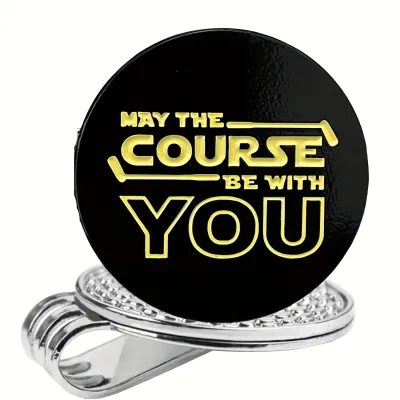
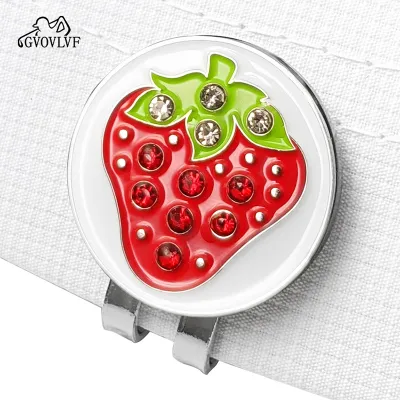
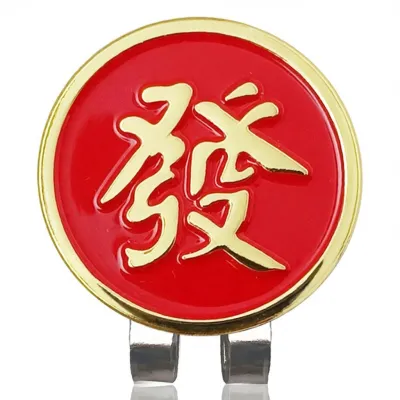
Hat clips are the most popular and practical style for modern golfers. These small metal clips slide easily onto the bill of your golf cap, visor, or even your belt. A built-in magnet holds the ball marker firmly in place on top of the brim. This style keeps the marker at eye level, allowing for quick, one-handed retrieval and replacement without requiring you to reach into deep pockets or search through your bag.
Divot Tool Combos
Many golfers prefer multi-functional gear to minimize pocket clutter. Divot repair tools—used to fix the indentations made by golf balls landing on the green—often feature a recessed magnetic slot specifically designed to hold a standard ball marker. This combination is highly efficient, ensuring that the two tools you need most on the putting green are kept together. The only trade-off is that you must carry the slightly heavier divot tool with you to the green every time.
Pocket or Pouch Markers
If you prefer not to wear a hat or want a completely clean, minimalist look, standalone markers are an excellent option. These can be kept in your front pocket or stored in a small zippered accessory pouch on your golf bag. If you choose this route, opt for a slightly thicker marker or one with a small post on the back (often called a peg marker) that inserts into the grass to keep it from shifting. Note, however, that peg markers cannot lie completely flat if another player needs to putt over your line.
Alignment Markers
Alignment markers feature printed lines, arrows, or crosshairs on their surface. Once you place the marker on the green, you can rotate it so the printed line points directly along your intended putting line. When you replace your ball, you align the ball’s matching alignment line with the marker’s line. While highly beneficial for improving putting accuracy, beginners should ensure these aids comply with the official Rules of Golf (specifically Rule 10.2b regarding alignment help) before using them in formal club competitions.
Step-by-Step Guide to Using Your Marker on the Green
Using your ball marker correctly is a fundamental part of golf etiquette. Follow these sequential steps during your round to ensure rule compliance and proper green care.
- Step 1: Preparation
Before teeing off on the first hole, attach your ball marker to your hat clip or place it in your designated front pocket. Do not wait until you reach the putting green to search through your golf bag, as this delays play and disrupts your mental focus.
- Step 2: Marking the Ball
Once your ball comes to rest on the putting green, wait for your turn or mark it immediately if it lies close to another player’s putting line. Approach your ball, and place the marker directly on the turf immediately behind the ball (on the side opposite the hole). Once the marker is firmly on the ground, you may lift your ball to clean it.
- Step 3: Replacing the Ball
When it is your turn to putt, place your ball back on the green directly in front of your marker, ensuring it is in the exact spot from which it was lifted. If your marker has an alignment line, use this moment to point the ball’s markings toward your target. Once the ball is stationary on the turf, lift the marker straight up to avoid dragging the grass.
- Step 4: Post-Round Care
At the end of your 18 holes, wipe down your marker with a damp microfiber cloth to remove fertilizer residues, dirt, and moisture. This is vital in tropical climates where sweat and humidity can cause metal components and magnets to corrode. Store the marker in a dry compartment of your golf bag so it is ready for your next round.
Frequently Asked Questions (FAQ)
Can I use a regular coin instead of a golf ball marker?
Yes, under the Rules of Golf, a coin is an acceptable ball-marker. However, coins lack magnetic backings, making them harder to carry securely on a hat clip. They are also highly reflective, which can create distracting glare, and if left on the green, they can damage lawnmower blades.
Do magnetic ball markers lose their magnetism over time?
High-quality neodymium magnets used in modern golf accessories retain their strength for decades under normal conditions. However, exposing them to extreme heat (such as leaving them in a hot car trunk in Singapore’s tropical climate) or keeping them near strong industrial electromagnetic fields can degrade their magnetic force over time.
Are alignment ball markers legal in tournament play?
Generally, yes, as long as the marker does not feature physical leveling devices or electronic components. Under Rule 14.1, you can use a marker with alignment lines to help line up your ball, provided you do not receive physical assistance or leave the marker on the green while making the stroke. Always verify local tournament rules before competing.
Community discussion
Share your experience or ask a question. Comments are reviewed before publication.