
Choosing your first Pilates reformer hinges on matching the machine’s technical specifications to your physical needs, home space, and budget. For a beginner, a reformer must offer a stable, adjustable, and safe environment that accommodates your learning curve. This guide breaks down the technical specifications, logistical considerations, and maintenance practices necessary to make an informed investment for your home practice.
By focusing on frame stability, spring resistance quality, adjustability, and local support channels, you can avoid common purchasing mistakes. Investing in the right equipment ensures a safe, progressive workout experience that grows with your skill level.
Why a Reformer is a Worthwhile Investment for Beginners
Mat Pilates relies entirely on gravity and body weight, which can sometimes be challenging for beginners who lack foundational core strength or joint stability. A reformer introduces a sliding carriage, pulleys, and springs that can either assist or challenge your movements. This mechanical assistance provides immediate tactile feedback, helping you maintain correct alignment and execute exercises with precise form.
Products mentioned in this guide
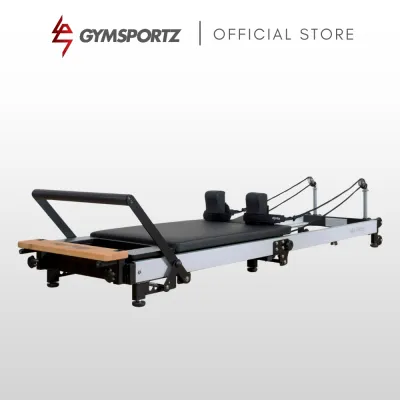
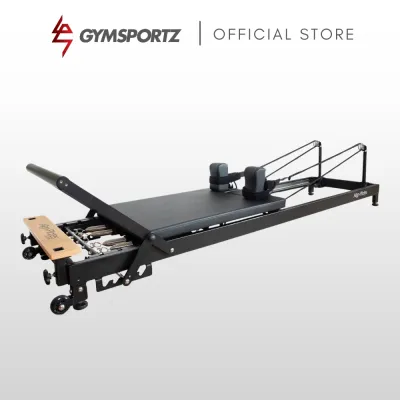
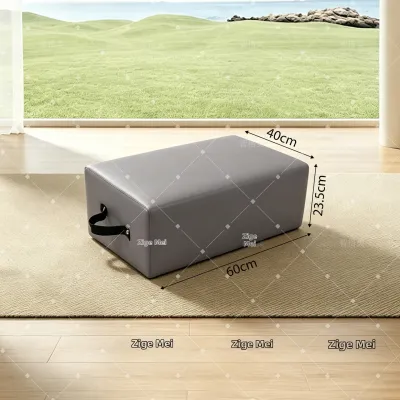

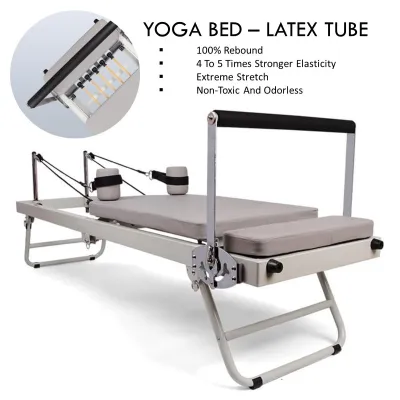
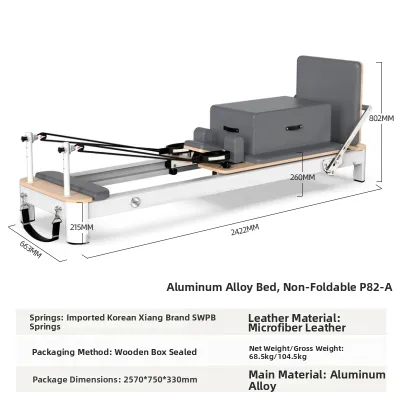
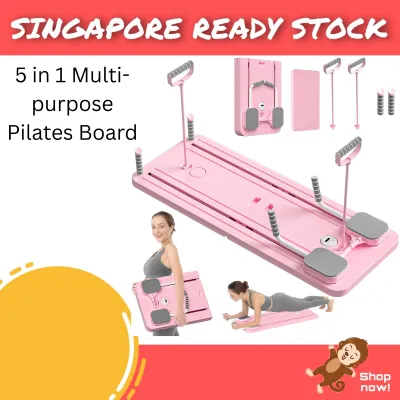
Prices are valid at publication and may change. Please refer to the product page for the latest price.
For those starting their wellness journey, the reformer offers a highly forgiving learning curve. The spring tension can be adjusted to support your body weight, reducing joint strain on the knees, hips, and lower back. This makes it an excellent tool for isolating specific muscle groups safely, allowing you to build foundational strength without overloading your joints.
However, bringing a reformer into your home is a significant commitment, both financially and spatially. Unlike a yoga mat that rolls up into a closet, a standard reformer requires a dedicated footprint similar to a small sofa. Understanding these physical demands early helps you set realistic expectations for your home setup and ensures your investment integrates seamlessly into your lifestyle.
Essential Reformer Features to Evaluate Before Buying
Frame Material and Build Stability
Traditional wood frames, often crafted from solid maple or oak, offer a classic, aesthetic appeal that blends well with home decor. However, wood is heavy, making the machine difficult to move once assembled. In Singapore’s tropical climate, wood requires careful environmental management. High humidity levels can cause wood to warp or joints to loosen over time if the room is not well-ventilated or climate-controlled. You may need to run a dehumidifier or air conditioning regularly to protect a solid wood frame from moisture damage.

Modern aluminum or steel frames present a lighter, sleeker alternative. Aluminum is naturally rust-resistant, making it highly durable in humid environments. Steel frames offer exceptional durability and a solid, industrial feel, though they are heavier than aluminum. Both metal options are generally easier to clean and maintain than wood.
To verify stability, check the manufacturer’s maximum weight capacity and the overall weight of the machine. A heavier base prevents the reformer from sliding or wobbling during dynamic, high-energy movements. Look for wide, rubberized feet that grip the floor securely, ensuring the frame remains stationary when you transition between exercises.
Spring Resistance and Carriage Smoothness
The resistance system is the heart of the reformer. Most professional and high-quality home reformers use traditional metal coil springs. These springs provide progressive resistance, meaning the tension increases smoothly as the spring stretches. In contrast, budget machines sometimes use elastic cords. While cheaper, elastic cords tend to degrade quickly, offer inconsistent tension throughout the movement, and lack the precise calibration needed for proper Pilates progression.
A smooth carriage glide is critical for both safety and comfort. When testing or researching a reformer, verify that the carriage moves quietly along the tracks without any catching, jerking, or grinding sensations. High-quality polyurethane or nylon wheels riding on anodized aluminum rails typically offer the quietest and most consistent glide.
For a beginner, having multiple spring tension options is non-negotiable. A standard setup includes a combination of light, medium, and heavy springs, which are often color-coded. For instance, a yellow spring often represents light resistance, blue is medium, and red is heavy. This variety allows you to adjust the resistance to match your current strength level and the specific requirements of each exercise. As you progress, you will need to combine different springs to fine-tune the resistance.
Adjustability, Footprint, and Accessories
Ergonomic adjustability ensures the machine fits your unique body dimensions. Key components to check include adjustable shoulder rests to accommodate different shoulder widths, a multi-position footbar to alter the angle of your hips and knees, and an adjustable headrest to support proper cervical spine alignment. Without these adjustments, you risk performing exercises with poor posture, which can lead to strain.
A key feature to look for is an adjustable gearbar or springbar. This mechanism allows you to change the distance between the carriage and the footbar, which is crucial for accommodating different heights. Taller individuals will need to move the carriage further back to avoid over-flexing their knees, while shorter users will need it closer to maintain proper form.
If you live in a compact apartment, a standard full-size reformer—which can measure up to 2.4 meters in length—may not be practical. Fortunately, many brands offer compact, foldable, or vertically stackable models. While foldable reformers save space, ensure the folding mechanism is robust and does not compromise the rigidity of the frame when unfolded.
Consider the accessories included with your purchase. Essential beginner tools include a sitting box, which elevates your body for sitting and prone exercises, and a jump board for low-impact cardio work. Some packages include long and short straps, foot straps, and extension straps. Verify whether these items are bundled with the base machine or must be purchased separately, as buying them individually can significantly increase your total expenditure.
How to Identify Reliable Brands and Purchase Channels
Brand Evaluation Criteria
When selecting a reformer brand, prioritize companies that offer comprehensive customer support and clear, detailed assembly instructions. High-quality brands provide readily available replacement parts, particularly wear-and-tear items like springs, ropes, and straps. Access to instructional video content, exercise libraries, or a network of certified trainers can also greatly enhance your home practice experience.
Studio vs. Home Lines
Legacy brands that supply commercial Pilates studios often manufacture dedicated home-use lines. These home models retain the high-quality engineering and safety standards of their commercial counterparts but are scaled down in size, weight, and price. Conversely, general fitness brands may offer budget-friendly entry models. While tempting, these budget options often sacrifice carriage smoothness, frame rigidity, and spring longevity. Weigh the long-term durability of a studio-grade machine against the lower initial cost of a consumer-grade model.
Purchasing in Singapore
Buying through a local authorized distributor in Singapore offers several distinct advantages. Local distributors typically handle the complex logistics of shipping, customs clearance, and home delivery. More importantly, they often provide professional on-site assembly, a localized warranty, and accessible repair services if a component fails. If you choose to import a machine directly from an international seller, be prepared for high freight costs, potential damage during transit, import taxes, and the challenge of securing technical support across different time zones.
Red Flags to Avoid
Avoid purchasing unbranded, generic reformers from online marketplaces that lack verifiable manufacturer details. Red flags include a complete absence of warranty information, no option to purchase replacement parts, and a lack of safety or load-testing certifications. A poorly constructed reformer poses a genuine safety hazard, as a snapped spring or a failing frame during an exercise can result in serious injury.
Space, Budget, and Setup Logistics for Singapore Homes
Space Planning and Clearance
Before finalizing your purchase, measure your intended workout area carefully. A reformer’s physical footprint is only part of the equation; you must also account for clearance space. Ensure you have at least 50 to 60 centimeters of open space on all sides of the machine. This clearance is necessary to perform exercises where your arms or legs extend beyond the frame, and to allow you to safely mount and dismount the carriage.
Floor Protection and Noise Control
Pilates reformers are heavy machines that can exert significant pressure on your flooring. To protect HDB or condominium floors—especially delicate vinyl, laminate, or parquet wood—always place a high-density equipment mat beneath the reformer. This mat also serves to dampen any operational noise or vibration, ensuring your workouts do not disturb family members or downstairs neighbors.
Budgeting Beyond the Machine
The cost of the reformer itself is rarely the final price. When planning your budget, factor in delivery fees, which can be substantial due to the weight and size of the equipment. If you are not confident in your mechanical skills, budget for professional assembly services. Additionally, consider the ongoing costs of routine maintenance kits, such as specialized lubricants and cleaners, and potential subscriptions to online reformer streaming platforms to guide your workouts.
Delivery Logistics
Singapore’s urban housing layouts present unique delivery challenges. Before scheduling delivery, measure your building’s elevator dimensions, stairwell widths, and apartment door frames. Ensure the delivery team can maneuver the large, heavy boxes into your home without damaging the walls or the equipment. If your building requires stair-carrying, inform the distributor beforehand, as this often incurs additional service fees.
Routine Maintenance and Safety Checks for New Owners
Daily and Weekly Care
To keep your reformer in optimal condition, establish a consistent cleaning routine. After every workout, wipe down the vinyl upholstery, shoulder rests, and headrest with a soft cloth dampened with a mild, alcohol-free cleaner. Avoid harsh chemical solvents, bleach, or citrus-based cleaners, as these can dry out and crack the vinyl over time. Wipe down the aluminum tracks and wheels with a dry microfiber cloth to remove dust and sweat.
Monthly Inspections
Once a month, perform a thorough safety inspection. Examine the metal springs closely for any signs of rust, gaps between the coils, or permanent stretching. Inspect the carriage wheels for accumulated hair, dust, or pet fur, which can compromise the smoothness of the glide. Check all structural bolts, screws, and attachment points to ensure they remain tightly fastened.
Safety Boundaries and Stop Conditions
Always prioritize safety during your home practice. If you notice frayed ropes, cracked straps, a jerky carriage movement, or unusual grinding noises, stop using the machine immediately. Do not attempt to perform DIY repairs on tensioned parts or structurally critical components. Instead, consult the manufacturer’s instruction manual or contact a qualified local technician to handle the repairs. Remember, proper equipment maintenance cannot replace professional instruction; if you are new to Pilates, consider taking studio classes to learn safe body mechanics before practicing alone at home.
Frequently Asked Questions (FAQ)
Can I use a Pilates reformer if I have joint pain or injuries?
While reformer Pilates is a low-impact exercise often utilized in physical rehabilitation, safety must come first. If you are experiencing joint pain, chronic discomfort, or recovering from an injury, do not attempt to self-diagnose or use a home reformer without professional guidance. Always consult a physiotherapist or a certified clinical Pilates instructor before starting. They can provide a personalized assessment and teach you the necessary modifications to prevent further injury.
How often do I need to replace the springs on a reformer?
The lifespan of reformer springs depends heavily on your usage frequency, environmental humidity, and care routine. As a general safety standard, manufacturers recommend inspecting springs regularly and replacing them every one to two years under normal home use conditions. Always purchase original equipment manufacturer (OEM) replacement springs rather than generic alternatives to ensure the correct calibrated tension and to maintain your machine’s structural warranty.
Community discussion
Share your experience or ask a question. Comments are reviewed before publication.