
Investing in your first home pilates reformer is a significant step toward establishing a consistent, long-term movement practice. Choosing the right machine requires balancing structural stability, mechanical smoothness, and spatial practicalities to ensure the equipment fits both your physical needs and your living environment. By focusing on critical specifications—such as frame construction, resistance mechanisms, carriage glide quality, and adjustability—you can select a machine that safely supports your workouts and replicates the high-quality feel of a professional studio.
Assess Your Space and Define Your Home Setup
Before browsing specific equipment models, you must carefully evaluate the physical environment where your pilates reformer will reside. A standard reformer is a substantial piece of equipment, typically measuring between 2.2 and 2.4 meters in length and 60 to 70 centimeters in width. To practice safely, you must measure your designated floor area and ensure you have at least 60 centimeters (and ideally 90 centimeters) of clear, unobstructed space on all sides of the frame. This clearance zone is essential for executing exercises where your arms or legs extend beyond the carriage, as well as for safely mounting and dismounting the machine.
Ceiling height is another critical spatial factor that is frequently overlooked. If you plan to perform standing exercises on the carriage—which elevates your standing height by 20 to 40 centimeters—or if you intend to use a jumpboard for aerobic work, verify that your ceiling provides ample clearance. In Singapore, where standard residential ceiling heights in HDB flats and condominiums typically range from 2.6 to 2.8 meters, low-hanging light fixtures and ceiling fans present serious safety hazards. Ensure your workout zone is completely clear of these overhead obstacles before beginning any upright movements.
Products mentioned in this guide
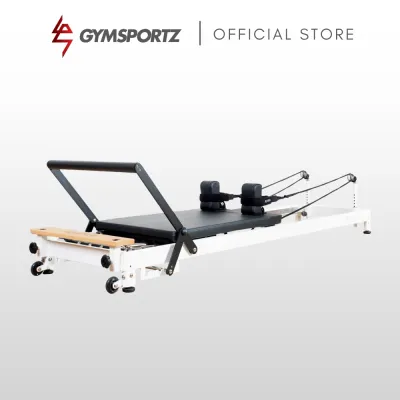
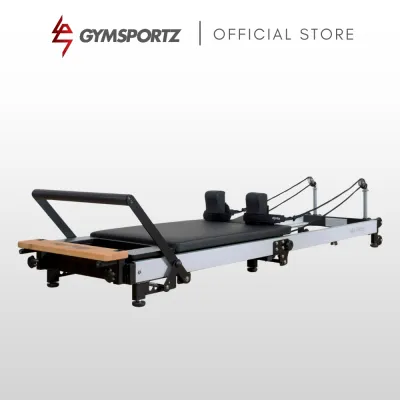
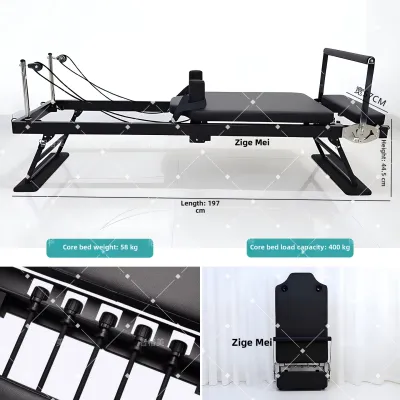
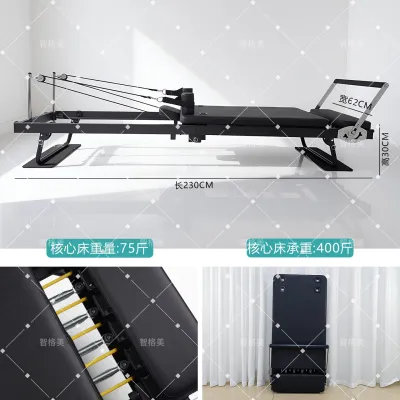
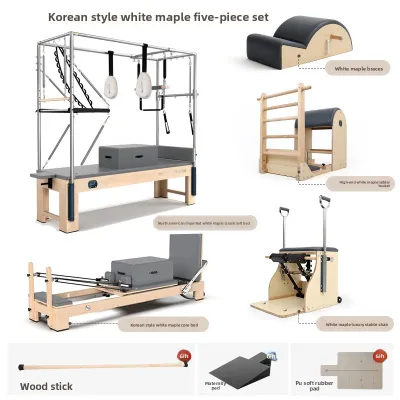
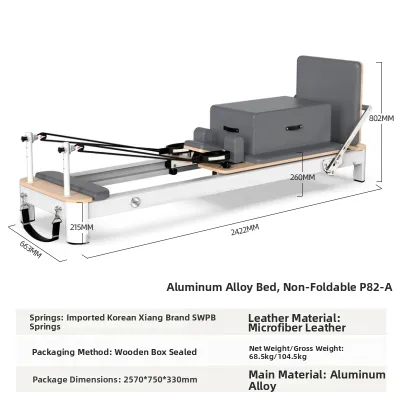

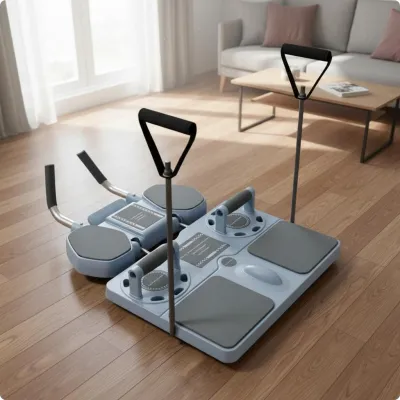
Prices are valid at publication and may change. Please refer to the product page for the latest price.
The type of flooring in your home also dictates your setup requirements. Heavy exercise equipment can easily dent engineered timber, scratch delicate hardwood, or slide across polished marble and ceramic tiles. To protect your floors and enhance machine stability, place a high-density, non-slip equipment mat beneath the reformer. In compact apartment layouts, an equipment mat also serves as an acoustic barrier, absorbing structural vibrations and preventing the low-frequency rumble of the carriage wheels from transferring through the floor to your neighbors.
Finally, clarify your current skill level and long-term commitment to align your budget with a realistic machine tier. Entry-level home reformers typically range from S$800 to S$1,500, mid-range models fall between S$1,500 and S$3,500, while premium, studio-grade equipment can exceed S$4,000. If you are a casual beginner exploring Pilates for the first time, an entry-level or mid-range, space-saving aluminum reformer may be the most practical choice. However, if you are a dedicated practitioner transitioning from intensive studio classes, you will likely find low-end home models unsatisfying due to their lighter frames and less progressive resistance. Investing in a more robust, studio-equivalent machine from the outset prevents the need for an expensive upgrade later as your strength and technical proficiency advance.
Evaluate Frame Materials and Weight Capacity
The frame serves as the foundation of your pilates reformer, directly influencing the machine’s durability, aesthetic integration, and overall stability during dynamic movements. Frame materials generally fall into three categories, each with distinct physical characteristics and maintenance requirements:

- Solid Wood: Often crafted from premium hardwoods like rock maple, oak, or beechwood, wooden frames offer a classic, warm aesthetic that blends seamlessly into residential interiors. Wood naturally absorbs vibrations, providing an exceptionally quiet and grounded feel. However, solid wood is sensitive to fluctuations in ambient humidity and temperature. In tropical climates like Singapore's, frequent shifts between air-conditioned cooling and warm, humid air can cause wood to expand or contract. If you choose a wooden frame, place it away from direct sunlight and check the frame joints periodically, tightening them according to the manufacturer's instructions if any play develops.
- Anodized Aluminum: Aluminum frames provide a sleek, modern, industrial appearance. They are highly resistant to rust and corrosion, making them exceptionally durable in humid environments. Aluminum is significantly lighter than solid wood or heavy steel, which makes these reformers much easier to maneuver, roll, or store vertically.
- Powder-Coated Steel: Steel frames are incredibly robust and heavy, representing the standard for heavy-duty home or commercial-grade equipment. They offer maximum structural rigidity and do not flex, even under high-intensity athletic training. The primary trade-off is their extreme weight, which makes them difficult to relocate without assistance.
When evaluating a reformer’s specifications, always distinguish between the static weight capacity and the dynamic load limit. The static weight capacity refers to the maximum weight the frame can support when you are stationary. The dynamic load limit, however, dictates the force the machine can safely handle during active, high-impact movements, such as jumping off a jumpboard or executing rapid carriage transitions. Ensure the manufacturer’s specified dynamic limit comfortably exceeds your body weight to prevent structural strain over time.
The overall weight of the reformer is directly proportional to its stability. Heavier reformers (typically weighing 70 kilograms or more) remain firmly anchored to the floor during vigorous, high-resistance exercises, providing a secure and stable platform. Lighter, portable models (under 40 kilograms) prioritize ease of storage but may shift slightly or flex when subjected to lateral forces or high-velocity movements. As a safety rule, avoid any reformer frames that utilize visible plastic joints, thin-gauge hollow metal tubing, or flimsy folding hinges, as these components are highly prone to cracking or bending under tension.
Compare Resistance Types and Carriage Smoothness
The mechanical heart of any pilates reformer consists of its resistance system and its carriage gliding mechanism. These two systems determine not only the quality and feel of your workouts but also the noise level and the long-term maintenance required to keep the machine operating safely.
Spring vs. Magnetic Resistance Systems
Traditional metal coil springs remain the gold standard for classical Pilates training. These springs offer a progressive resistance curve, meaning the tension increases smoothly as the spring stretches, closely mimicking the natural contraction and elongation of human muscle fibers. A standard home reformer typically features four to six springs of varying tensions, which are color-coded to represent heavy, medium, and light resistance. Because metal springs are subject to mechanical fatigue, you must inspect them regularly for gaps, rust, or uneven coils, and plan to replace them according to the manufacturer’s maintenance schedule.
In contrast, some modern home-use reformers utilize magnetic or alternator resistance systems. These systems provide a constant, uniform resistance curve throughout the entire movement, which lacks the organic “snap-back” feel of traditional springs. While magnetic systems are virtually silent and require almost no physical maintenance, they alter the classical Pilates experience. If you prefer the precise, tactile feedback of studio equipment, look for a reformer equipped with high-quality, nickel-plated steel springs. Additionally, verify that the machine’s spring bar or gear bar allows for quick, effortless resistance adjustments mid-workout without forcing you to dismount the carriage.
Carriage Tracks and Pulley Quality
The smoothness of the carriage glide is a primary indicator of a reformer’s build quality. To assess this, look for machines equipped with sealed ball bearings and high-quality polyurethane (PU) wheels running along precision-aligned aluminum or steel tracks. Polyurethane wheels provide a whisper-quiet glide and are highly resistant to developing “flat spots”—a common issue in cheaper models where wheels deform if the carriage sits idle under tension for extended periods. A silent, smooth glide is especially critical in multi-story residential buildings, as it prevents low-frequency structural noise from traveling through walls and floors.
The pulley and rope system must be equally robust to ensure a fluid workout. High-quality reformers utilize marine-grade, non-fraying ropes made of high-density nylon or Kevlar-blend fibers, paired with smoothly rotating pulleys mounted on sealed bearings. The pulleys must rotate freely in all directions without wobbling, grinding, or pinching the ropes. During your evaluation, verify the alignment of the pulley risers; misaligned pulleys cause uneven resistance between the left and right straps, which can lead to muscle imbalances and accelerate wear on the ropes.
Prioritize Home-Friendly Features and Adjustability for Your Pilates Reformer
For a pilates reformer to be practical in a residential setting, it must accommodate the spatial constraints of your home and the physical dimensions of everyone who will use it.
If you do not have a dedicated home gym, storage and portability features are paramount. Many residential reformers are designed with space-saving features:
- Vertical Standing Capabilities: Some full-length reformers are engineered to stand upright on their end frames when not in use, reducing their footprint to less than one square meter. If you select a vertical-standing model, verify that it features secure rubber feet, a wide, stable base, and a locking mechanism to prevent tipping, particularly if you have children or pets.
- Foldable Frames: Foldable reformers fold in half at a central hinge, allowing them to be tucked away in a closet or under a bed. While highly convenient, you must verify that the folding mechanism is robust, features heavy-duty locking pins, and does not flex or creak when the machine is fully unfolded and under load.
- Built-In Transport Wheels: Ensure the frame has integrated wheels on at least one end, allowing you to lift the opposite end and roll the machine easily across the floor.
Adjustability is equally crucial if the reformer will be shared among family members of different heights and flexibility levels. Look for a machine that offers adjustable shoulder rests (which can be widened or removed entirely), multiple footbar angle positions, and a quick-adjust rope system. Traditional cleat systems or modern lever-action adjusters allow you to modify strap lengths in seconds, ensuring proper joint alignment and correct biomechanics for every user.
To maintain a peaceful home environment, look for built-in noise-reduction features. High-quality machines incorporate dense felt pads or rubber bumpers on the carriage stops to eliminate loud clanking when the carriage returns to the home position. Rubberized feet on the frame legs also help absorb acoustic vibrations and prevent the machine from sliding during intense workouts. Finally, prioritize comfort by selecting a carriage with high-density EVA foam padding covered in commercial-grade, sweat-resistant, and easy-to-clean vinyl upholstery that can withstand daily sanitization without cracking.
Review Essential Accessories and Warranty Coverage
When purchasing your first pilates reformer, it is easy to get overwhelmed by the wide array of optional accessories. To maximize your investment, focus on securing essential components first, and expand your kit as your practice develops.
- Essential Included Accessories: A complete starter setup should include double-loop straps (providing short loops for hands and long loops for feet), a foot strap to secure your feet during core exercises, and a standard sitting box. The sitting box is a fundamental accessory that elevates your body, enabling a vast range of prone, side-lying, and seated exercises that are otherwise impossible on a flat carriage.
- Optional Add-Ons: Accessories like jumpboards, platform extenders, and tower attachments can be purchased later. Beginners should focus on mastering fundamental movements on the basic reformer before adding high-impact or complex accessories to their routine.
Warranty coverage is a direct reflection of a manufacturer’s confidence in their product’s durability. When comparing brands, read the fine print of the warranty terms. A reputable manufacturer will typically offer a long-term warranty on the structural frame (ranging from 5 to 10 years, or even a lifetime warranty), while offering a shorter, limited warranty (usually 1 to 2 years) on high-wear components like springs, ropes, straps, and wheels. Be wary of brands that offer a blanket, short-term warranty on the entire machine, as this often indicates lower-quality materials that may fail under regular use.
Once your reformer is delivered, perform a thorough post-delivery safety and quality check before your first workout. Inspect the frame carefully for any shipping damage, dents, or misaligned tracks. Manually slide the carriage back and forth along the entire length of the frame to ensure it glides smoothly without catching, bumping, or squeaking. Test all safety locks, adjustable pins, and spring attachments to verify that they engage securely and do not slip under tension. Finally, confirm that the manufacturer maintains a reliable inventory of replacement parts, ensuring you can easily source new springs or wheels in the future to keep your machine running safely for years to come.
Frequently Asked Questions (FAQ)
How much space do I need to leave around a Pilates reformer?
To practice safely, you should maintain a minimum clearance zone of 60 to 90 centimeters on all sides of your reformer’s footprint. This open space is crucial for exercises where your arms or legs extend past the frame, such as side-lying leg splits or long box arm series. Additionally, if you plan to use a jumpboard, remember to add its thickness (typically 10 to 15 centimeters) to your total length measurements to ensure the machine still fits comfortably within your designated workout area.
Are foldable Pilates reformers as stable as standard ones?
High-quality foldable reformers engineered by reputable brands are safe and stable for standard Pilates exercises. However, because they feature a central hinge, they may exhibit slight frame flex under heavy loads and generally have lower dynamic weight limits than solid, non-folding frames. If you plan to perform advanced, high-resistance exercises or high-impact jumping workouts, a solid, non-folding wooden or aluminum frame will provide a significantly more rigid and secure platform.
How often should I replace the springs on my home reformer?
For regular home use, reformer springs should generally be replaced every one to two years, though this depends heavily on your usage frequency and environmental factors. In humid climates, moisture can accelerate metal fatigue and rust. You should visually inspect your springs every few months; if you notice any gaps between the coils, visible rust, deformation, or a loss of tension, replace the springs immediately to prevent them from snapping during a workout.
Community discussion
Share your experience or ask a question. Comments are reviewed before publication.