
A beginner’s first pair of swimming fins should prioritize a secure, pinch-free fit and a manageable blade size that does not strain the legs. When snorkeling, the primary goals are maintaining easy buoyancy, conserving energy, and enjoying the underwater view without experiencing muscle cramps or painful blisters. The right fins act as an extension of your feet, allowing you to glide smoothly across the surface with minimal effort. Choosing the ideal pair involves understanding how different designs, blade lengths, and materials match your swimming style and the environments you plan to explore. By focusing on comfort and ease of use rather than advanced professional features, you can find a reliable pair of fins that will keep you safe and comfortable in the water.
Choose Between Full-Foot and Open-Heel Designs
The first decision any snorkeler must make is selecting the style of the foot pocket. This choice determines whether you will wear the fins barefoot or with protective footwear, which directly impacts comfort and where you can safely enter the water.
Full-foot fins feature a soft, flexible pocket that completely encloses your heel. They are designed to be worn barefoot or with thin neoprene socks. This design is highly popular for warm-water environments, casual surface snorkeling, and swimming pool practice. Because they do not require separate boots, full-foot fins are generally lighter, less bulky, and more affordable, making them an excellent starting point for beginners who plan to snorkel in tropical climates. However, because your heels and soles are exposed when walking to the water, they are less suitable for rocky shore entries where sharp stones or sea urchins pose a hazard.
Products mentioned in this guide
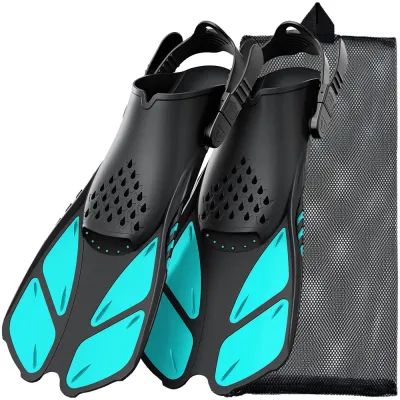
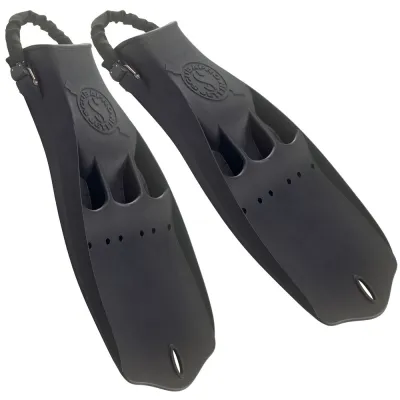
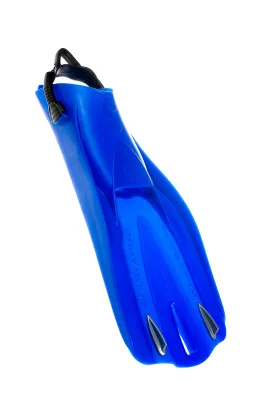
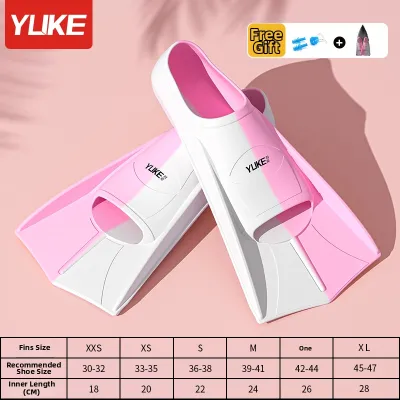

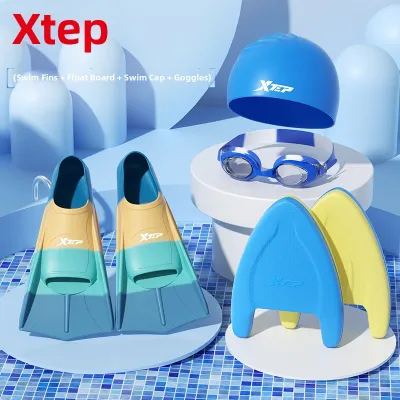
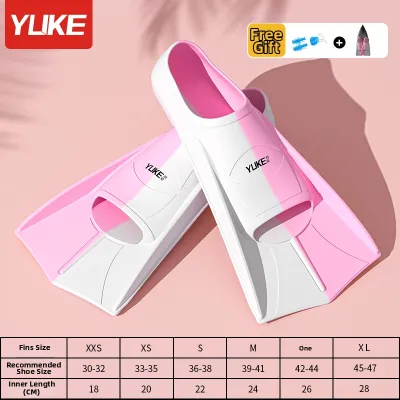
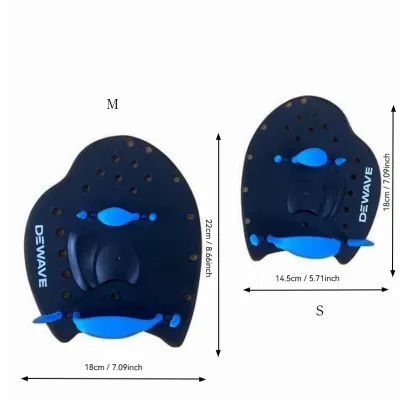
Prices are valid at publication and may change. Please refer to the product page for the latest price.
Open-heel fins, on the other hand, feature a rigid sole with an adjustable strap that goes around the back of your ankle. These fins are designed to be worn with thick neoprene dive boots. This setup is essential for colder water temperatures where thermal protection is necessary, or for shore entries that require walking over sharp rocks, coral rubble, or hot sand. While open-heel fins offer excellent ankle support and versatility, the requirement of purchasing and wearing dive boots makes the overall setup heavier, more expensive, and bulkier for travel. Beginners should evaluate their primary snorkeling locations to decide if the simplicity of a full-foot design or the protection of an open-heel system is more appropriate.
Match Blade Length and Stiffness to Your Snorkeling Style
Once you have decided on the foot pocket style, the next step is evaluating the blade. The length and stiffness of the blade dictate how much water you displace with each kick, directly affecting how hard your leg muscles must work.

Short blades, often referred to as travel fins, are highly recommended for beginner snorkelers. These blades typically extend only a short distance past your toes, allowing for quick, high-frequency kicks that require less physical exertion. Short blades make it much easier to maneuver in tight spaces, such as shallow reef flats, and they are highly forgiving if your kicking technique is not yet perfected. Additionally, their compact size makes them incredibly easy to pack into standard carry-on luggage.
Long blades are designed for maximum propulsion and are favored by freedivers and scuba divers who need to descend to significant depths. However, long blades require strong, conditioned leg muscles and a slow, deliberate kicking technique. For a beginner snorkeling at the surface, long blades often lead to rapid leg fatigue, ankle strain, and painful muscle cramps. They also make it difficult to turn quickly and increase the risk of accidentally kicking and damaging fragile marine life like coral reefs.
Stiffness is another critical factor. Beginners should look for blades with a soft to medium flex. A flexible blade bends easily during the kick cycle, channeling water backward to create propulsion without putting excessive strain on your joints. To verify the stiffness of a pair of fins, check the manufacturer’s specifications on the product label or consult retail staff, as a simple hand-bend test on land does not always accurately represent how the material behaves under water pressure.
Verify the Foot Pocket Fit Before You Buy
No matter how advanced the technology of a fin is, it will be unusable if it does not fit your foot correctly. A poor fit leads to two common issues: fins slipping off in deep water, or tight spots creating painful blisters and raw skin.
When checking sizes, always consult the manufacturer’s specific size chart rather than relying solely on your standard shoe size. Sizing can vary significantly between brands and materials. If you plan to wear thin neoprene socks with full-foot fins to prevent chafing, make sure to account for that extra thickness when selecting your size.
To perform a fitting test on land, slide your foot into the pocket. Your toes should reach the end of the pocket comfortably without being bent, cramped, or pressed hard against the front edge. Next, lift your foot and gently shake it; the heel of the fin should not slip off or slide excessively. The instep—the top part of your foot—should feel snug but not restricted or pinched.
If you feel any localized pressure points, friction, or squeezing while standing in the store or trying them on at home, do not assume the material will stretch. Water will lubricate the skin, and the repetitive motion of kicking will quickly turn minor discomfort into a painful blister. If the fit is not comfortable on land, stop and exchange the fins for a different size or a model with a wider or softer foot pocket.
Select Materials and Features for Travel and Durability
The materials used to construct swimming fins affect their weight, flexibility, lifespan, and price. Understanding these material trade-offs helps you select a pair that fits both your budget and your travel habits.
Traditional rubber is highly durable and offers excellent flexibility, but it is also the heaviest option. Thermoplastic elastomers (TPE) and silicone are modern alternatives that offer a fantastic balance of lightweight comfort, flexibility, and resilience. These materials are gentle on bare skin, making them ideal for full-foot designs. Plastic blades are often the most budget-friendly option, but they tend to be stiffer and are more susceptible to cracking or permanent bending if exposed to prolonged heat or UV radiation.
For travelers, space and weight are major considerations. Some manufacturers offer specialized travel-friendly designs, such as short-blade fins with lightweight composite materials that can easily fit into a backpack. While split-blade designs are sometimes marketed for travel due to their unique water-channeling properties, standard flat blades with flexible side rails are often more than sufficient for a beginner’s needs.
To ensure your fins last for many seasons, proper storage is essential. Always rinse your fins with fresh water after use to remove salt, sand, and chlorine. Store them flat in a cool, shaded area. Avoid leaving them in the trunk of a hot car or in direct sunlight, as extreme heat and UV rays can warp the blades and degrade the foot pocket material, leading to permanent deformation.
Avoid Common Beginner Mistakes When Buying and Using Fins
Many first-time snorkelers make easily avoidable mistakes that can ruin an otherwise enjoyable day in the water. Being aware of these pitfalls ensures a safer and more comfortable experience.
The first common mistake is purchasing heavy, stiff scuba diving fins for casual surface snorkeling. Scuba fins are engineered to push a diver carrying heavy life-support equipment through the water, requiring substantial leg strength. Using them for surface snorkeling quickly leads to exhaustion and takes the fun out of the activity. Stick to lightweight, flexible swimming fins designed specifically for snorkeling or multi-purpose pool use.
Another frequent error is ignoring the benefits of thin neoprene socks. Even a well-fitting full-foot fin can cause chafing after an hour of continuous kicking in salty water. Wearing a thin pair of water socks provides a protective barrier, eliminates friction, and can make your snorkeling sessions significantly more comfortable.
Finally, never walk forward on the beach or a boat deck while wearing your fins. Fins are designed for swimming, not walking. Attempting to walk forward in them creates a severe tripping hazard and can easily crack the blades or snap the heel straps. If you must move while wearing fins on land, walk backward slowly, or wait until you are waist-deep in the water before putting them on.
Frequently Asked Questions (FAQ)
Do I need to buy snorkeling fins with split blades?
Split fins feature a slice down the middle of the blade, which is designed to reduce drag by mimicking the propulsion of a propeller. While they can make kicking feel easier on the leg muscles, they require a specific, rapid flutter kick technique to be effective and can be less efficient in strong currents. For most beginners, traditional paddle-style fins with flexible materials are easier to control, more versatile, and generally more budget-friendly. It is best to choose based on overall foot pocket comfort and your budget rather than focusing solely on split-blade technology.
Can I use my snorkeling fins for scuba diving later?
Short, lightweight full-foot snorkeling fins are generally not suitable for scuba diving. Scuba diving requires moving heavy gear against currents, which demands the greater thrust and water displacement provided by larger, stiffer open-heel fins worn with dive boots. If you plan to transition to scuba diving in the near future, it is wiser to invest in a versatile pair of open-heel fins from the start, as they can easily be used for both snorkeling and diving.
How do I know if my fins are too big or too small in the water?
If your fins are too big, you will feel your heel slipping out of the pocket with every downward kick, and you may feel like you are getting very little forward propulsion despite kicking hard. If they are too small, you will likely experience toe cramping, numbness in your feet, or sharp pinching along the instep within a few minutes of swimming. If you experience any of these signs, return to shallow, safe water immediately to adjust the straps or change your footwear.

Community discussion
Share your experience or ask a question. Comments are reviewed before publication.