
Selecting your first snorkeling mask is the single most important equipment decision you will make before heading into the water. A poorly fitting mask can ruin an underwater excursion with constant leaks, painful pressure points, and persistent fogging, while a well-chosen mask provides a clear, comfortable window into marine life. Whether you are planning to explore the shallow reefs of Singapore’s Sisters’ Islands Marine Park or preparing for a tropical getaway in Southeast Asia, understanding how to select a snorkeling mask tailored to your facial structure and skill level is essential.
This guide breaks down the essential factors—including structural designs, materials, fit testing, and volume—to help you make an informed purchase. Keep in mind that while high-quality equipment enhances your comfort and visibility, it cannot replace proper water safety training, swimming ability, or situational awareness. Always assess your limits and check local sea conditions before entering the water.
Understand the Main Types of Snorkeling Masks
When shopping for a snorkeling mask, you will immediately notice several distinct structural designs. Each design caters to different visual preferences, facial shapes, and plans for future underwater activities.
Products mentioned in this guide
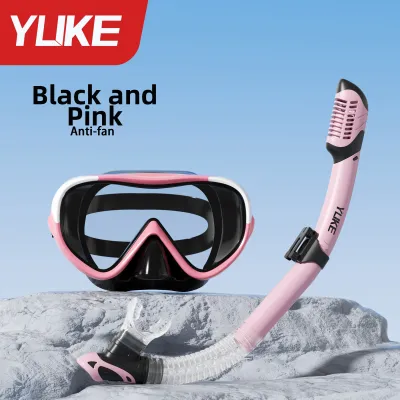
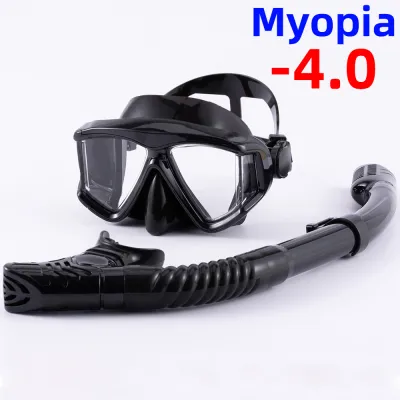
Prices are valid at publication and may change. Please refer to the product page for the latest price.
Single-Lens vs. Dual-Lens vs. Multi-Window
Single-lens masks feature a continuous pane of tempered glass without a central frame bridge. This design offers an uninterrupted, panoramic field of view directly in front of you, which many beginners find less claustrophobic. However, because they lack a central divider, they cannot be fitted with corrective prescription lenses, and they generally have a slightly higher internal volume.
Dual-lens masks utilize two separate glass panes divided by a rigid nose bridge. This construction provides excellent structural rigidity, allowing the frame to sit closer to your face. The primary advantage of a dual-lens mask is its compatibility with corrective optical lenses, which can easily replace the standard glass if you require vision correction.
Multi-window masks add small glass panes to the sides of the main frame. This setup significantly expands your peripheral vision, helping you maintain situational awareness of other snorkelers and marine life. However, the additional glass and frame joints add physical weight and can sometimes create distracting light reflections or visual distortions at the corners.
Full-Face Snorkeling Masks
Full-face masks cover your entire face, allowing you to breathe naturally through both your nose and mouth. While highly popular among beginners who struggle with traditional snorkel mouthpieces, these masks have strict safety boundaries. They are designed exclusively for casual, surface-level snorkeling. They are not suitable for freediving, duck diving, or swimming vigorously, as the large internal air volume makes it impossible to equalize the pressure in your ears or squeeze the mask against your face as you descend.
Furthermore, poorly designed or ill-fitting full-face masks carry a risk of carbon dioxide (CO2) buildup if the exhaled air is not properly channeled away from the fresh air intake. When choosing a full-face mask, you must verify the manufacturer’s ventilation specifications and check for recognized safety testing labels. If you ever experience restricted breathing, dizziness, headache, or labored breathing while wearing one, you must immediately stop use, remove the mask, and exit the water.
Evaluate Key Features: Skirt Material and Lens Quality
To ensure your mask is durable, comfortable, and safe, you must look closely at the materials used in the skirt and the lenses. These components dictate how well the mask seals against your skin and how clearly you can see underwater.

Skirt Material
The skirt is the soft, flexible boundary that seals the mask to your face. High-quality masks use 100% medical-grade or food-grade liquid silicone. This material remains supple, conforms easily to various facial contours, and resists degradation from UV rays and saltwater. Cheap, entry-level masks often use plastic-based materials like PVC (polyvinyl chloride) or low-grade rubber. PVC skirts are stiffer, prone to leaking, and harden over time, while rubber can dry out, crack, and cause skin irritation.
When choosing a silicone skirt, you will typically decide between clear and black silicone:
- Clear Silicone: Allows ambient light to enter from the sides, creating an open, airy feeling that helps prevent claustrophobia for beginners. The trade-off is that clear silicone can yellow over time when exposed to sunlight, and it can let in distracting glare in bright tropical conditions.
- Black Silicone: Blocks peripheral light entirely, focusing your vision forward and eliminating glare on the inside of the lens. This makes black silicone highly favored by underwater photographers and those snorkeling in intense, direct sunlight.
Lens Material
Never compromise on lens material. A high-quality snorkeling mask must feature tempered glass lenses. Tempered glass is treated with heat or chemicals to increase its strength, making it highly scratch-resistant and capable of withstanding underwater pressure. Most importantly, if tempered glass does break under extreme impact, it shatters into tiny, blunt granules rather than sharp, dangerous shards that could cause severe eye injuries. Standard plastic or polycarbonate lenses scratch easily, fog up more rapidly, and lack the optical clarity of glass.
Verification
To ensure you are getting genuine materials, avoid relying solely on generic marketing terms. Instead, verify the material specifications on the product packaging or the manufacturer’s official documentation. Look for the “T” or “Tempered” mark stamped directly onto the lens glass, and confirm the skirt is explicitly labeled as “100% silicone” rather than “silicone-injected” or “synthetic rubber.”
How to Test for the Perfect Fit (The Most Critical Step)
No matter how advanced a mask’s features are, it will fail to perform if it does not fit your unique facial structure. A proper fit is the absolute key to preventing leaks and ensuring a comfortable, dry experience.
The Inhale Test (Negative Pressure Test)
To perform this test, follow these steps:
- Pull the mask strap forward over the front of the lens so it is completely out of the way.
- Clear any stray hair from your forehead and cheeks, then gently place the mask skirt directly against your face.
- Look slightly upward toward the ceiling to let gravity help position the mask.
- Inhale gently and steadily through your nose, then hold your breath.
- Look straight ahead. The mask should create a secure vacuum seal, suctioning firmly to your face without slipping, sliding, or falling off, even when you stop inhaling.
If you must press the mask hard against your face to keep it there, or if air continuously leaks in, the fit is incorrect.
Facial Structure Considerations
Facial anatomy varies wildly, and different mask brands cater to different profiles. A high, prominent nose bridge may press painfully against the hard frame of certain masks, while shallow nose bridges might allow water to pool around the nasal pocket. High cheekbones can push the bottom of the skirt upward, breaking the seal.
Facial hair, particularly mustaches or thick stubble, creates tiny microscopic gaps in the silicone skirt, allowing water to slowly seep inside. If you have a mustache, you may need to apply a small amount of silicone grease, petroleum jelly, or specialized mask sealant to your facial hair to maintain a watertight seal, or seek out low-profile masks with highly flexible skirts.
Common Beginner Mistake
A widespread misconception among beginners is that tightening the head strap will stop a mask from leaking. In reality, over-tightening has the opposite effect. Excessive tension pulls the rigid frame too close to your face, causing the soft silicone skirt to buckle, fold, and warp, which creates immediate channels for water to enter. The strap’s primary purpose is simply to keep the mask positioned on your head; the actual watertight seal is created by the natural suction of the silicone skirt under light water pressure.
Low-Volume vs. High-Volume Masks: Which Do You Need?
Internal volume refers to the physical pocket of air trapped inside the mask between your face and the glass lens. This volume dictates how close the glass sits to your eyes and how much air you must manage while underwater.
High-Volume Masks
High-volume masks feature a larger frame that sits further away from your face.
- Pros: They provide a spacious, open sensation, offer plenty of clearance for prominent nose bridges or high brow lines, and often feel less restrictive to absolute beginners.
- Cons: Because they hold more air, they require more effort to clear if water leaks inside. Additionally, the further the lens is from your eyes, the narrower your natural field of view becomes, much like looking through a window from the middle of a room.
Low-Volume Masks
Low-volume masks are designed with a streamlined profile, bringing the glass lenses incredibly close to your eyes.
- Pros: They are exceptionally easy to clear of water, requiring only a small puff of air through your nose. The close proximity of the lens to your eyes significantly widens your peripheral vision and reduces drag in the water.
- Cons: The compact frame can feel pressive or claustrophobic to some users, and the nose pocket or frame may press against the bridge of the nose if the fit isn't perfectly matched.
Selection Framework
If you are an absolute beginner who plans to stay strictly on the surface, a high-volume or mid-volume mask can provide an easy, comfortable, and reassuring introduction to snorkeling. However, if you plan to progress to freediving, skin diving, or frequent duck diving (diving down beneath the surface to look closer at marine life), a low-volume mask is highly recommended. Low-volume masks require much less air to equalize as you descend, preserving your breath-hold time.
In terms of pricing in Singapore, entry-level masks made of lower-grade materials typically cost around S$15 to S$30, while high-quality, 100% silicone masks with tempered glass lenses generally range from S$40 to S$90. Premium options, including those compatible with prescription lenses, can exceed S$120.
Essential Preparation and Maintenance for Clear Vision
Once you have found the perfect mask, proper preparation and ongoing maintenance are essential to keep your vision clear and extend the lifespan of your gear.
Pre-Dive Defogging
New masks come with a thin layer of protective silicone film on the inside of the glass lens left over from the manufacturing process. If you do not remove this film, your mask will fog up instantly, regardless of how much defogger you apply.
To prep a new mask, apply a small dab of non-gel, non-abrasive toothpaste to the inside of the dry lens. Scrub the lens thoroughly with your clean finger or a soft cloth for several minutes, then rinse it completely with fresh water. Repeat this process two to three times. Avoid using abrasive household cleaners or harsh chemicals, as these can permanently scratch the glass or damage specialized anti-reflective coatings. Before every snorkel session, apply a few drops of commercial defogging solution, a diluted baby shampoo mixture, or even clean saliva to the dry lens, rub it around, and give it a quick rinse in the water just before putting it on.
Strap and Hair Management
To prevent slow leaks, ensure that all hair is swept completely back from your forehead and temples before putting the mask on. Even a few stray strands of hair trapped under the silicone skirt will act as a wick, drawing water into the mask. Position the split silicone strap so it sits flat against the crown of your head, rather than slipping down to the nape of your neck or riding up too high, which can pull the mask out of its optimal alignment.
Post-Snorkel Care
Saltwater, chlorine, and sand are highly destructive to silicone and plastic. After every use, thoroughly rinse your mask in clean, warm fresh water to dissolve salt crystals and wash away sand particles. Gently shake off excess water and allow the mask to air-dry completely in a shaded, well-ventilated area. Never leave your mask in direct sunlight, as UV radiation rapidly degrades, discolors, and hardens silicone. Once dry, store your mask in a rigid protective travel case to prevent the delicate silicone skirt from warping or being crushed by other gear.
Frequently Asked Questions (FAQ)
Can I wear my prescription glasses under a snorkeling mask?
You cannot wear standard everyday prescription eyeglasses underneath a snorkeling mask. The rigid metal or plastic temple arms of your glasses will prevent the silicone skirt from sealing against your temples, causing immediate and continuous flooding. Fortunately, you have several practical alternatives. The most reliable option is to purchase a dual-lens mask designed to accept drop-in corrective optical lenses, which can be matched to your specific prescription. Alternatively, you can use temporary stick-on optical lenses that adhere to the inside of a standard mask lens, or wear daily disposable contact lenses. If you choose to wear contact lenses, be aware of the risk of losing them if your mask floods, and maintain strict hand hygiene when inserting or removing them to prevent painful waterborne eye infections.
Is there a difference between snorkeling masks and scuba diving masks?
While many high-quality masks are fully interchangeable between snorkeling and scuba diving, there are critical distinctions in construction and safety standards. A dedicated scuba diving mask must feature tempered glass lenses to withstand the significant pressure changes experienced at depth, along with a high-grade silicone skirt that maintains its seal under compression. Some cheap, entry-level masks sold specifically for casual surface snorkeling utilize plastic lenses, fragile frames, or high-volume designs that are unsafe or highly impractical for scuba diving. If you intend to transition from snorkeling to scuba diving in the future, it is highly recommended to invest in a high-quality, low-volume diving mask from the start. Always check the manufacturer’s depth ratings and material specifications to ensure the mask is rated for scuba use.
Community discussion
Share your experience or ask a question. Comments are reviewed before publication.