
Selecting your first snorkeling set is the most critical step toward exploring vibrant marine life, whether you are planning a weekend trip to Singapore’s Sisters’ Islands Marine Park or packing for a tropical getaway. A proper snorkeling set consists of three primary components: a mask, a snorkel, and a pair of fins. For a beginner, the ideal configuration prioritizes a reliable, watertight seal, effortless breathing mechanisms, and comfortable, low-fatigue propulsion.
While it is tempting to purchase the cheapest gear available at a beachside kiosk or rent worn-out equipment, investing in a high-quality, personal snorkeling set ensures hygiene, a tailored fit, and significantly greater safety. In Singapore, entry-level, beginner-friendly snorkeling sets generally range from S$40 to S$100 at local sporting goods stores and specialized dive shops. To make an informed decision, you must understand the specific engineering features—such as skirt materials, valve types, and blade designs—that directly impact your comfort and confidence in the water.
Choosing a Snorkel Mask: Prioritizing Seal, Skirt Material, and Volume
The mask is your window to the underwater world, making its fit and construction the single most important factor in your snorkeling experience. When evaluating a snorkeling set, the first feature to inspect is the skirt, which is the flexible border that seals against your face. Beginners should strictly look for masks made with 100% high-grade, soft silicone skirts. Avoid cheaper masks that utilize plastic or polyvinyl chloride (PVC) skirts; these materials are rigid, fail to conform to facial contours, degrade rapidly under the tropical sun, and frequently cause painful pressure points and leaks.
Products mentioned in this guide
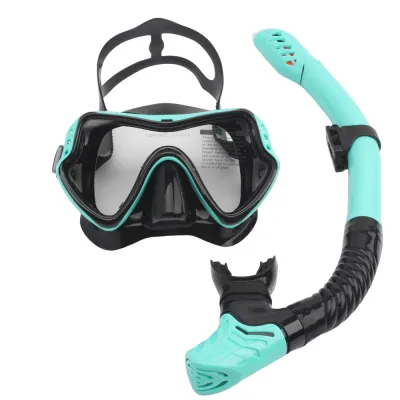
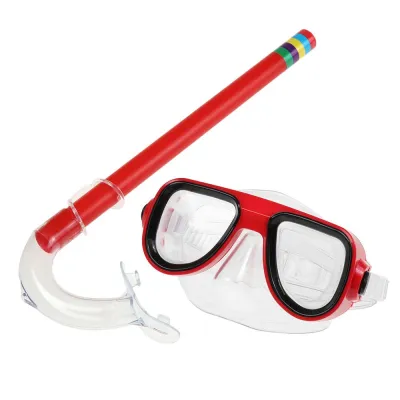
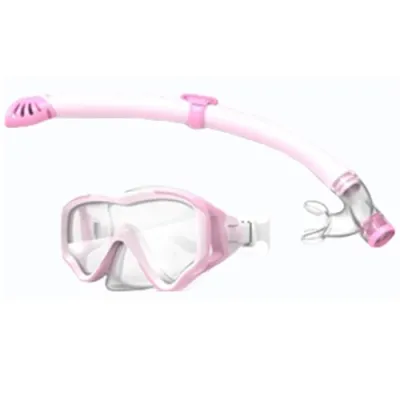
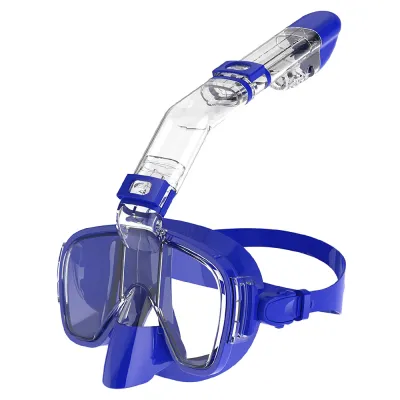
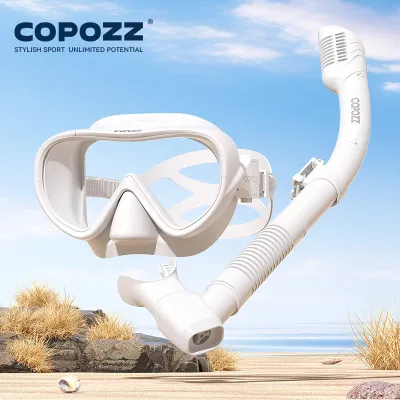
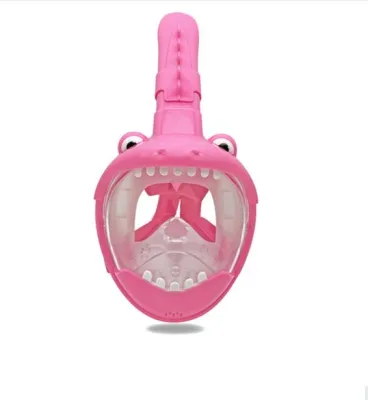
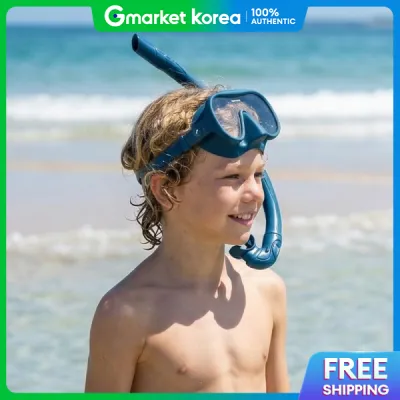
Prices are valid at publication and may change. Please refer to the product page for the latest price.
When selecting a mask, ensure the lenses are made of tempered glass. Tempered glass is highly scratch-resistant, provides exceptional optical clarity, and is chemically treated to withstand underwater pressure safely. Cheap plastic lenses scratch easily, fog instantly, and can shatter dangerously under impact.
The choice between a single-lens and a dual-lens mask also impacts your field of view and comfort. A single-lens mask features a continuous pane of tempered glass, offering an uninterrupted field of view directly in front of you, which many beginners find less claustrophobic. Dual-lens masks have a frame bridge over the nose, separating the glass into two panes. Dual-lens designs often sit closer to the face, reducing the internal volume of the mask.
Internal volume refers to the amount of air trapped inside the mask when you wear it. A low-volume mask is highly advantageous for beginners because it requires less effort to clear if water leaks inside. To clear a low-volume mask, you simply press the top frame and exhale gently through your nose to force the water out of the bottom. However, do not choose a mask based on volume alone; your unique facial structure dictates the seal. A mask must match the width of your temples, the bridge of your nose, and the curvature of your cheekbones to remain watertight.
Finally, pay close attention to the head strap. A high-quality snorkeling set features a wide, split-back silicone strap that cradles the crown of your head, distributing pressure evenly to prevent headaches. Ensure the buckle system is robust and easily adjustable while worn, allowing you to fine-tune the tension without pulling your hair or distorting the soft silicone skirt.
Selecting the Right Snorkel: Dry-Top Mechanisms and Purge Valves
A snorkel allows you to breathe continuously while keeping your face submerged, but water entering the tube can quickly cause panic for a beginner. To prevent this, modern snorkeling sets offer three main snorkel designs: traditional wet, semi-dry, and dry-top. Traditional wet snorkels are simple, open tubes that offer no protection against splashing water. For beginners, a dry-top or semi-dry snorkel is highly recommended to minimize accidental water inhalation from surface splashes.

A dry-top snorkel features a specialized float valve at the very top of the tube. When you submerge or when a surface wave splashes over you, the internal float rises to seal the opening, keeping the tube completely dry. While this mechanism is incredibly helpful for novice snorkelers, you must recognize its safety boundaries. Float valves can occasionally jam due to sand, salt crystals, or debris. Therefore, relying entirely on the mechanical valve is a safety risk; you must still learn and practice the basic exhalation clearing technique—blasting a sharp breath of air through the tube—to clear any water that manages to bypass the seal.
A semi-dry snorkel, on the other hand, utilizes a splash guard at the top to deflect surface spray, though it will let water in if you submerge completely. Both dry-top and semi-dry snorkels should feature a bottom purge valve. Located in a reservoir chamber just below the mouthpiece, the purge valve is a simple, one-way silicone flap. If water enters the snorkel, gravity pulls it into this lower chamber, and a gentle exhale easily forces the water out through the valve, rather than requiring you to blast it all the way up and out of the top of the tube.
Many high-quality beginner snorkels feature a flexible corrugated section between the main tube and the mouthpiece. This flexible silicone joint allows the mouthpiece to hang naturally at the correct angle for your mouth, reducing the constant pulling force on your lips. When you spit the mouthpiece out to speak on the surface, the flexible joint allows it to drop completely out of the way, rather than springing back and hitting your chin.
The final consideration for the snorkel is the mouthpiece. Look for an ergonomic mouthpiece made of 100% soft, food-grade silicone rather than stiff plastic. The bite tabs should sit comfortably between your teeth without requiring you to clench your jaw. A poorly designed, rigid mouthpiece will cause jaw fatigue and cramping within fifteen minutes of surface swimming, cutting your snorkeling session short.
Remember that the bottom purge valve requires regular inspection. A tiny grain of sand trapped under the thin silicone flap can prevent it from sealing completely, causing water to slowly seep into your mouth with every breath. Before entering the water, always inspect the valve to ensure it is clean and lies completely flat against its housing.
Finding the Best Fins: Full-Foot Pockets and Short-Blade Efficiency
Fins are essential for safety and efficiency, providing the propulsion needed to navigate ocean currents without exhausting your leg muscles. For beginners, the primary decision lies between full-foot fins and open-heel fins. Full-foot fins feature a soft, enclosed rubber or elastomer pocket that wraps entirely around your heel. These are ideal for warm tropical waters, such as those in Singapore and neighboring Southeast Asian islands, and are perfect for boat entries or sandy shorelines where you do not need to walk over sharp rocks. Open-heel fins feature an adjustable strap across the back and are designed to be worn with thick neoprene dive boots, which are necessary for cold-water environments or rocky, hazardous shorelines.
For your first snorkeling set, shorter and more flexible blades are highly recommended over long, stiff dive fins. Short-blade fins require significantly less leg strength and cardiovascular effort, making them perfect for beginners who have not yet developed specialized kicking muscles. They promote a relaxed, efficient flutter kick that originates from your hips rather than bending your knees. Shorter fins are also much easier to pack for travel and make navigating shallow reefs safer, as you are less likely to accidentally kick and damage delicate coral structures.
Using fins requires a shift in your swimming mechanics. Beginners often instinctively use a “bicycle kick,” bending their knees deeply as if riding a bike. This motion creates immense drag, wastes energy, and can cause the fins to clash together. Fins are designed for a flutter kick, where your legs remain relatively straight, and the driving force comes from your hips and glutes. Shorter, flexible blades are highly forgiving of imperfect technique, helping you maintain a steady, relaxed rhythm without overloading your quadriceps.
When choosing your size, the foot pocket must fit snugly but comfortably. It should hold your foot securely so that your heel does not slip out during a downward kick, which can cause painful friction blisters. However, it must not be so tight that it pinches your toes, restricts blood circulation, or causes foot cramps. If you find yourself between sizes or want extra protection against chafing, consider purchasing a pair of thin, 1mm to 2mm neoprene socks to wear inside your full-foot fins.
When transporting your fins, avoid leaving them bent in a tight gear bag or exposed to direct sunlight on a boat deck, as extreme heat can warp the plastic blades or degrade the rubber foot pockets.
How to Test Your Gear Fit and Prepare for the Water
Never wait until you are in the ocean to test your new snorkeling set. Verifying the fit and function of your gear in a dry environment or a shallow swimming pool is crucial for your safety and peace of mind.
To test the mask’s seal, perform the classic “inhale test:”
- Push any stray hair away from your forehead and cheeks.
- Place the mask gently on your face without putting the strap over your head.
- Inhale lightly through your nose.
- Check if the mask seals instantly and holds itself in place via suction when you let go with your hands.
If air leaks in or the mask falls off, the fit is incorrect, and you should try a different model.
To test your fins, put them on and stand up on a flat surface. Walk a few steps forward and backward. Your heel should remain firmly inside the pocket without lifting out, and your toes should not press painfully against the front edge. If the pocket pinches or leaves red marks on your skin after just a minute of walking, the size is too small.
Next, practice adjusting the mask strap tension. A common error is pulling the strap as tight as possible to prevent leaks. In reality, over-tightening a mask strap squashes the soft silicone skirt flat, distorting its shape and actually creating channels for water to leak in. The strap should only be tight enough to hold the mask gently against your face; the natural water pressure will do the rest of the work to secure the seal.
Attach the snorkel to the left side of your mask strap using the keeper clip provided. Position the snorkel so that the tube runs parallel to your temple when the mask is on your face. If the snorkel is positioned too far forward or backward, it will pull on the mask strap, distorting the silicone skirt and causing water to leak into your eyes.
Before your first swim, you must prepare the mask’s glass to prevent fogging. New masks have a thin manufacturing film of silicone on the inside of the lens that causes rapid fogging. Always check the manufacturer’s care instructions for your specific mask before applying any treatment. A common, safe practice is to gently scrub the inner lens with a non-abrasive, white toothpaste using your clean finger, then rinse it thoroughly. Just before entering the water, apply a commercial defogging solution or a few drops of highly diluted baby shampoo, rinse it quickly in the water, and put the mask on. Avoid using harsh household chemicals or saliva, as chemicals can degrade the silicone skirt and harm delicate marine ecosystems.
Common Beginner Mistakes and Essential Water Safety Boundaries
One of the most common mistakes beginners make when buying a snorkeling set is selecting oversized gear with the expectation of “room to grow” or extra comfort. In water sports, loose gear is a liability. An oversized mask will constantly leak, forcing you to clear it repeatedly and increasing water inhalation risks. Loose fins will slip off in the water, leave severe blisters, and fail to provide the propulsion needed to swim against a mild current.
Another critical error is relying entirely on “dry” snorkel technology as a substitute for water confidence. A dry-top snorkel is an excellent aid, but it is not a breathing apparatus that works underwater. Beginners must practice basic water skills—such as clearing a flooded mask and blowing water out of a snorkel—in a controlled, shallow environment like a swimming pool before venturing into open water.
In addition to your core snorkeling set, always utilize supplementary safety and protection gear. The tropical sun in Singapore and regional waters can cause severe sunburns quickly, and floating on the water’s surface exposes your back to direct UV rays. Wear a high-quality UV-protective rash guard to shield your skin from the sun and offer light protection against stinging jellyfish. When using sunscreen, choose only certified reef-safe formulas that do not contain oxybenzone or octinoxate, as these chemicals contribute to coral bleaching.
Finally, establish firm safety boundaries before you step into the water. Snorkeling gear is designed to assist your observation of marine life; it does not replace basic swimming ability or physical fitness. Always adhere to the buddy system—never snorkel alone, regardless of how calm the water appears.
Before entering the water, establish basic hand signals with your snorkeling buddy. Agree on simple signs for “Are you OK?”, “I am OK”, “Look there”, and “Time to go back”. Additionally, remember that snorkeling gear is meant to help you observe, not touch. Never step on, kick, or touch coral reefs or marine life. In shallow coastal areas around Singapore, stepping on the seabed can damage fragile ecosystems and expose you to hazards like stonefish or sea urchins. Keep your body horizontal on the surface, use your fins gently, and maintain a safe distance from all underwater structures.
Understand and respect your personal physical limits, and establish clear stop conditions. You must exit the water immediately if you experience leg cramps, shivering, physical fatigue, persistent mask fogging that limits your vision, or if you observe changes in weather, wave height, or tidal currents. Safety in the water relies on preparation, self-awareness, and respect for the ocean environment.

Community discussion
Share your experience or ask a question. Comments are reviewed before publication.