
Starting your tennis journey is an exciting milestone, but it often comes with a sudden accumulation of gear. Between rackets, specialized court shoes, cans of pressurized balls, and hydration flasks, carrying everything to the court can quickly become a logistical challenge. A dedicated tennis bag is the most practical solution to keep your gear organized, protected, and easy to transport.
However, walking into a sports store or browsing online marketplaces can feel overwhelming due to the sheer variety of options available, from compact backpacks to massive tour-level duffels. For a beginner, the goal is to find a balance between utility, protection, and comfort without overspending on professional-grade features you do not yet need. The ideal starter bag should protect your initial investment in rackets and shoes while fitting seamlessly into your daily commute. This guide breaks down the essential features to look for, helping you select a bag that matches your current playing frequency, storage needs, and travel habits.
Assess Your Gear to Find the Right Bag Capacity
Choosing the right tennis bag starts with a realistic assessment of the equipment you actually own and use. Many new players fall into the trap of purchasing massive, professional-grade bags designed for tournament players who carry half a dozen rackets and multiple changes of clothing. For someone just entering the sport, a bag that is too large is not only an unnecessary financial investment but also a physical burden that is awkward to carry and difficult to store.
Products mentioned in this guide
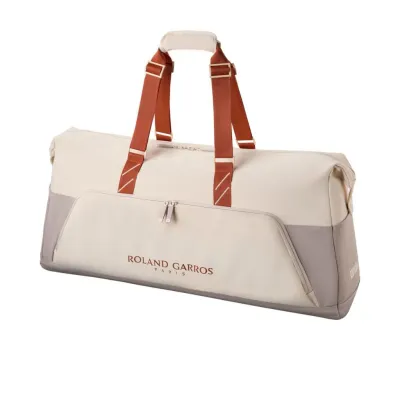
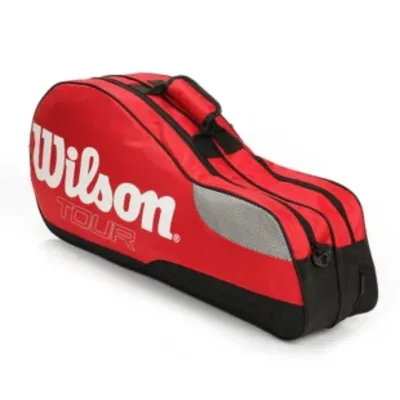
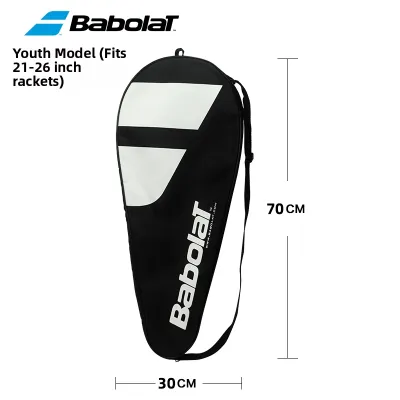
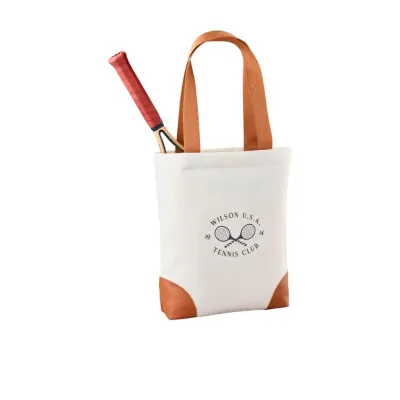
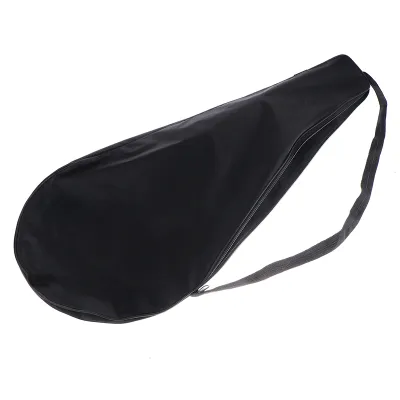
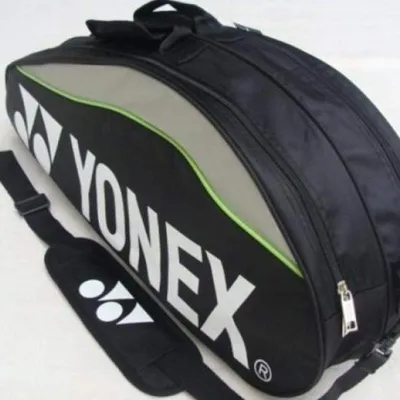
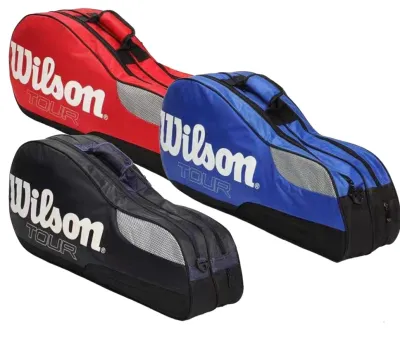
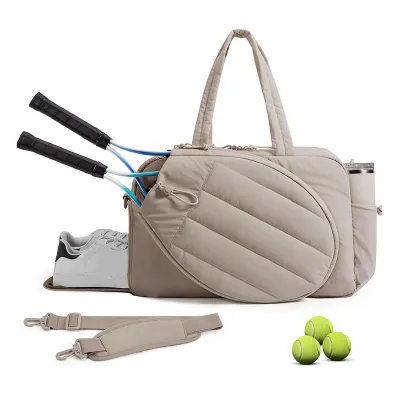
Prices are valid at publication and may change. Please refer to the product page for the latest price.
To determine your capacity requirements, inventory your current beginner gear. Most players starting out possess one or two rackets, a water bottle, a towel, a can of tennis balls, and personal items like keys, a phone, and wallet. You might also carry a spare shirt or a pair of tennis shoes if you change at the court. This relatively modest collection of gear does not require a massive multi-racket bag; instead, it demands smart, organized space.
Tennis bags are traditionally categorized by the maximum number of rackets they can hold, typically segmented into 3-pack, 6-pack, and 9-pack or larger configurations.
- 3-Pack Bags: These are single-compartment bags designed to hold up to three rackets. When you only carry one or two rackets, the remaining space easily accommodates a can of balls, a towel, and a small water bottle. This is the most streamlined, lightweight option for casual weekly players.
- 6-Pack Bags: Featuring two main compartments, these bags allow you to dedicate one side entirely to two rackets and the other side to your shoes, clothing, and larger accessories. A compact 6-pack offers excellent versatility, giving you room to grow without becoming overly bulky.
- 9+ Pack Tour Bags: These are designed for competitive players who carry multiple pre-strung rackets at specific tensions, along with extensive training gear. For a beginner, these bags are highly impractical, as the excess empty space causes your gear to shift around during transit, leading to unnecessary wear and tear.
Focus on buying for your current needs rather than a hypothetical future self who plays five days a week. A compact, well-organized bag will serve you perfectly for your first few years of play. Here is a quick checklist of what should fit comfortably in your ideal starter bag without forcing the zippers:
- One or two tennis rackets (with handles securely positioned)
- A dedicated slot or compartment for one pair of court shoes
- A 1-litre water bottle or hydration flask
- A small sports towel and a spare t-shirt
- One can of tennis balls and a small pouch for personal essentials
Prioritize Essential Compartments and Gear Protection
Once you have settled on a 3-pack or a compact 6-pack capacity, the next step is evaluating how the bag organizes and protects its contents. Tennis gear is highly sensitive to physical impact, moisture, and temperature fluctuations. A bag with a single open cavity will allow your rackets to scrape against your shoes and keys, damaging the frames and degrading your strings.

Racket Protection
The racket compartment should feature padded dividers or individual sleeves to prevent multiple frames from clashing against each other. Look for bags that include secure handle fasteners, such as Velcro straps or elastic loops. These keep the rackets stable during transit, preventing them from shifting and ensuring the handles do not rub against other items or get damaged if the bag is dropped.
Shoe Compartment
Tennis shoes accumulate clay, hard-court grit, dust, and sweat. Putting them in the same compartment as your clean towel, spare clothing, or replacement grips is a recipe for poor hygiene and bad odors. Prioritize a bag with a dedicated, ventilated shoe pocket. This pocket is usually accessed from the exterior or bottom of the bag and features mesh vents to allow moisture to escape, isolating dirty footwear from your clean gear.
Thermal/Insulated Lining
Extreme heat is the enemy of tennis equipment. High temperatures cause synthetic racket strings to lose tension rapidly and can degrade the adhesives used in grip tapes and frame construction. In tropical climates like Singapore, where outdoor courts can reach high temperatures, a thermal-lined compartment is highly beneficial. Look for compartments lined with climate protection technology (often a silver foil lining) to shield your rackets from thermal shock.
Wet/Dry Separation
A post-match workout leaves you with damp towels and sweaty clothing. Storing these items directly alongside your dry gear can lead to mold and persistent musty smells. A water-resistant or TPU-lined wet/dry pocket is an excellent feature that isolates damp items until you can wash them, keeping the rest of your bag dry and fresh.
Match the Carrying Style to Your Court Commute
How you travel to the tennis court dictates the physical shape and strap configuration of the bag you should choose. A bag that is highly functional on the court can still be a hassle if it makes your commute uncomfortable. Consider your primary mode of transportation—whether you walk, take public transit like the MRT or bus, cycle, or drive—and match it to the appropriate carrying style.
Backpack Style
If you cycle, ride a scooter, or rely on public transport, a dedicated tennis backpack is often the most practical choice. These bags hold one or two rackets vertically against your back, leaving your hands completely free. They distribute weight evenly across both shoulders, reducing localized strain and making it much easier to navigate crowded transit stations or busy pavements.
Shoulder/Tote Style
For players who drive directly to the court or walk very short distances, a classic shoulder bag, duffel, or tote style is highly convenient. These designs offer a wide, horizontal opening that makes it incredibly easy to pack and unpack your gear. They can be slung quickly over one shoulder for a fast transition from the car boot to the court bench.
Strap and Handle Ergonomics
Regardless of the style, pay close attention to the ergonomics of the carrying system. Look for wide, padded shoulder straps that distribute weight without digging into your collarbones. For backpacks, adjustable chest straps help stabilize the load, while breathable mesh back panels are essential for promoting airflow and minimizing back sweat during warm commutes.
Court Storage and Hanging Loops
When you arrive at the court, your bag needs a clean place to rest. Many public and private courts have limited bench space, meaning bags often end up on the ground where they can get dirty or wet. Look for a bag equipped with a heavy-duty, reinforced hanging loop or integrated fence hook. This allows you to hang the bag securely on the court fence, keeping it clean, dry, and at eye level for quick access to your water bottle or towel.
Skip Overcomplicated Features That Add Weight and Cost
As a beginner, it is easy to get enticed by premium, high-tech features advertised on professional-grade gear. However, many of these features are designed for touring pros who live out of their bags for weeks at a time. For a casual or recreational player, these additions often add unnecessary weight, bulk, and cost without providing any practical benefit.
Avoid massive 9-pack to 15-pack tour bags that feature heavy-duty molded plastic frames. While these frames maintain the bag’s shape and offer maximum protection, they make the bag incredibly heavy even when empty. Unless you are carrying six identical rackets and traveling internationally for tournaments, a soft-sided or semi-structured bag is far more comfortable and easier to store in a home wardrobe or car boot.
For most beginners, a high-quality starter bag will fall in the price range of S$50 to S$120, which provides excellent durability without the premium markup of professional tour gear. You should bypass bags that boast an excessive number of micro-pockets, such as dedicated slots for individual dampeners, specific grip tape sizes, or built-in key leashes. In practice, these tiny compartments are difficult to access and often go completely unused. Instead, they drive up the manufacturing cost and add bulk. A single, well-placed external accessory pocket is more than sufficient for storing your phone, keys, wallet, and a spare overgrip.
Similarly, ultra-rigid hard-shell exteriors are generally overkill. While they offer excellent crush protection, they are heavy and rigid, making them difficult to squeeze into tight spaces like lockers or car boots. Instead of paying a premium for rigid shells or flashy branding, redirect your budget toward high-quality, water-resistant zippers, a sturdy, abrasion-resistant base material (such as heavy-duty polyester or nylon with a high denier rating), and reinforced stitching at high-stress points.
Test and Verify the Bag's Fit and Durability
Before finalizing your purchase, whether you are shopping in a local sporting goods store or evaluating a delivery at home, you should perform a few simple checks to ensure the bag is durable and fits your gear properly. Do not rely solely on product photos; a physical test is the best way to avoid buyer’s remorse.
The Pack Test
Gather the actual gear you plan to carry, including your rackets, court shoes, a full water bottle, and a towel. Pack everything into the bag to check the fit. Ensure the rackets slide into their designated compartment smoothly without catching on the fabric. Check how the racket handles sit; they should be securely held in place and should not protrude at an awkward angle that could cause the bag to tip over or make it difficult to carry.
The Weight and Balance Test
Once the bag is fully loaded, put it on and walk around for a few minutes. Pay attention to how the weight is distributed. Does the bag pull backward or sag excessively at the base? Do the shoulder straps dig into your neck or shoulders? A well-designed bag should feel balanced and stable, keeping the load close to your center of gravity.
Hardware and Seam Check
Zippers are typically the first component to fail on a tennis bag. Test the main zippers by running them fully open and closed several times under slight tension. They should glide smoothly without nagging on the interior lining. Next, inspect the stitching, particularly the bar-tack reinforcement at the primary strap attachment points and handles. These areas bear the most stress when the bag is fully loaded, and sturdy stitching here is a key indicator of long-term durability.
Frequently Asked Questions (FAQ)
Do I really need a thermal-lined compartment in a tropical climate?
Yes, a thermal-lined compartment is highly recommended if you live in a hot, humid environment like Singapore. Outdoor courts can absorb and radiate intense heat, which quickly transfers to your bag. High temperatures cause synthetic strings (especially polyester and nylon) to lose tension prematurely, affecting your control on the court. It can also degrade the adhesives on your replacement grips. While a thermal lining adds a slight premium to the cost, it protects your rackets and strings from heat damage. However, even with thermal lining, you should avoid leaving your tennis bag in direct sunlight or inside a hot car trunk for extended periods.
Can I just use a regular gym backpack instead of a dedicated tennis bag?
While you can use a standard gym backpack as a temporary solution, it has significant functional limitations. Standard backpacks are not long enough to accommodate the full length of a tennis racket, leaving the handle protruding completely. This leaves the racket vulnerable to falling out, getting scratched, or snapping if you accidentally bump into something. Furthermore, regular backpacks lack dedicated, ventilated compartments to isolate sweaty court shoes, meaning your clean clothes and gear will be exposed to dirt and odors. Investing in a dedicated tennis bag ensures your rackets are secure, your gear is organized, and your items remain hygienic.
Community discussion
Share your experience or ask a question. Comments are reviewed before publication.