
Choosing your first tennis racket bag is a milestone that marks your transition from a casual trier to a committed player. A dedicated bag does far more than simply transport your gear; it shields your racket frames from structural damage, protects your strings from tension loss, and keeps your court essentials organized. For a beginner, navigating the wide array of sizes, styles, and technical features can feel overwhelming. By focusing on practical factors like capacity, compartment layout, material durability, and carrying comfort, you can select a bag that perfectly supports your playing routine.
The right bag should seamlessly fit into your daily commute while leaving room for your gear to grow as your skills develop. Rather than buying the largest or most expensive option available, the goal is to find a balanced solution that matches your current playing frequency and transport habits. Taking the time to understand how different designs serve different needs will save you from the inconvenience of a cramped bag or the burden of carrying unnecessary bulk.
Determine the Right Capacity for Your Gear
Tennis racket bags are categorized by the maximum number of rackets they can physically hold, typically ranging from 3-pack models up to massive 12-pack tournament bags. As a beginner, it is important to understand that these capacity ratings assume the bag is filled exclusively with rackets. If you plan to carry other essentials like shoes, towels, and extra clothing, the actual number of rackets you can fit will be significantly lower.
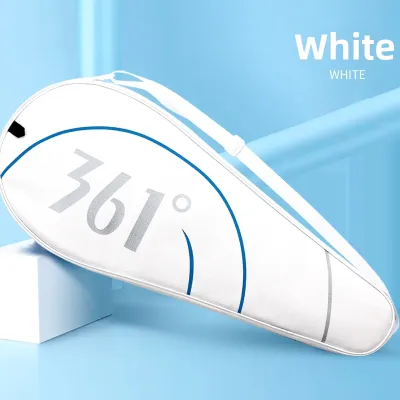
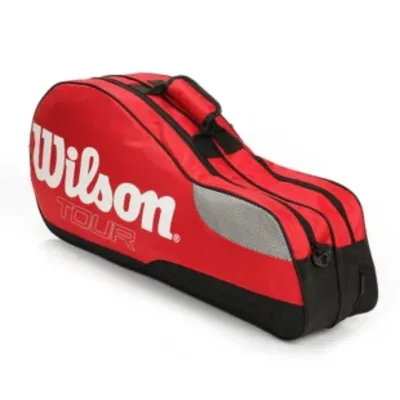
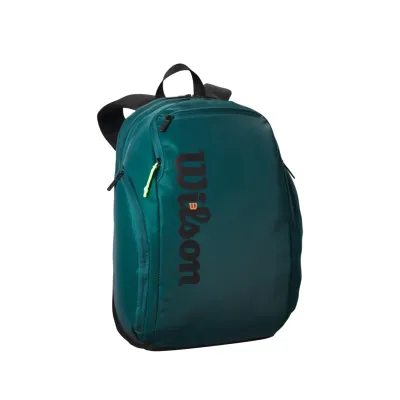
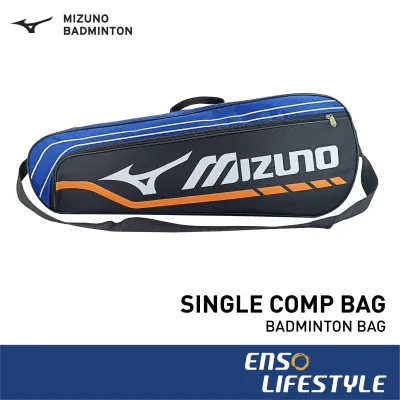
Products mentioned in this guide

![[SG Local Stocks] Yonex Badminton Racket Bag for 3 - 6 Racquets - Single Shoulder Sports Bag with Shuttlecock and Shoe Compartment](https://img.lazcdn.com/g/p/99c03ecf9f899b8f426a17901c3f0770.jpg_400x400q80.jpg_.webp)

Prices are valid at publication and may change. Please refer to the product page for the latest price.
A 3-pack bag is the most compact option and is highly suited for casual players who only own one or two rackets. This size easily accommodates your primary racket, a spare frame, a can of tennis balls, and small personal items like keys and a wallet. Because of its slim profile, a 3-pack bag is lightweight and easy to carry, making it an excellent choice if you travel to the court by foot, bicycle, or public transport. However, it offers very little room for bulky items like a change of clothes or court shoes.
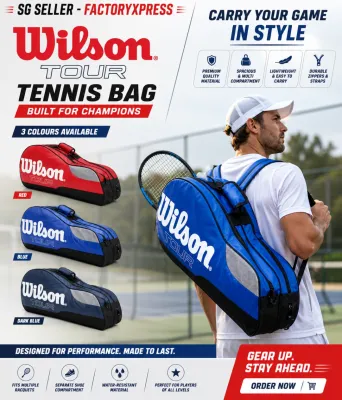
If you prefer to change into your tennis gear at the venue, a 6-pack bag offers a much more versatile layout. These bags typically feature two main compartments, allowing you to dedicate one side entirely to two or three rackets and the other side to your shoes, towel, and clean clothes. This dual-compartment design prevents your clean apparel from coming into contact with dusty racket frames and dirty court gear. It is the ideal size for players who practice multiple times a week and need to carry a complete set of gear.
Larger sizes, such as 9-pack and 12-pack bags, are generally unnecessary for beginners. These high-capacity bags are designed for competitive tournament players who carry four or more identical rackets, multiple changes of shoes, training aids, and extensive medical kits. For someone just starting out, these bags are unnecessarily bulky, heavy, and difficult to store. Choosing a bag that is too large often results in gear sliding around inside, which can cause unnecessary wear and tear on your rackets.
To calculate your ideal capacity, list everything you plan to bring to a typical practice session. If you only need to carry a single racket, a water bottle, and your keys, a compact tennis backpack or a 3-pack bag is perfect. If your checklist includes tennis shoes, a towel, a warm-up jacket, and multiple cans of balls, you should look closely at a 6-pack bag or a specialized multi-compartment backpack to ensure you have enough physical volume.
Evaluate Essential Compartments and Organization
An organized tennis bag saves you from wasting time rummaging through a single large compartment to find small items like dampeners or grip tape. When evaluating different bags, look closely at the internal layout and the presence of specialized compartments. A well-thought-out design keeps your clean gear pristine and ensures your high-value equipment remains protected during transit.

A dedicated shoe compartment is one of the most valuable features to look for in a tennis bag. Tennis courts, whether hard courts or clay, generate a significant amount of dust and grit that clings to the outsoles of your shoes. A separate, ventilated shoe pocket isolates this dirt and prevents unpleasant odors from spreading to your clean towels, spare shirts, and water bottles. Ventilation grommets or mesh panels in this compartment are crucial, as they allow moisture to escape and help your shoes dry out after a sweaty session.
Protecting your rackets from physical damage is another primary function of a quality bag. Look for bags that feature padded racket sleeves or internal dividers within the main compartments. When multiple rackets are placed together without any separation, their frames can rub against each other, leading to paint chips, scratches, and even structural stress on the graphite. Padded dividers keep each frame securely in place, minimizing movement and preventing friction during your commute.
Accessory pockets are essential for keeping track of small personal items and court essentials. Look for a mix of internal and external zippered pockets to store your smartphone, wallet, keys, extra overgrips, and vibration dampeners. Having a dedicated, easily accessible pocket for these items means you will not have to empty your entire bag on the court bench just to find your car keys after a tiring match.
Finally, consider whether the bag offers a wet/dry separation pocket. After a vigorous practice session in warm weather, your shirts, socks, and wristbands will be damp with sweat. A plastic-lined or water-resistant wet pocket allows you to seal these damp items away from the rest of your gear, protecting your dry clothes and preventing moisture from seeping into the padded sections of your rackets.
Check Materials, Durability, and Weather Resistance
A tennis racket bag is an investment that should withstand the rigors of outdoor environments and frequent travel. Inspecting the material composition and construction details before purchasing will ensure your bag lasts for many seasons. Most modern tennis bags are constructed from synthetic fabrics, but the quality and density of these materials can vary significantly.
Start by checking the fabric labels or product specifications for the denier rating, which measures the thickness and density of the individual fibers. Look for bags made from high-denier polyester (such as 600D or higher) or heavy-duty nylon, as these materials offer excellent resistance to tears, abrasions, and scuffs. Ripstop nylon is another excellent option, featuring a reinforced weaving pattern that prevents small punctures from spreading into larger tears.
Pay close attention to the stitching and reinforcement at high-stress areas. The points where the shoulder straps, backpack harnesses, and carrying handles attach to the main body of the bag bear the brunt of the weight when the bag is fully loaded. Look for reinforced cross-stitching or double-stitched seams in these areas to prevent fraying and tearing over time. Additionally, a reinforced, wipe-clean base made from a heavy-duty material like tarpaulin or textured PVC will protect the bottom of your bag when it is placed on rough concrete or damp grass.
Zippers are a common failure point on poorly constructed bags, so it is vital to inspect their quality. Look for thick, self-repairing coil zippers with sturdy metal or molded plastic pulls that glide smoothly without catching on the fabric. Double zippers on the main compartments are highly beneficial, as they allow you to lock the compartments if you need to leave your bag unattended in a clubhouse locker.
Weather resistance is another critical factor, especially if you play in regions prone to sudden rain showers. While very few tennis bags are completely waterproof, many feature water-resistant outer shells or polyurethane coatings that repel light moisture. Check the product tags for water-resistant ratings or protective coatings. A water-resistant exterior ensures that a sudden downpour during your commute will not result in water soaking through to your racket strings, which can ruin their tension and playability.
Prioritize Comfort and Carrying Styles
How you transport your gear to the court is just as important as what you put inside the bag. A bag that is uncomfortable to carry will quickly become a source of frustration, regardless of how many compartments it has. Evaluating the carrying system and ergonomics of a bag ensures that your commute remains comfortable and strain-free.
The three primary carrying styles are backpacks, single shoulder strap duffels, and multi-strap racket bags. Tennis backpacks are incredibly popular among beginners because they distribute weight evenly across both shoulders, keeping your hands free. This style is ideal if you commute by bicycle, scooter, or public transport, as it keeps the load stable and close to your body.
Traditional racket bags, such as 6-pack models, often feature dual adjustable shoulder straps that allow them to be worn like a backpack or carried over a single shoulder. This versatility is highly convenient, allowing you to adapt the carrying style to your journey. Single shoulder straps are common on smaller 3-pack bags, but they can cause uneven muscle strain if you carry a heavy load over long distances. If you choose a single-strap bag, ensure the strap is wide and heavily padded to distribute the pressure across your shoulder.
When inspecting the straps of any tennis bag, look for thick, high-density foam padding covered with breathable mesh fabric. This design cushions the load against your collarbones and shoulders while promoting airflow, which helps prevent sweat build-up during warm commutes. Adjustable straps are essential for customizing the fit to your body height and frame, ensuring the bag sits comfortably against your back without sagging or swaying.
Finally, consider the empty weight and overall balance of the bag. A bag that is heavy before you even pack your gear will place unnecessary strain on your body. Look for lightweight, structured designs that maintain their shape even when partially empty. When trying on a bag, pay attention to how the weight is distributed; a well-balanced bag should not pull you backward or feel excessively top-heavy when your rackets are inserted.
Build Your Beginner Shortlist and Final Checks
Once you understand the key features and sizes, you can begin building a shortlist of potential bags that fit your needs and budget. Setting a realistic budget is an excellent way to narrow down your options. For a beginner in Singapore, a reliable, high-quality tennis bag typically ranges from S$30 to S$80 for a backpack or a 3-pack bag, while more advanced 6-pack bags with specialized compartments generally cost between S$80 and S$130.
When browsing online sports retailers or official brand websites, use the filtering tools to sort options by capacity, carrying style, and price. Avoid the temptation to buy cheap, unbranded bags from generic online marketplaces, as these often use low-grade zippers and thin fabrics that wear out within a few months of regular use. Investing slightly more in a reputable sports brand ensures better materials, ergonomic design, and overall longevity.
Before making your final purchase, always verify the retailer’s return policy and the manufacturer’s warranty terms. A reliable warranty should cover manufacturing defects, such as broken zippers, split seams, or failing strap attachments, for at least six months to a year. Knowing you can easily exchange a defective product provides valuable peace of mind.
Before checking out, run through a final physical or specification checklist to ensure the bag meets all your requirements:
- Confirm the physical dimensions of the bag to ensure it fits comfortably into your gym locker, car boot, or home storage space.
- Double-check that the racket compartment is long enough to fully enclose your specific racket model, as some oversized frames require extra clearance.
- Verify that the shoulder straps are fully adjustable and feature adequate padding.
- Count the number of zippered compartments to ensure you have dedicated spaces for your shoes, clean clothes, and small personal items.
Frequently Asked Questions (FAQ)
Do I need a thermal-lined compartment for my rackets?
Thermal lining is designed to protect racket frames and strings from extreme temperature fluctuations, which can cause strings to lose tension quickly or cause the frame materials to expand and contract. For beginners, this feature is rarely a strict necessity unless you regularly leave your bag in a hot car trunk or play in climates with extreme temperature swings. If you store your tennis bag indoors at room temperature and carry it directly to the court, a standard padded racket compartment will provide more than enough protection for your gear.
Can I use a regular backpack instead of a dedicated tennis bag?
While you can use a standard school or travel backpack for your first few tennis lessons, it is not an ideal long-term solution. Regular backpacks lack the specific shape and length required to support a tennis racket, which often leaves the handle sticking out of the top zipper. This exposure leaves your grip vulnerable to dirt, moisture, and accidental damage during transit. Furthermore, standard backpacks rarely feature isolated compartments for dirty court shoes or wet towels, increasing the risk of spoiling your clean clothes and personal electronics. Upgrading to a dedicated tennis bag ensures your racket frame is fully supported and your gear remains clean and organized.
Community discussion
Share your experience or ask a question. Comments are reviewed before publication.