
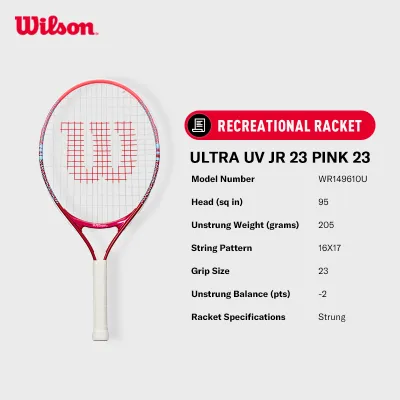
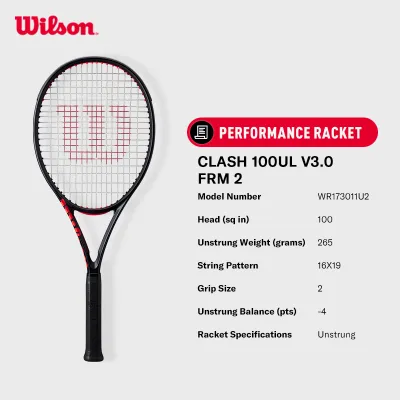
Beginners should focus on three primary specifications: a larger head size (typically 100 to 105 square inches) for a generous sweet spot, a lighter unstrung weight (around 260 to 285 grams) for easy maneuverability, and a comfortable grip size determined by a simple physical check. Prioritizing these specifications over the advanced, heavy setups used by professional players ensures you can develop proper swing mechanics without straining your wrist or elbow.
Why Racket Specs Matter for Your First Purchase
Selecting a tennis racket based solely on aesthetics or professional player endorsements often leads to frustration on the court. Professional players use highly customized, heavy rackets designed for athletes who can generate immense swing speed and precise ball control. For a beginner, wielding a heavy or stiff frame can quickly lead to arm fatigue, poor timing, and even chronic injuries like tennis elbow.
A mismatched racket hinders your ability to learn the game. If the frame is too heavy, your swing slows down, making it difficult to hit the ball cleanly in front of your body. Conversely, a racket that is too light or poorly balanced can feel unstable when contacting the ball, forcing you to compensate by gripping the handle too tightly.
Products mentioned in this guide
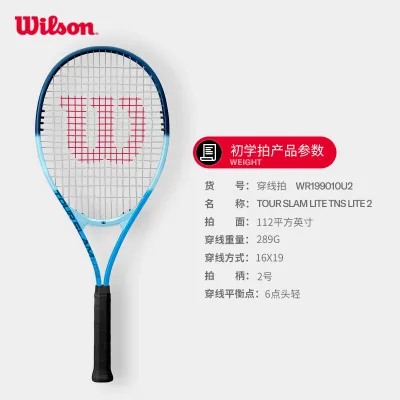
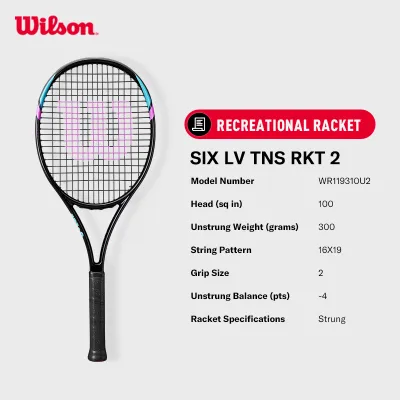
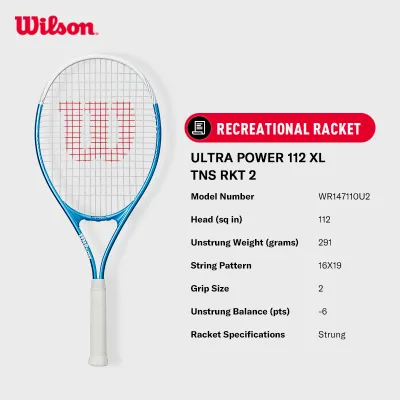
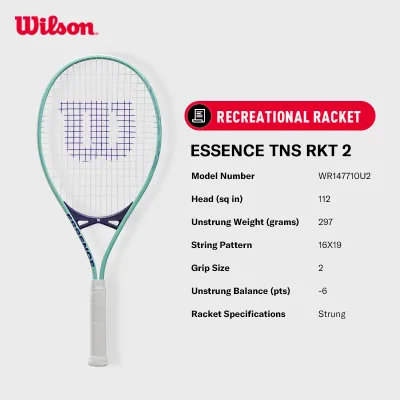
![[Limited Edition] Wilson Triumph SE Sakura Tennis Recreational Racket (Strung) WR175910U](https://img.lazcdn.com/g/p/4c8d2065be0c3d3c63ec272961a95faf.jpg_400x400q80.jpg_.webp)
![[Best Selling] Wilson Intrigue SE Sakura Tennis Recreational Racket (Strung) WR169410U2](https://img.lazcdn.com/g/p/14994de94e6254b702ab8ad04058d6ab.jpg_400x400q80.jpg_.webp)
Prices are valid at publication and may change. Please refer to the product page for the latest price.
Your first racket should act as a learning tool rather than a permanent solution. Its primary job is to provide a forgiving response that helps you build consistent contact, develop proper swing paths, and enjoy longer rallies. As your technique improves and your muscles adapt to the sport, you can eventually transition to more specialized equipment.
Decoding the Core Specifications
When browsing tennis rackets, you will find a series of numbers printed directly on the frame, usually along the inside of the throat or the shaft. These numbers represent the physical blueprint of the racket, detailing its head size, unstrung weight, balance point, and string pattern.

Understanding these measurements allows you to predict how the racket will behave before you even step onto the court. Instead of guessing how a frame feels, you can use these specifications to filter out options that are too demanding or physically taxing for your current skill level.
Head Size and the Sweet Spot
Head size refers to the total surface area of the string bed, typically measured in square inches or square centimeters. Rackets generally fall into three categories: midsize (under 97 square inches), mid-plus (98 to 105 square inches), and oversize (over 105 square inches).
A larger head size provides a larger “sweet spot,” which is the central area of the string bed that delivers the most power and comfort upon impact. For beginners, this extra surface area offers crucial forgiveness on off-center hits, helping to keep the ball in play even when your timing is slightly off.
While smaller head sizes offer greater precision and control for advanced players with highly consistent swings, they require precise contact to generate depth. Starting with a mid-plus or oversize racket builds confidence by ensuring your shots clear the net more consistently during early practice sessions.
Weight and Maneuverability
Racket weight directly influences how easy the frame is to swing and how stable it feels when contacting the ball. When comparing specifications, pay close attention to whether the listed weight is “unstrung” or “strung,” as strings typically add about 15 to 20 grams to the overall package.
Lighter rackets, generally weighing between 260 and 285 grams unstrung, are highly maneuverable. They allow beginners to react quickly, swing the racket fully, and practice correct stroke mechanics without feeling weighed down.
Heavier frames provide more stability and shock absorption when facing fast, heavy balls, but they require significant physical strength to swing repeatedly. For your first purchase, prioritize a weight that you can comfortably swing for an entire hour-long session without experiencing wrist, elbow, or shoulder fatigue.
Balance and Swing Feel
Balance refers to how the weight is distributed along the length of the racket. Even if two rackets have the exact same total weight, they can feel completely different during a swing depending on whether that weight is concentrated in the head or the handle.
Rackets are classified as head-light, even, or head-heavy. A head-light balance concentrates weight toward the handle, making the racket feel nimble and easy to maneuver, which is particularly helpful when reacting quickly to volleys at the net.
A head-heavy balance places more weight in the hoop, which helps generate natural power and depth on groundstrokes from the baseline. For beginners, an even-balance or slightly head-light racket often provides the best compromise, offering a blend of easy swing speed and stable power.
Finding the Right Grip Size
Choosing the correct grip size is essential for preventing hand fatigue and avoiding common injuries like tennis elbow. Grip sizes are typically measured by the circumference of the handle, ranging from size 1 (4 1/8 inches) to size 5 (4 5/8 inches) in standard measurements.
To check your grip size physically, use the classic “finger test.” Hold the racket handle with a normal eastern grip (as if shaking hands with the racket). There should be just enough space in the gap between your ring finger and the palm of your hand to fit the index finger of your other hand.
If the gap is too small, the grip is too small, which can cause you to squeeze too tightly to keep the racket from twisting. If the gap is too wide, the grip is too large, making it difficult to snap your wrist. A safe strategy is to choose a slightly smaller grip size, as you can easily increase the handle size by wrapping a tennis overgrip around it, whereas a grip that is too large cannot be easily reduced.
How to Test and Verify Your Choice Before Buying
Before finalizing your purchase, it is highly beneficial to test the racket physically. Many local tennis shops and sports retailers offer demo programs that allow you to rent or borrow a racket for a few days to try it out on a local court.
When testing a racket, pay close attention to how your arm feels during and after play. If you experience any immediate pinching, pulling, or dull aches in your wrist, elbow, or shoulder, the racket may be too heavy, too stiff, or poorly balanced for your current physical conditioning.
Always verify the exact specifications on the manufacturer’s official website or the product tag attached to the frame. Ensure the physical racket you are holding matches the target specifications you researched, as minor variations in model names can sometimes lead to purchasing a much heavier tour-level version by mistake.
Frequently Asked Questions (FAQ)
Should beginners buy pre-strung or unstrung rackets?
Pre-strung rackets are highly convenient and cost-effective for beginners, as they come ready to play straight off the shelf. They are typically strung with durable synthetic gut strings at a moderate tension, which is perfect for learning the basics. As your skills progress and you develop specific preferences for spin, control, or comfort, you can transition to an unstrung frame and consult a professional stringer to customize your string type and tension.
Does the racket material matter for a first-time buyer?
Yes, the material significantly affects the racket’s durability, weight, and vibration dampening. Entry-level rackets made of aluminum are inexpensive but can transmit harsh vibrations to your arm. For better comfort and performance, look for composite or full-graphite frames; graphite is lightweight and absorbs shock much more effectively, helping to protect your joints during long practice sessions.

Community discussion
Share your experience or ask a question. Comments are reviewed before publication.