
Selecting the ideal 1500ml insulated sports water bottle is not a matter of finding a single dominant brand, but rather understanding how specific design elements match your hydration needs. At a capacity of 1.5 litres, a full bottle weighs over 1.5 kilograms, making structural durability and carrying comfort just as critical as thermal performance. Because standardized, independent third-party testing across all major brands is rarely available, making an informed choice requires looking past marketing claims and evaluating the physical construction of the bottle.
To secure the best temperature retention for your workouts, you must prioritize bottles with robust double-wall vacuum construction, high-quality lid seals, and verified manufacturer hour-ratings. In tropical climates like Singapore, where ambient temperatures frequently hover around 30°C to 32°C, these structural details determine whether your water remains ice-cold during an outdoor session or quickly warms to room temperature. Rather than relying on brand prestige, your decision should rest on how a bottle’s lid design, material quality, and carrying mechanisms align with your specific sport.
What Actually Determines Insulation Performance?
To understand why some bottles outperform others, it helps to look at the physics of thermal retention. Double-wall vacuum insulation is the primary technology used to keep liquids cold or hot. This design features an inner and an outer stainless steel vessel welded together, with the air evacuated from the space between them. Because a vacuum contains no air molecules, it virtually eliminates heat transfer via conduction and convection, preventing the outside air temperature from affecting the liquid inside.
Products mentioned in this guide
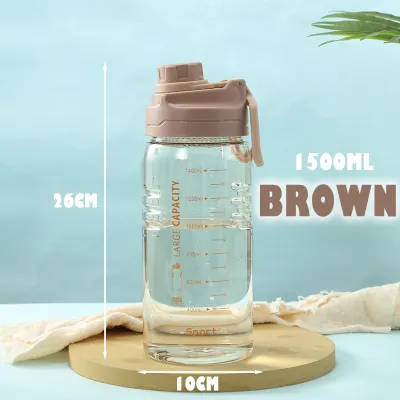
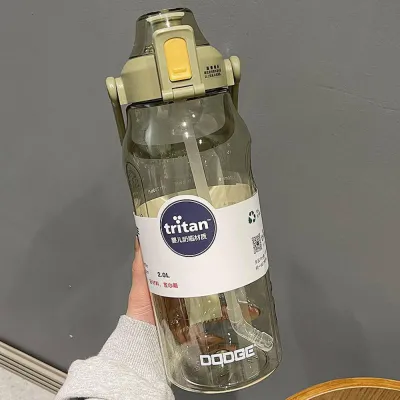
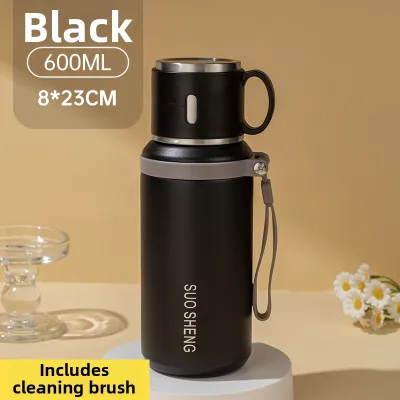
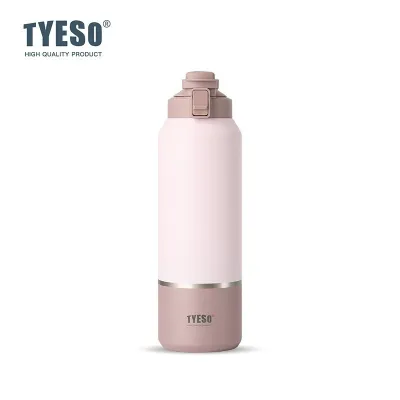
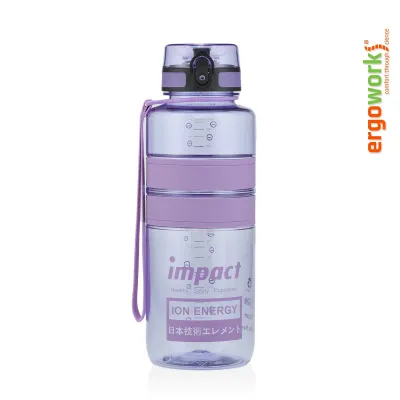
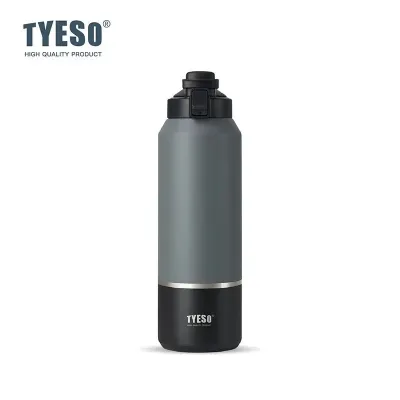
Prices are valid at publication and may change. Please refer to the product page for the latest price.
While the vacuum layer stops conduction and convection, radiative heat loss can still occur. High-performance insulated bottles address this by incorporating a thin reflective lining, often made of copper or silver, on the outer surface of the inner steel wall. This reflective barrier bounces radiant heat away from the bottle’s interior, further extending the duration that your water stays chilled during long training sessions.
Regardless of how advanced the stainless steel body is, the lid remains the primary point of thermal escape. Plastic, silicone, and rubber do not possess the same insulating properties as a vacuum-sealed steel wall. Heat slowly penetrates the bottle through the cap and the drinking spout, meaning that a bottle with a large, uninsulated plastic lid will lose its temperature much faster than one with a low-profile, insulated screw cap.
Design Trade-Offs When Carrying 1500ml
Opting for a 1500ml capacity provides ample hydration for extended workouts, but it introduces significant physical trade-offs. A full 1500ml bottle weighs approximately 1.5kg from the water alone, plus an additional 500g to 700g for the heavy-duty double-walled steel frame. Carrying a total weight of over 2kg requires a highly durable handle and a secure grip, as dropping a heavy steel bottle can easily dent the outer wall and compromise the vacuum seal.

Furthermore, the physical dimensions of a 1.5-litre bottle are substantial. Most models feature a base diameter ranging from 9cm to 11cm to maintain stability and prevent tipping. This wide profile means the bottle will not fit into standard car cup holders, treadmill console slots, or typical bicycle bottle cages, forcing you to carry it in a backpack side pocket or lay it horizontally on a gym mat.
Lid Mechanisms and Temperature Retention
The style of lid you choose directly impacts both the ease of drinking during active exercise and the bottle’s overall thermal efficiency.
- Screw-Top Insulated Caps: These lids offer the highest level of thermal retention. Because they are typically filled with insulating foam and seal directly against the steel neck with a thick silicone gasket, they minimize heat transfer. However, they require two hands to unscrew, which can interrupt your momentum during high-intensity training.
- Flip-Top and Straw Lids: Designed for rapid, one-handed hydration, these lids are highly convenient for cycling or weightlifting. The trade-off is that the straw mechanism and folding joints introduce tiny air pathways and non-insulated plastic surfaces. In humid environments, you will often notice condensation forming around these plastic parts, indicating that heat is slowly entering the bottle.
- Chug Caps: Serving as a middle ground, chug caps feature a narrow, threaded spout covered by a small cap. This design allows for rapid drinking without exposing the entire wide mouth of the bottle to ambient air, preserving the internal temperature better than a straw lid while remaining easier to use than a full screw-top.
Handles and Straps for Heavy Loads
Managing a heavy 1.5kg payload requires a carrying solution that will not fail under tension or cause hand fatigue.
- Integrated Rigid Handles: Often molded directly into the lid or secured via a heavy-duty steel collar around the neck, rigid plastic or metal handles offer maximum control and durability. They allow you to carry the heavy bottle securely with two or three fingers, though they can make the bottle bulkier to pack inside a tight gym bag.
- Flexible Paracord or Silicone Straps: These flexible loops offer a comfortable grip and make it easy to clip the bottle to a backpack using a carabiner. However, under the constant strain of a full 1.5kg load, silicone can stretch over time, and fabric cords can absorb sweat and dirt, requiring regular washing to prevent odors.
- Base Bumpers: A silicone boot or bumper fitted to the bottom of the bottle is highly recommended for large capacities. It cushions the impact when you set the heavy bottle down on hard gym floors or concrete, protecting the bottom weld from damage that could ruin the vacuum insulation.
How to Read and Verify Insulation Labels
When shopping for a 1500ml water bottle, you will encounter various temperature claims on the packaging, such as “keeps cold for 24 hours” or “keeps hot for 12 hours.” It is important to recognize that hot liquid retention ratings are almost always shorter than cold ratings. This is because the temperature difference between boiling water (100°C) and room temperature (around 25°C) is much greater than the difference between ice water (0°C) and room temperature, causing heat to escape more rapidly.
To verify these claims, check if the manufacturer provides details about their testing conditions. Reliable ratings typically assume the bottle is pre-chilled with ice water before being filled, kept completely sealed throughout the test period, and maintained in a temperature-controlled indoor environment. If you plan to use the bottle outdoors in direct sunlight, expect the actual cold retention time to be shorter than the advertised maximum.
Additionally, inspect the material specifications of both the body and the lid. High-quality insulated bottles are constructed from 18/8 (304 grade) food-grade stainless steel, which resists rust and prevents metallic tastes. The plastic components in the lid must be labeled as BPA-free and made from durable polymers like polypropylene (PP #5) to ensure they can withstand daily wear and washing without degrading.
Decision Framework: Which Setup Fits Your Workout?
To select the right 1500ml insulated bottle setup, evaluate your primary workout environment and hydration habits against the following criteria:
- Choose a screw-top insulated lid if: You participate in long outdoor activities, such as day hikes, beach sports, or all-day tournaments. In these settings, keeping your water ice-cold for 12 to 24 hours is the top priority, and you have the time to stop and unscrew a cap to drink.
- Choose a straw or flip-top lid if: Your workouts consist of indoor gym sessions, HIIT, or weightlifting. In these environments, you need to take quick sips between sets without breaking your focus, and the bottle will likely be refilled within two to three hours, making absolute maximum thermal retention less critical.
- Verify your carrying method first if: You plan to transport the bottle in a commuter bag or backpack. Measure the side pockets of your bag and compare them against the bottle's specified base diameter. A 1500ml bottle with a diameter exceeding 10cm may require a dedicated internal compartment or a heavy-duty external strap.
- Consider a smaller size if: You need a bottle that must fit into standard bicycle cages, cup holders, or cardio machine slots. If your activity relies on these standard holders, a 1500ml bottle will be too wide, and you may need to opt for a 950ml (32oz) or smaller model to ensure compatibility.
Frequently Asked Questions (FAQ)
Does a larger 1500ml volume keep drinks cold longer?
Yes, a larger volume of cold liquid retains its temperature longer than a smaller volume, assuming both bottles use the same insulation technology and lid style. This is due to thermal mass; a larger body of cold water requires more heat energy to warm up. However, this thermal advantage only holds true if the bottle remains sealed. If you open the bottle frequently, ambient air enters the chamber, accelerating the warming process regardless of the volume.
Can I put hot liquids in a sports bottle with a straw lid?
No, you should avoid putting hot liquids in any bottle equipped with a straw or flip-top lid. When hot liquid is sealed inside an insulated bottle, steam creates pressure within the chamber. When you flip open the spout or release the straw valve, this pressure can cause hot liquid to spray out forcefully, posing a serious burn risk. For hot beverages, always use a standard, vented screw-top lid designed to release pressure safely.
Community discussion
Share your experience or ask a question. Comments are reviewed before publication.