
When choosing a 2L sports water bottle to keep your drinks cold during long workouts, comparing insulation performance requires looking beyond flashy marketing claims. The actual temperature retention of any large-capacity bottle depends on its structural engineering, lid design, and how you use it in your daily environment. While many brands promise all-day ice-cold drinks, the real-world performance varies significantly based on whether the bottle uses true double-wall vacuum insulation and how often you open the lid. To make an informed choice, you must evaluate these physical specifications rather than relying on unverified laboratory hours printed on the packaging.
Quick Answer: Evaluating Insulation Claims for 2L Water Bottles
Finding a definitive, universal winner among 2L water bottles is challenging because standardized, independent third-party testing under identical real-world conditions is rarely available to consumers. Most manufacturer claims are based on controlled laboratory environments where the bottle remains sealed in a temperature-regulated room. In contrast, your actual workout involves frequent opening, exposure to direct sunlight, and varying ambient temperatures.
To establish a reliable baseline for cold retention, prioritize double-wall vacuum insulation as a non-negotiable requirement. Any bottle lacking this specific vacuum barrier will fail to maintain cold temperatures for more than a few hours, especially in warm climates. Additionally, keep in mind that the lid design and drinking mechanism are often the primary sources of heat transfer during active use, sometimes compromising the temperature faster than the insulated body itself.
Products mentioned in this guide
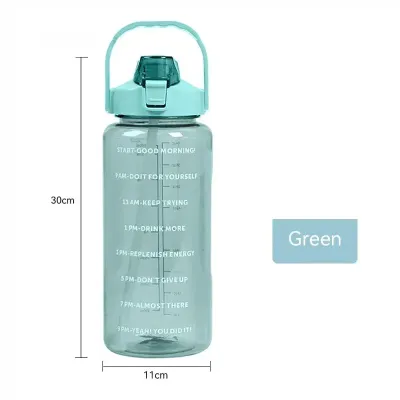
![[SG Stock] 2L Large Capacity Transparent Water Bottle 2000ML Fitness Gym Mega Bottle With Straw Outdoor Sport](https://img.lazcdn.com/g/p/e8a81bf3622521d2f17867a260f6135c.png_400x400q80.png_.webp)
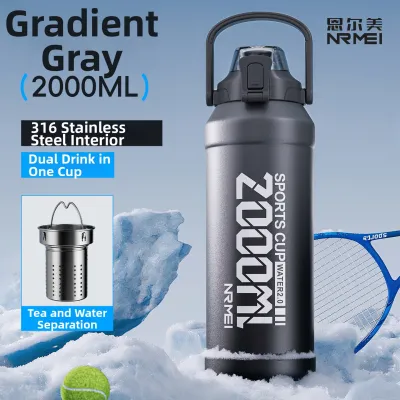
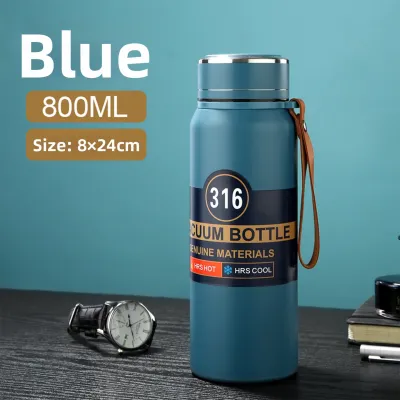
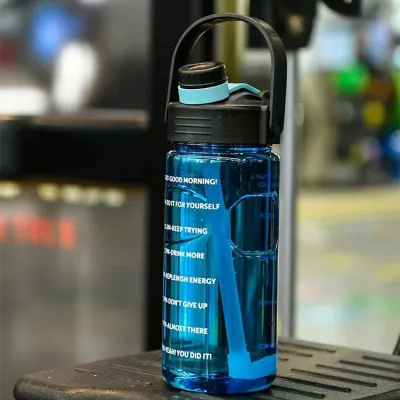
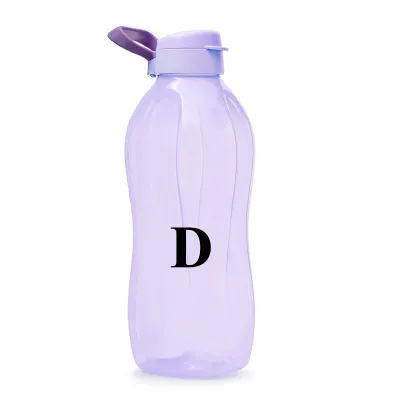
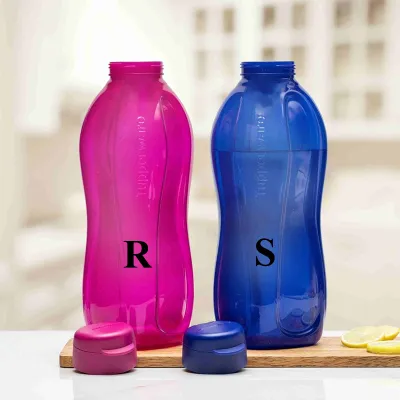
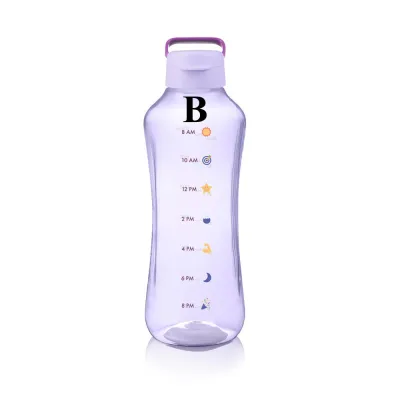
Prices are valid at publication and may change. Please refer to the product page for the latest price.
Key Specifications to Check for Cold Retention
When comparing different 2L sports water bottles, the first and most critical specification to verify is the presence of double-wall vacuum insulation. This construction features an inner and outer wall of stainless steel with the air evacuated from the space between them. Because a vacuum contains no air molecules, it prevents heat transfer by conduction and convection, keeping the external heat from reaching your cold beverage. Be careful to distinguish this from basic double-wall non-vacuum designs, which merely use an air gap or foam layer and offer significantly lower thermal resistance.

You should also examine the manufacturer’s stated cold-retention hours, but treat these figures as a relative benchmark rather than an absolute guarantee. These ratings typically indicate how long ice takes to melt completely or how long water remains below a specific temperature in a static, indoor test. While a bottle rated for 24 hours of cold retention will generally outperform one rated for 12 hours, your actual results will depend heavily on how many times you open the bottle and the initial temperature of your drink.
Finally, do not overlook the physical trade-offs of high-performance insulation in a 2L capacity. A true double-wall vacuum insulated bottle of this size is inherently bulky and heavy, even when empty. Before purchasing, verify the empty weight and external dimensions listed by the manufacturer. A fully filled 2L insulated bottle weighs over two kilograms, so ensure you are comfortable with the physical footprint and carrying requirements before prioritizing maximum thermal performance.
How Lid Design and Wall Construction Affect Temperature
While the body of a 2L bottle provides the bulk of the insulation, the lid is almost always the weakest thermal link. Solid, insulated screw-top lids offer the most effective seal because they contain a thick barrier of insulating material and minimize the surface area exposed to the outside air. These lids create a tight, airtight seal that prevents warm air from entering, making them the ideal choice when your primary goal is keeping water cold for as long as possible.
In contrast, convenient drinking mechanisms like flip-tops, built-in straws, or push-button spouts introduce thermal weak points. These lids often feature thinner plastic walls, multiple joints, and silicone valves that allow heat to slowly seep into the bottle. Every time you flip open a spout or sip through a straw, you introduce ambient air directly into the container. While these designs are highly convenient for quick hydration during high-intensity workouts, they inevitably cause the internal temperature to rise faster than a simple, solid screw-top lid.
The wall construction also directly influences external condensation, commonly known as sweating. High-quality double-wall vacuum insulation ensures that the exterior surface of the bottle remains at room temperature, regardless of how cold the liquid is inside. A sweat-proof exterior is essential for maintaining a secure grip during workouts and protecting the contents of your gym bag from moisture damage. If you notice condensation forming on the outside of a bottle, it indicates a failure or absence of a true vacuum seal.
Additionally, the width of the bottle’s mouth plays a significant role in temperature management. Wide-mouth openings make it incredibly easy to load large ice cubes, which helps maintain a low starting temperature. However, a wider opening also allows a larger volume of warm air to enter every time you unscrew the lid. Narrow-mouth designs restrict this heat exchange during drinking but can make adding ice a tedious process.
Matching Insulation Levels to Your Workout Environment
Your choice of insulation should align closely with where and how you train. For indoor gym sessions, air-conditioned fitness centers, or short studio classes, you might not require the absolute highest level of thermal performance. In these environments, a slightly lighter bottle with a convenient straw lid may be more practical, as you can easily refill it with chilled water from a water cooler if needed, and the ambient temperature remains stable.
Conversely, outdoor activities like field sports, hiking, or long days at the beach demand maximum insulation. In Singapore’s tropical climate, high ambient temperatures and intense humidity will rapidly warm any poorly insulated container. The extreme temperature differential between your ice-cold drink and the humid outdoor air makes a robust double-wall vacuum seal absolutely essential to prevent rapid warming and excessive external condensation. For these demanding settings, a solid, fully insulated screw-top lid is highly recommended.
You must also evaluate how you plan to transport a fully loaded 2L bottle. Because a filled bottle is heavy, look for models equipped with sturdy, integrated carry handles, paracord loops, or dedicated shoulder straps. Ensure that any carrying sleeve or backpack pocket you use does not compress the bottle or put undue pressure on the lid mechanism, which could compromise the seal and lead to leaks or accelerated heat transfer.
Decision Framework: Choosing the Right 2L Bottle for Your Needs
To select the ideal 2L sports water bottle, use the following structured decision rules based on your primary activities and preferences:
- For Maximum Cold Retention: If you spend long hours outdoors, work in non-air-conditioned environments, or want ice to last all day, choose a heavy-duty, double-wall vacuum insulated bottle. Pair it with a solid, insulated screw-top lid to minimize heat transfer, and accept the extra weight as a necessary trade-off for superior thermal performance.
- For High-Intensity Indoor Workouts: If you need quick, frequent sips during gym sessions or indoor sports, prioritize convenience. Opt for a double-wall insulated bottle featuring a straw or flip-top lid. While this setup may allow the temperature to rise slightly faster over several hours, the ease of drinking on the move outweighs the minor loss in insulation.
- For Portability and Storage: Before focusing on advanced insulation specifications, measure your gym bag, bicycle cages, or vehicle cup holders. A 2L insulated bottle is exceptionally wide and will not fit in standard cup holders or small side pockets. Ensure the physical dimensions and carrying handle design align with your daily commute and storage options.
Frequently Asked Questions (FAQ)
Does pre-chilling the bottle improve cold retention?
Yes, pre-chilling the inner stainless steel wall can noticeably improve how long your drink stays cold. When you pour a cold beverage into a room-temperature bottle, some of the drink’s coolness is immediately absorbed by the metal walls, slightly raising the initial liquid temperature. By rinsing the empty bottle with ice water or storing it in a cool, shaded place for a few minutes before filling, you lower the temperature of the inner steel, reducing this initial heat transfer. However, never place a sealed insulated bottle in the freezer; as liquids expand when freezing, they can permanently deform the metal, damage the vacuum seal, and void the manufacturer’s warranty.
How should I clean an insulated 2L bottle to maintain its performance?
To preserve the integrity of the vacuum seal and the exterior finish, hand-washing is highly recommended. Use warm water, mild dish soap, and a soft-bristled bottle brush that can easily reach the bottom of the 2L container. Avoid harsh abrasive pads or chlorine-based bleach, which can scratch the protective lining of the stainless steel. Always check the manufacturer’s care label before placing any part of the bottle in a dishwasher, as the high heat and intense water pressure of dishwasher cycles can degrade the vacuum seal and warp the silicone gaskets in the lid. Finally, disassemble all lid components, straws, and gaskets, allowing them to dry completely to prevent mold and mildew from building up in hard-to-reach crevices.
Community discussion
Share your experience or ask a question. Comments are reviewed before publication.