
To compare yoga belt brands effectively, you must evaluate three primary pillars: material composition, buckle design, and structural durability. While many straps look identical on an online marketplace, their performance, comfort, and safety profile diverge significantly under tension. Choosing the right belt requires matching these physical attributes to your specific style of practice, body size, and skin sensitivity, rather than relying on brand names or aesthetic designs alone.
A high-quality yoga belt acts as an extension of your limbs, helping you maintain proper alignment without straining. However, a poorly constructed belt can slip, stretch, or irritate your skin, disrupting your focus. By understanding the nuances of fabric weaves, buckle mechanisms, and stitching reinforcements, you can select a durable tool that safely supports your practice for years to come.
Evaluating Material Quality Across Yoga Belts
The material of your yoga belt directly influences its grip, comfort, and how it feels against your skin during deep, tension-heavy stretches. Most brands manufacture belts from either natural fibers, such as cotton and hemp, or synthetic materials like nylon and polyester. Each material offers distinct physical properties that suit different practice environments and personal preferences.
Products mentioned in this guide
Prices are valid at publication and may change. Please refer to the product page for the latest price.
Natural cotton is the traditional choice for yoga straps and remains highly favored for its exceptional grip and soft texture. Cotton fibers naturally absorb moisture, which helps prevent the strap from slipping through your hands when your palms sweat. This material is gentle on the skin, minimizing the risk of friction burns during transitions. For those with sensitive skin, organic cotton belts offer a chemical-free alternative that is soft right out of the box. Hemp is another natural option that is incredibly durable and resistant to mold, though it can feel stiff initially and requires a breaking-in period to soften.
Synthetic materials, such as nylon and polyester, are prized for their high tensile strength and lightweight nature. These belts are highly resistant to abrasion and do not stretch under heavy loads, ensuring consistent support. However, synthetics can feel slick, especially when wet with sweat, which may compromise your grip during intense practices. Additionally, if a synthetic strap slips quickly through your hands under tension, the friction can cause uncomfortable skin irritation or minor burns.
Beyond the raw material, the weave tightness and edge finishing are critical indicators of quality. A loose weave will stretch and warp over time, reducing the belt’s reliability. Look for a dense, tight weave—such as a twill or herringbone pattern—which provides structural stability and a comfortable, textured grip. The edges of the belt should be smooth and tightly bound; rough or frayed edges can scrape your skin during active use. Always check the manufacturer’s label for the exact material composition, width, and thickness to ensure the belt meets your physical needs.
Choosing the Right Buckle Type for Your Practice
The buckle is the mechanism that secures your yoga belt into a loop, and its design determines how easily you can adjust the strap and how well it holds under tension. Brands generally offer three main buckle styles: metal D-rings, plastic quick-release clips, and metal cinch buckles. Selecting the right one depends on your need for security versus convenience.

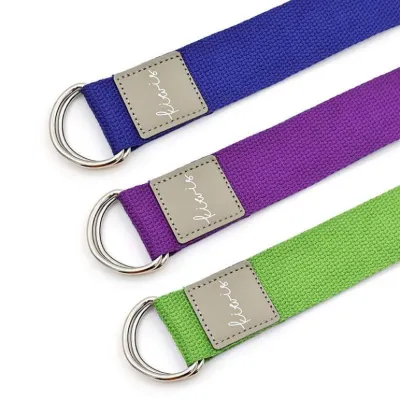
Metal D-ring buckles are the most reliable and traditional option. They consist of two D-shaped metal rings sewn into one end of the strap. To secure the belt, you thread the loose end through both rings, loop it back over the first, and tuck it under the second. This friction-based design has no moving parts to break or wear out, and it naturally tightens as more tension is applied. This makes D-rings exceptionally secure for heavy load-bearing poses where slippage could lead to a fall or muscle strain.
Plastic quick-release buckles, similar to those found on backpacks, offer unmatched convenience and speed. They allow you to clip and unclip the belt with one hand, making them ideal for dynamic flow classes where you need to transition quickly between poses. However, plastic is inherently less durable than metal. Over time, the plastic teeth can wear down, leading to slippage under high tension. Furthermore, plastic buckles can crack if accidentally stepped on in a busy studio or home practice space.
The physical weight and profile of the buckle also impact your comfort during floor-based practices. A heavy, bulky metal buckle can cause discomfort or bruising if it ends up pressed against your back, hip, or spine during restorative poses. If you frequently practice floor poses where you lie on the strap, look for a flat-profile metal buckle or a lightweight plastic alternative. Conversely, if your practice involves standing balances and deep hamstring stretches where the buckle remains suspended, a sturdy metal D-ring is the superior choice.
Assessing Durability and Long-Term Value
A durable yoga belt should withstand years of regular stretching, pulling, and washing without fraying or losing its structural integrity. Because you cannot always test a belt’s strength before purchasing, you must rely on observable structural indicators to estimate its lifespan and overall value.
The most critical area to inspect is the stitching that attaches the buckle to the strap. High-quality brands use reinforced stitching patterns, such as bar-tacks (dense, parallel rows of stitching) or box-X patterns (a square with an intersecting X). These patterns distribute tension evenly across the fabric, preventing the threads from snapping under heavy loads. Simple straight stitching is a common failure point on cheaper belts and should be avoided, as it can easily unravel under pressure.
Next, examine the ends and edges of the strap. Synthetic straps must have heat-sealed ends to prevent the fibers from unraveling over time. For cotton and hemp straps, look for clean, folded-over hems that are securely stitched down, or reinforced binding along the edges. If you notice loose threads, uneven stitching, or frayed edges right out of the packaging, the belt is unlikely to survive long-term use.
While physical inspection is paramount, manufacturer policies can also guide your decision. Brands that offer multi-year warranties or satisfaction guarantees demonstrate confidence in their product’s durability. While a warranty does not prevent wear, it serves as a reliable secondary indicator that the manufacturer has used high-grade materials and robust construction methods.
Decision Framework: Matching Belt Attributes to Practice Needs
To finalize your choice, you must match the physical attributes of the yoga belt to your specific style of practice, body measurements, and safety requirements. No single belt is perfect for every practitioner, so identifying your primary needs is key to making a smart investment.
If you practice Iyengar, Yin, or restorative yoga, prioritize a 100% cotton belt equipped with a metal D-ring buckle. These styles require holding poses for extended periods under significant tension, where absolute security and a non-slip grip are essential. The natural texture of cotton ensures your hands won’t slip, while the metal D-ring guarantees the loop will not budge, allowing you to relax fully into the stretch.
If you practice dynamic Vinyasa, power yoga, or travel frequently, a lightweight nylon or polyester belt with a quick-release buckle is highly suitable. These materials pack down tightly, dry quickly in humid climates, and allow for rapid, one-handed adjustments during fast-paced sequences. The lightweight design also makes them easy to carry in a yoga bag without adding unnecessary bulk.
Before making a purchase, always verify your physical compatibility with the belt. Standard belts are typically 6 feet (approx. 1.8 meters) long, which is sufficient for most practitioners of average height. However, if you are taller or have limited flexibility, an 8-foot or 10-foot strap is necessary to comfortably reach your feet without straining your shoulders. Additionally, if you have sensitive skin, verify that the belt is free from synthetic dyes or rough textures that could cause irritation.
Finally, always prioritize safety by checking the manufacturer’s guidelines. A standard yoga belt is designed as a passive stretching aid to assist with flexibility and alignment. Never use a yoga belt to suspend your body weight from doors, ceiling hooks, or wall anchors unless the product is explicitly certified for suspension training and you have verified the structural integrity of your anchor points.
Frequently Asked Questions (FAQ)
How long should a good yoga belt last?
A well-constructed yoga belt used a few times a week should easily last between three to five years, though its actual lifespan depends on the material, tension levels, and care. Natural cotton straps are highly durable but can degrade over time if exposed to constant sweat and moisture without proper drying. Synthetic straps generally last longer without wearing down, but their plastic buckles may fail sooner than metal D-rings.
To ensure your safety, regularly inspect your belt for visible warning signs of degradation. Look for fraying along the edges, thinning or stretching of the weave, and loose or broken stitches near the buckle attachment point. If you notice any of these structural compromises, or if a plastic buckle shows signs of cracking, retire the belt immediately to prevent sudden snapping during a pose.
Can I wash my yoga belt in a washing machine?
Yes, most yoga belts can be washed, but the correct method depends on the material and buckle type to prevent shrinkage, warping, or damage. Synthetic belts made of nylon or polyester are generally machine-washable on a gentle, cold-water cycle. Always place the belt inside a mesh laundry bag before washing to prevent the metal or plastic buckle from scratching the machine drum or tangling with other garments.
Natural cotton and hemp belts are prone to shrinkage and should ideally be hand-washed in cool water with a mild detergent. If you choose to machine-wash a cotton belt, use a cold cycle and expect some minor shrinkage. Never place any yoga belt in a clothes dryer, as high heat can warp plastic buckles, degrade synthetic fibers, and severely shrink natural cotton. Instead, hang the belt to air dry completely in a well-ventilated area away from direct sunlight.

Community discussion
Share your experience or ask a question. Comments are reviewed before publication.