
Configuring a dedicated first aid box set for sports and outdoor activities requires a deliberate shift from standard household medical preparation. Physical exertion, unpredictable terrain, and environmental exposure introduce unique physical demands that standard bandages simply cannot address. Whether you are trail running through nature reserves, cycling along coastal paths, or coordinating a weekend football match, having a tailored kit ensures that minor injuries do not escalate into major health crises.
A sports-specific setup focuses heavily on rapid wound care, joint stabilization, and environmental resilience. By preparing for the exact physical risks of your sport and the specific challenges of your climate, you can maintain safety and confidence on the field or trail. This guide outlines how to select, organize, and maintain your supplies for maximum readiness.
Assess Your Activity Risks and Environmental Factors
Before purchasing or assembling any medical supplies, you must evaluate the specific parameters of your typical outings. A solo trail runner covering ten kilometers requires a highly compact, lightweight kit focused on blister care and minor cuts. Conversely, a coach managing a local football squad or an organizer planning a group hiking trip will need a larger, more comprehensive first aid box set capable of handling multiple casualties and more severe musculoskeletal trauma. Matching the scale of your kit to your group size prevents you from carrying unnecessary weight or, conversely, running out of critical supplies during an emergency.
Products mentioned in this guide
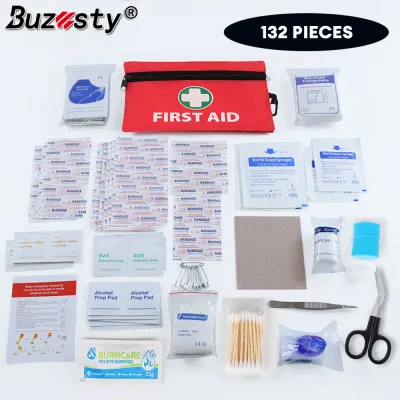
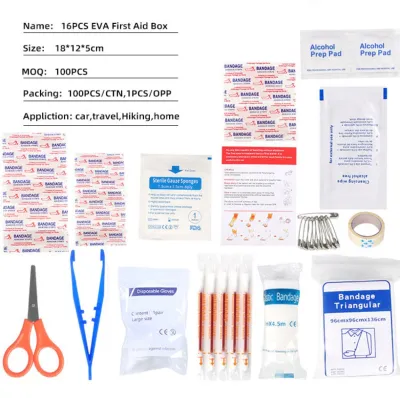
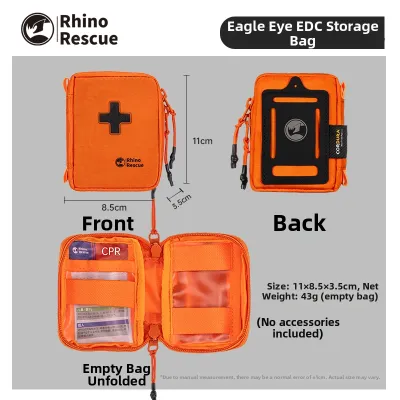
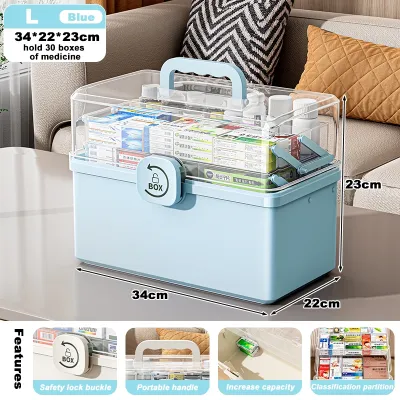
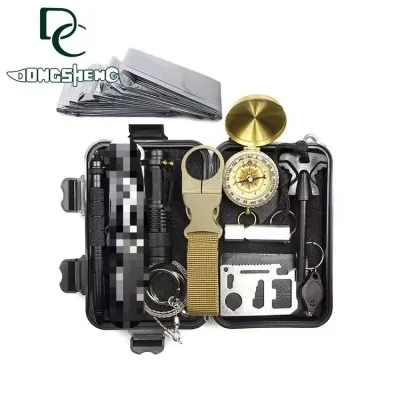
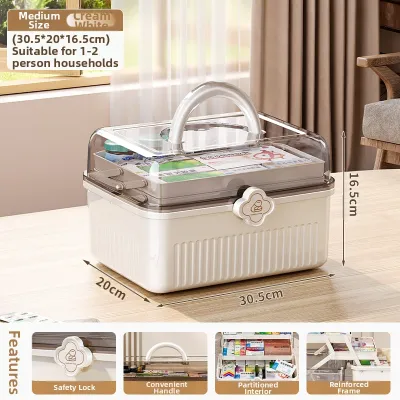
Prices are valid at publication and may change. Please refer to the product page for the latest price.
Environmental conditions dictate the physical integrity of your medical supplies, particularly in tropical regions like Singapore. High ambient temperatures and relative humidity levels that frequently exceed 80 percent will quickly degrade standard medical adhesives, causing them to slip off sweat-slicked skin. Moisture can also penetrate standard paper packaging, compromising the sterility of gauze and bandages. When selecting materials, you must prioritize sweat-resistant tapes, water-resistant adhesive bandages, and moisture-proof barrier packaging to ensure every item remains functional when needed.
It is equally important to establish clear expectations regarding the capabilities of your kit. A portable first aid box set is designed for initial stabilization, pain management, and preventing further injury during the critical window immediately following an accident. It is not a substitute for definitive medical treatment. Understanding this boundary helps you focus on packing high-utility, immediate-use items rather than overcomplicating the kit with advanced clinical tools that require professional medical training to operate safely.
Core Supplies to Include in Your Sports First Aid Box Set
Wound Care and Musculoskeletal Support
Physical activity outdoors frequently results in abrasions, lacerations, and friction-induced injuries. To manage these effectively, your kit must contain sterile, non-stick gauze pads of varying sizes, which prevent further trauma to raw skin during removal. Include a dedicated wound wash or sterile saline ampoules to flush out dirt, sand, or turf debris before dressing a wound. Antiseptic wipes are essential for disinfecting the surrounding skin, while hydrocolloid blister pads provide a protective, cushioning barrier that allows athletes to continue moving comfortably without worsening friction injuries.

Musculoskeletal injuries such as sprains, strains, and joint instability require specialized support materials that differ significantly from household supplies. Rigid zinc oxide sports tape is indispensable for stabilizing weak ankles or wrists, providing structural support that resists stretching even under heavy physical load. Elastic cohesive bandages, which adhere to themselves rather than skin or hair, are perfect for applying consistent compression to swollen joints without restricting circulation. You should also include instant cold packs that activate via chemical reaction when squeezed, providing immediate cryotherapy to reduce acute swelling and numb localized pain. Always check the manufacturer’s instructions on application times to avoid cold-induced skin damage.
Unlike standard household bandages, sports-specific dressings are engineered to withstand continuous friction, stretching, and moisture. Standard adhesive strips tend to peel away as soon as an athlete begins to sweat or stretch the joint. Sports bandages utilize heavy-duty fabric and advanced medical-grade adhesives designed to flex with body movement and remain securely bonded to the skin during intense physical exertion.
Heat and Hydration Management for Singapore's Climate
In hot and humid climates, managing thermal stress and fluid loss is just as critical as treating physical wounds. Dehydration and heat-related illnesses can develop rapidly during outdoor sports, making hydration management supplies a mandatory component of your first aid box set. Oral rehydration salts (ORS) and electrolyte replacement powders are vital for restoring the delicate balance of sodium, potassium, and magnesium lost through heavy perspiration. These powders must be kept in sealed, moisture-proof foil packets to prevent them from absorbing atmospheric humidity and clumping into an unusable solid mass.
Active cooling tools are highly effective for managing early-stage heat exhaustion. Instant cooling towels, which utilize specialized evaporative fabrics, can be draped around a casualty’s neck or underarms to help lower their core body temperature. Additionally, your kit should contain broad-spectrum, water-resistant sunscreen with an SPF rating of 50 or higher to protect skin from intense ultraviolet exposure, alongside an insect repellent containing DEET or picaridin to guard against vector-borne diseases when navigating forested trails or nature parks.
Recognizing the early signs of heat-related illness is crucial for timely intervention. During physical activities, monitor yourself and your teammates for warning signs such as persistent muscle cramps, excessive sweating, dizziness, mild confusion, headache, or sudden nausea. Deploying electrolyte solutions and cooling towels at the first sign of these symptoms can prevent a mild heat-related issue from escalating into life-threatening heatstroke.
Tools and Protective Gear
Administering first aid safely requires specialized physical tools that allow you to work quickly and maintain hygiene. Medical-grade trauma shears with blunt, rounded tips are essential for cutting through thick sports tape, clothing, or footwear to access an injury site without risking accidental cuts to the skin. Fine-tipped tweezers are necessary for carefully removing embedded splinters, gravel, or organic debris from trail falls. To protect both the first aider and the casualty from cross-contamination, always include several pairs of disposable nitrile gloves, which are stronger and less allergenic than traditional latex options.
Clear documentation is another indispensable tool during a high-stress emergency. Your kit should contain a compact, waterproof quick-reference first aid guide that outlines basic treatment protocols for common sports injuries and heat illnesses. Additionally, include emergency contact cards containing local emergency telephone numbers, personal medical alerts, and contact details for the participants. This information ensures that any bystander can step in and coordinate help effectively if the primary kit owner is incapacitated.
To protect these sensitive tools and paper documents from environmental moisture, sweat, and sudden downpours, organize them within heavy-duty, resealable waterproof bags. Placing individual component groups into separate zip-lock pouches creates an extra layer of defense against tropical humidity. This practice ensures that your shears remain rust-free, your documentation stays legible, and your sterile tools remain completely dry until the moment they are deployed.
How to Assemble and Organize Your First Aid Box Set
Selecting the right outer container is the foundation of an effective first aid box set. For water sports, kayaking, sailing, or team sports where the kit remains stationary on a sideline, a rugged, hard-shell waterproof case with a secure rubber gasket seal provides maximum protection against impact, dust, and water ingress. For individual trail running, road cycling, or backpacking, a lightweight, soft-sided roll-up pouch made from water-resistant ripstop nylon is much more practical. This style fits easily into a backpack or pannier and compresses to save space while keeping the overall weight manageable. Broadly speaking, a basic sports first aid box set can range from S$30 for a compact individual pouch to over S$150 for a fully stocked, hard-shell team kit.
Organization within the container should be structured around logical urgency and clear categorization. When an emergency occurs, you cannot afford to waste precious seconds rummaging through a disorganized pile of bandages to find a pair of shears or a sterile dressing. Group your supplies into distinct, transparent compartments or color-coded bags based on their primary function: trauma and bleeding control, musculoskeletal support, hydration and heat management, and tools. Place high-priority items—such as nitrile gloves, antiseptic wipes, and primary trauma dressings—in the most accessible outer pockets or at the very top of the kit so they can be retrieved instantly.
Every compartment and individual pouch should be clearly labeled using a waterproof permanent marker. For supplies that are not immediately recognizable to an untrained bystander, write brief, highly visible usage instructions directly on the packaging, such as “FOR SPRAINS” on elastic bandages or “MIX WITH 250ML WATER” on oral rehydration salt packets. Most importantly, clearly write the expiration dates of all medications, sterile items, and electrolyte powders on the outside of their respective compartments, ensuring that you can assess the kit’s readiness at a single glance.
How to Maintain and Restock Your Kit for Reliability
A first aid box set is only useful if the supplies inside are sterile, active, and fully functional. To ensure your kit remains reliable, establish a strict routine inspection schedule. Conduct a thorough audit of all contents every three to six months, or perform a mandatory check immediately prior to any major outdoor excursion or sports tournament. Regular inspections prevent the unpleasant surprise of opening your kit during an emergency only to find dried-out wipes or degraded bandages.
During these audits, pay close attention to how high humidity and heat have affected your supplies. Inspect adhesive tapes and bandages to ensure the glue has not melted, degraded, or become brittle. Check all sterile paper packaging for signs of moisture damage, water staining, or tearing, as any breach in the packaging invalidates the sterility of the item. Examine powdered electrolyte packets to ensure they are still free-flowing; if they have clumped or hardened, they must be discarded and replaced, as moisture ingress may have compromised their chemical stability.
Maintain a systematic restocking log inside the kit to track what has been used and what needs replacement. After any incident where supplies are deployed, make it a habit to restock the missing items before storing the kit away. When disposing of expired medications, creams, or contaminated waste, follow local pharmaceutical disposal guidelines rather than throwing them into standard trash bins, ensuring that expired medical waste is handled safely and responsibly.
Recognizing Red Flags: When to Stop and Seek Medical Help
While a well-configured first aid box set allows you to manage a wide range of minor injuries, you must recognize when a situation exceeds the limits of basic first aid. Critical red flags require immediate professional medical intervention. These symptoms include uncontrollable or arterial bleeding that does not stop after applying direct pressure, suspected bone fractures or joint dislocations, head injuries accompanied by confusion or pupils of unequal size, and signs of severe heatstroke, such as a high body temperature accompanied by confusion, slurred speech, or a complete lack of sweating.
If you encounter any of these severe symptoms while conducting sports or outdoor activities in Singapore, take immediate, coordinated action. Call emergency services at 995 to dispatch an ambulance. While waiting for professional medical help to arrive, move the casualty to a shaded, well-ventilated area or an air-conditioned space if nearby. Keep the individual still, loosen any tight clothing, and initiate active cooling by applying cool water or damp cloths to their neck, armpits, and groin area. Do not attempt to force an unconscious or severely confused person to drink fluids, as this poses a serious choking hazard.
Always prioritize the safety and long-term health of the athlete over completing a game or trail. Reinforce a strict policy of stopping the physical activity immediately if anyone experiences sudden chest pain, severe dizziness, shortness of breath, or sharp, localized joint pain. Continuing to exercise through these warning signs can turn a manageable strain or mild heat exhaustion into a severe, life-threatening medical emergency.
Frequently Asked Questions (FAQ)
Can I just use a standard household first aid box set for sports?
Standard household kits are generally inadequate for sports and outdoor activities because they lack the specialized tools required for musculoskeletal support and physical exertion. Household kits rarely contain rigid zinc oxide sports tape, cohesive compression bandages, or instant cold packs, which are essential for managing joint sprains and muscle strains. Furthermore, the standard adhesive bandages found in household kits are not designed to withstand heavy sweat, friction, and high humidity, meaning they will quickly peel off once physical activity begins.
How do I prevent medical supplies from degrading in high humidity?
To protect your supplies from tropical humidity, place several silica gel desiccant packets inside the main container of your first aid box set to absorb any ambient moisture. Additionally, pack sensitive items like bandages, gauze, and powdered electrolytes in individual, airtight zip-lock bags. Never store your first aid kit in hot, unventilated spaces such as a car trunk, a metal outdoor locker, or in direct sunlight, as extreme heat will melt medical adhesives, degrade sterile packaging, and reduce the shelf life of medications.
Community discussion
Share your experience or ask a question. Comments are reviewed before publication.