
Finding the right folding kayak brand in Singapore requires balancing the convenience of compact storage with the ruggedness needed for tropical waters. Because most local paddlers live in high-density housing like HDB flats or condominiums, traditional rigid kayaks are often impractical due to strict estate rules and limited space. A high-quality folding kayak solves this storage dilemma, but you must carefully evaluate how different brands design their folding mechanisms, source their materials, and support their products locally. Choosing a brand is not just about finding the lowest price; it is about verifying structural safety, ease of assembly, and long-term resistance to intense UV rays and saltwater. By understanding the key differences in design and local support, you can confidently select a kayak that fits both your living space and your paddling aspirations.
Core Criteria for Comparing Folding Kayak Designs
To make an informed decision, you must first understand the two primary folding kayak designs available on the market: origami-style (single-sheet folding hulls) and skin-on-frame (internal skeletal structures wrapped in a durable skin). Each design has distinct advantages and trade-offs regarding setup time, structural rigidity, and long-term durability.
Origami-style kayaks, typically made from custom-extruded polypropylene or similar high-density plastics, fold along pre-creased lines much like the traditional Japanese paper art. They offer exceptionally fast setup times, often under fifteen minutes, because there are no loose internal frame pieces to connect. However, you must check the manufacturer’s rated fold cycle limit—the number of times the plastic can be bent and straightened before the creases begin to fatigue or weaken. Brands that use high-quality, UV-treated polypropylene can withstand thousands of folds, but cheaper alternatives may develop stress cracks along the seams much sooner.
Products mentioned in this guide
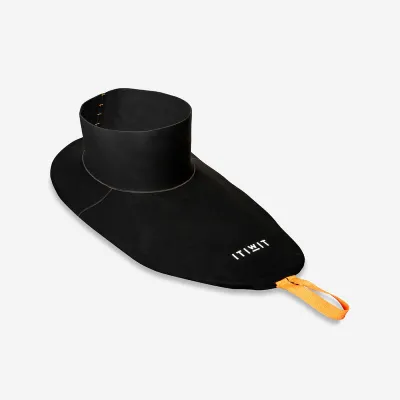
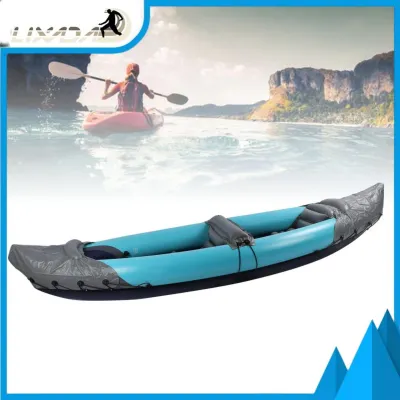
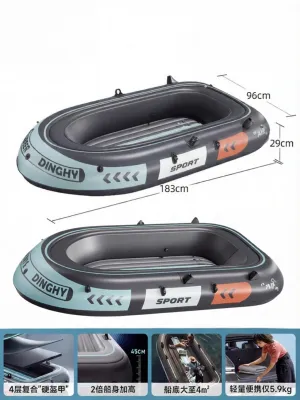
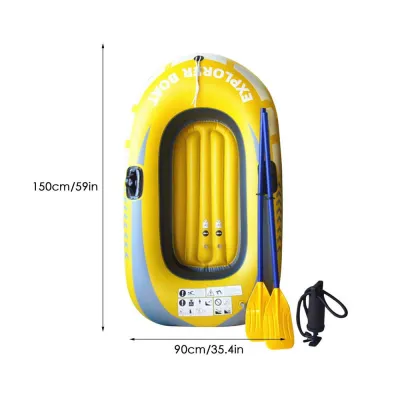
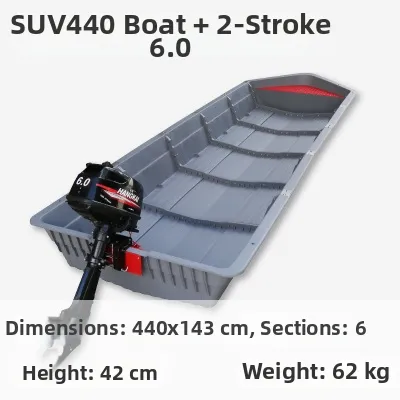
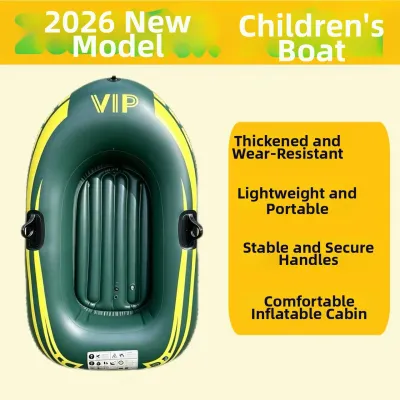
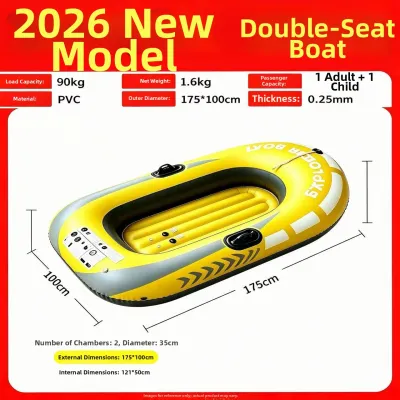
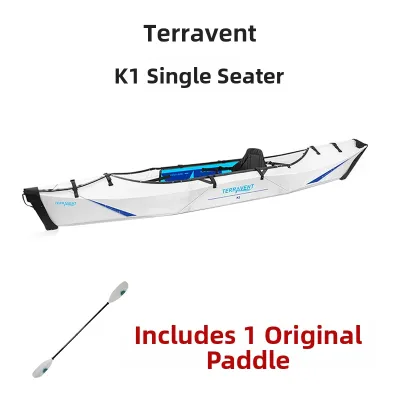
Prices are valid at publication and may change. Please refer to the product page for the latest price.
Skin-on-frame designs utilize an internal skeleton, usually constructed from anodized aluminum, carbon fiber, or marine-grade wood, which is then tensioned inside a heavy-duty synthetic skin made of polyurethane or PVC. While these models generally take longer to assemble—sometimes thirty to forty-five minutes for beginners—they often provide a hull shape that closely mimics traditional rigid sea kayaks. This skeletal structure offers excellent secondary stability and tracking in choppy water, making them highly suitable for longer coastal excursions.
Hull materials must be scrutinized for their resistance to Singapore’s harsh tropical climate. Intense, year-round UV exposure can rapidly degrade plastics and synthetic fabrics, causing them to become brittle, fade, or lose their structural integrity. Look for brands that explicitly treat their hulls with UV inhibitors during the manufacturing process. Additionally, because you will likely paddle in saltwater environments around the coast, every metal component, zipper, buckle, and tensioning strap must be made of marine-grade stainless steel, anodized aluminum, or high-strength polymers to prevent rapid galvanic corrosion.
Weight capacity and packed dimensions are critical constraints that directly affect your safety and comfort. You must compare the manufacturer’s maximum payload capacity against your own body weight plus any gear, water, and safety equipment you plan to carry. A kayak loaded too close to its maximum capacity will sit low in the water, reducing stability and making it highly susceptible to swamping in open coastal areas. Ensure the packed dimensions of the kayak bag align with your physical ability to carry the load over moderate distances.
Verifying Brand Reliability and Local After-Sales Support
Purchasing a folding kayak is a significant investment, making after-sales support a primary consideration when choosing a brand. When evaluating different manufacturers, check whether they have an authorized local distributor in Singapore or if you must rely entirely on direct international shipping. A local distributor can provide immediate assistance, hands-on assembly demonstrations, and direct warranty handling, saving you from expensive international freight costs and long waiting times if a component fails.

If you choose a brand that requires direct international shipping, review their global warranty policy with extreme care. Determine who covers the shipping costs for replacement parts or warranty returns. A warranty that requires you to ship a bulky hull or frame back to North America or Europe at your own expense can quickly become financially impractical, turning a minor defect into a major headache.
Examine the availability of individual replacement parts before committing to a brand. Folding kayaks consist of numerous moving parts, tensioning straps, small clips, and structural ribs. Over years of use, small components can easily be lost at a launch site or worn down by friction. Reliable brands maintain a comprehensive catalog of spare parts—such as replacement skin patches, frame joints, bow caps, and seat cushions—that you can purchase independently without needing to replace the entire kayak.
To assess long-term reliability, seek out verified user feedback specifically focusing on assembly longevity. Look for reviews from paddlers who have used the same model for multiple years in tropical or saltwater conditions. Pay close attention to reports regarding hinge wear on origami models or skin stretching and frame corrosion on skin-on-frame models, as these real-world observations reveal more about a brand’s quality than marketing specifications.
Matching Kayak Specs to Singapore Paddling Environments
Singapore offers diverse paddling environments, from calm, sheltered reservoirs to exposed coastal waters. If you plan to paddle primarily in inland waterways like MacRitchie Reservoir, Marina Reservoir, or Bedok Reservoir, stability and ease of turning are often more important than high-speed tracking. For these calm waters, shorter, wider folding kayaks provide excellent maneuverability and a reassuringly stable platform for recreational paddling.
Conversely, if your goals include exploring coastal routes around Sentosa, East Coast Park, or the Southern Islands, you will encounter wind, tidal currents, and wake from passing vessels. Coastal paddling demands a longer, narrower kayak with superior tracking—the ability to maintain a straight line against crosswinds and currents. For these conditions, look for brands that offer models with integrated skegs or rudder systems, as well as enclosed decks that accept a spray skirt to keep waves from filling the cockpit.
Storage limitations in Singapore’s high-density housing require precise planning. Before purchasing, measure your designated storage area, whether it is a bomb shelter, a closet, a space under the bed, or a corner of a condominium balcony. Remember that high humidity in Singapore can encourage rapid mold and mildew growth on damp fabrics; therefore, your storage space must be dry and well-ventilated, and the kayak must be completely dry before being packed away.
Transport logistics can dictate how often you actually use your kayak. If you rely on public transport, check the Land Transport Authority (LTA) guidelines regarding oversized luggage on the MRT and buses. Many compact folding kayaks pack down into a backpack-style bag that fits within these limits, but heavier skin-on-frame models may require a folding trolley. If you drive or use ride-hailing services, verify that the packed dimensions fit comfortably inside a standard car boot or backseat without damaging the vehicle’s interior.
Final Pre-Purchase Verification Checklist
Before finalizing your purchase, perform a rigorous check of all physical specifications to ensure the kayak matches your personal profile and lifestyle.
Verify the manufacturer’s stated weight limits. Ensure that your weight, combined with your personal flotation device (PFD), dry bags, water bottles, and safety gear, does not exceed 70% to 80% of the maximum rated capacity to maintain optimal performance and safety margins.
Confirm the exact folded dimensions against your storage space and transport vehicle. Physically measure your car boot or storage closet with a tape measure rather than relying on visual estimates.
Review the specific warranty terms provided by the manufacturer. Note that many brands offer different warranty durations for the structural frame versus the fabric skin or plastic hull, and some warranties may be voided if the kayak is used in commercial settings or modified.
Inspect the manufacturer’s safety recommendations and stop conditions. Ensure you understand the maximum wind speeds and wave heights the kayak is designed to handle, and never exceed your personal paddling skill level regardless of the kayak’s theoretical capabilities.
Frequently Asked Questions (FAQ)
How long does it typically take to assemble a folding kayak?
Assembly times vary significantly based on the design complexity and your familiarity with the process. For origami-style kayaks, initial assembly out of the box might take twenty minutes as you learn where the folds lie, but subsequent setups typically take ten to fifteen minutes once the plastic has broken in. Skin-on-frame models require more patience; your first attempt can easily take forty-five minutes to an hour as you align the internal ribs and tension the skin. With regular practice, most paddlers can assemble a skin-on-frame kayak in twenty to thirty minutes.
Can folding kayaks handle rough coastal waters?
While some high-end folding kayaks are specifically engineered for open-ocean touring, many recreational models are designed strictly for calm, sheltered waters. You must check the manufacturer’s specifications to determine if a model is rated for coastal use. Even if a kayak is rated for rougher water, your safety depends entirely on your paddling skills, safety equipment, and local weather conditions. Folding kayaks generally have more flex than rigid kayaks, which can feel unusual in choppy water, so it is vital to practice self-rescue techniques in a controlled environment before venturing into open coastal areas.
What maintenance is required after paddling in saltwater?
Saltwater is highly corrosive, making immediate post-paddle maintenance essential to preserve the lifespan of your folding kayak. After every saltwater outing, thoroughly rinse the entire kayak—including the hull, skin, internal frame, zippers, and straps—with clean, fresh water to remove salt crystals and sand. Pay close attention to metal joints and connection points where salt can accumulate and cause corrosion or binding. Allow all components to dry completely in a shaded, well-ventilated area before folding and storing the kayak; packing a wet kayak in a bag in Singapore’s humid climate will rapidly lead to mold, mildew, and material degradation.
Community discussion
Share your experience or ask a question. Comments are reviewed before publication.