
Liquid chalk has transitioned from a niche training aid to an essential component of a climber’s gear kit. By suspending magnesium carbonate in an alcohol base, liquid chalk provides an even, long-lasting base layer that fills the micro-creases of the skin, significantly reducing sweat production and improving friction. However, with dozens of brands flooding the market, choosing a trusted product requires looking beyond flashy packaging and bold marketing claims. Climbers must evaluate liquid chalk through the lenses of chemical safety, drying performance, and environmental suitability to ensure they are protecting both their skin and the climbing surfaces they cherish.
It is important to remember that while liquid chalk enhances friction, it is not a substitute for proper climbing technique, finger strength, or sound safety judgment on the wall. No amount of grip enhancement can compensate for poor body positioning or inadequate safety systems. Equipment is simply a tool to support your climbing; your training, experience, and awareness of your physical limits remain the primary safety factors when ascending any route.
Understanding Liquid Chalk Formulations and Skin Safety
To understand how a liquid chalk will affect your skin, you must first look at its primary carrier: the alcohol base. Most commercial liquid chalks use either isopropyl alcohol or ethanol (ethyl alcohol) to suspend the magnesium carbonate. Isopropyl alcohol is highly effective at stripping moisture and oils from the skin, which leads to an incredibly fast evaporation rate and a bone-dry surface. However, this rapid dehydration can be highly sensitizing, especially for climbers with pre-existing skin conditions like eczema or contact dermatitis. Ethanol, while still drying, is generally considered slightly milder on the skin barrier, though it may evaporate a fraction of a second slower.
Products mentioned in this guide
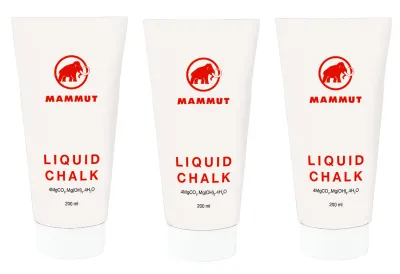
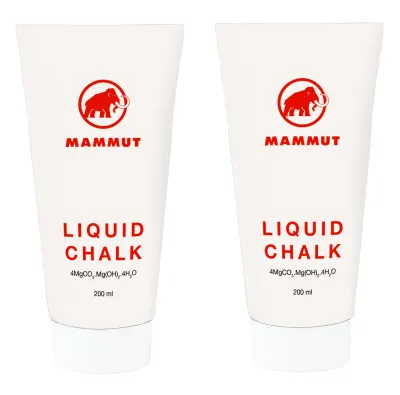
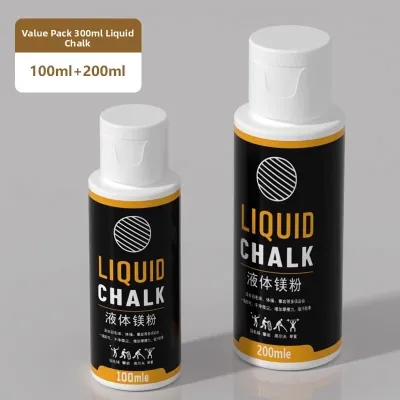
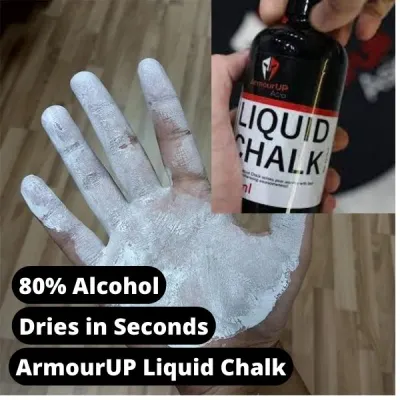
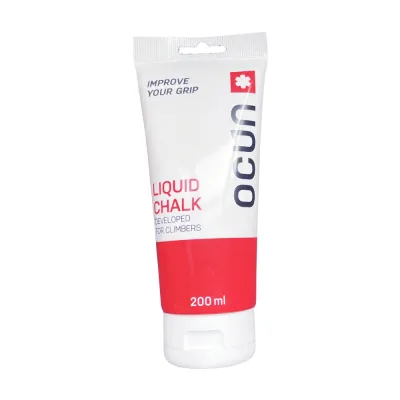
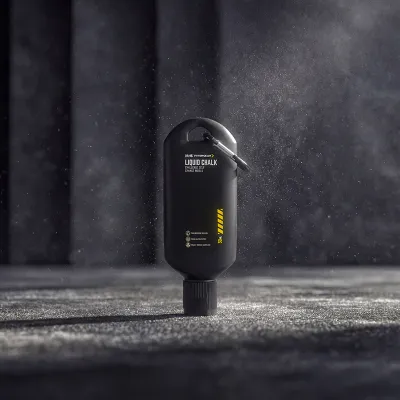
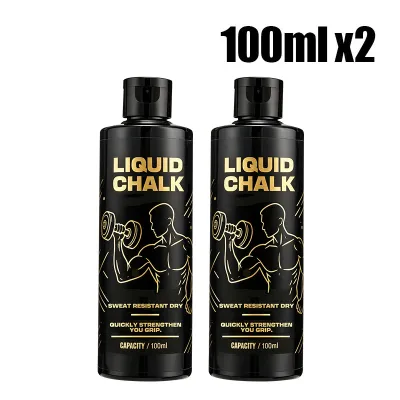
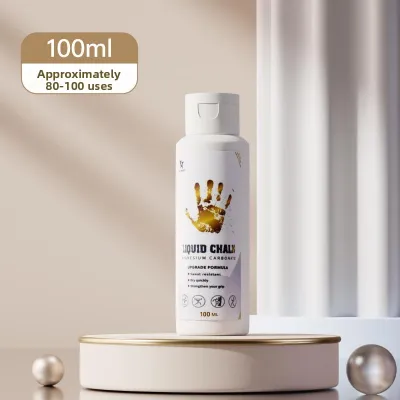
Prices are valid at publication and may change. Please refer to the product page for the latest price.
Beyond the alcohol base, many brands introduce additives to modify the chalk’s texture, grip, or scent. The most common additive is rosin, also known as colophony, which is a natural resin harvested from pines and other plants. Rosin increases the tackiness of the chalk, creating a sticky sensation that can make holds feel much more secure. However, rosin is a well-known allergen and a frequent cause of allergic contact dermatitis in climbers. Regular exposure to rosin-infused chalk can lead to redness, itching, swelling, and peeling skin. Other additives, such as essential oils (like lavender, mint, or tea tree oil), are often marketed as antibacterial or soothing agents, but they can also act as skin irritants for sensitive individuals.
To verify what you are putting on your hands, it is essential to look past the front label and inspect the ingredient list or the product’s Safety Data Sheet (SDS). Reputable manufacturers make their SDS easily accessible online, detailing the exact chemical composition and concentrations of their products. If a brand refuses to disclose its ingredients or hides behind vague terms like “proprietary grip enhancers,” it is a sign to proceed with caution. Prioritizing brands that offer complete transparency allows you to make informed decisions about your skin health and avoid ingredients that could trigger painful allergic reactions.
Evaluating Grip Performance and Drying Characteristics
The physical performance of liquid chalk is largely determined by its chalk-to-liquid ratio and the quality of the magnesium carbonate used. A high-quality liquid chalk should have a creamy, consistent texture that is easy to spread across your palms. If the mixture is too watery, it will run off your hands before you can coat them evenly, resulting in a thin, patchy layer that offers minimal friction. If the mixture is too thick or pasty, it will clump up in the creases of your hands, leading to premature flaking and a messy application that does not bond well with the skin.

Drying time is another critical performance metric that directly impacts your climbing flow. When you are preparing for a redpoint attempt or getting ready to pull onto a bouldering wall, you do not want to wait several minutes for your chalk to dry. A well-formulated liquid chalk should dry completely within 15 to 30 seconds of application. As the alcohol evaporates, you should observe a distinct color change from a wet, translucent paste to a solid, uniform white coating. This rapid transition indicates that the alcohol has successfully carried the moisture away, leaving a dry, high-friction barrier behind.
Longevity and sweat resistance are what truly separate premium liquid chalks from subpar formulations. A trusted liquid chalk acts as a durable base layer that resists migrating or washing away when your hands begin to sweat. During a long, sustained sport climb or a high-intensity bouldering session, the chalk should remain bonded to your skin, requiring fewer top-ups with loose chalk. You can evaluate this by observing how much chalk remains on your hands after completing a route; a high-performance formula will leave a visible, albeit thinner, layer of white powder, rather than disappearing entirely or turning into a slick, greasy paste.
Verifying Brand Reliability and Community Trust
In the climbing community, trust is earned through consistent performance and environmental responsibility, not through aggressive marketing campaigns. Reliable brands demonstrate their commitment to the sport by ensuring their products comply with indoor climbing gym standards and air quality regulations. Because traditional loose chalk creates airborne dust that can clog ventilation systems and harm respiratory health, many modern gyms encourage or mandate the use of liquid chalk. Brands that actively test their formulations for low volatile organic compound (VOC) emissions and clean-drying properties are highly valued by gym operators and climbers alike.
Observing the choices of experienced climbers at your local gym or crag is one of the most practical ways to identify trusted brands. Pay attention to what coaches, route setters, and long-time climbers keep in their gear bags. These individuals spend hours on the wall every week and have likely experimented with dozens of different products. If a particular brand is consistently used by the most active members of your local climbing community, it is a strong indicator of its reliability, consistency, and overall performance.
Additionally, cross-referencing discussions on climbing forums, gear review sites, and local climbing association pages can provide valuable long-term insights. Look for feedback regarding how well a brand’s liquid chalk holds up over months of regular use. Common issues to watch out for include bottles that clog easily, formulas that separate permanently into a watery mess, or products that cause excessive skin peeling after consecutive training sessions. A brand with a history of positive, consistent community feedback is far more likely to deliver a dependable product than one that relies solely on sponsored athlete endorsements.
Matching Formulations to Climbing Disciplines and Environments
Not all liquid chalks are created equal, and matching the right formulation to your specific climbing discipline is key to maximizing performance. For high-intensity bouldering, where movements are powerful and holds are often small and sloped, a liquid chalk with a small amount of rosin can provide the extra tackiness needed to stay attached to the rock. However, for long-duration sport or trad climbing, rosin-free formulations are generally preferred. On long routes, you will need to top up your grip with loose chalk from a chalk bag; if your base layer contains rosin, the addition of loose chalk can create a thick, gummy buildup that actually reduces friction and makes your hands feel slippery.
Environmental conditions also play a massive role in how liquid chalk performs. In tropical climates with high humidity and ambient heat, such as Singapore, managing sweat is a constant battle. High humidity slows down the evaporation rate of the alcohol base, meaning a chalk that dries instantly in a cold, dry climate might remain wet and sticky for much longer in a humid environment. Climbers in these regions should look for high-purity, fast-drying formulas with a slightly higher alcohol content to ensure a quick dry, and avoid heavy, oil-infused chalks that can trap heat and moisture against the skin.
Furthermore, indoor gym regulations must be factored into your selection process. To protect their expensive climbing holds and maintain clean air, many indoor facilities have established strict rules regarding chalk usage. Some gyms ban liquid chalks containing rosin or other sticky resins entirely. Rosin does not wash off easily with water; it glazes over plastic holds, filling in the texture and making them permanently slick, which ruins the climbing experience for others and makes hold cleaning a nightmare for route setters. Always check your local gym’s specific guidelines to ensure your chosen liquid chalk is permitted before bringing it to a session.
Application, Storage, and Post-Climb Skin Care
To get the most out of your liquid chalk and protect your skin, proper application technique is essential. Always start by washing and drying your hands thoroughly to remove any dirt, grease, or residual hand cream, which can prevent the chalk from bonding to your skin. Shake the bottle vigorously for several seconds to ensure the magnesium carbonate is fully suspended in the alcohol. Dispense a small, coin-sized amount onto one palm, then quickly spread it across both hands, covering your fingers, palms, and the spaces between your fingers. Avoid rubbing your hands together vigorously as it dries, as this can cause the chalk to clump and flake off. Let it air dry completely for at least 30 seconds before touching any holds.
Proper storage is equally important to maintain the consistency and shelf life of your liquid chalk. Because alcohol evaporates quickly when exposed to air, you must seal the cap tightly immediately after dispensing the product. Even a slightly loose cap can cause the alcohol to slowly leak out over time, leaving you with a dried-out, solid block of chalk that is impossible to use. Store your liquid chalk bottles upright in a cool, dry place, away from direct sunlight, heating vents, or the inside of a hot car, as extreme heat can accelerate evaporation and cause the plastic packaging to degrade or leak.
Finally, establishing a dedicated post-climb skin care routine is vital to counteract the harsh, dehydrating effects of liquid chalk. Once your climbing session is finished, wash your hands immediately with cool water and a mild, fragrance-free soap to remove all traces of chalk and alcohol. Avoid using hot water, which can further strip your skin of its natural oils. After drying your hands, apply a generous layer of a specialized climbing salve, heavy-duty hand cream, or moisturizer. While a standard bottle of liquid chalk typically costs between S$15 and S$30, investing in a high-quality, transparent formulation and a dedicated recovery salve is a small price to pay for maintaining healthy, split-free skin.
Frequently Asked Questions (FAQ)
Is liquid chalk permitted in all indoor climbing gyms?
While liquid chalk is widely accepted and often encouraged to reduce airborne dust, policies vary significantly between facilities. Some gyms mandate liquid chalk exclusively to maintain clean air, while others ban specific formulations containing rosin or resins because they glaze over plastic holds and are difficult to clean. Always check your local gym’s rules before purchasing.
Can liquid chalk cause skin allergies or contact dermatitis?
Yes, liquid chalk can trigger skin reactions, primarily due to high alcohol concentrations that severely dehydrate the skin barrier. Additionally, additives like rosin (colophony), synthetic resins, and essential oils are common allergens that can cause redness, itching, and peeling. If you have sensitive skin, perform a patch test on a small area of skin first, or opt for alcohol-free, pure magnesium carbonate formulas.
How should you store liquid chalk to prevent it from drying out?
To prevent liquid chalk from drying out, always seal the cap tightly immediately after use to stop the alcohol base from evaporating. Store the bottle upright in a cool, dry environment away from direct sunlight and extreme heat, such as a hot car. Shaking the bottle vigorously before each application also helps maintain an even, creamy consistency.
Community discussion
Share your experience or ask a question. Comments are reviewed before publication.