
Taking on a long-run training session in a tropical climate requires a highly disciplined approach to both hydration and energy management. A running water bag vest is one of the most efficient tools for carrying the fluids you need over long distances, but filling it with sports drinks instead of plain water introduces unique challenges. Sugar-laden liquids can clog delicate valves, cause uncomfortable sloshing, and create a breeding ground for bacteria if the gear is not managed correctly.
Mastering the preparation, filling, and maintenance of your hydration system ensures you stay fueled without compromising your gear or your digestive system. By understanding how to configure your vest and manage your fluid intake, you can focus entirely on your running form and pacing. This guide covers everything you need to know to prepare, carry, and clean your hydration system when using sports drinks.
Preparing Your Sports Drink and Checking Gear Compatibility
Before pouring any flavored or carbohydrate-rich liquid into your hydration system, you must verify that your gear can handle it. Review the manufacturer’s guidelines for your specific vest, bladder, or soft flasks. Some brands use specialized materials that can be degraded by highly acidic liquids, while others may void warranty coverage if any fluid other than plain water is used. Checking these specifications beforehand protects your investment and prevents unexpected gear failures on the road.
Products mentioned in this guide
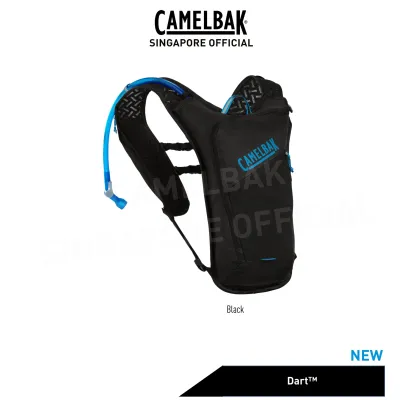
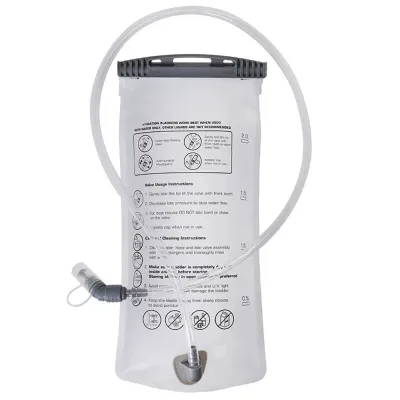
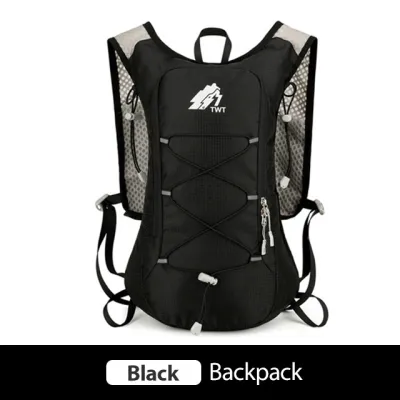
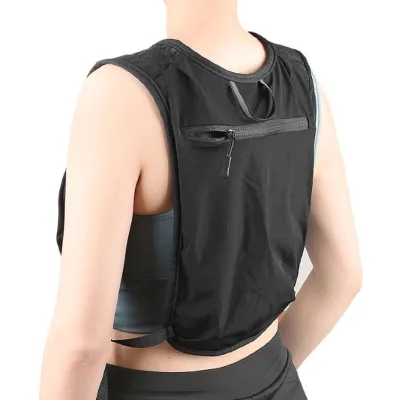
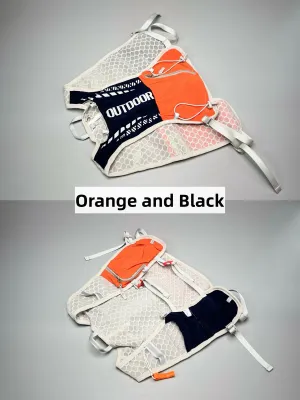
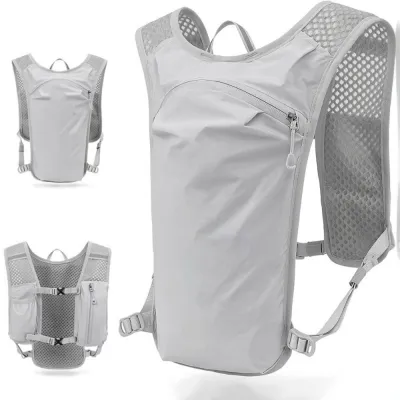
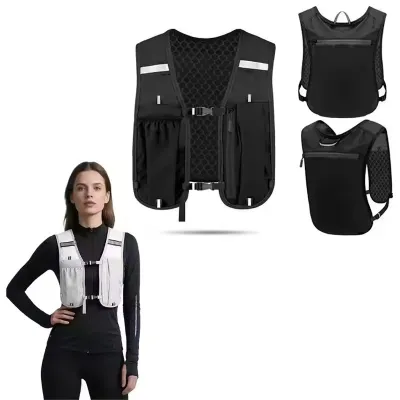
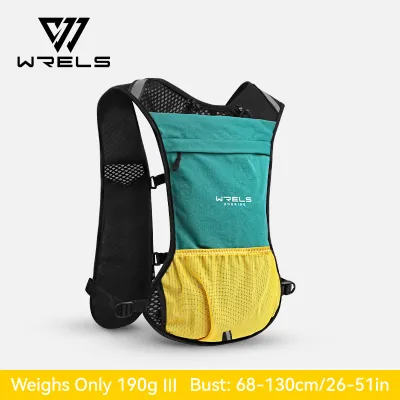
Prices are valid at publication and may change. Please refer to the product page for the latest price.
When mixing powdered or liquid sports drink concentrates, follow the product label instructions precisely to maintain the correct osmotic balance. Creating a solution that is too concentrated, also known as a hypertonic drink, slows down gastric emptying. This means the fluid sits in your stomach rather than absorbing quickly into your bloodstream, which often leads to severe cramping, bloating, or nausea during high-intensity efforts. Keeping the mixture at the recommended concentration ensures rapid absorption and steady energy delivery.
Always pre-mix your sports drink in a separate container, such as a shaker bottle or a large pitcher, before transferring it to your hydration bladder or soft flasks. Dumping powder directly into the reservoir makes it incredibly difficult to dissolve completely. Undissolved clumps of powder will quickly migrate into the drink tube or settle inside the silicone bite valve, clogging the system and cutting off your fluid supply mid-run. Mixing beforehand guarantees a smooth, uniform liquid that flows effortlessly through the tubing.
Filling the Hydration Bladder or Soft Flasks Without Spills
Loading your hydration system efficiently requires a systematic approach to manage internal pressure and prevent messy spills. When filling your bladder or soft flasks, always leave a small air gap of about 10% to 15% at the top of the container. Leaving this space accommodates the natural expansion of the liquid as it warms up and prevents the seams from bursting under the physical pressure of your body weight or the compression of the vest straps.

To eliminate the annoying sloshing sound and improve the stability of your vest, you must “burp” the excess air out of the reservoir before sealing it. For a main rear bladder, turn the filled reservoir upside down, slide the top closure or cap secure, and gently squeeze the bladder until the liquid rises to the bite valve. Pinch the valve open to let the trapped air escape until fluid just begins to trickle out. For front soft flasks, gently squeeze the body of the flask until the liquid reaches the very top of the nozzle before screwing the cap on tight.
Once the system is sealed and burped, perform a quick squeeze test over a sink before placing the reservoir into your vest. Apply firm, even pressure to the body of the bladder or flask and inspect the slide seal, screw cap, and hose connection points for any slow drips or micro-leaks. Discovering a faulty seal or a loose connection over the kitchen sink is far better than finding out twenty kilometres into a long run when your gear and clothing are already soaked in sticky sports drink.
Adjusting the Vest and Managing the Drink Tube for a Bounce-Free Fit
Carrying several kilograms of liquid on your torso requires a precise fit to prevent chafing and energy-sapping bounce. Put on your loaded vest and tighten the adjustment straps sequentially, starting from the bottom and working your way up. Tighten the side or torso straps first to pull the weight of the rear bladder close to your lower back and ribcage. Next, adjust the sternum straps to secure the front panels, and finish with minor adjustments to the shoulder straps. The vest should hug your body snugly without restricting your breathing.
An unsecured drink tube can swing wildly, hitting your face or dragging through dirt and trail debris when you bend over. Route the tube through the designated elastic loops on your shoulder strap, ensuring there are no sharp kinks that could restrict fluid flow. If your vest features a built-in magnetic clip, position the corresponding magnet on the tube so the bite valve sits securely on your chest within easy reach. This keeps the valve clean, accessible, and completely stable while you move.
If you prefer using front soft flasks, ensure they are positioned symmetrically to balance the load across your chest. Running with one completely full flask and one empty flask creates an uneven weight distribution that can pull the vest to one side, causing the shoulder straps to rub against your neck and collarbones. As you drink throughout your run, try to alternate between the left and right flasks to maintain this balance and prevent localized friction and chafing.
Pacing Your Hydration and Fuel Intake During the Run
Maintaining a consistent hydration rhythm is essential for sustaining your energy levels and preventing gastrointestinal distress. Train yourself to take small, frequent sips of your sports drink every 10 to 15 minutes rather than gulping down large quantities at longer intervals. Your stomach can only process a limited volume of fluid and carbohydrates per hour; overloading it with a massive volume of liquid all at once leads to uncomfortable sloshing and increases the risk of cramping.
In Singapore’s persistent high heat and humidity, your sweat rate will naturally be elevated, making fluid and electrolyte replacement even more critical. Monitor your physical cues, such as dry mouth, a rising heart rate at a constant pace, or early signs of muscle fatigue. If you notice salt crusting on your skin or clothing, it is a clear indicator that you are losing high amounts of sodium and need to maintain a steady intake of your electrolyte-rich sports drink. However, always listen to your stomach; if it feels heavy or sloshy, temporarily back off the sports drink and sip plain water if you carry a secondary source.
To draw liquid efficiently without swallowing excess air, master the correct bite-and-release technique. Place the silicone valve between your front teeth, bite down gently to open the slit, and draw the fluid as if using a straw. Release the pressure completely before letting go of the valve to allow the silicone to spring back into its sealed position. Swallowing air while drinking under physical exertion is a common cause of painful bloating, gas, and side stitches that can severely disrupt your running rhythm.
Cleaning and Drying the System to Prevent Mold and Sugar Buildup
Proper post-run maintenance is the most critical step when using sports drinks in a hydration vest. As soon as you return from your run, empty any remaining liquid from the bladder, flasks, and tubes. Immediately flush the entire system with warm water. Allowing sugary sports drink syrup to sit inside the narrow tubing or the crevices of the bite valve for even a few hours can cause the sugars to dry, harden, and become incredibly difficult to remove.
To clean the system thoroughly, use manufacturer-recommended cleaning tablets or a mild, unscented dish soap. Avoid using harsh household chemicals, bleach, or boiling water, as these can permanently damage the plastic, cloud the reservoir, and degrade the silicone seals. Use a flexible tube brush to scrub the entire length of the drink hose, and a larger reservoir brush to clean the corners of the bladder or flasks where sticky residue tends to accumulate.
After scrubbing and rinsing the system thoroughly with clean water, you must dry it completely to prevent mold and mildew growth, which thrive in warm, humid environments. Prop the bladder open using a specialized drying hanger, a clean kitchen whisk, or a dedicated drying rack to keep the interior walls from sticking together. Hang the drink tube vertically so gravity can drain any remaining water droplets. Ensure every single component is completely dry before storing the gear in a cool, dry cupboard.
Frequently Asked Questions (FAQ)
Can I put any sports drink in my running water bag vest?
While most modern reservoirs can handle standard electrolyte and carbohydrate drinks, highly acidic or heavily colored beverages can stain the plastic or leave a persistent aftertaste. Always check your specific hydration gear manual, as some manufacturers restrict the use of certain liquids or void warranties if non-water beverages damage the seals.
How do I stop the drink tube from leaking while running?
First, inspect the bite valve for any dirt, sand, or sugar crystals that might prevent it from sealing completely. If the silicone is torn or warped from biting too hard, it will need to be replaced. Additionally, ensure the tube is routed smoothly without sharp kinks, and avoid exposing the reservoir to direct sunlight, which can heat the air inside and force liquid out of the valve.
Should I use a bladder or soft flasks for sports drinks?
A rear bladder offers a higher fluid capacity and hands-free drinking, making it ideal for self-supported long runs. However, front soft flasks are much easier to refill at aid stations, simpler to clean, and allow you to track your consumption volume visually. Many runners prefer keeping plain water in the rear bladder and sports drinks in the front flasks to simplify post-run cleaning and provide hydration variety.
Community discussion
Share your experience or ask a question. Comments are reviewed before publication.