
Fitting a vibration plate machine into a Singapore HDB flat requires balancing fitness goals with the realities of compact, high-density living. Because these machines generate rapid mechanical oscillations, successful integration depends on precise spatial planning, selecting the right equipment footprint, and implementing effective vibration-dampening strategies. By assessing your floor plan and understanding how kinetic energy travels through concrete structures, you can enjoy a convenient home workout without cluttering your living space or disturbing your neighbors.
Assessing Your Available Space and Machine Footprint
Start with physical measurements. HDB flats, especially newer Build-To-Order (BTO) units, have optimized floor plans where every square meter counts. Before purchasing, map out a dedicated zone using masking tape on the floor to visualize the machine’s physical footprint. Remember that the base dimensions are only part of the equation; you must also account for any protruding consoles, handlebars, or resistance band attachments that extend beyond the main platform.
Ceiling height is another critical factor that is often overlooked. Standard HDB ceilings typically range from 2.6 to 2.8 meters. When you stand on a vibration plate, you are elevated by 15 to 25 centimeters. If your workout routine includes overhead arm extensions, overhead presses, or dynamic movements, verify that your hands will not contact ceiling fans, light fixtures, or low-hanging beams.
Products mentioned in this guide
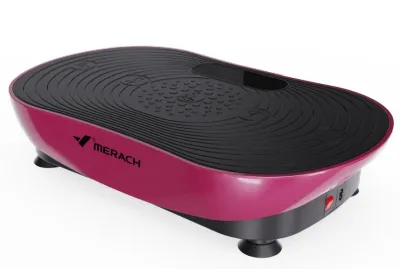
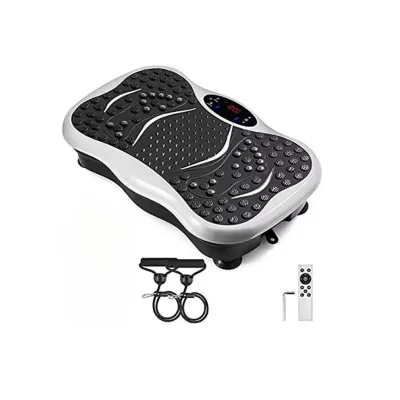
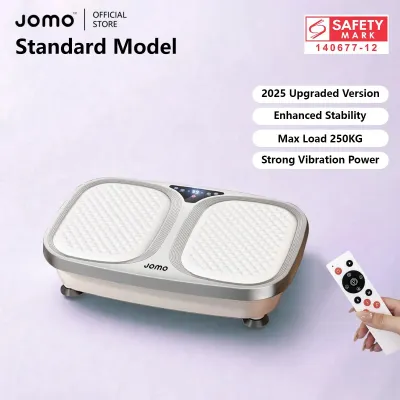
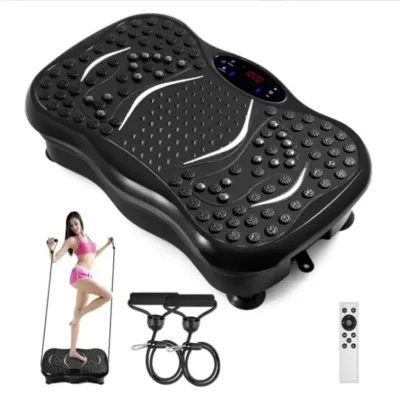
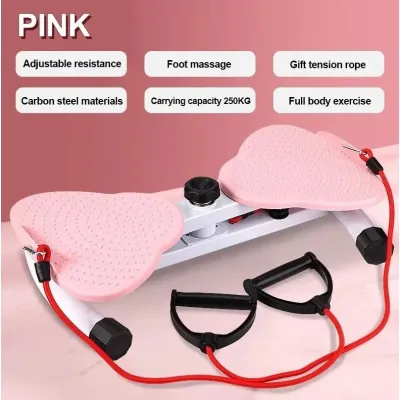
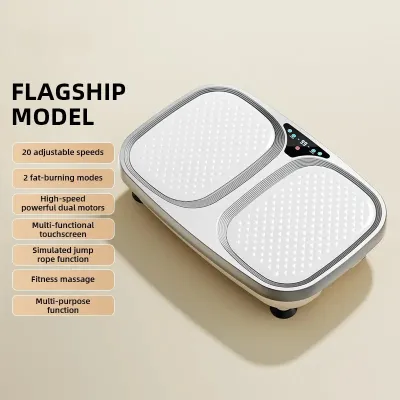
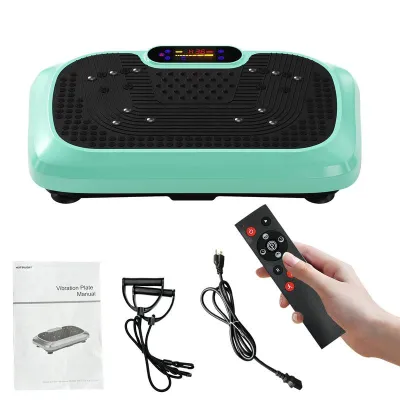
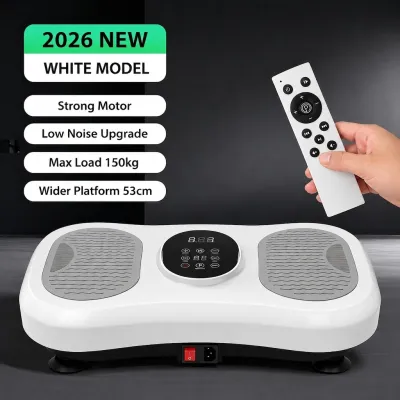
Prices are valid at publication and may change. Please refer to the product page for the latest price.
Operational clearance is vital for safety and comfort. Maintain a buffer zone of at least 50 to 60 centimeters of clear space on all sides of the machine. This clearance ensures that if you lose your balance or need to step off quickly, you will not collide with walls, television consoles, or sharp furniture edges. It also allows room for dynamic exercises like squats, lunges, or push-ups where your body extends beyond the plate itself.
Choosing the Right Vibration Plate Type for Compact Living
Vibration plates generally fall into two categories: standalone models with integrated handlebars and compact, pad-only designs. Standalone units offer excellent stability and built-in control consoles, making them ideal if you require support during balance exercises. However, their bulky frames and fixed vertical columns make them difficult to move or conceal in a small flat, requiring a permanent dedicated floor spot.

For highly constrained layouts, a compact, pad-only design is often the more practical choice. These low-profile platforms omit the vertical column entirely, relying on remote controls or wearable wrist straps for operation. Because they lack bulky frames, they can easily be slid under a bed, tucked into a wardrobe, or stood upright against a wall when not in use.
Mobility features are essential if you plan to store the machine after every session. Look for models equipped with built-in transport wheels and integrated carry handles. Verify the total weight of the machine before buying; while a heavier plate provides greater stability during high-intensity settings, it must remain light enough for you to lift and maneuver safely without straining your back or damaging your flooring.
Strategic Placement Options in an HDB Layout
Finding the right spot in an HDB layout involves balancing convenience, privacy, and structural considerations. The living room is a popular choice, particularly in the corner furthest from the television console. This placement allows you to integrate workouts into your daily routine while keeping the central walkway clear. If you have a sheltered balcony, this can also serve as an excellent workout zone, provided the area is completely protected from rain, direct sunlight, and high humidity.
For those who prefer privacy or have limited shared living space, the bedroom offers a quiet alternative. Placing the machine alongside the bed or in a study nook allows you to exercise without disrupting family members who may be watching television or resting. However, ensure the machine is positioned away from wardrobe doors so you can still access your clothing and storage without constantly shifting the equipment.
Regardless of the room you choose, avoid placing the vibration plate directly against shared household walls or in high-traffic corridors. Corridors must remain entirely unobstructed for safety and emergency evacuation. Positioning the machine away from shared walls helps minimize the direct transmission of structural noise to your neighbors, keeping your fitness routine private and respectful.
Managing Vibration Transfer and Noise in Shared Buildings
Living in a high-density HDB block means that structural vibrations can easily travel through concrete floors and walls, potentially sounding like a low-frequency hum to the neighbors downstairs. To maintain good neighborly relations, managing vibration transfer is just as important as finding physical space. The most effective solution is to place a high-density, heavy-duty anti-vibration rubber mat directly beneath the machine to absorb the kinetic energy before it reaches the floor.
Timing your workouts is another crucial aspect of shared living etiquette. Avoid using the vibration plate during designated quiet hours, typically between 10:30 PM and 7:00 AM. Even with a high-quality mat, the quiet environment of the early morning or late night can amplify low-frequency sounds, making them more noticeable to surrounding units.
Additionally, familiarize yourself with your machine’s settings and adjust the intensity levels based on your environment. High-frequency vertical vibrations tend to transfer more energy into the floor than lower-frequency oscillating or pivotal movements. Start your sessions at lower intensity levels to observe how the machine behaves on your floor, and gradually adjust the settings to find a balance between an effective workout and minimal structural vibration.
Storage and Maintenance for Long-Term Space Efficiency
To keep your HDB flat clutter-free, establish a dedicated, consistent storage routine. If you use a compact, pad-only model, utilize the empty space under your bed frame or at the bottom of a wardrobe. If storing the machine vertically, ensure it is securely propped or locked in place so it cannot tip over and cause injury or damage to nearby furniture.
Power cable management is a key safety consideration in compact spaces. When setting up the machine, route the power cord flat along the floor, ideally hugging the baseboards, to eliminate tripping hazards. Never stretch the cable tightly across walkways or place heavy objects on top of it, as this can damage the internal wiring and create electrical hazards. Always unplug the machine and neatly coil the cord after use.
Maintaining your equipment ensures both safety and longevity. Perform regular visual inspections of the machine’s base, rubber feet, and power connections. Check for any loose screws, worn dampening pads, or frayed cords that could compromise performance or safety. Keeping the platform clean and free of dust also prevents debris from entering the motor housing, ensuring the machine operates smoothly and quietly for years to come.
Frequently Asked Questions (FAQ)
Can I use a vibration plate on vinyl or laminate flooring?
Yes, but you must take precautions to protect the surface. Always check the manufacturer’s guidelines regarding weight limits and floor compatibility. Because vibration plates generate rapid, repetitive movements, they can cause friction scratches or indentation marks on softer flooring materials like vinyl or laminate. To prevent this, place a thick, non-slip protective mat under the machine to distribute the weight evenly and absorb friction.
Do I need a dedicated power outlet for the machine?
While a vibration plate typically does not require a dedicated high-voltage circuit, it should be plugged directly into a wall outlet whenever possible. Avoid using daisy-chained extension cords or overloaded multi-way adaptors, as these can increase electrical resistance and pose safety risks. Ensure the outlet is easily accessible so you can quickly unplug the machine after your workout, keeping your space safe and energy-efficient.
Community discussion
Share your experience or ask a question. Comments are reviewed before publication.